
Mar 31, 2026
The Six Sisters Who Kept One of the Smokies’ Last Homesteads
Written by: Emily Huffstetler
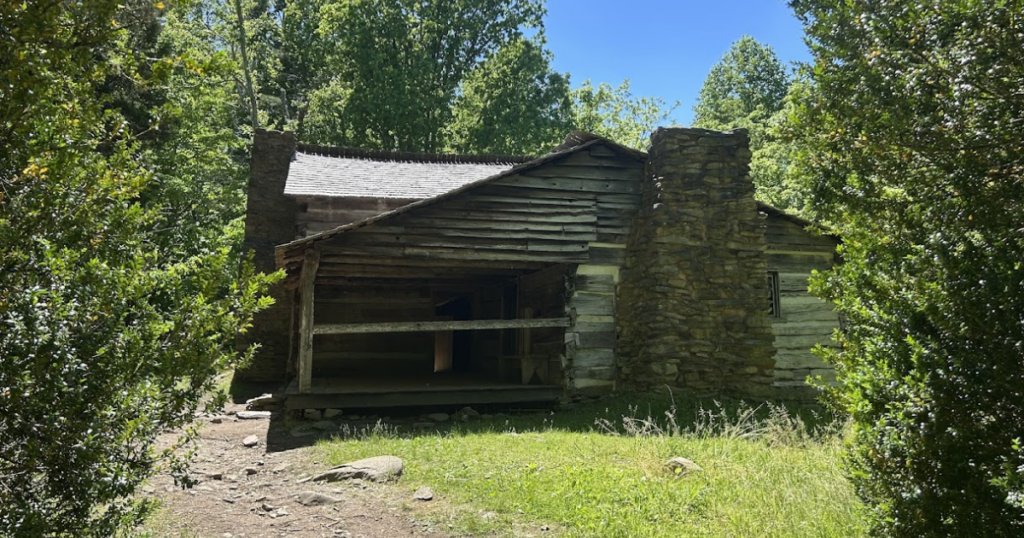
Just beyond Townsend, a quiet trail leads to one of the Smokies’ best-preserved homesites. Starting at Metcalf Bottoms, the 3.4-mile route passes Little Greenbrier Schoolhouse and follows an old roadbed to a preserved cabin, springhouse and corn crib. Six sisters, all unmarried, lived here together as the surrounding land became Great Smoky Mountains National Park.
John and Margaret Jane Walker raised 11 children in Little Greenbrier: seven daughters and four sons. The sons left home or married, and one daughter, Sarah Caroline, married and moved away.
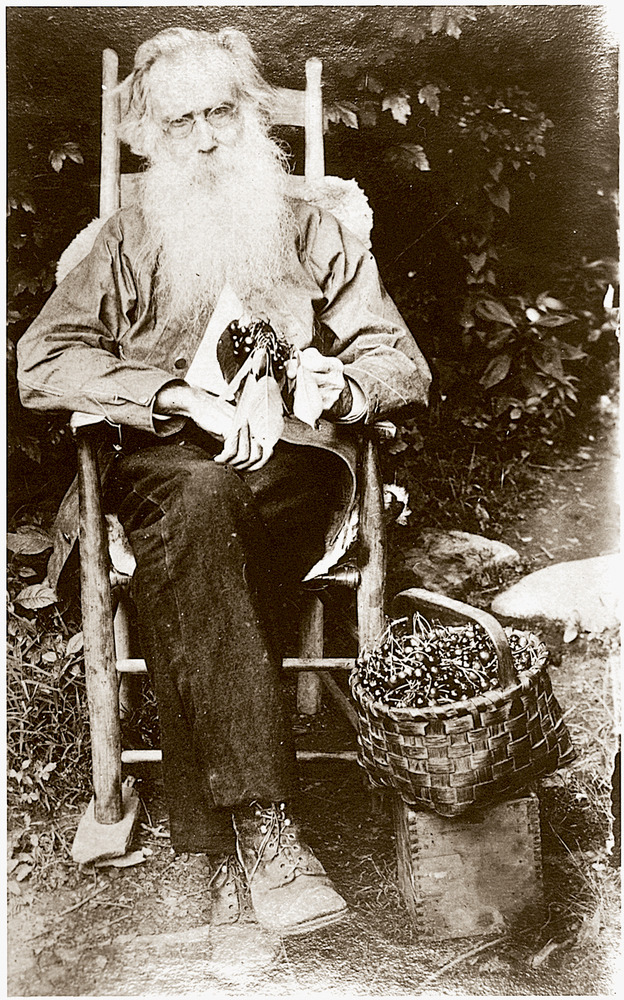
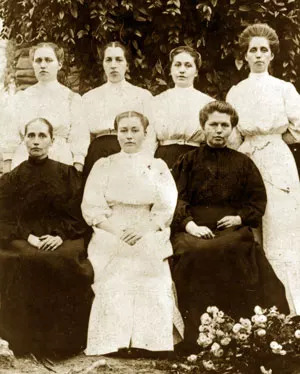
Margaret Jane, Mary Elizabeth ‘Polly,’ Martha Ann, Nancy Melinda, Louisa Susan and Hettie Rebecca remained on the family farm, which was fully in their hands after their father’s death in 1921. Martha and Polly were engaged to be married, but their fiancés both tragically died in work accidents.
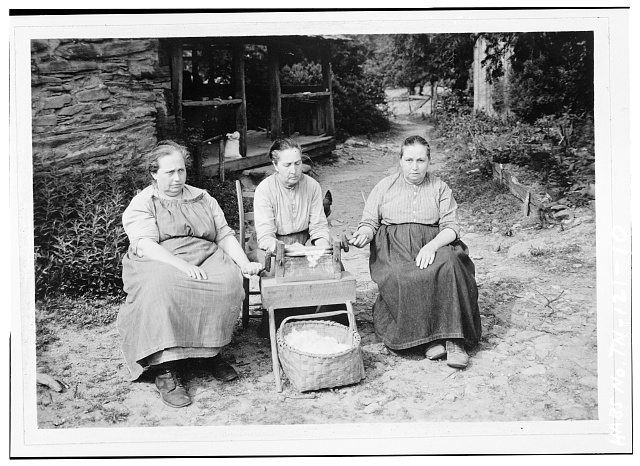
The sisters lived off the land and worked for what they had. They tended herb and vegetable gardens, raised sheep and hogs, spun and wove cloth, sewed clothing and preserved food by pickling, smoking and salting.
When Congress authorized the Great Smoky Mountains National Park in 1926, land buyers began negotiating for private property across the region, including the Walkers’ 122-acre farm.
The sisters resisted several offers. A NPS report says they worked with an attorney and asked for $7,000 after a 1939 appraisal of $5,466. Faced with condemnation, they ultimately accepted $4,750 and a lifetime lease.
The lifetime lease came with limits. Park rules barred hunting, fishing and grazing livestock. Tourists also began visiting what became known as Five Sisters Cove.
The National Register notes that the sisters were “at first suspicious and shy” around park visitors, but they gradually warmed to them. They even made souvenirs to sell, including tiny baskets, toys, crocheted doilies and fried apple pies.
By the mid-1940s, the sisters had become part of the Smokies visitor experience. A 1946 Saturday Evening Post feature invited readers to “spend a leisurely autumn afternoon with the Walker sisters” in Little Greenbrier Cove. The article described visitors gathering around the kitchen fireplace while beans simmered over hickory logs and bread baked on the hearth.
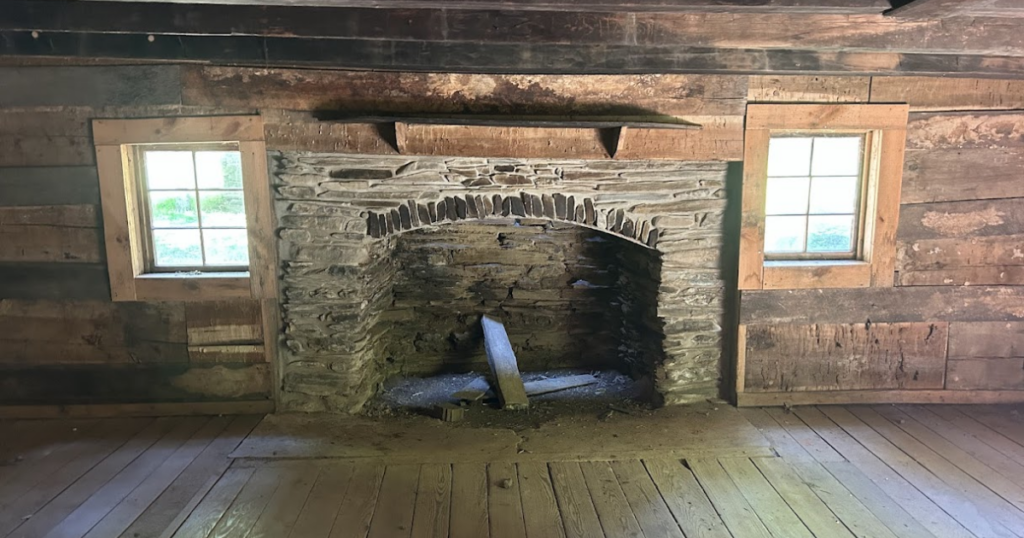
It framed the Walkers’ lifestyle as practical, not primitive. “Why, they reason, should anyone want to worry about changes and improvements when the ground is so fertile, one of their two cows is always fresh, their spring flows freely, and heavy forests around them provide all the fuel they need?”
Polly died in 1945, Hettie in 1947 and Martha in 1951. By 1953, only Margaret and Louisa remained at the homestead. With more work than the two could manage alone, they wrote to the park superintendent and asked that the sign directing visitors to their homesite be removed.
“We are not able to do our work and receive so many visitors, and can’t make [souvenirs] to sell like we once did and people will be expecting us to have them, last year we had so many people it kept us [busy] from sun up till sun down,” the sisters wrote.
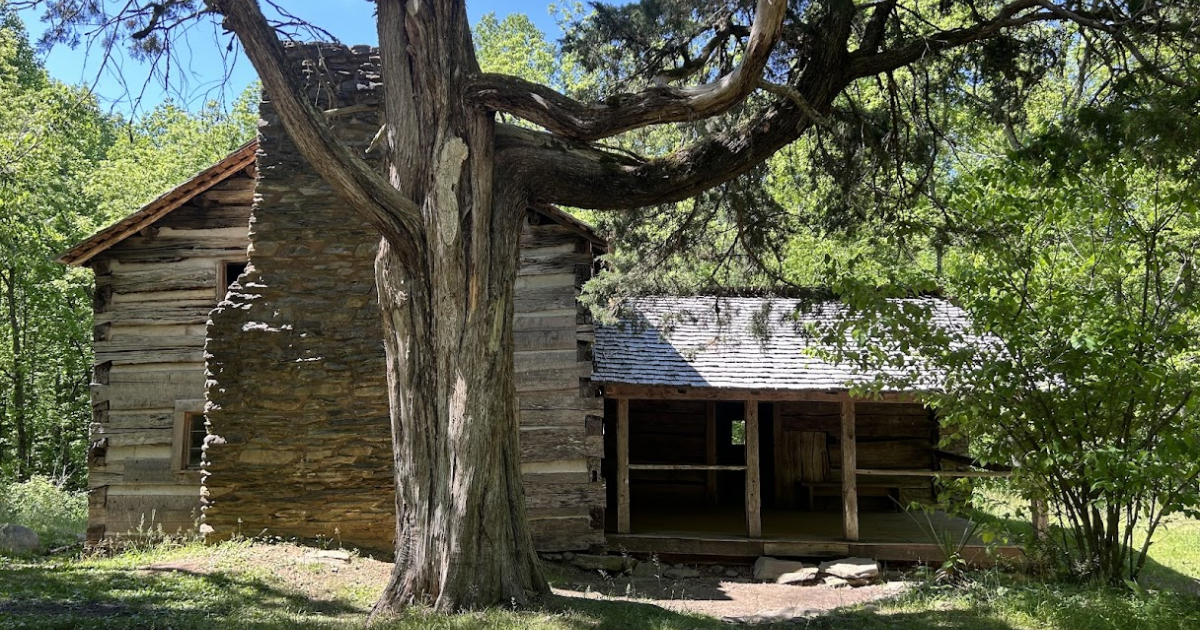
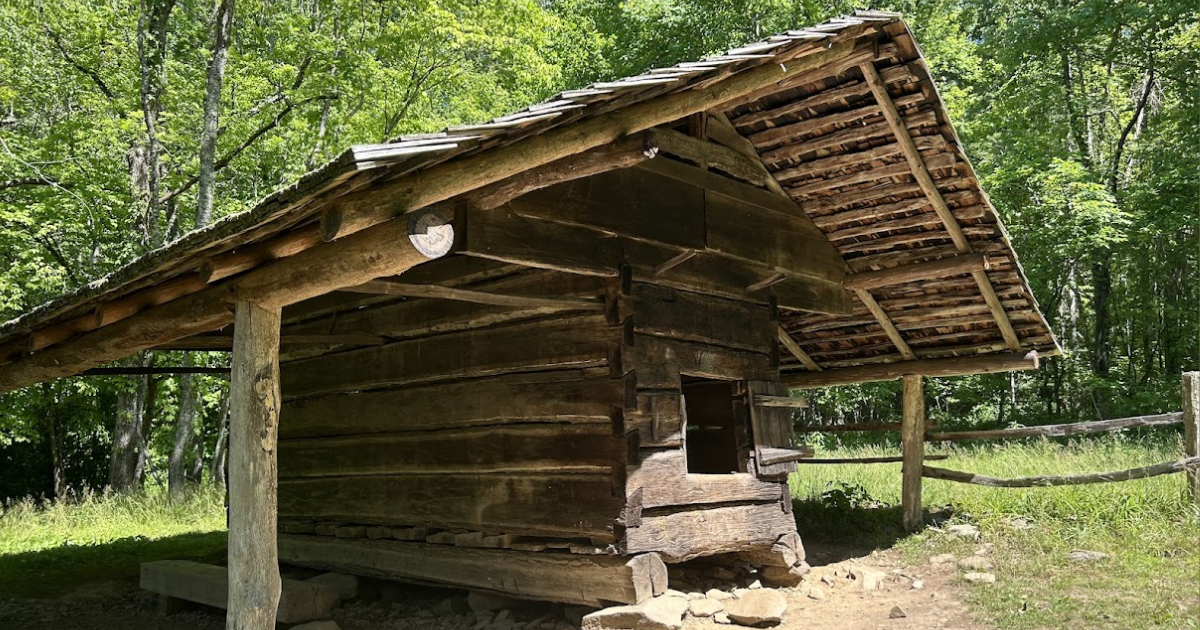
The Walker sisters’ three-room, two-story log home in Little Greenbrier still stands at the end of the old roadbed that once brought visitors to their door. Some of their belongings are preserved in Townsend at the park’s Collections Preservation Center.
Born and raised in Maryville, Tennessee, with roots tracing back to Cades Cove, Emily Huffstetler is a proud Maryville College graduate and storyteller of the Greater Smokies region.