
Jul 16, 2026
Visit Blount County’s Two Civil War Trails Stops
Written by: Emily Huffstetler
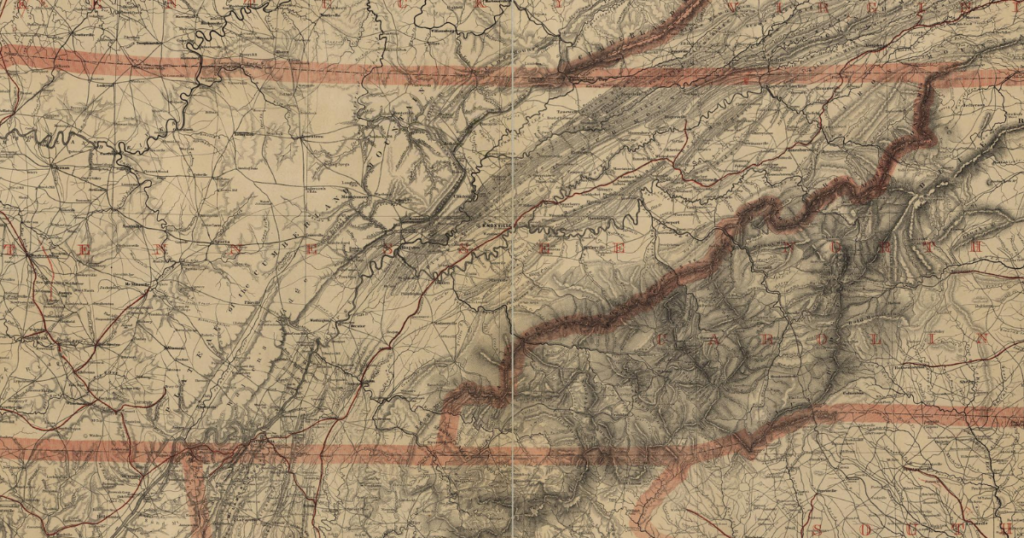
Two Tennessee Civil War Trails markers stand about 10 miles apart in Blount County.1 One tells of a hidden cave used to shelter people seeking freedom and safety. The other marks a Confederate attack that sent fire through downtown Maryville.
Together, the stops reflect the strong Union loyalty that put Blount County, like much of East Tennessee, at odds with the statewide vote.2 Although Tennessee voted to leave the Union in 1861, the Maryville marker records Blount County’s vote as 1,766 against secession and 414 in favor.1
Civil War Trails connects more than 1,500 sites across six states. Rather than focusing only on major battlefields, the program places markers in the communities where the war unfolded. Its maps help visitors follow those stories from one stop to the next.3
The Underground Railroad in Friendsville
“The Underground Railroad” marker stands outside the Friendsville Friends Meeting at 503 W. Hill Ave. Quakers began settling near present-day Friendsville in the 1790s. During the Civil War, members of the meeting helped enslaved people seek freedom, guided Union supporters and conscientious objectors north and raised money for escape efforts.1,4
The marker names William J. Hackney, who began using a nearby cave after the Confederate Conscription Act passed in 1862.4 In his 1895 book, Southern Heroes; or, The Friends in War Time, Fernando G. Cartland described Hackney as a leading member of the Friendsville meeting who opposed secession and conscription. The cave sheltered men avoiding Confederate service and others who opposed the Confederacy.5
Beside a lightly traveled road, boulders, brush and fallen branches concealed an entrance barely large enough to crawl through. Beyond it, the cave opened into a chamber that could hold about 50 people. Hackney brought in bedding and provisions, while his wife prepared food for those hiding inside.5
When conditions allowed, Hackney guided groups west at night to another Underground Railroad station. He then returned home to prepare for new arrivals. The 1895 account credits him with helping more than 2,000 people, though the figure was published about 30 years after the war.5
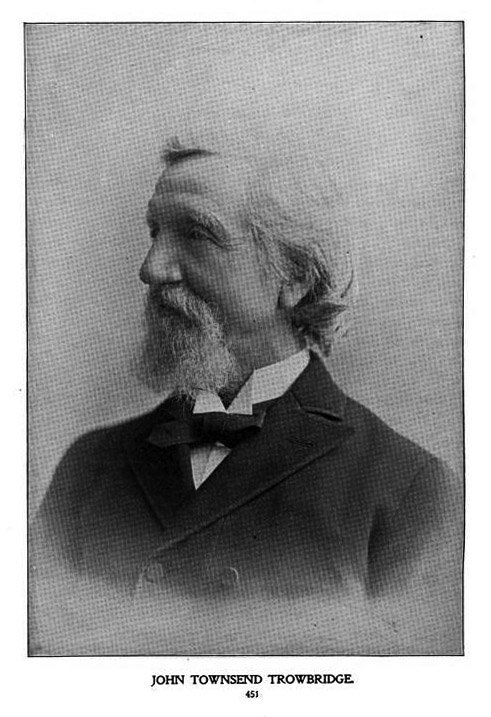
After the war, the Friendsville cave became associated with John Townsend Trowbridge’s antislavery novel Cudjo’s Cave. Set in a fictional East Tennessee community, the book follows Union supporters and two men who escaped slavery as they hide from Confederate forces. Trowbridge wrote the novel before visiting East Tennessee, and the association developed later through local tradition.6,7
The cave lies across the creek from the meetinghouse but is not publicly accessible.7
Maryville During the Civil War
“Maryville During the Civil War” marker stands in Bicentennial Greenbelt Park near downtown Maryville.8 The marker begins with Blount County’s antislavery history. Residents organized an abolitionist society in 1822, and local ministers continued speaking against slavery before the war.1
In August 1864, a small detachment of the 2nd Tennessee Infantry (U.S.) under Lt. James M. Dorton was stationed at the Blount County Courthouse. Confederate cavalry under Gen. Joseph Wheeler entered Maryville and attacked the Union position at the courthouse.1
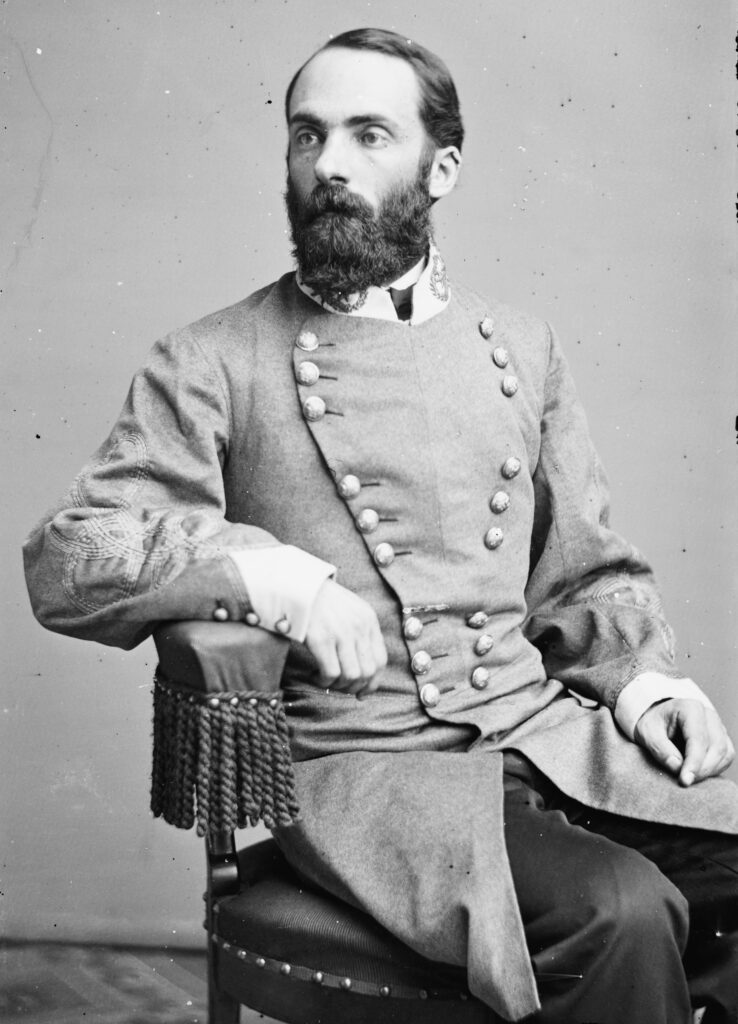
When Dorton refused to surrender, Confederate troops set nearby buildings on fire to force the soldiers out. The courthouse survived but sustained structural damage, while flames destroyed many surrounding buildings.8,9,10 The Union detachment eventually surrendered.8 By the end of the attack, flames had destroyed about half of Main Street, now Broadway.10
The Maryville stop also tells the story of Polly Toole, a formerly enslaved woman who saved Blount County’s public records from the fire. County Clerk Washington L. Dearing had moved the records from the occupied courthouse to James Toole’s store across Main Street. As the fire reached the store, Polly Toole carried the records to safety.8
Visitors can find the marker along the greenway in Bicentennial Greenbelt Park.8 The Civil War-era courthouse stood at Cusick and Main streets, where Broadway runs today.10
Visit CivilWarTrails.org to explore the full network and plan a route to Blount County’s two stops.
Born and raised in Maryville, Tennessee, with roots tracing back to Cades Cove, Emily Huffstetler is a proud Maryville College graduate and storyteller of the Greater Smokies region. She holds a Master of Science in Conservation Education from Mississippi State University.
________________________________________________________________________________________________________
1 Tennessee Civil War Trails Program — Installation Sites and Descriptions
2 Tennessee Encyclopedia — Civil War
3 Civil War Trails — 1500+ Civil War Stories to Discover
4 “The Underground Railroad” Marker — Photograph and Transcription
5 Fernando G. Cartland — Southern Heroes; or, The Friends in War Time
6 John Townsend Trowbridge — Cudjo’s Cave
7 American Battlefield Trust — Cudjo’s Cave
8 “Maryville During the Civil War” Marker — Photograph and Transcription
9 City of Maryville — History of the City of Maryville
10 Tennessee Department of Tourist Development — Maryville College