
Jul 31, 2026
The Pink Marble History Beneath Friendsville
Written by: Emily Huffstetler
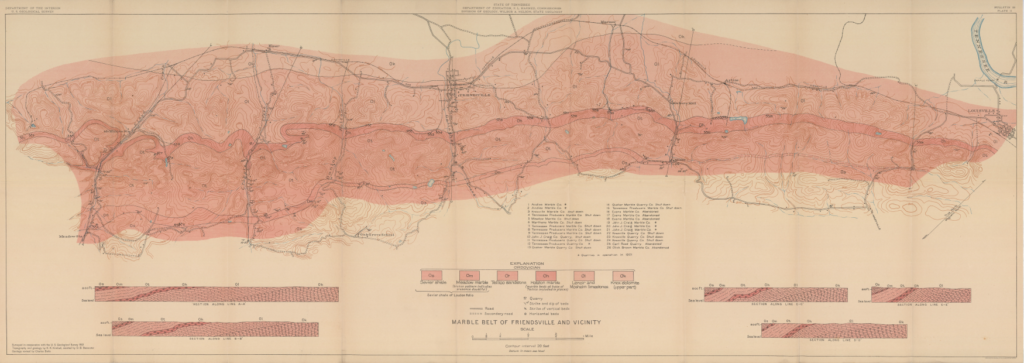
On a 1924 map of western Blount County, 26 quarry sites crowd the countryside around Friendsville. Together, they trace a belt of stone stretching roughly 16 miles from the former community of Morganton toward Louisville.1,2
Many of the buildings that once supported the industry are gone. Much of the stone also left Blount County before it was polished, carved or installed, so Friendsville was often left out of the story.1,4,5
Despite its name, Tennessee marble is limestone rather than true marble. Its color, durability and ability to take a high polish made its pink, rose, red and brown varieties popular for floors, walls, stairways and other architectural details.3
An Industry Takes Shape
Commercial quarrying took hold in western Blount County after the Civil War. John J. Craig Company became one of the area’s leading producers.1,4
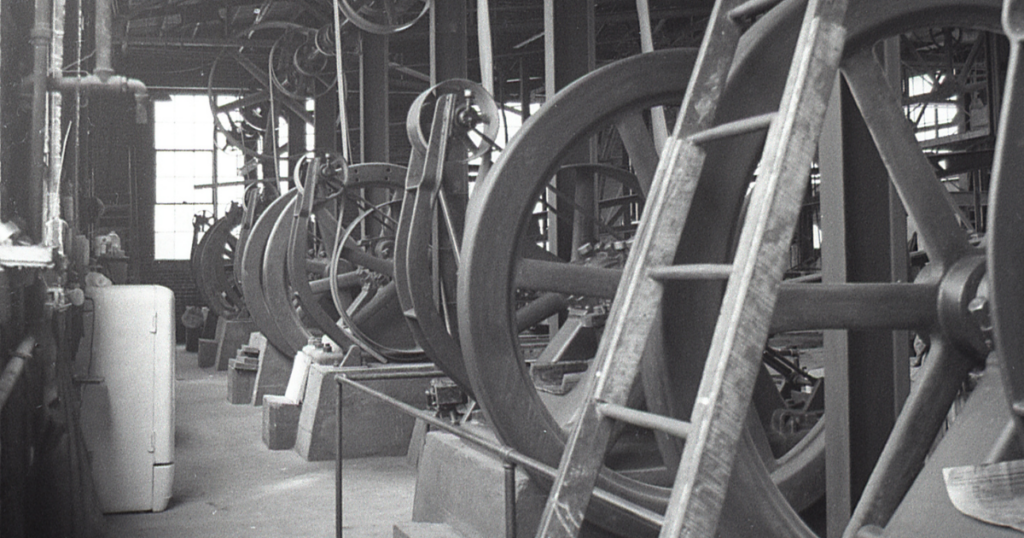
John J. Craig entered the marble business in 1878. His company opened its main Friendsville quarry in 1896 and, by 1903, had built a tram road connecting the property to the railroad. A mill equipped with eight gang saws processed stone sold as Pink Tennessee and Dark Cedar.1,4
Railcars carried Craig stone to New York, Chicago, Houston, St. Louis and San Francisco. The company also sold marble overseas, including to buyers in Italy and Australia.1,4
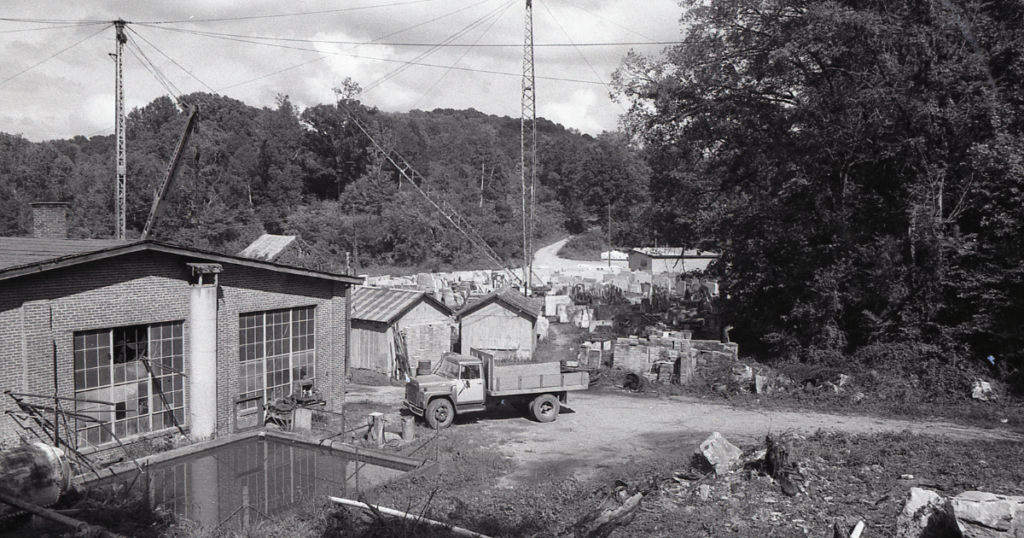
In 1926, Craig expanded the site with a brick gangsaw building, an employee commissary and worker housing. Steel derricks lifted blocks from the pit, while belt-driven saws cut them for shipment.1
Where Friendsville’s Name Disappeared
The Friendsville quarries supplied raw material, but much of the finishing happened in Knoxville.4,5
In 1914, Craig and several business partners established Candoro Marble Company in South Knoxville. Candoro handled milling, finishing and shipping for a network of quarry operations that included Craig’s Blount County properties.4,5
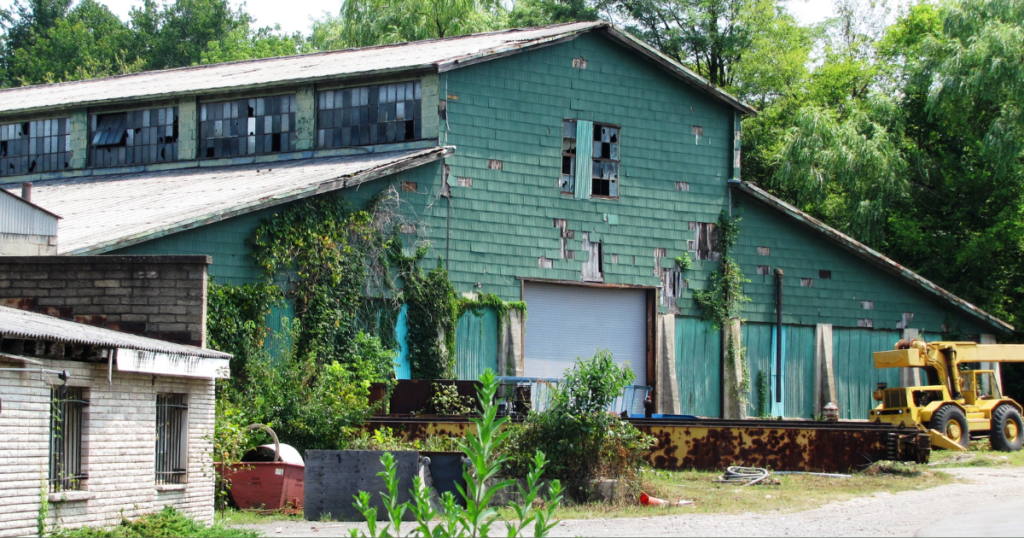
Craig maintained a local presence, too. In the late 1930s, the company converted a former bank near the Friendsville railroad tracks into an office and showroom with marble floors and wainscoting.4
After the stone left Friendsville, records might name only the company that finished it or identify it simply as “Tennessee marble.”4,5
From the Marble Belt to National Landmarks
The National Register nomination for the Craig quarry credits its Friendsville operation with interior marble used in the National Gallery of Art’s West Building in Washington, D.C. The project drew on three East Tennessee companies and stone from several quarries.1,4
The local industry remained active well after the Gallery opened in 1941. Blount County had eight working marble quarries in 1962. At six of those sites, crews were extracting stone for a new Smithsonian building that became the Museum of History and Technology, now the National Museum of American History.4
One of the clearest Friendsville connections came from the Endsley Quarry. Tennessee Valley Marble supplied stone for the First Amendment tablet installed on the Newseum’s 74-foot-tall Pennsylvania Avenue facade. Crews quarried 278 tons to obtain 50 tons with a consistent appearance.6
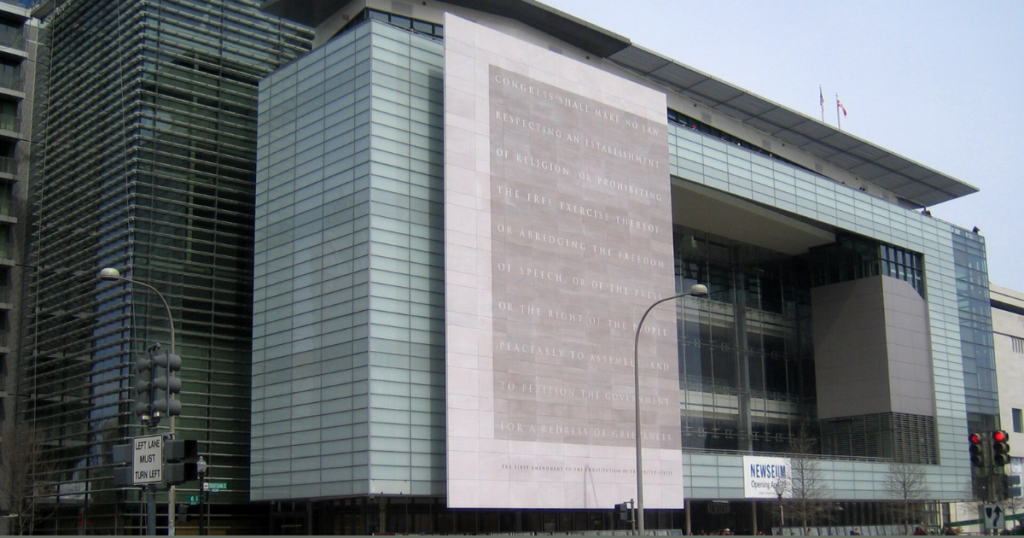
After the Newseum closed, the tablet was moved to the National Constitution Center in Philadelphia. Installation was completed in January 2022.7
The Industry Continues
By the late 20th century, many of East Tennessee’s historic marble companies had closed. The Craig family retained its Friendsville quarry property until 1982.1,4
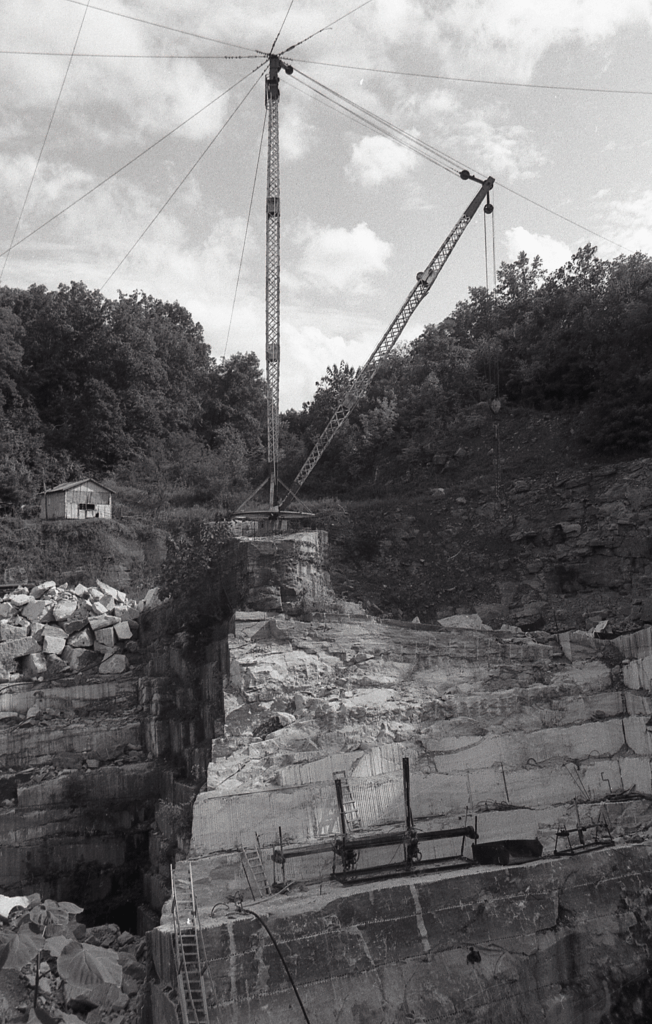
The modern Tennessee Marble Company was founded in 1993. It is separate from an earlier company that operated under the same name during the mid-20th century.4,9
The company supplied Tennessee Dark Rose marble during Grand Central Terminal’s 1990s restoration.8 In 2007, it acquired Tennessee Valley Marble’s assets, including additional quarry and mineral rights.9

In 2014, the company purchased 70 acres associated with the historic Craig property, joining that land with its Brown Quarry holdings along the marble belt. Tennessee Marble Company also operated the Endsley Quarry as a source of Dark Pink marble.10
In November 2025, Raider Quarries LLC, an affiliate of Silvara Stone, acquired Tennessee Marble Company’s operational assets. The new owners announced plans to continue supplying the company’s established marble varieties and fabricating custom stone projects.11
Today, marble is still quarried and fabricated in Friendsville, more than a century after the area became one of East Tennessee’s major centers of production.10,11
For a more comprehensive look at where Tennessee marble has been used around the world, visit the Tennessee Marble Company’s project directory.
Born and raised in Maryville, Tennessee, with roots tracing back to Cades Cove, Emily Huffstetler is a proud Maryville College graduate and storyteller of the Greater Smokies region. She holds a Master of Science in Conservation Education from Mississippi State University.
_________________________________________________________________________________________________________
1 National Park Service — John J. Craig Quarry Historic District National Register Nomination
4 National Park Service — Marble Industry of East Tennessee, ca. 1838–1963
5 National Park Service — Candoro Marble Company Showroom and Garage National Register Nomination
6 Knoxville News Sentinel — “Newseum Showcases Tennessee Pink Marble”
7 National Constitution Center — “50-Ton First Amendment Tablet From Newseum Façade Now on Display”
8 Tennessee Marble Company — Grand Central Terminal
9 Stone World — “Tennessee Marble Co. Acquires Tennessee Valley Marble”
10 Stone World — “Tennessee Marble Continues to Make History”
11 Stone World — “Tennessee Marble Company Under New Ownership”