
Oct 23, 2026
The Phantom Cat of Cades Cove
Written by: Emily Huffstetler
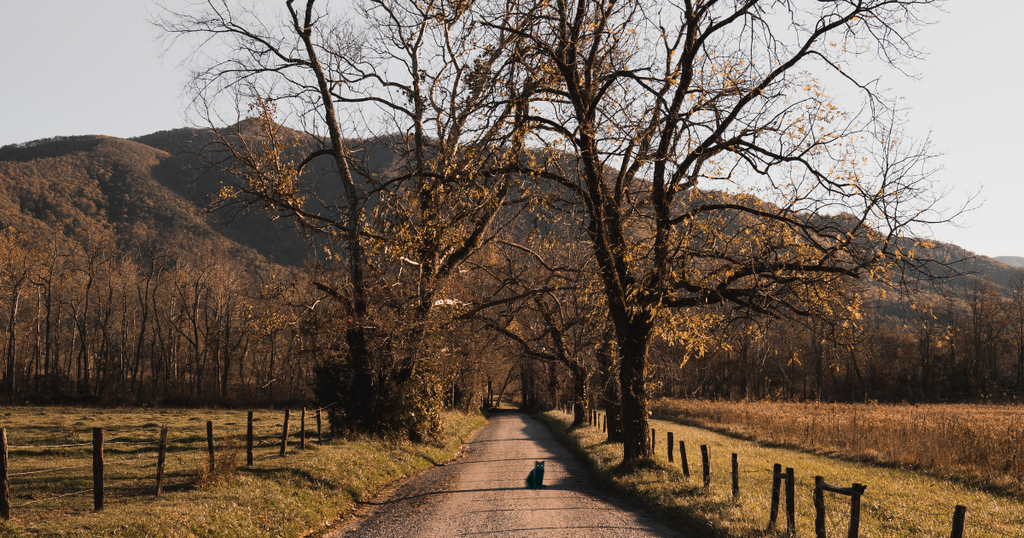
As the story goes, a man was chased all the way to his front porch by a mysterious cat. Exhausted from running, he stopped to catch his breath. Then, the cat spoke.
“Some footrace we had.”
The man wasn’t interested in conversation. He replied, “Not like the one we’re going to have,” and took off running again.
This peculiar tale was once part of Cades Cove’s oral tradition. Similar stories circulated across the South, and some versions were considerably stranger.
Storytelling in Cades Cove
Historian Durwood Clay Dunn preserved the story in his 1976 University of Tennessee dissertation, Cades Cove During the Nineteenth Century.
Dunn had close family ties to Cades Cove. His grandfather, John W. Oliver, was born there in 1878, and Dunn grew up hearing former residents share stories about life in the mountain community.
Passed down by word of mouth, many of these tales had no clear origin. Some were meant to scare listeners, while others were told for fun. The phantom cat was a favorite to share with children.
The Phantom Cat Across the South

The phantom cat appeared in print long before Dunn documented the Cades Cove version. In 1905, W. T. Latham of Webster Springs, West Virginia, shared a version in The Bulletin. Fittingly, the magazine was published by a lumbermen’s organization that used a black cat as its emblem.
Latham’s tale followed two lumbermen who came upon an isolated cabin along the Gauley River. A local warned them that the cabin was haunted, but one of the men dismissed the warning and wagered $25 against the man’s rifle that he could spend the night there alone.
Around 9 p.m., a large black cat appeared beside the fire and began talking. The lumberman grabbed his hat and fled into the woods, eventually tripping over a log. When he got up, the cat was standing on the log, smiling.
“Stranger, that was a hell of a race we had.”
The lumberman took off again.
In 1919, folklorist Tom Peete Cross published another version in Witchcraft in North Carolina. This time, a man accepted a wager to spend the night in a haunted house, where he encountered a black cat with eyes that looked like moons.
The man escaped through a window, taking the sash with him, and ran until he could go no farther. When he stopped to rest on a roadside log, the cat was already sitting at the other end.
“That was a right good race we had,” it remarked.
Cross also noted an earlier version from Guilford County and another popularized by entertainer Polk Miller throughout eastern Virginia and North Carolina.
The Headless Cat

The story took an even stranger turn in Foxfire 2, published in 1973. The book was part of the Foxfire project, which began in the 1960s when students in northeast Georgia started interviewing Appalachian residents about daily life and folklore.
One of those storytellers, Ethel Corn, recalled a tale about a hitchhiker looking for somewhere to spend the night. Someone offered him a place to sleep but warned that the house was haunted. The traveler dismissed the warning and decided to stay anyway.
Later that night, he heard cats moving around the house. Suddenly, one jumped onto his bed.
This particular cat had no head.
The traveler fled down the road, running until he thought he’d put enough distance between himself and the house. But when he finally stopped to rest, a voice beside him remarked on what a race they’d had.
He turned to find the headless cat sitting beside him.
Keeping the Stories Alive
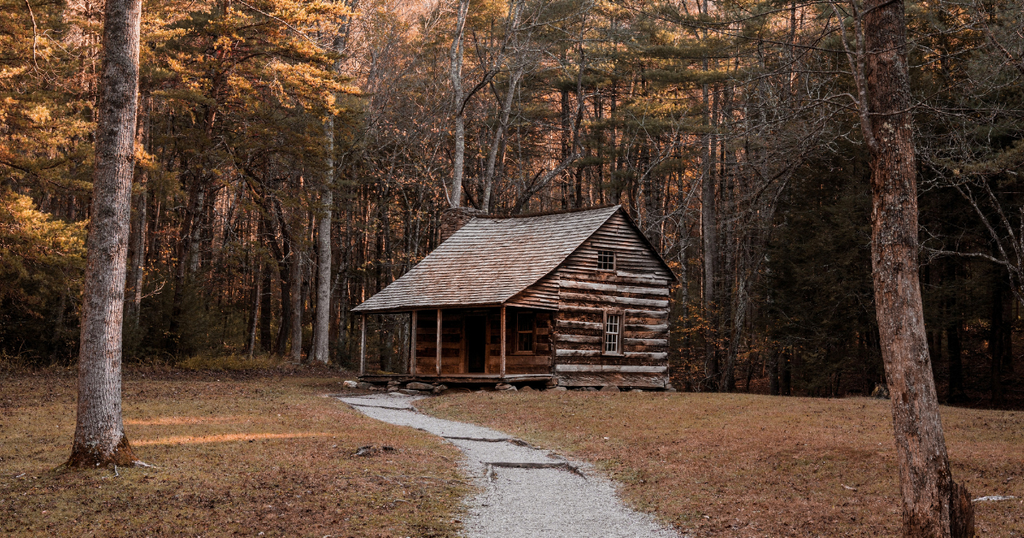
Cades Cove’s historic cabins, churches and mill remain, but the stories once shared among residents are harder to preserve.
Today, the Smoky Mountain Storytellers Association continues the region’s oral storytelling tradition through Appalachian folktales, personal narratives and more. On February 27, 2027, the Winter Heritage Festival in Townsend will feature Davis Family Storytelling with the association and a storytelling panel hosted by the Cades Cove Preservation Association.
Born and raised in Maryville, Tennessee, with roots tracing back to Cades Cove, Emily Huffstetler is a proud Maryville College graduate and storyteller of the Greater Smokies region. She holds a Master of Science in Conservation Education from Mississippi State University.