
Aug 5, 2026
Where the Water Goes: Cades Cove Wetlands
Written by: Emily Huffstetler
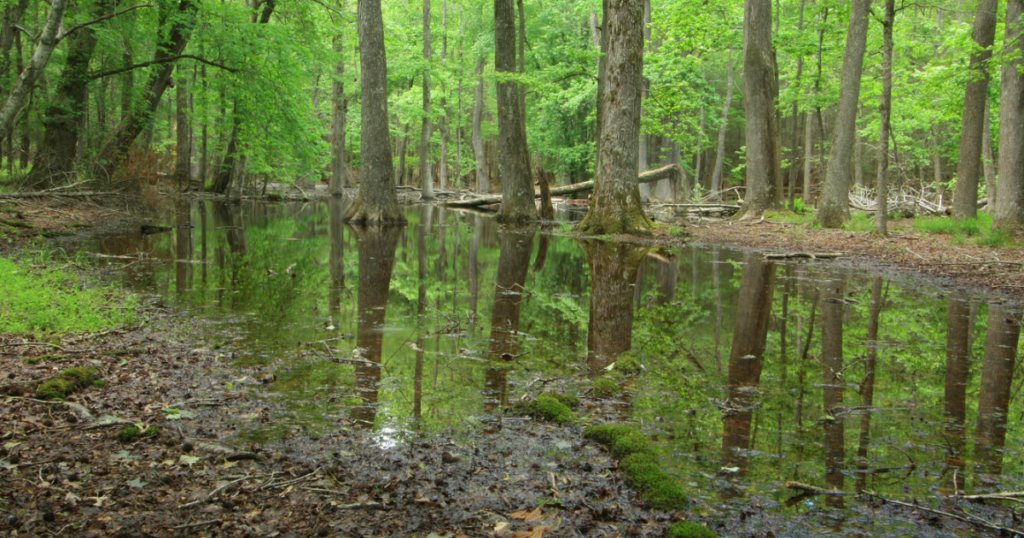
Cades Cove is one of the Smokies’ most familiar landscapes, but its wetlands receive far less attention.
Across the valley, water collects in several kinds of wetlands, including a seven-acre rush marsh, low-lying areas near Sparks Lane and the forested Gum Swamp.1,2 It may fill natural depressions, spread across the forest floor or disappear beneath tall vegetation.
Wetlands don’t need to stay flooded throughout the year. Some hold shallow water during rainy periods, then look grassy or dry as the water level drops. Even after the surface water recedes, wetland soils and plants remain.
Where to Find Wetlands in Cades Cove
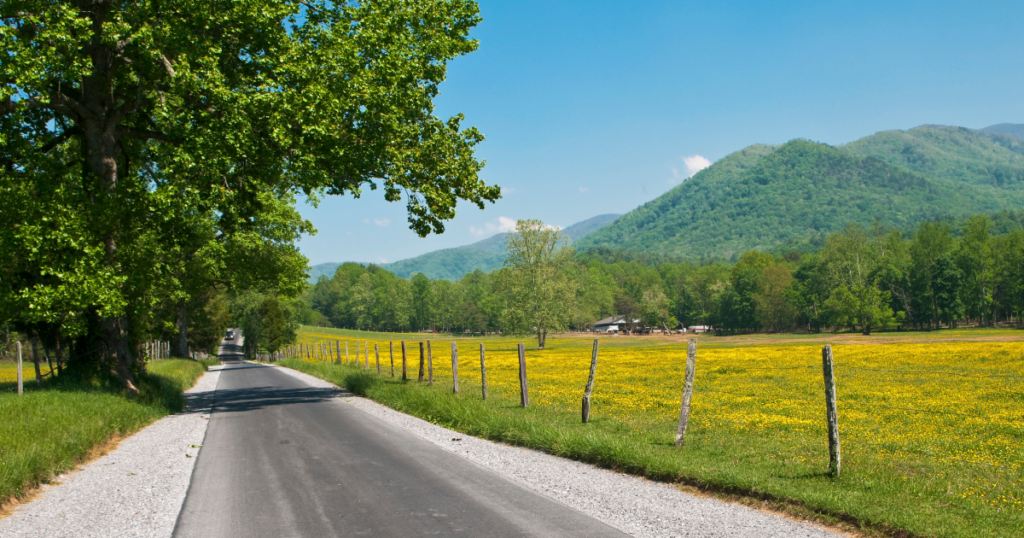
Sparks Lane offers a good place to start. Listen for frogs and check the low ground near the road, where tall vegetation may conceal shallow or seasonal water.1
Rushes and sedges can mark wetter ground after visible water disappears. A shallow depression may also hold water without forming a permanent pond or clear shoreline. Spring rain can cover ground that looks dry by late summer, so the same wetland may appear different from one visit to the next.
Elsewhere in the cove, Gum Swamp can be difficult to recognize from a distance. The canopy and ground vegetation obscure shallow pools that collect across a natural depression beneath the trees.2,3
Stay on roads and established paths while viewing these habitats. Foot traffic can compact saturated soil, damage plants and disturb animals that use the water for breeding or cover.
What Lives in Cades Cove Wetlands?
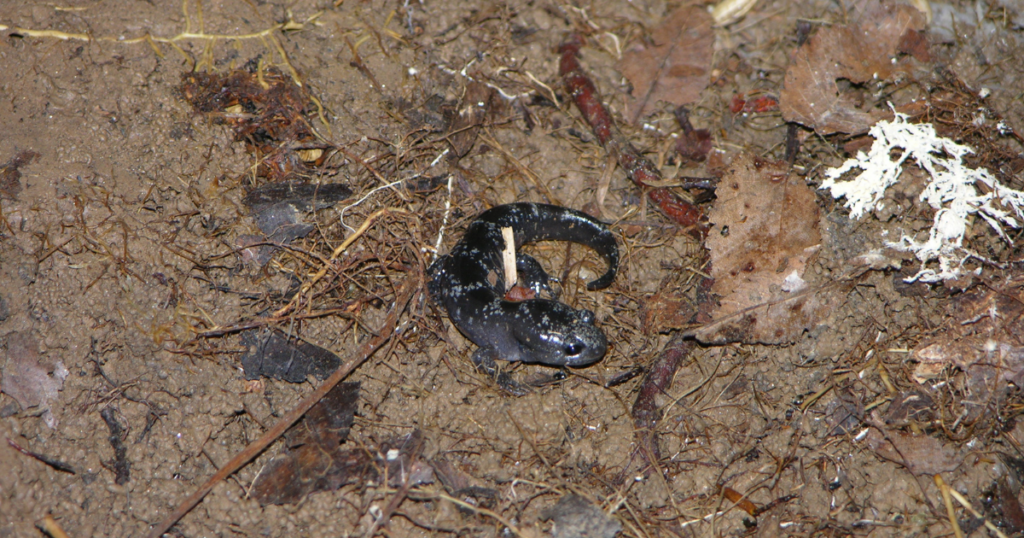
Frogs use Cades Cove’s seasonal wetlands for breeding. Some temporary pools function as vernal pools, remaining wet long enough for eggs to hatch and tadpoles to develop into young frogs before the water level drops later in the year.
The Smokies support 31 salamander species.4 They often live along streams or beneath rocks, logs and leaf litter where moisture remains available. Because they exchange gases and absorb moisture through their skin, salamanders are especially sensitive to changes in water quality and moisture.
Dragonflies depend on water during their early development. Their nymphs live below the surface before emerging as flying adults.
Many bird species, including Great Blue Herons, Green Herons, Wood Ducks and Red-winged Blackbirds, rely on Cades Cove wetlands, too.5 They use shallow water, forested wetlands or marsh vegetation for food and cover.
Why Do Wetlands Matter?
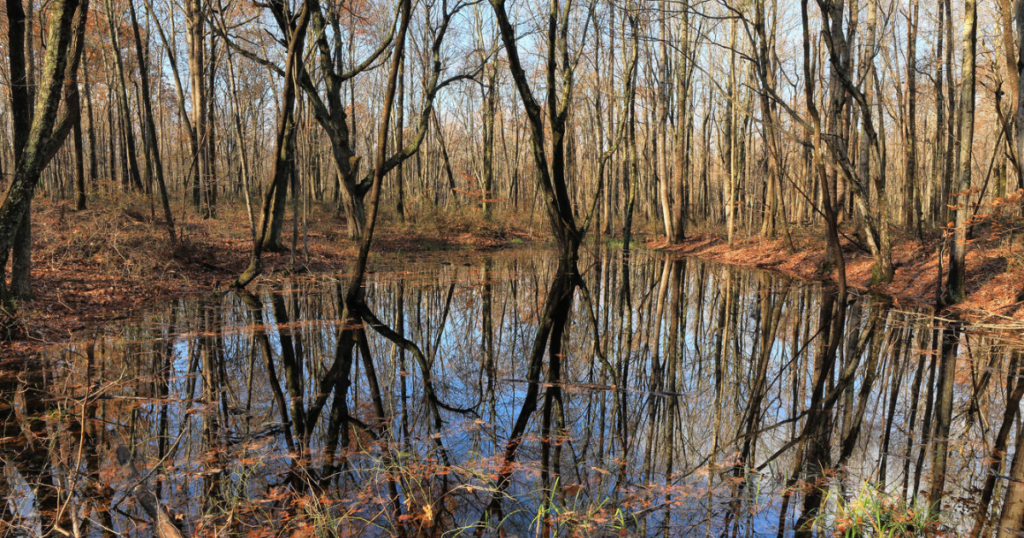
Wetlands cover less than 1% of Great Smoky Mountains National Park, but more than a quarter of its plant species grow in them. Eight percent of the park’s plant species occur only in wetland habitat.1
After heavy rain, their soil and vegetation hold water temporarily, reducing the amount that enters streams at once. As water passes through plants and soil, wetlands trap sediment and some pollutants. Slower runoff can reduce stream erosion and replenish groundwater.
Even a small wetland can support species that wouldn’t find suitable conditions in the surrounding fields or drier forests.
How People Changed Cades Cove Wetlands
Families farming Cades Cove dug ditches and drained wetlands to create more usable land. Their work redirected water across the valley and reduced wetland habitat.6
After the national park acquired the farms, managers continued to maintain large areas for cattle grazing and hay production. They planted European fescue in many of the fields, covering large areas with a single grass species. As a monoculture, the fescue offered less varied habitat and fewer food sources for wildlife.6
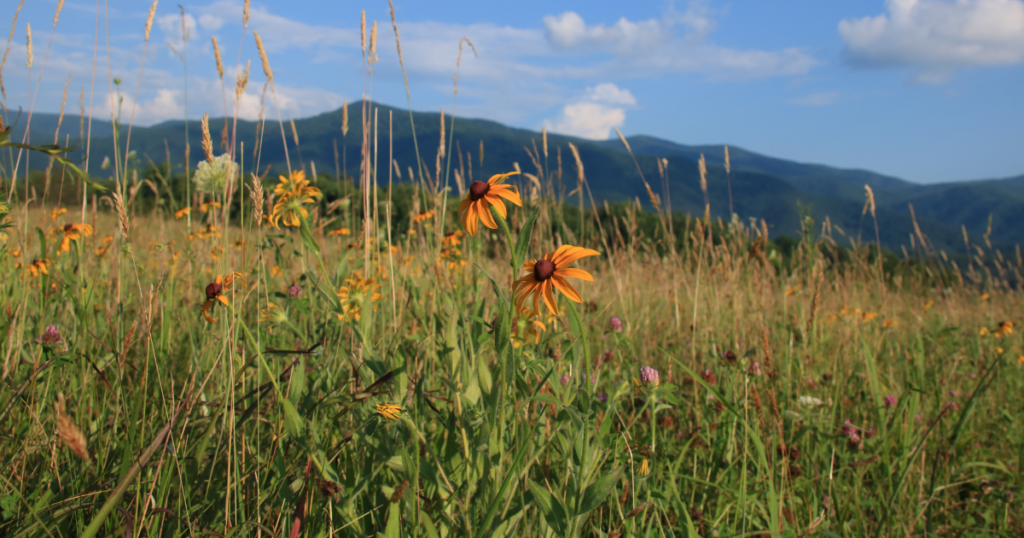
The cattle and hay leases expired in the late 1990s. Park crews then began restoring selected wetlands and planting native grasses and wildflowers. Since 2002, crews have collected native seeds, grown them in production fields and replanted them across parts of Cades Cove.6
Crews still mow some fields regularly and maintain others with native plantings and prescribed fire, depending on the goals for each section of the valley.6,7
Since 2010, a park-wide inventory has identified more than 600 wetlands, including marshes, floodplain forests and high-elevation seeps. Park managers use that information to guide restoration, manage invasive plants and monitor wetland habitat over time.1,2
Learn More: Townsend’s Wetland Display
Visitors can learn more at the Great Smokies Welcome Center in Townsend. A wall display installed in fall 2025 combines photographs with scientific illustrations to introduce four of the park’s 10 wetland types: beaver pond marshes, floodplain canebrakes, wet seepage meadows and Blue Ridge high-elevation seeps.8
Featured plants and animals include beavers, marbled salamanders, giant cane and grass of Parnassus. The welcome center is located at 7929 E. Lamar Alexander Parkway.8
Born and raised in Maryville, Tennessee, with roots tracing back to Cades Cove, Emily Huffstetler is a proud Maryville College graduate and storyteller of the Greater Smokies region. She holds a Master of Science in Conservation Education from Mississippi State University.
_________________________________________________________________________________________________________
1 National Park Service — “What’s in Our Wetlands?”
2 National Park Service — “Wetland Inventory Resource Brief”
3 U.S. Geological Survey — “Gum Swamp in Great Smoky Mountain National Park, Tennessee”
4 National Park Service — “Amphibians”
5 National Park Service — “Birds Checklist”
6 National Park Service — “Restoring Native Grassland Communities in Cades Cove”
7 National Park Service — “Prescribed Burn Planned in Cades Cove on January 7 and 8”
8 Smokies Life — “Photos, Illustrations Bring Overlooked Habitat to Life”