
Jan 17, 2025
Winter Flora and Fauna of the Smokies: A Field Guide
Written by: Emily Huffstetler
Winter in the Great Smoky Mountains National Park (GSMNP) offers a unique perspective on the region’s rich biodiversity. While many visitors associate the park with its vibrant spring and summer blooms, the winter months reveal a quieter, more serene side, with a surprising amount of flora and fauna still thriving in the colder weather.
Flora
The GSMNP is home to over 1,500 species of flowering plants, earning its nickname as the “Wildflower National Park.” During the winter months, a few of these species can still be spotted, including the early-blooming ephemeral flowers.
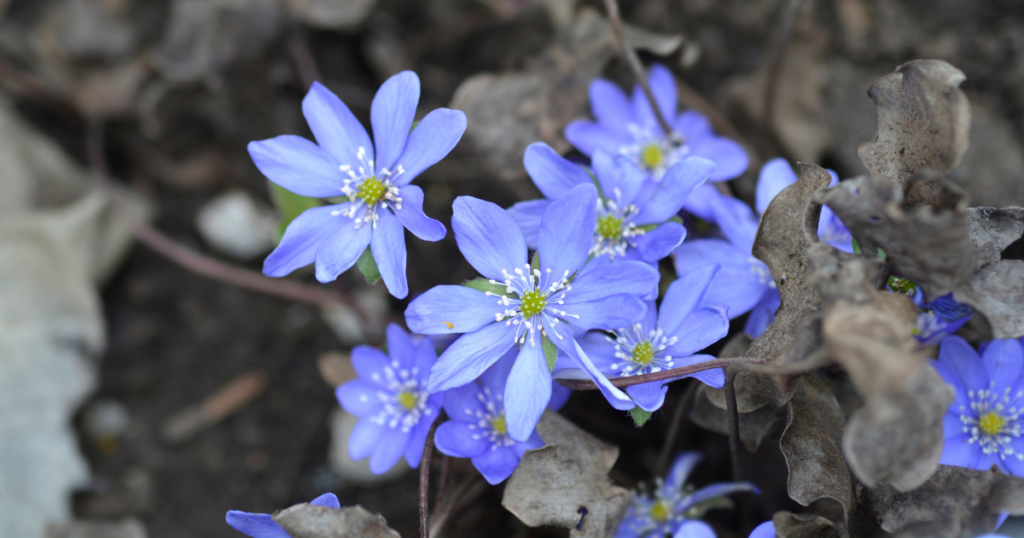
These delicate blooms, such as hepaticas (liverworts), begin to flower as early as February, taking advantage of the abundant sunlight that reaches the forest floor through the leafless trees. Their blue, white, purple and pink shades are some of the few bursts of color in the winter landscape. To find them, explore the park’s recommended wildflower walks.
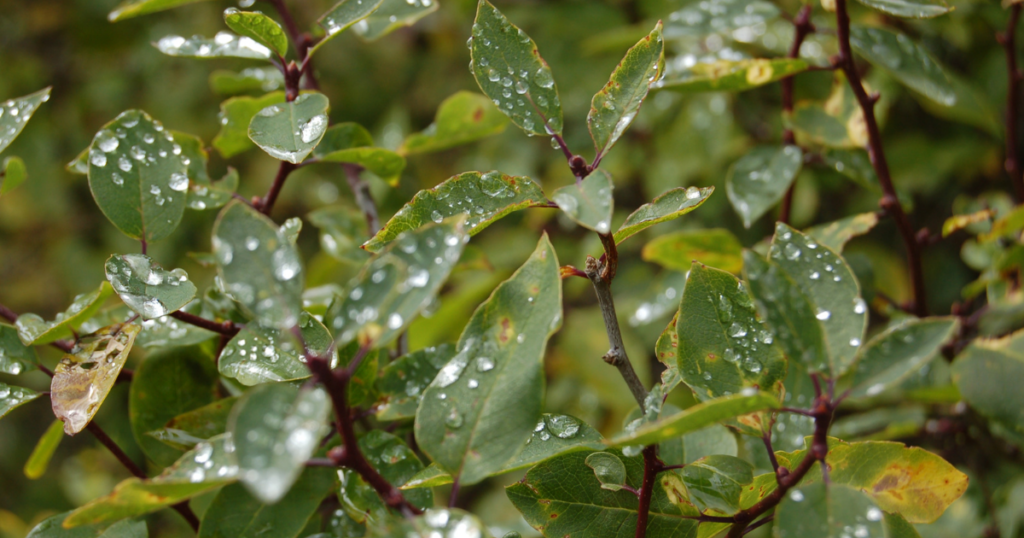
While Mountain Laurels don’t bloom until late May or early June, their glossy evergreen leaves provide year-round beauty. The Laurel Falls Trail, the most popular hike in the Smokies, offers views of this iconic shrub. This paved 2.6-mile roundtrip trail leads to an 80-foot waterfall.
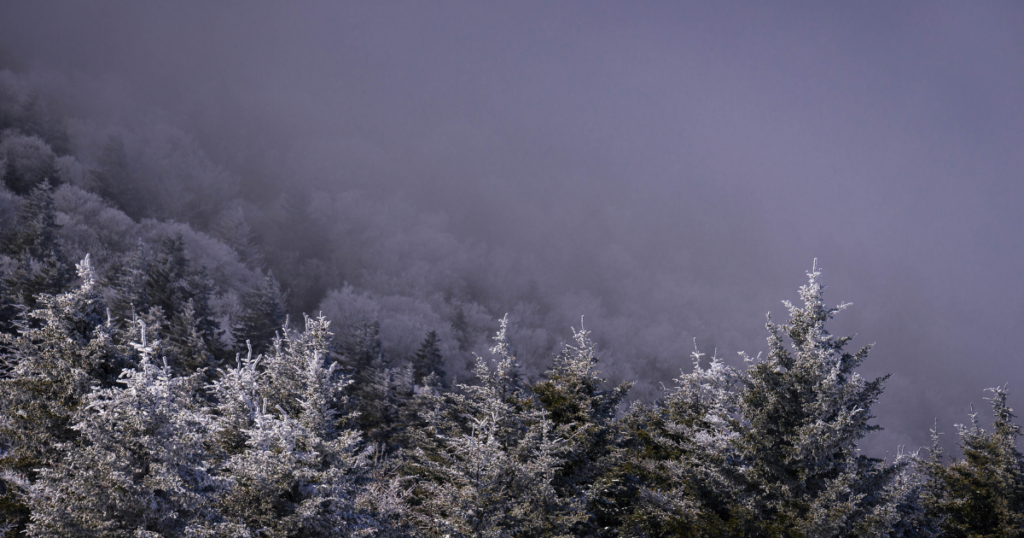
The Smokies also has an abundance of evergreen trees, including red spruce and Fraser firs. Spruce-fir forests are found exclusively at the park’s highest elevations.
While red spruce are common across North America, Fraser firs are unique to southern Appalachia. Roughly 80% of the park’s Fraser firs were lost to a European parasite introduced in 1900, but a recent study shows their population has rebounded in recent decades, with numbers tripling on Kuwohi, Tennessee’s highest peak. You can appreciate these resilient trees on the Spruce-Fir Nature Trail, a short and scenic 0.35-mile loop.
Fauna
Winter in the Smokies is an excellent time for wildlife observation, as the lack of foliage provides clearer views. Cades Cove, with its open meadows and forests, is a prime spot for animal sightings. The 11-mile Cades Cove Loop Road offers easy access to the area, open from sunrise to sunset.
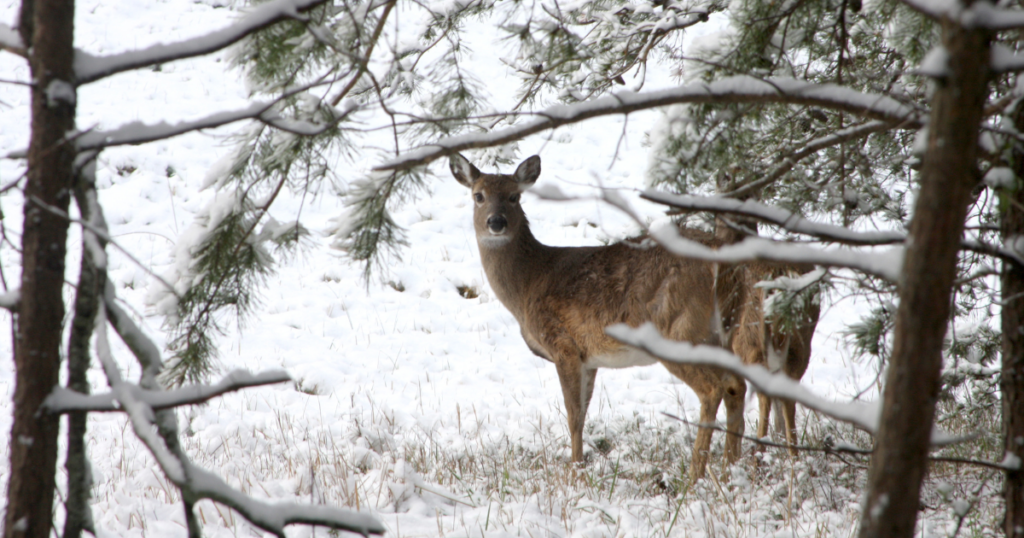
There, it’s quite common to see white-tailed deer prancing across the meadows. They may also venture deeper into the forest, as food is scarcer.
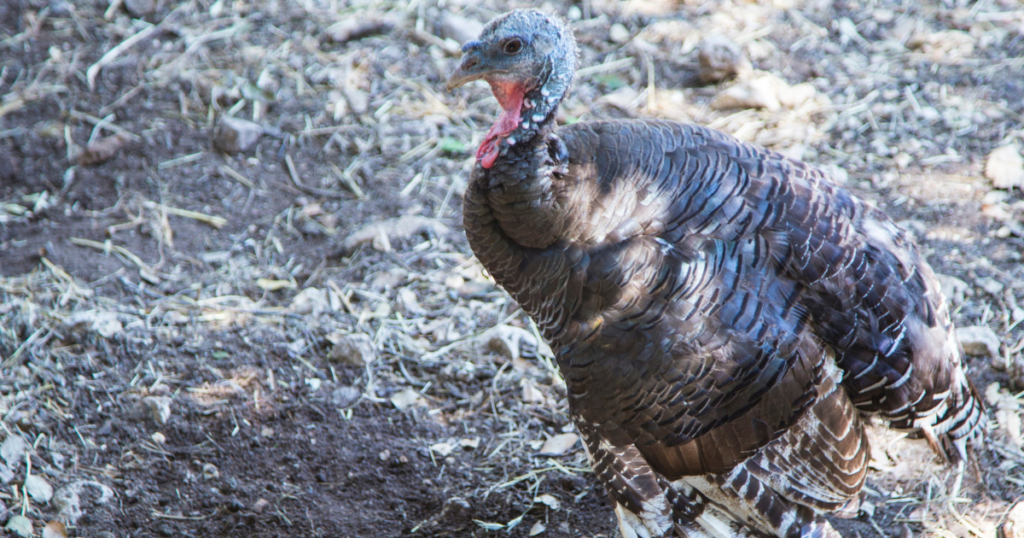
Wild turkeys, the biggest birds in Cades Cove, are also hard to miss, as their population is at a historic high.
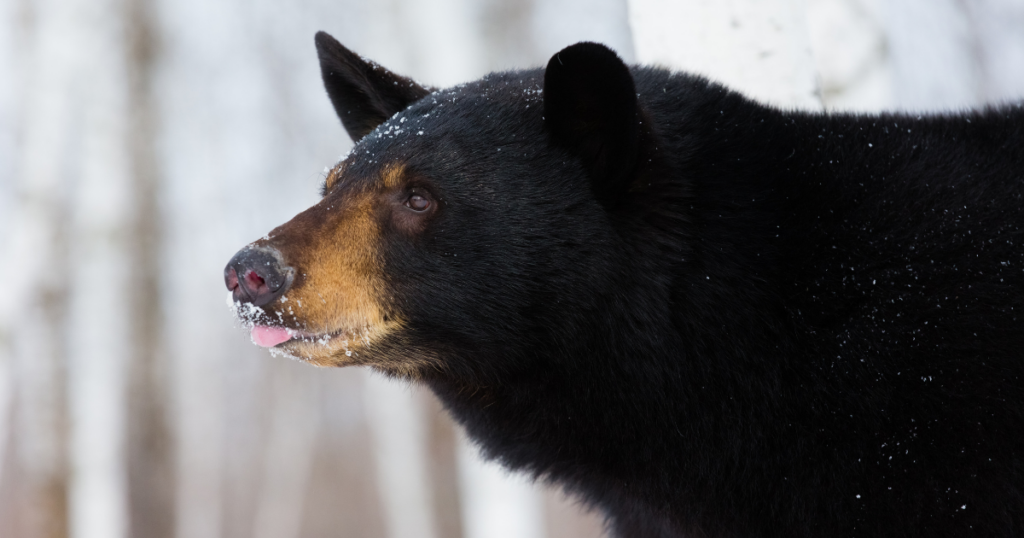
Although black bears spend most of the winter hibernating, warmer days might bring them out to search for food.
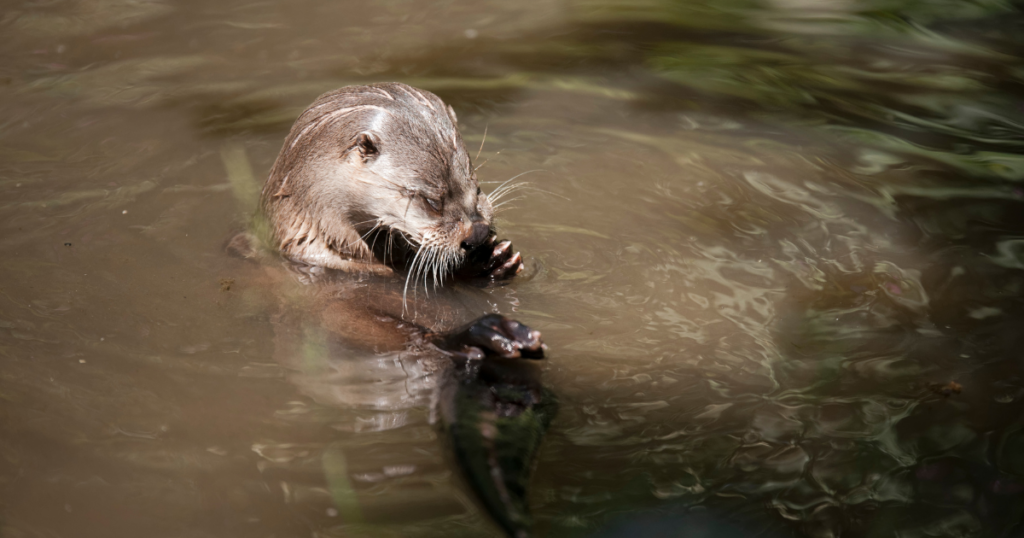
If you visit the creek, you may see otters, even in colder months. The Cherokee name for Cades Cove, Tsiyahi, translates to “Otter Place.” Once nearly hunted to extinction in the 1920s, otters were reintroduced to the area in the 1980s and have made an impressive comeback. Abrams Falls, a 5-mile roundtrip hike near Cades Cove, is known for frequent otter sightings.
Will you venture to the Smokies this winter? Share your favorite flora and fauna photos with us on social media (@peacefulsmokies).
__________________________________________________________________________________________________________________________________
Born and raised in Maryville, Tennessee, with roots tracing back to Cades Cove, Emily Huffstetler is a proud Maryville College graduate and passionate storyteller of the Greater Smokies region.