
Sep 17, 2026
The Peaceful Side in 1926: 100 Years Ago in the Smokies
Written by: Emily Huffstetler
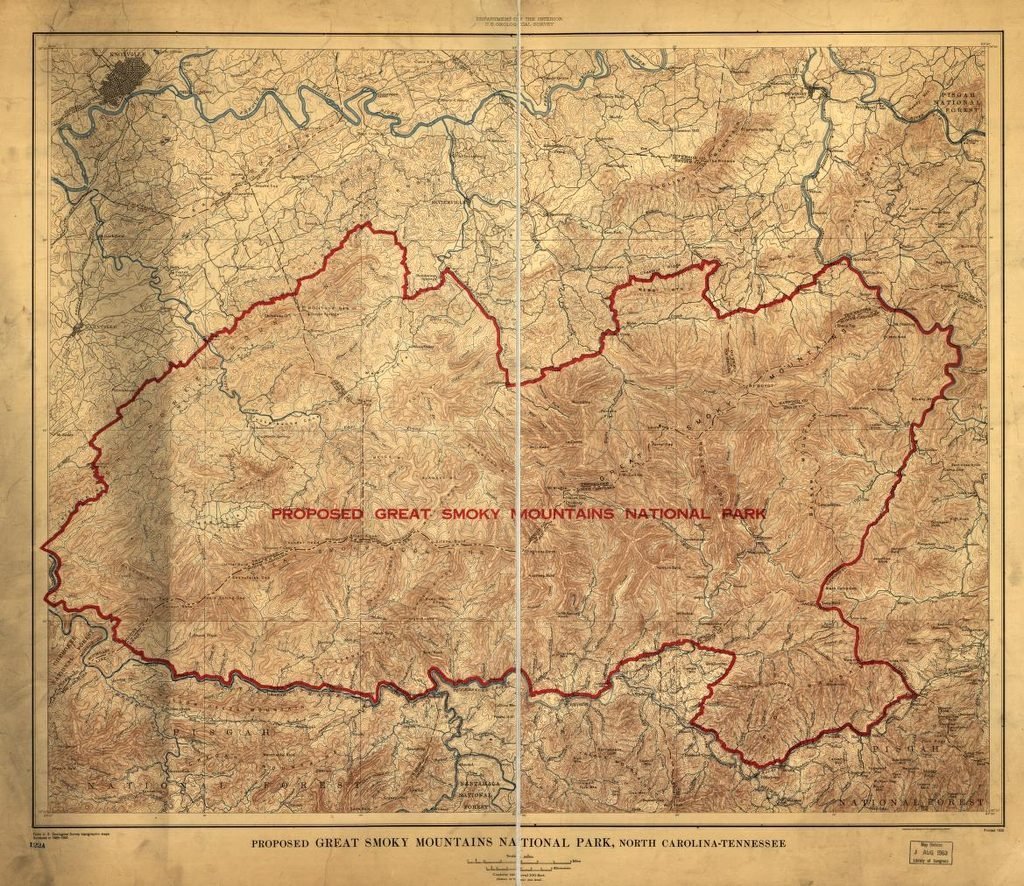
This year marks 100 years since President Calvin Coolidge signed legislation authorizing the establishment of Great Smoky Mountains National Park.1
By then, families had long lived in Cades Cove, logging crews worked around Tremont, Girl Scouts spent summers in Walker Valley and visitors came to the mountains to hike and swim.
A National Park Was Authorized
The May 22, 1926, act authorized both Great Smoky Mountains and Shenandoah national parks, but there were still years of land acquisition ahead. Congress did not authorize full development of the Smokies until 1934.1,2
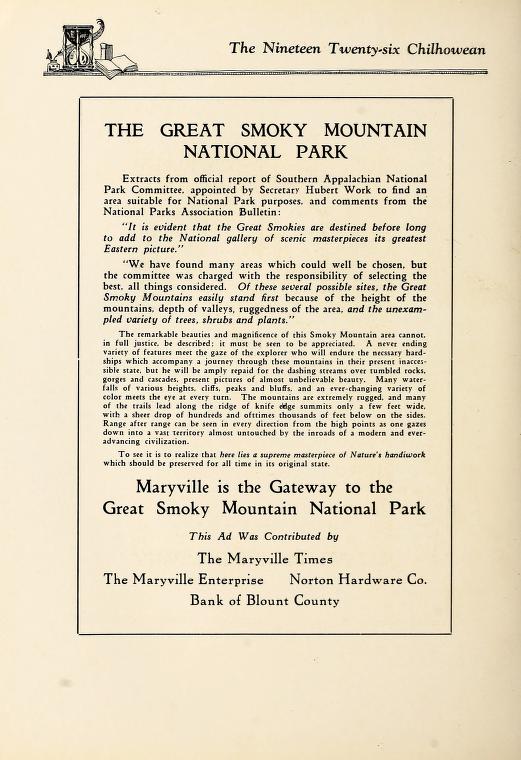
Even so, local boosters were already promoting the proposed park. A full-page advertisement in Maryville College’s 1926 Chilhowean yearbook declared: “Maryville is the Gateway to the Great Smoky Mountain National Park.”3
Much of the proposed park remained privately owned, and people continued to live and work throughout the mountains.2
Related read: “From Great Depression to Great Smokies: The CCC’s Legacy in East TN”
The Hiking Club Organized Trips
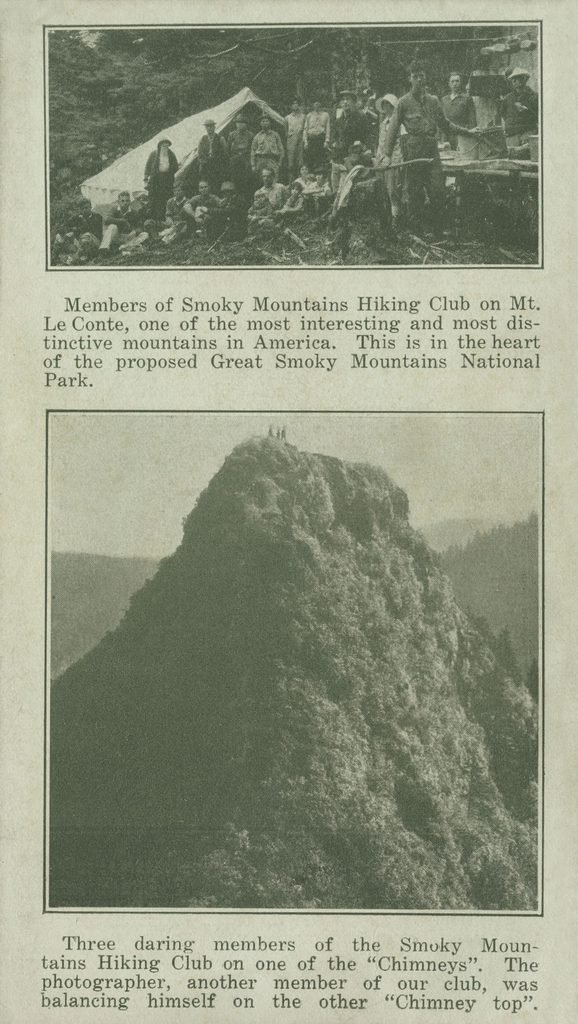
The Smoky Mountains Hiking Club grew out of an October 1924 hike to Mount Le Conte. By 1926, the club had a regular schedule of hikes and social events, along with practical guidance on what hikers should wear and bring.4,5
Club members also supported efforts to establish the national park.4
Kinzel Springs Drew Visitors
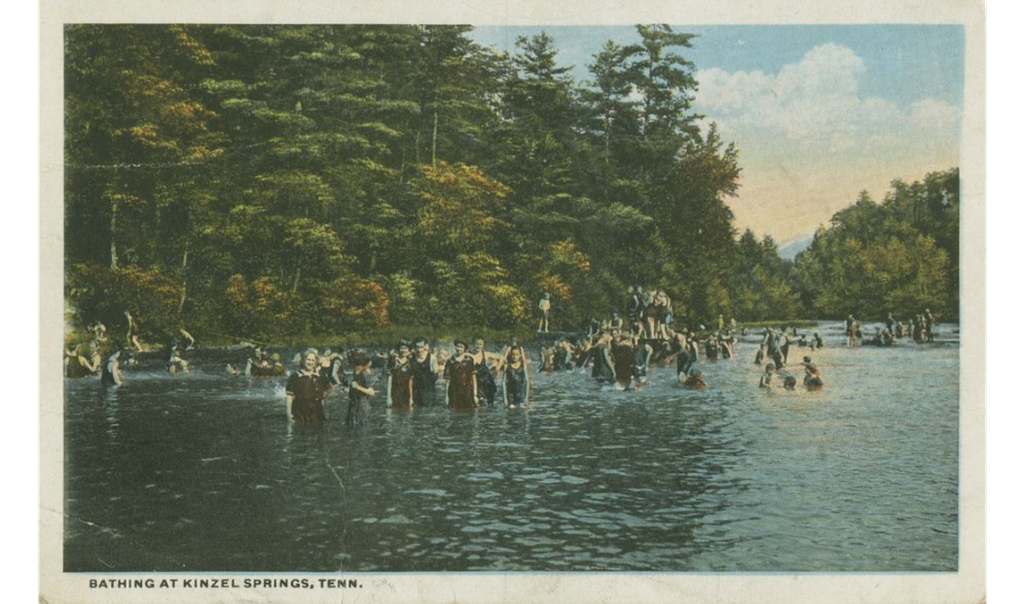
Kinzel Springs developed into a resort community near the western end of Tuckaleechee Cove. E.J. Kinzel acquired property there in 1894, and railroad service beginning in 1902 brought more visitors to the area. By 1914, the Kinzels had added a 28-room hotel and 10 cottages; a post office followed in 1925.6
By 1926, visitors were coming to Kinzel Springs to stay near the mountains and swim.6,7
Related read: “The Early 20th Century on the Peaceful Side of the Smokies, Through Postcards”
Girl Scouts Camped in Walker Valley
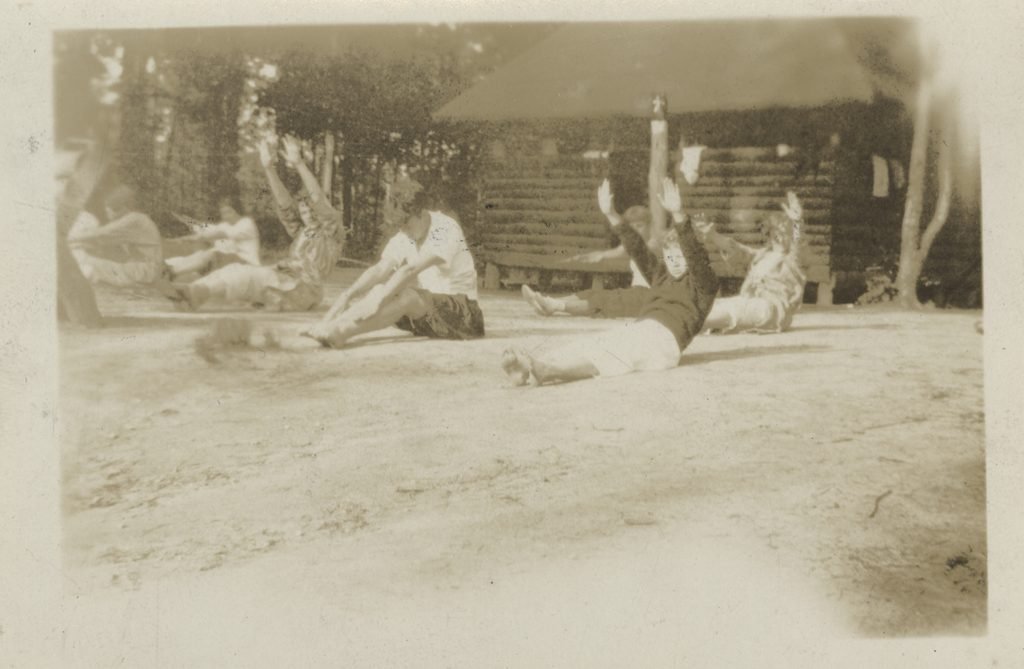
Camp Margaret Townsend was a Girl Scout summer camp in Walker Valley, on land that is now home to Great Smoky Mountains Institute at Tremont.
The camp opened in 1925 and held four two-week sessions each summer, making 1926 its second season. Camp life was rustic: there was no electricity, and the girls bathed in the Little River in the early years.8
Tremont Became a Logging Town
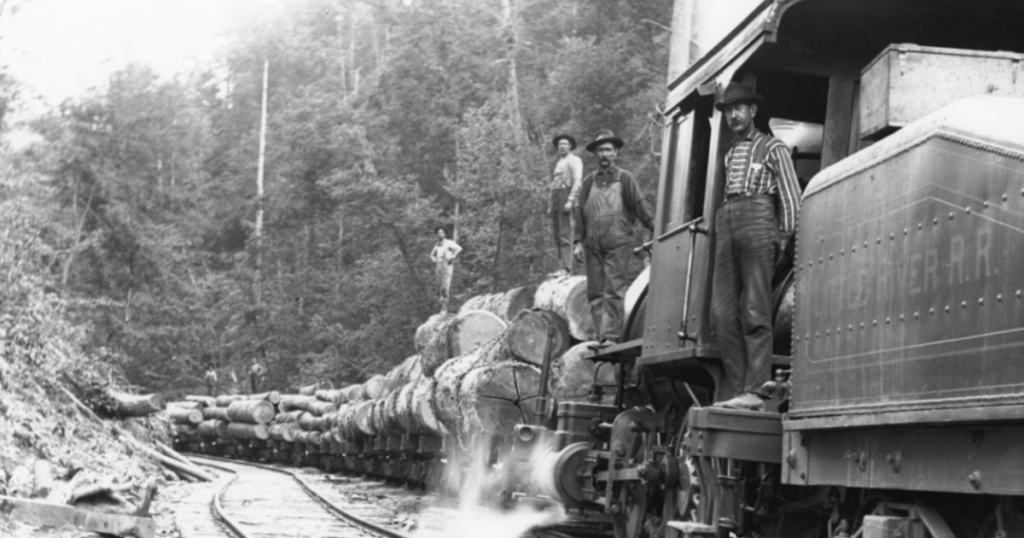
Little River Lumber Company laid railroad tracks into Walker Valley and began logging there in 1924. By 1926, Tremont was a company logging town at the confluence of Lynn Camp and Thunderhead prongs.9
The community housed workers and supported logging operations in the Middle Prong watershed. A hotel also opened that year, providing lodging for logging workers and visitors.10
Logging continued in Walker Valley until 1938.9
Related read: “How Townsend Got Its Name: History of the Little River Railroad and Lumber Company”
Automobile Travel Expanded
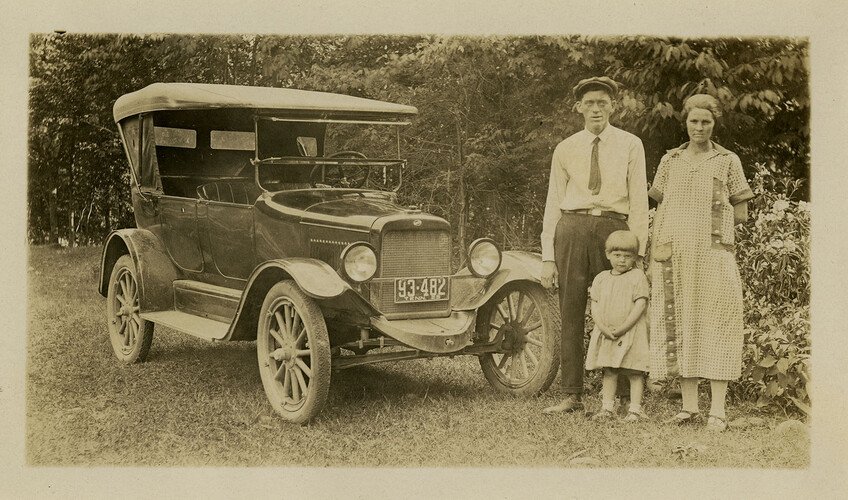
Little River Lumber Company ended train service to Elkmont in 1925 and removed the tracks. In 1926, the former railroad bed from Townsend to Elkmont was converted into a gravel automobile road.11
Cars also played a role in the national park campaign. In 1923, members of the Knoxville Automobile Club helped organize the group that became the Great Smoky Mountains Conservation Association to promote the proposed park.12
Families Lived in Cades Cove
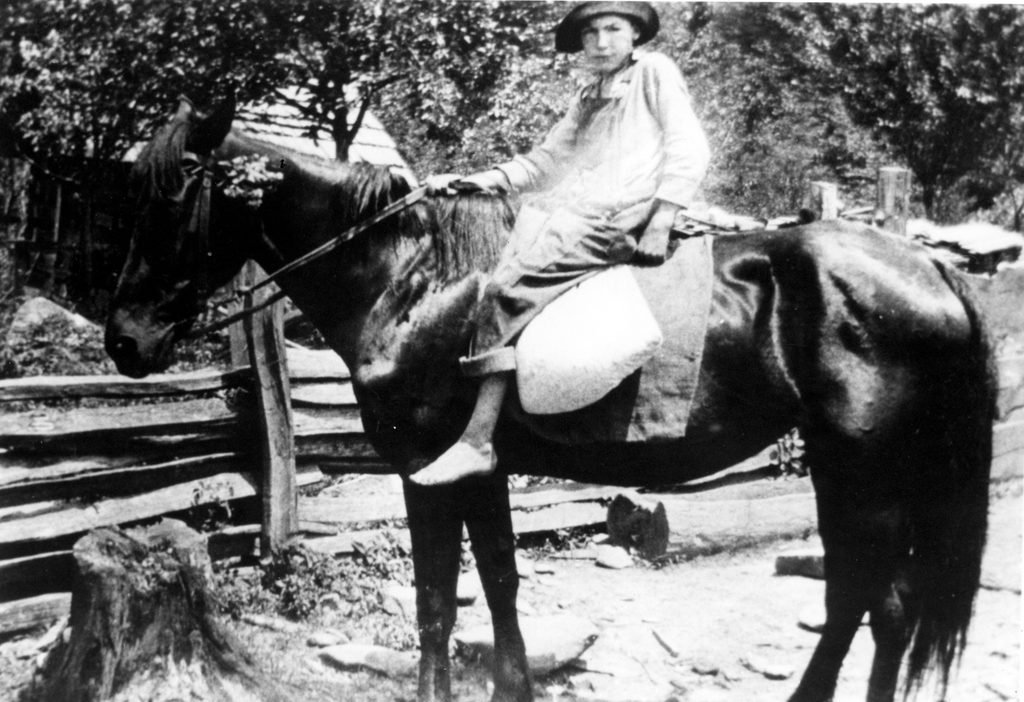
Families still lived, farmed, attended church and school and worked alongside their neighbors in Cades Cove in 1926. Neighbors also came together for corn huskings, molasses making and chestnut gathering.13
Tourists were already visiting the Cove. By 1924, resident John W. Oliver was renting cabins to visitors. He built a tourist lodge in 1928.14
A major park-related purchase in 1927 included most of the mountains north of Cades Cove.13
Related read: “Courtship in Cades Cove: Corn Husking, ‘Sparking’ and Weaner Cabins”
Born and raised in Maryville, Tennessee, with roots tracing back to Cades Cove, Emily Huffstetler is a proud Maryville College graduate and storyteller of the Greater Smokies region. She holds a Master of Science in Conservation Education from Mississippi State University.
_________________________________________________________________________________________________________
1 U.S. Statutes at Large — May 22, 1926 Act
2 National Park Service — “Stories: Creating a National Park”
3 Maryville College — The Chilhowean, 1926
4 Smoky Mountains Hiking Club — “Club History”
5 University of Tennessee Libraries — Smoky Mountains Hiking Club Knoxville, Tennessee Season 1926
6 National Park Service / National Register — Historic and Architectural Resources of Blount County
7 University of Tennessee Libraries — “Bathing at Kinzel Springs, Tenn.”
8 Great Smoky Mountains Institute at Tremont — “Girl Scout Days”
9 Great Smoky Mountains Institute at Tremont — “Mission and History”
10 Western Carolina University — “Tremont Hotel”
11 National Park Service — Elkmont Historic District GMP Amendment and EIS
13 National Park Service — “History of Cades Cove”
14 National Park Service — Cades Cove Opportunities Plan: Cultural Resources Summary Report