
Written by: Emily Huffstetler
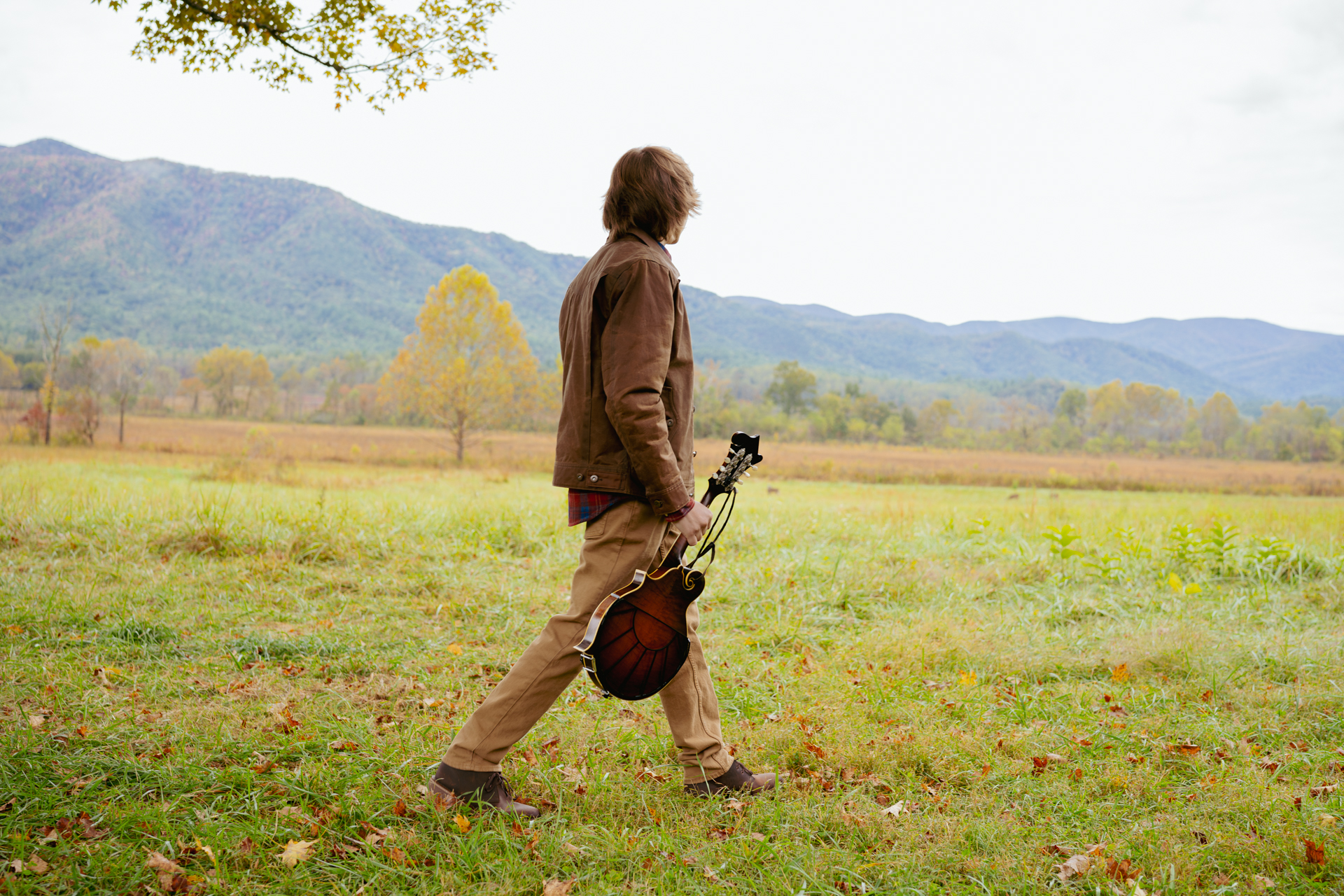
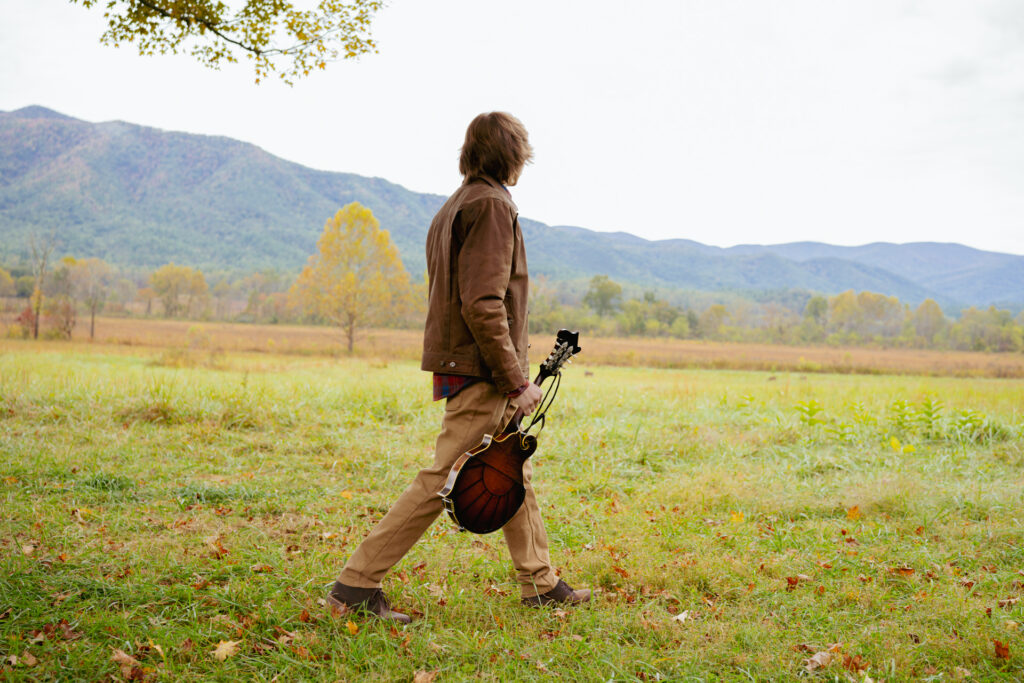
At just 15 years old, Wyatt Ellis has already made a name for himself as one of the most exciting young talents in bluegrass music.
A native of East Tennessee, he picked up the mandolin during the pandemic and quickly earned the mentorship of legends like Sierra Hull and Bobby Osborne. His journey—from local jam sessions to the Grand Ole Opry—has been nothing short of remarkable.
In 2024, his debut album, Happy Valley, soared to the top of Billboard’s bluegrass sales chart, with ten of its twelve tracks landing in the Top 10. His momentum continued into 2025 with the release of “Winds of Rowan County,” a collaboration with bluegrass icon Peter Rowan.
Inspired by the region, Wyatt recently became the ambassador of the Peaceful Side of the Smokies. As he prepares to release a new album with his touring band, we had the opportunity to sit down with him to discuss his music, influences and advice.
You’re preparing to release a new album—what can fans expect from it?
It’s gonna be a hard-driving traditional bluegrass album with some more progressive elements—a fresh edge to the bluegrass that we all love.
Out of all the songs you’ve written or recorded, which one means the most to you and why?
My favorite song that I’ve written is probably my instrumental, “Blue Smoke,” from my album. But my favorite that I’ve ever recorded is one that’s gonna come out in the future called “Heartbreak Highway.”
Some say bluegrass is a dying genre, while others see a resurgence. Where do you think it stands today, and how do you see yourself shaping its future?
I think bluegrass is at a high point for sure, with people like Billy Strings bringing it to a whole new audience, and the younger generation like myself trying to keep it alive.
Bluegrass has deep roots in tradition, but you also bring a fresh take to the genre. How do you balance honoring the past while making music that feels new?
I think that came pretty naturally for me because I learned from the very roots of the music, like the Osborne Brothers and Bill Monroe, you know, the fathers of the music. But I also have studied a ton of other types of music like jazz, different types of country—just pretty much everything. I’m into everything a little bit. I think it all just kind of blends together.
When it comes to jazz, I love it all, from soul to bebop. I love Sonny Rollins. Of course, you have to love all the classics like Miles Davis. Pretty much anything within that genre I find interesting.

You’ve worked with some of the biggest names in bluegrass—what’s been the most valuable lesson you’ve learned from them?
The community is so helpful, and everybody is like a big family. I think that really helped me to learn how to fit in with bluegrass in general.
The most important lesson I’ve learned through studying all types of music is to go back to the roots and build from there. I got that piece of advice from Bobby Osborne.
Bluegrass has its roots in Appalachia. What would you say to someone from outside the region who wants to get into it?
Whether you’re trying to learn it or listen to it, go back and listen to a little bit of everything from the genre. The old stuff and the new stuff. Just try to get an understanding of really what’s out there in bluegrass music.
Performing on big stages like the Grand Ole Opry at such a young age must have been nerve-wracking. Have you always been comfortable in the spotlight, or is it something you’ve had to grow into?
At the very beginning, I may have been a little bit nervous. But to be honest, I’ve never really gotten super nervous.
Right before the pandemic, I started out learning at a place called Rocky Branch [Mountain Music]. They were really welcoming and let me get up in front of some people and play. I think that really got me comfortable playing in front of people.
There aren’t too many people younger people around there, but they definitely welcome that in. It’s a great place for everybody of all ages.
Many people have described you as a child prodigy. Do you feel pressure from that title, or do you see it as motivation?
Eh, you know, I just keep on doing what I’m doing—just keep on my own track.
What advice would you give to other young musicians hoping to follow in your footsteps?
You’ve just got to be determined that you can do it and have the confidence to do it. And, like I said, learn it from the very roots that it came from.
The Peaceful Side of the Smokies has a way of inspiring people. Where do you go when you need to clear your mind or find new ideas for your music?
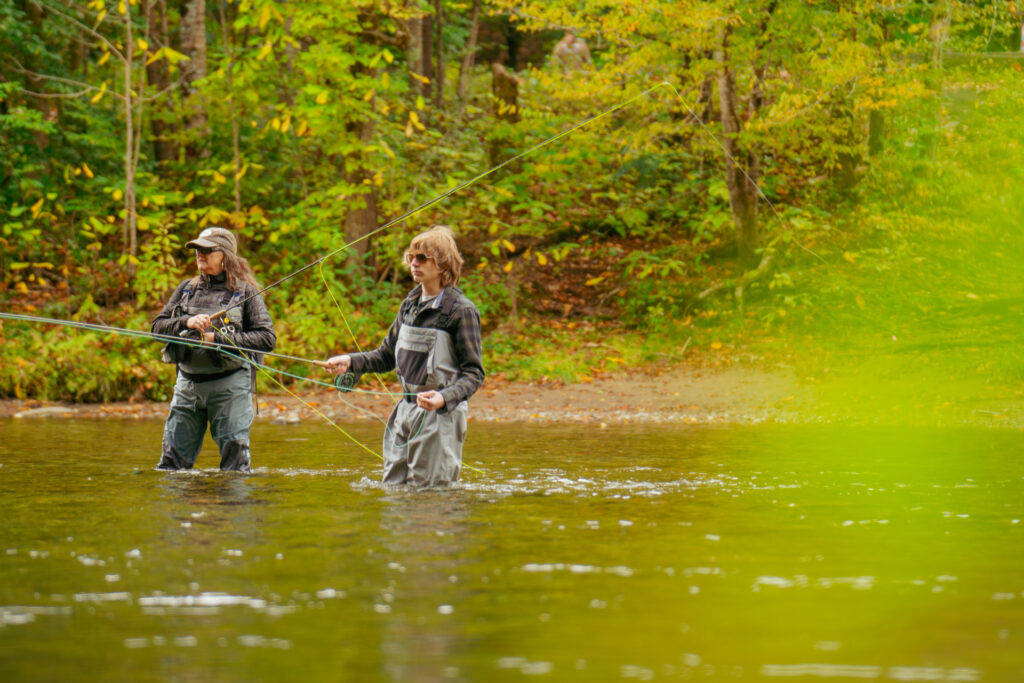
Well, I love to go up in the mountains […] and just be outside. I love to fly fish. Some of my favorite spots up there are Abrams Creek and Tremont.
You’re involved in conservation efforts in the Smokies. Can you share more about your work?
I’ve done a few things. I did a benefit down in Knoxville called Pickin’ Up the Pieces. We raised quite a bit of money. I don’t know exactly [how much], but probably around $20K. That was awesome. It benefitted waterways in the area.
For those who haven’t visited yet, what do you want people to know about the Peaceful Side of the Smokies?
If you’re coming to see the Smokies, [the Peaceful Side] is the place.
Want to learn more about Wyatt and the Peaceful Side? Follow us on social media for exclusive content (@peacefulsmokies).
__________________________________________________________________________________________________________________________________
Born and raised in Maryville, Tennessee, with roots tracing back to Cades Cove, Emily Huffstetler is a proud Maryville College graduate and passionate storyteller of the Greater Smokies region.

Recent Comments