Tag: Fall

Sweet Fall Treats on the Peaceful Side

Fall in the Smokies isn’t just about scenic drives and hikes—it’s also a time to savor the season’s best flavors. With charming markets and cozy coffee shops, the Peaceful Side is brimming with autumnal treats to satisfy your sweet tooth. These are our top picks.
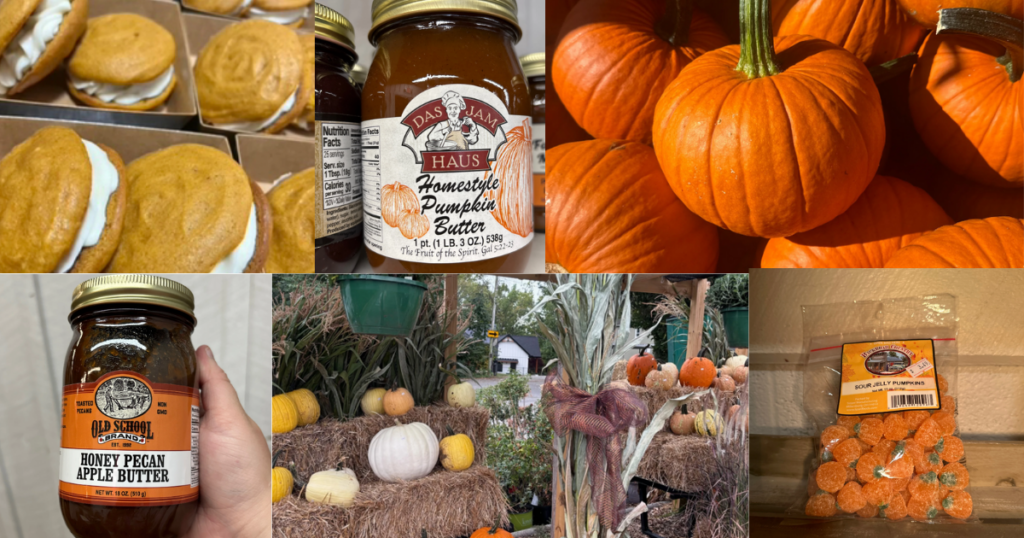
Photos courtesy of Amburn’s Market.

Amburn’s Market in Maryville is fully stocked with fall goodies, including apple and pumpkin butters, jelly pumpkins and pumpkin spice caramels, caramel and candy apples, creamed honey, apple cider and a variety of baked goods. Indulge in fresh pumpkin bars, pumpkin Biscoff cake, pumpkin bread, pumpkin roll slices, pumpkin spice yogurt pretzels or pumpkin whoopie pies.  

While you’re there, you can also pick up your fall decor. They have pumpkins and gourds, corn stalks, small scarecrows and mums. 
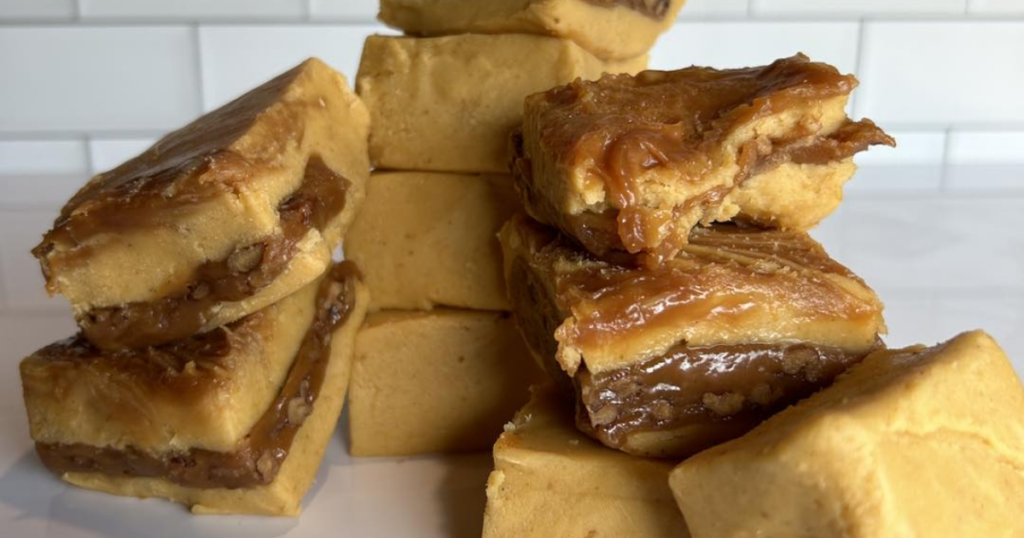
Photo courtesy of Apple Valley Mountain Village.

Apple Valley Mountain Village in Townsend has pumpkin fudge and pumpkin praline fudge. At the Apple Valley Cafe, enjoy their famous fried apple pie. 

Bear Grounds Coffee in Maryville is offering pumpkin spice lattes—hot, cold or frappe. They recommend adding brown sugar cold foam for the full fall effect.

Photo courtesy of Bigfoot Popcorn.

Bigfoot Popcorn in Maryville has a limited-edition pumpkin spice flavor, perfect for getting cozy and watching your favorite fall series. 
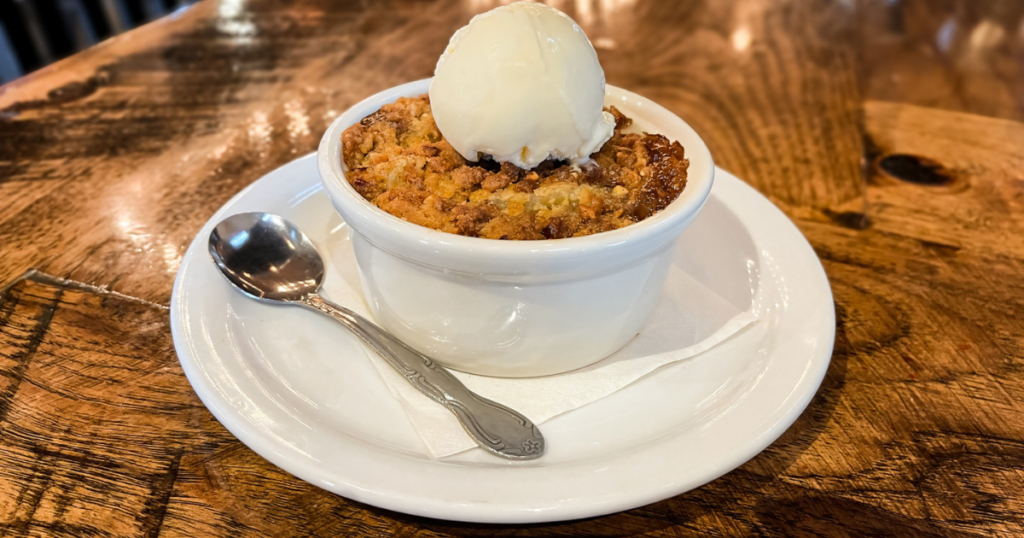
Photo courtesy of Blackhorse Pub & Brewery – Alcoa.

Blackhorse Pub and Brewery in Alcoa is offering Apple Crumb Crunch for dessert. 
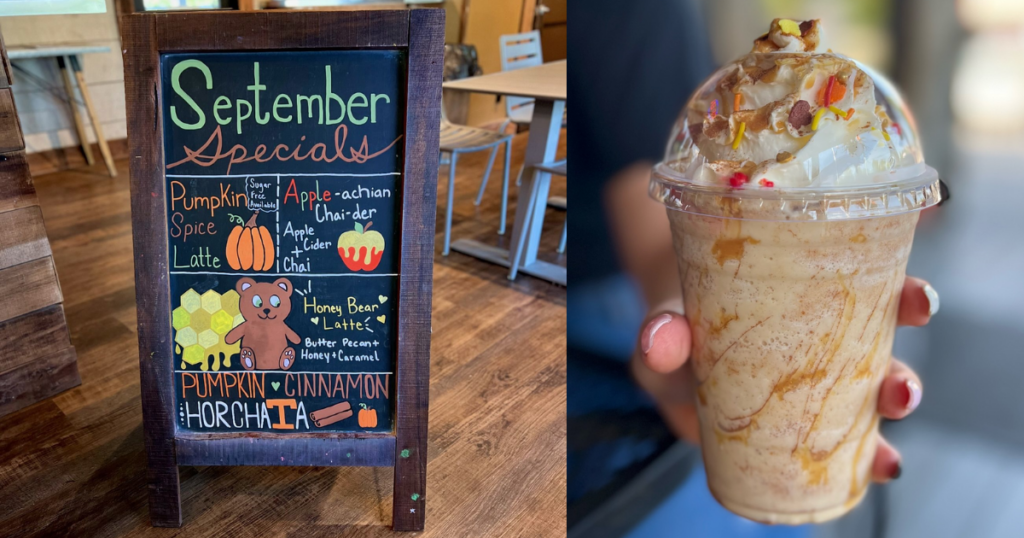
Photos courtesy of The Dancing Bean.

The Dancing Bean in Townsend added the Pumpkin Spice Latte, Apple-achian Chai-der (apple cider and chai), Honey Bear Latte (butter pecan, honey and caramel) and Pumpkin Cinnamon Horchata to the fall menu. 

RT Lodge in Maryville has Caramel Apple Cake and Caramel Floating Island on the menu. 

Photos courtesy of Towns End Coffee.

Towns End Coffee in Townsend has several seasonal beverages, including Campfire Cold Brew (chocolate and marshmallow), The Cozy Pumpkin and Stars Hollow (salted caramel, toffee crunch and pumpkin). Pair your coffee with a pumpkin cream cheese muffin. 

Vienna Coffee House in Maryville is honoring local bakers with lattes that mimic their signature items for the month of October. They have lattes for Small Comforts Kitchen (gluten free) – Brown Sugar Cinnamon Hand Pie Latte (brown sugar and cinnamon), Crustic – Cardamom Bun Latte (brown sugar, honey, and cardamom) and Hammie’s Sammies – Vanilla Almond Macaron Latte (vanilla, almond, amaretto, and white chocolate).
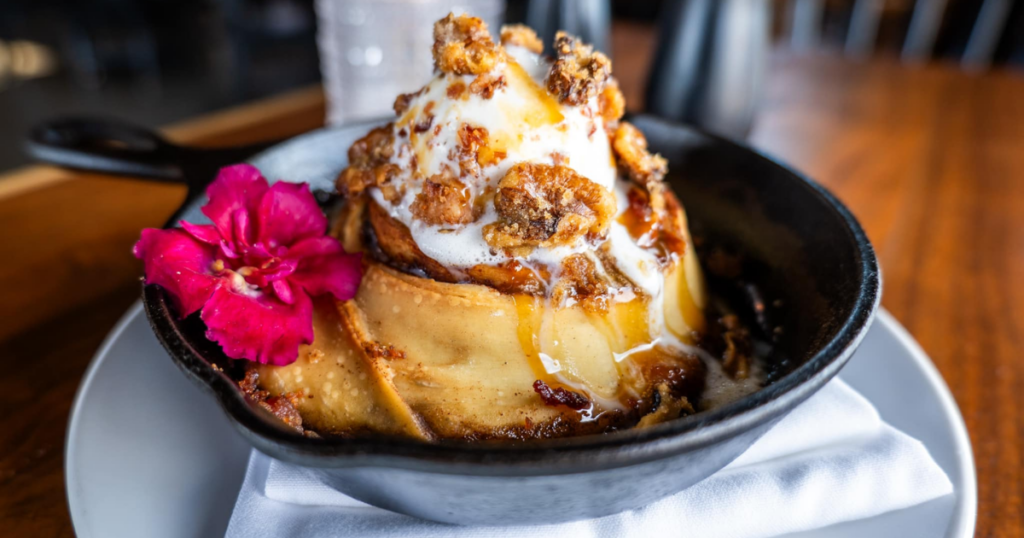
Photo courtesy of the Walnut Kitchen.

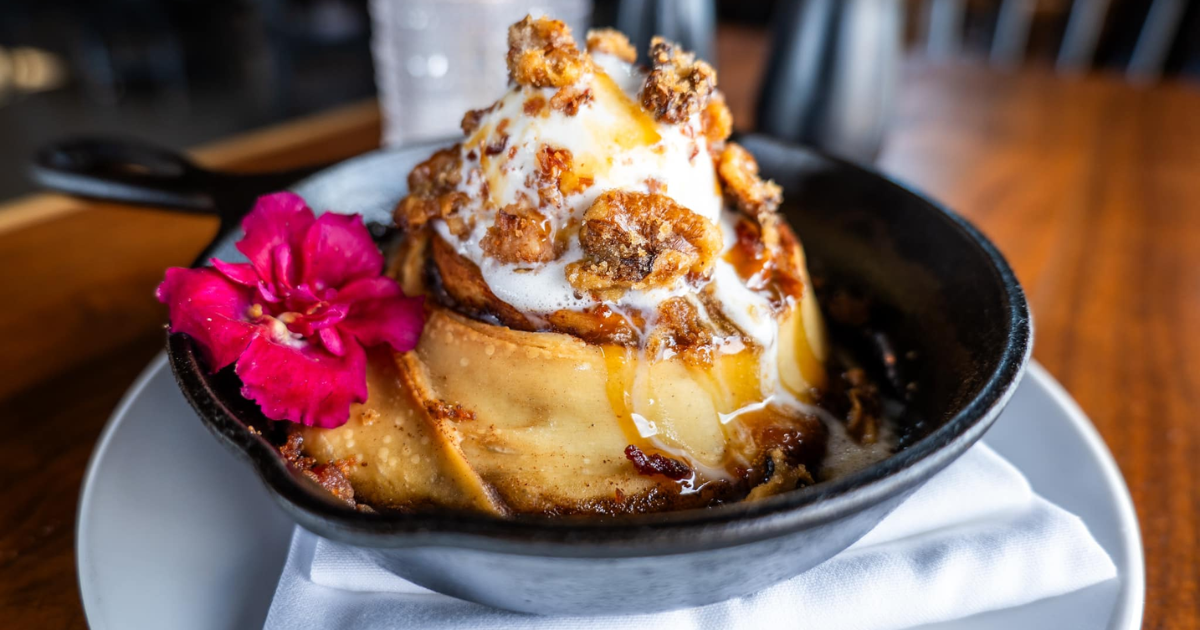
The Walnut Kitchen in Maryville is serving the Tellico Grains Cinnamon Roll, topped with house bourbon caramel, bacon, walnuts and vanilla bean ice cream. 

Will you be trying any of these sweet treats? We’d love to hear about it. Be sure to tag us on social media (@peacefulsmokies). 

__________________________________________________________________________________________________________________________________

Born and raised in Maryville, Tennessee, with roots tracing back to Cades Cove, Emily Huffstetler is a proud Maryville College graduate and passionate storyteller of the Greater Smokies region.
When Spanish Explorers Traveled Through the Smokies 

Written by: Emily Huffstetler 

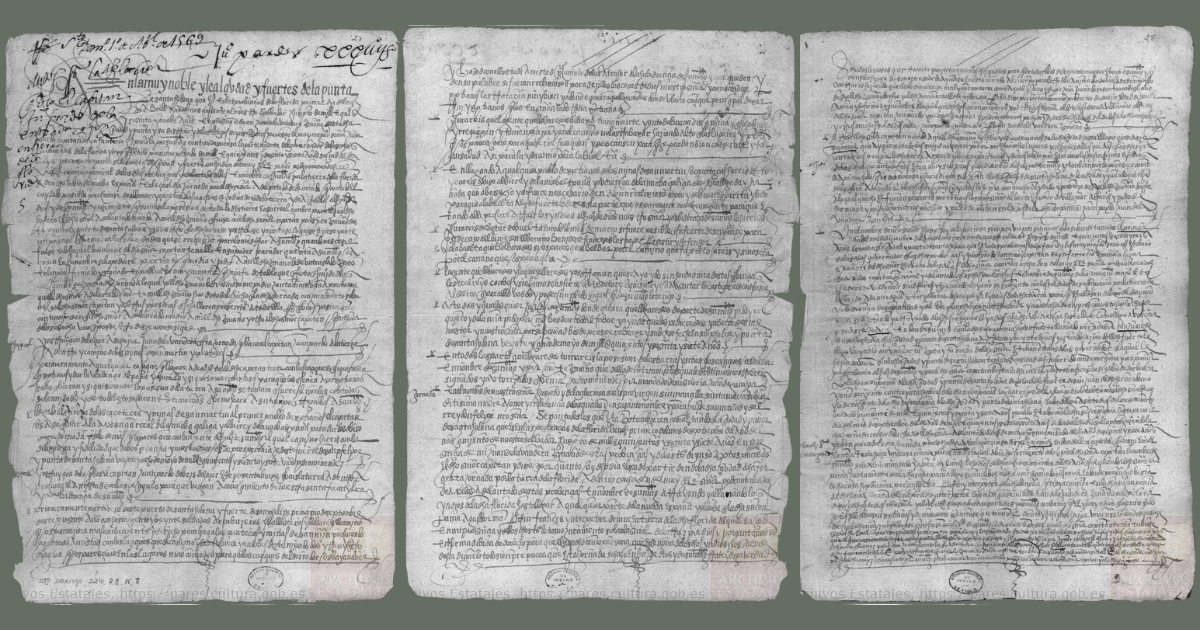
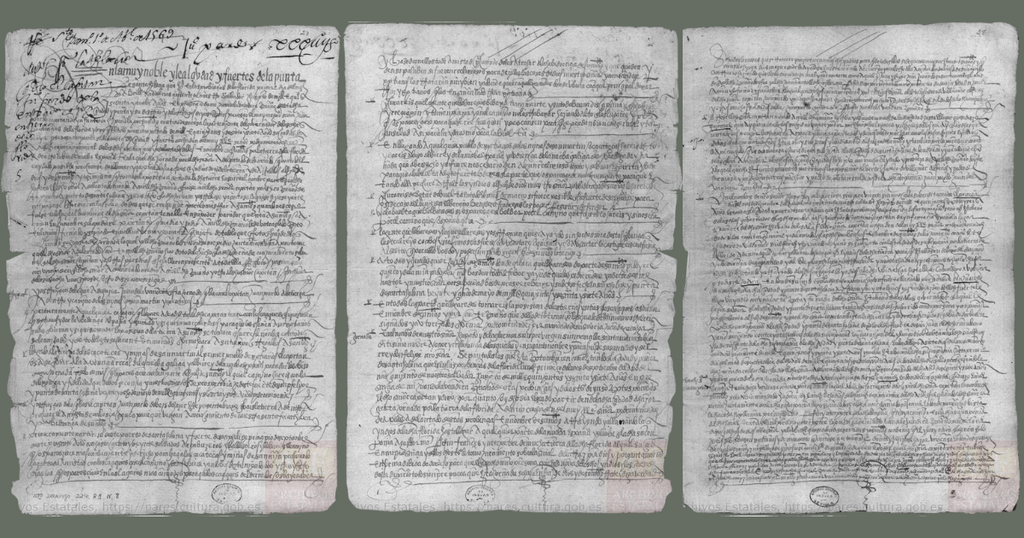
Pages from the original account of Juan Pardo’s expedition, recorded by Juan de la Bandera. Courtesy of España, Ministerio de Cultura, Archivo General de Indias, SANTO_DOMINGO,224,R.1,N.8. PARES

In October 1567, Spanish explorer Juan Pardo likely traveled through present-day Walland and Happy Valley, more than 200 years before Blount County was established. His destination was much farther west: the silver mines of Mexico.¹ 

The journey through the Great Smoky Mountains was documented by Juan de la Bandera, a notary who traveled with Pardo. His firsthand accounts describe rugged mountain crossings, Indigenous communities and a possible silver discovery.² 

Pardo’s journey began in December 1566, when he departed Santa Elena, a Spanish settlement on present-day Parris Island, South Carolina, with about 125 soldiers. The Spanish hoped to establish an overland route to Zacatecas, a major silver-mining center in Mexico, mistakenly believing it was much closer to the Appalachian Mountains than it actually was.³ 

Traveling northwest through the Carolinas, Pardo reached the Indigenous town of Joara, home to ancestors of today’s Catawba and Cheraw peoples, near present-day Morganton, North Carolina. There, he established Fort San Juan, leaving about 30 soldiers under Sergeant Hernando Moyano before returning to Santa Elena in March 1567.⁴ 

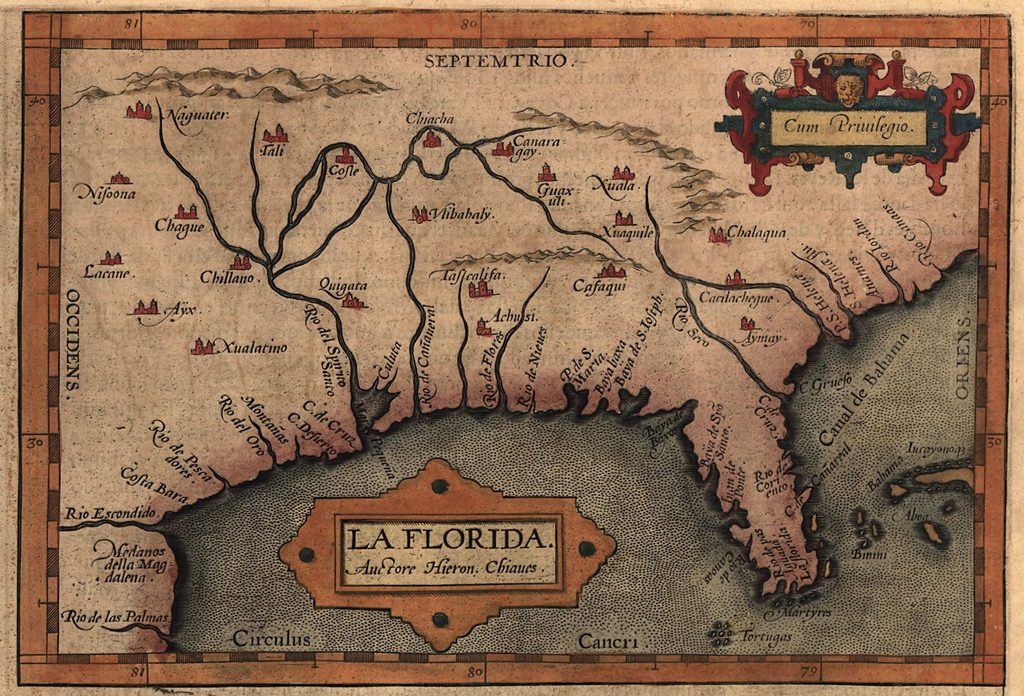
A 1584 map of La Florida by Spanish cartographer Gerónimo de Chaves, showing Joara (Xuala), where Juan Pardo established Fort San Juan in 1567. Published in Abraham Ortelius’ Theatrum Orbis Terrarum. Courtesy of the Library of Congress, Geography and Map Division.

Moyano continued farther into the mountains with soldiers and Indigenous allies, eventually reaching Chiaha, an Indigenous settlement near present-day Dandridge, Tennessee. Relations with the local community deteriorated, leaving the Spaniards confined to their fort. 

When Pardo learned of their situation, he set out on a second expedition, arriving at Chiaha on October 7, 1567.⁵ 

Bandera described Chiaha as a “rich and expansive land, with a large settlement surrounded by beautiful rivers,” noting the abundance of wild grapes and persimmons. “It is a land of angels,” he wrote.⁶ 

After several days, Pardo continued southwest toward Coosa, an important Indigenous chiefdom. On October 13, the expedition traveled west from Chiaha, stopping to camp that evening. Three Indigenous chiefs brought food to the soldiers, and Pardo presented them with gifts including metal tools and pieces of silk.² 

Historian Charles Hudson’s reconstruction of the expedition’s route suggests the soldiers traveled through the Walden Creek area before following Reed Creek to the Little River near present-day Walland. From there, they likely climbed a spur of Chilhowee Mountain, possibly camping near The Flats and Lake in the Sky. The exact route remains uncertain.¹ 

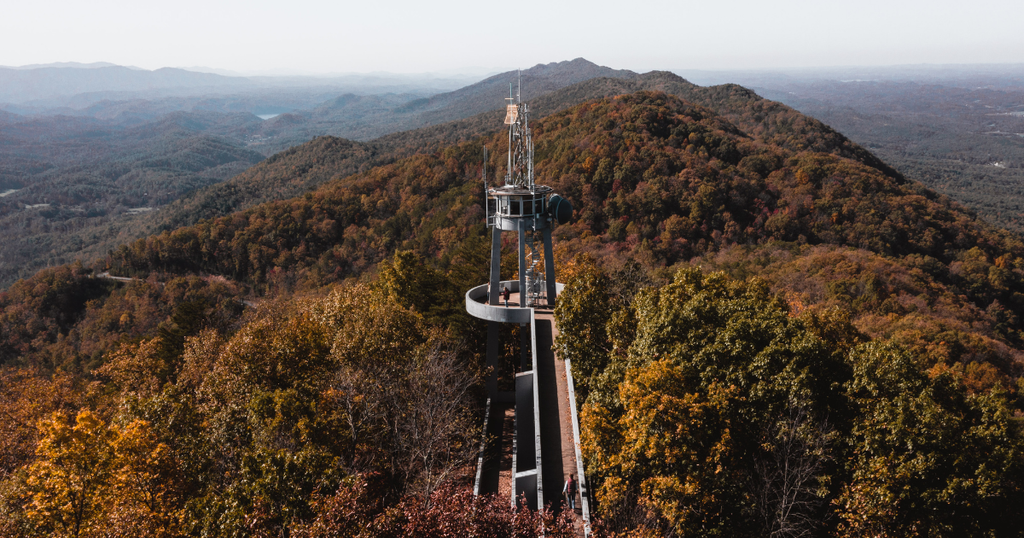
Look Rock Observation Tower on Chilhowee Mountain, which Juan Pardo’s expedition is believed to have crossed in October 1567.

Bandera described the mountains as more rugged than those the expedition had previously crossed, although he praised the countryside as “tierra muy rica y agradable y fresca,” or very fertile, pleasant and cool land.⁶ 

On October 14, while climbing a mountain, Pardo found a small reddish stone and showed it to Andrés Suárez, a gold and silver smelter traveling with the expedition. Suárez believed the stone might contain silver, although no test was recorded.² 

The following day, the expedition likely passed through present-day Happy Valley before reaching Chalahume. Hudson identified the Indigenous settlement with the Chilhowee archaeological site near Abrams Creek and the Little Tennessee River.¹ 

Bandera compared Chalahume’s fertile valleys to the countryside surrounding Córdoba, Spain. He also described the wild grapes as good as those found in Spain.⁶ 

After exchanging gifts with the local chief, Pardo continued southwest to Satapo, another Indigenous settlement near present-day Citico Creek in Monroe County. 

The soldiers arrived on October 16. That evening, sentries heard what they believed was a large gathering of Indigenous people outside the settlement. Pardo ordered his men to remain alert throughout the night.¹,² 

Around midnight, an Indigenous man approached the expedition’s interpreter, Guillermo Rufín, offering information about a possible attack in exchange for an axe. 

The man claimed that several Indigenous leaders were planning ambushes along the route toward Coosa and intended to withhold food and supplies unless they received payment. The following morning, Pardo asked the local chief for men to help carry supplies. When the chief returned without any, Pardo became increasingly concerned.² 

After consulting his officers, Pardo decided to turn back.¹ 

The soldiers returned to Chiaha on October 19. The following day, Pardo ordered work on a fort at Olamico before continuing east.¹ He reached Santa Elena on March 2, 1568, without establishing the route to Mexico.⁵ 

Later that year, Indigenous communities destroyed the remaining Spanish forts in the southeastern interior, ending Spain’s attempt to maintain a permanent military presence in the region.⁴,⁵ 

Born and raised in Maryville, Tennessee, with roots tracing back to Cades Cove, Emily Huffstetler is a proud Maryville College graduate and storyteller of the Greater Smokies region. She holds a Master of Science in Conservation Education from Mississippi State University.     
_________________________________________________________________________________________________________