
Springtime in the Smokies offers locals and visitors alike a majestic view not only of the mountains but of the hundreds of different colored wildflowers that bloom starting in spring and staying in bloom into the summer months. This time of year, not only are the millions of flowers a sight to behold, but you have a good chance of seeing new baby bear cubs, newborn fawns, baby birds, and so much more.
The snow line is slowly creeping higher up into the mountains the trees begin to burst out in their canopy of color, and with all this comes a serious case of cabin fever. It’s not unusual for anyone who has been cooped up all winter to feel the need to get outside and enjoy a little warm spring sunshine and fresh air. If you are coming to the Peaceful Side of Smokies to visit, make sure you bring your camera. Here are five of our favorite spots to take photographs.
Abrams Falls – It’s a five-mile round trip to Abrams Falls from Cades Cove. Your hike will take you through dense forest and rhododendrons that are blooming in a riot of color. The falls are one of the most popular spots to hike to and offer amazing photo opportunities.
Little River Trail – The Little River Trail is over in Elkmont and offers a 5-mile trek along the riverside where you will see an incredible selection of wildflowers blooming in a riot of color. Among them are hepaticas, rhododendron, and yellow trillium. Make sure you have plenty of room on your memory card, the photo ops are almost endless.
Laurel Falls Trail – The Laurel Falls Trail is considered by most to be the easiest trail in the Smokies to hike. It’s only 2.6 miles to the falls and back, but the walk will take you to the picture-perfect Laurel Falls. The trail leads you between the upper and lower falls and offers several fabulous photo opportunities.
Mount LeConte – For those of you who are up for a challenging hike, the Mount LeConte is third tallest peak inside the boundaries of the national park. The hike might be a bit tough, but the view from the summit is breathtaking, and you can capture some amazing photos here, making the trip well worth the effort.
Potters Creek Trail – If you want pictures of flowers, historical buildings, and a four-mile hike that is sure to create great memories, then Potters Creek Trail is for. Along the trek, you will go past the site of the John Messer farm along with a spectacular array of wildflowers including yellow trillium, foamflower, baneberry, wild geranium, dwarf ginseng, toothwort, and many, many more.
These are just a few of our favorite places to hike for photos. No matter who you talk to here, everyone is going to have their list of places they like to go to take pictures. The most important thing is for you to come to the Peaceful Side of the Smokies and find your own favorite places!
Tag: hiking
Waterfalls in The Great Smoky Mountains
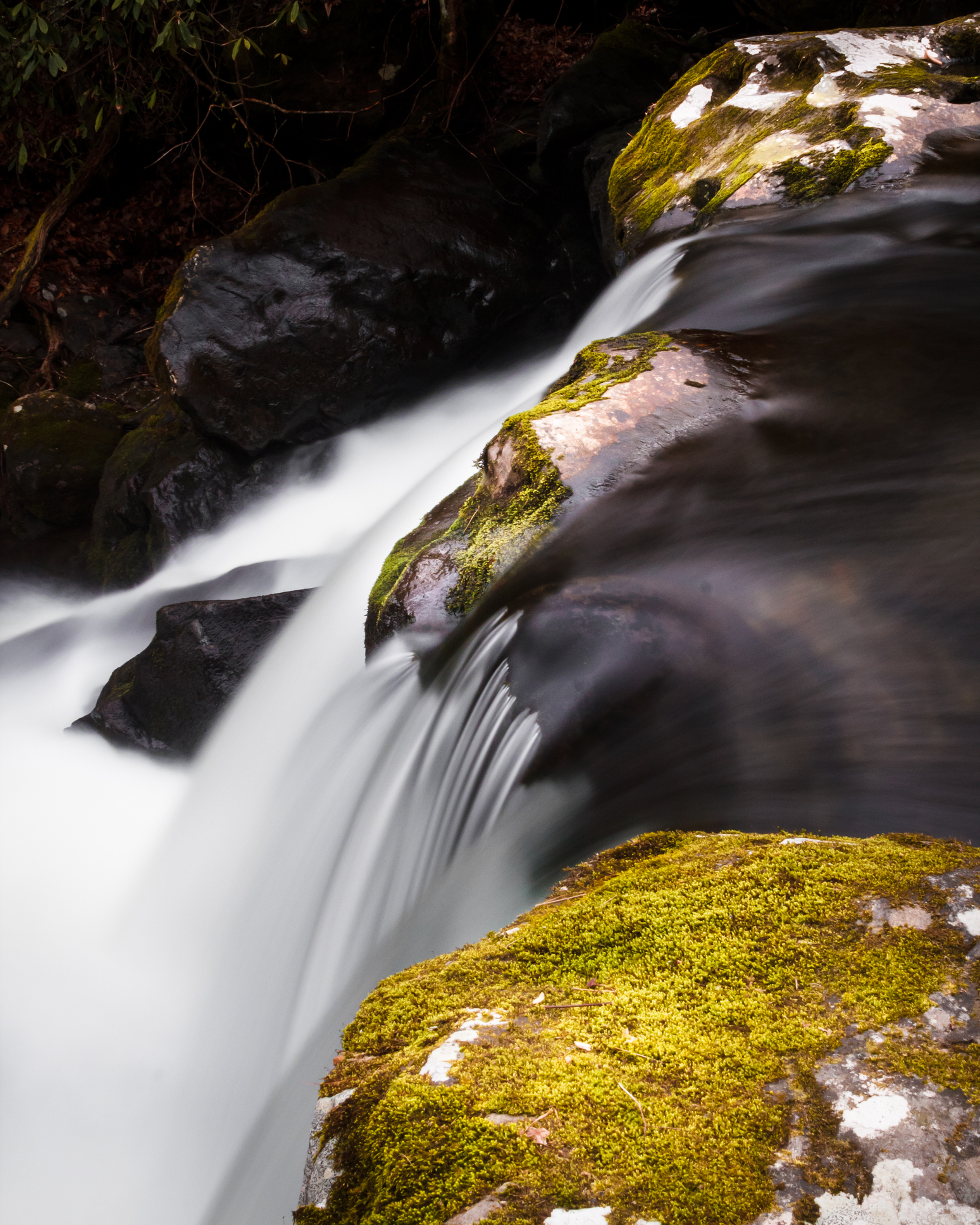
There is no better outing during the summer than a trip to one of the many Waterfalls in the Great Smoky Mountains. Luckily, there are over 2,000 miles of rivers and streams in the national park, resulting in a series of over 100 cascades and falls. We have picked out a handful of beautiful hikes in the Peaceful Side of the park for every level of experience.
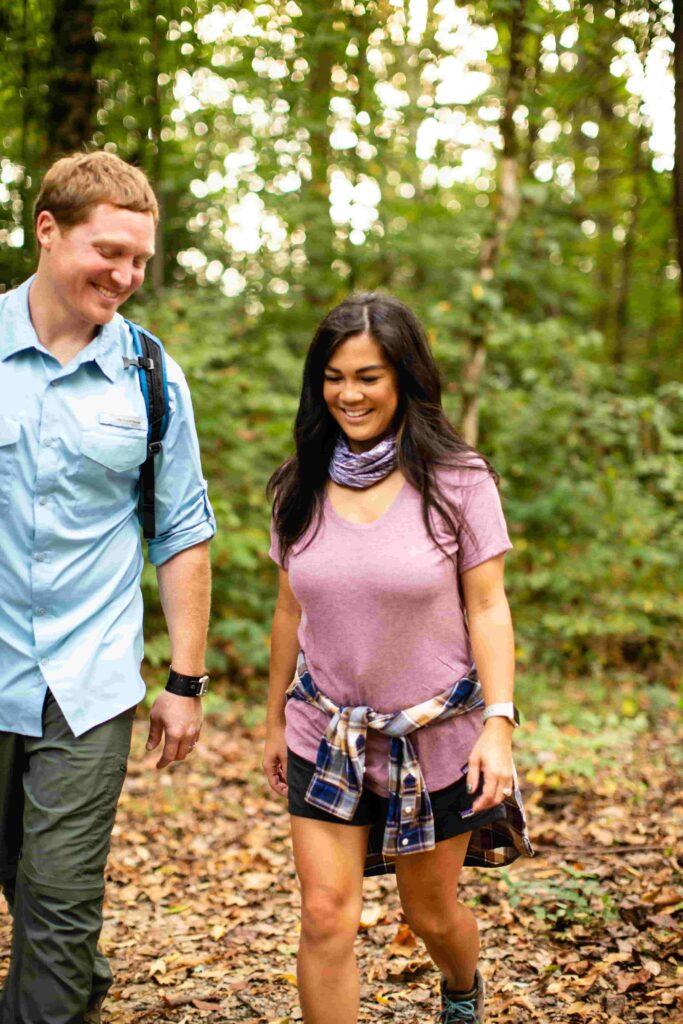
Meigs Falls
Meigs Falls is one of the most accessible waterfalls to visit. In fact, you can drive your car up to within 500 feet of the falls. The drop is only 28 feet, but it is nestled into a breathtaking spot of the Smokies.
Directions
Only located 12.9 miles west of the Sugarlands Visitor Center, near the Townsend “Wye”.
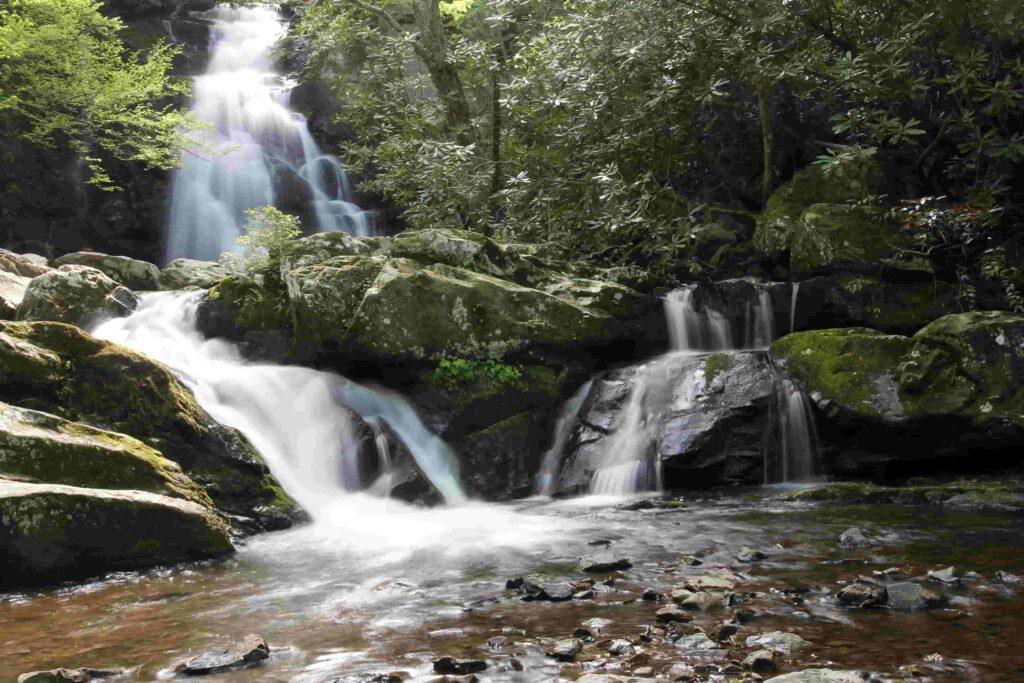
Ramsey Cascades
If you are looking for a more strenuous adventure, check out the Ramsey Cascades. The hike is 8 miles roundtrip, and as the tallest waterfall, it follows over 100 feet of tumbling cascades throughout the park. The trail to the waterfall gains over 2,000′ in elevation, passing through old-growth cove hardwood forest.
Direction
Take Highway 321 east of Gatlinburg to the Greenbrier entrance to the park. Follow the signs to the Ramsay Cascades trailhead.
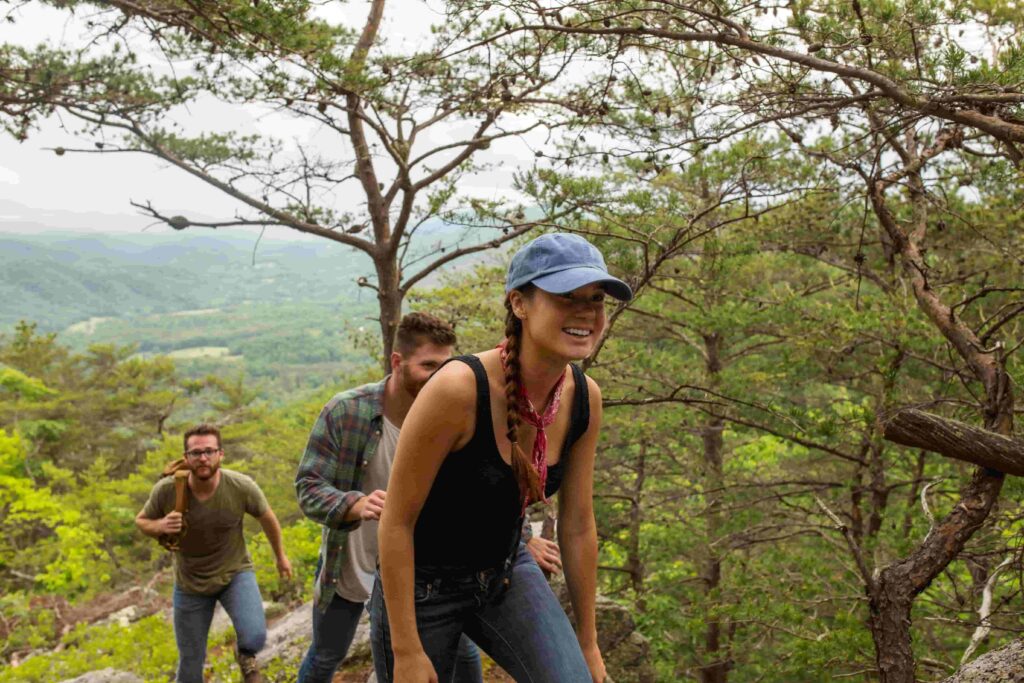
Spruce Flat Falls
The hike to Spruce Flat Falls is only two miles roundtrip, but it can get significantly steep, making it a more challenging hike. Located in the Tremont section of the park, a still relatively unknown area, there is a chance for a more private experience. At the bottom of the 30-foot fall, dropping in four stages, you will find a pool of water perfect for a refreshing summer swim.
Directions
You will find this trail located on Tremont Road near Smokey Mountain Institute at Tremont, near Cades Cove.
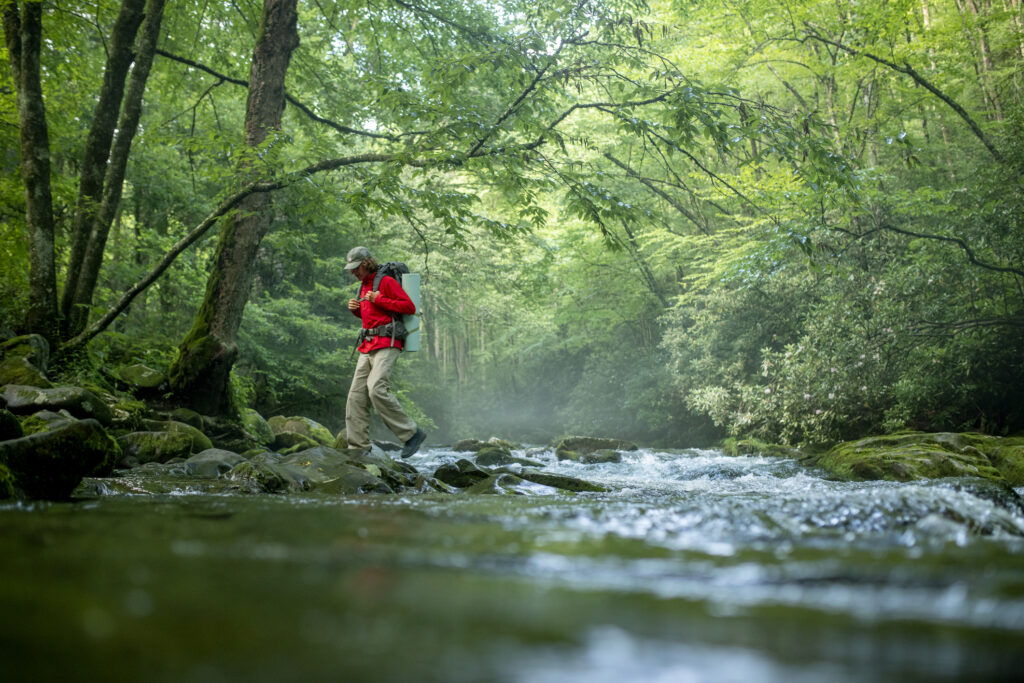
Abrams Falls
Abrams Falls is one of the “Waterfall Quartet”, a group of four waterfalls, including Abrams, Laurel, Grotto, and Rainbow Falls. Although the waterfall is only 20 feet high, it has the highest volume of water, making it the most voluminous falls in the park. It empties into a large, picturesque pool, but swimming is off-limits because of the strong currents and dangerous undertow.
Directions
From Townsend or Gatlinburg, follow signs to Cades Cove. The turnoff for Abrams Falls Trail is located past stop #10 (signed) along Cades Cove Loop Road.
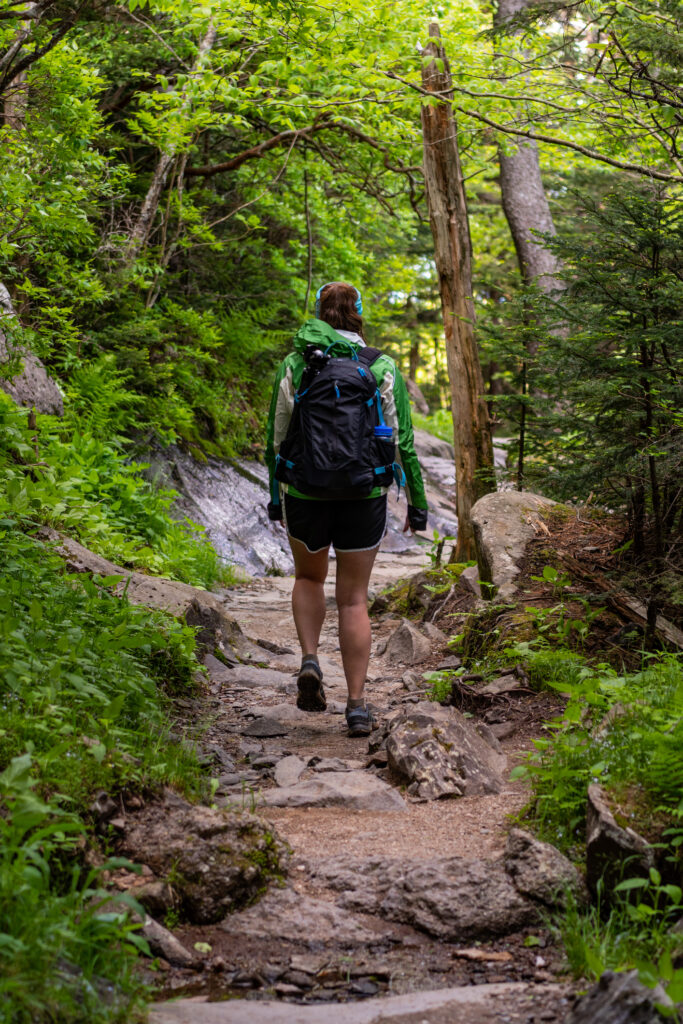
Indian Creek Falls
The Indian Flats Falls is beyond Toms Branch Falls another half-mile, turning right onto Indian Creek Trail. The trail begins as a wide path as it traces Deep Creek upstream. After walking just one-tenth of a mile, there will be a short spur trail on your left that leads down to the 45-foot waterfall. If you were to climb back to the main trail and walk a short distance up, the Indian Flats Falls looks more like a water slide than an actual waterfall.
Directions
Located on Tremont Road near Smokey Mountain Institute at Tremont, near Cades Cove. Hike on Middle Prong Trail to Panther Creek Trail.
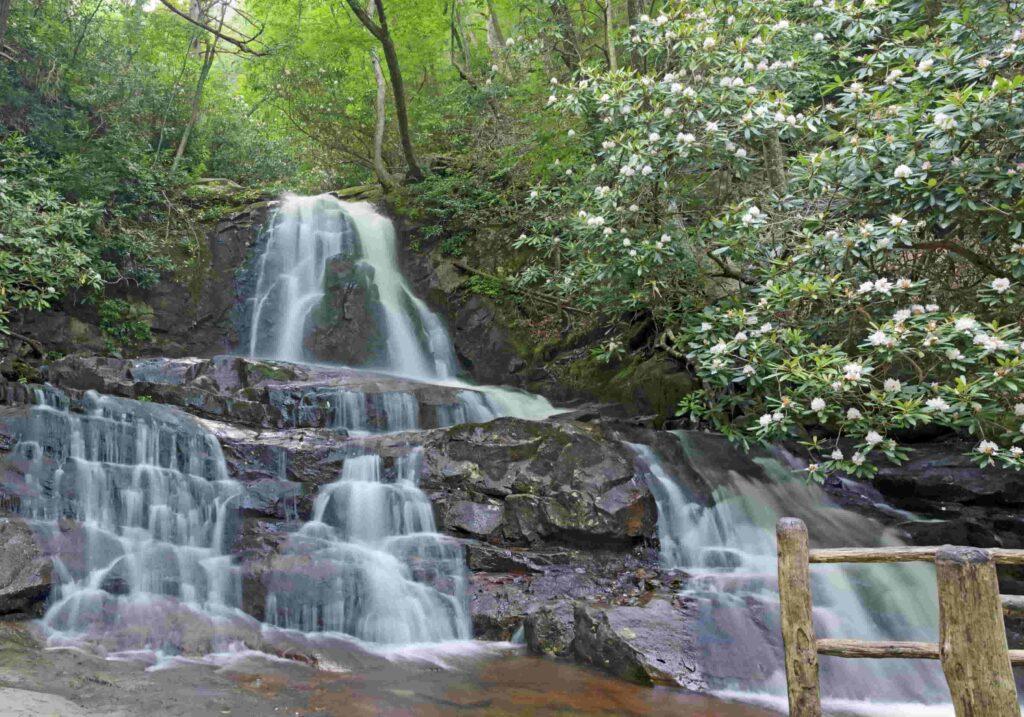
These are just a handful of the waterfall opportunities in the Great Smoky Mountain National Parks. Take the time to do a little more research and find yourself in a world of awe-inspiring waterscapes and hiking opportunities for the whole family.
For more summer adventures in the Peaceful Side, check out the blog links below.
Hidden Treasures in the Peaceful Side
Kid-Friendly Activities on the Peaceful Side
Winter in the Smoky Mountains: Advantages & Hiking Tips

When people think of hiking in the Smoky Mountains, the most popular times of year are generally Spring through Fall. But the Smoky Mountain National Park is open year-round, and winter brings a unique beauty. We’ve put together some of the best reasons you need to get out and enjoy the Smokies this time of year, along with some valuable Winter Hiking Tips.
Exploring The Smoky Mountains in Winter
Are you in the mood for a more challenging hike, like Thunderhead Mountain (elevation: 5527 feet) and Gregory Bald (elevation: 4949)? Or would you prefer a short, invigorating trek to Look Rock Fire Tower on Chilhowee Mountain, off the Foothills Parkway? If you haven’t already explored, here are several reasons to take that journey in winter. First of all, the most apparent difference while hiking in the cold months is the lack of foliage on the trees. Some trails become very narrow during the summer, so hiking when there is less vegetation can be a relief for the more claustrophobic traveler. And can we talk about the views during the winter? Once the trees shed their leaves, a more pristine view of the magnitude and breadth of our lovely mountains reveals itself.
In the winter months, you will also find that you often have the trails all to yourself. Not only will you see fewer people on your journey, but there will also be a fraction of insects and bugs. There is a special kind of peace when the forest blanketed with silence, your only companion the sound of crunching leaves and falling snow. Another welcome absence on a winter hike is the sometimes stifling summer humidity. Winter in the Smokies is a definite case of less is often more.
Tips for Hiking the Smokies in the Cold
- Always check the weather and be prepared for it to change.
- Snow/ice spikes and trekking poles will help with traction and stability.
- Don’t be afraid to spend the extra money to get top quality winter gear. Waterproof and windproof gear can be lifesavers when the windchill at the higher elevations create dramatic temperature drops.
- Layering is essential. Choose wet-wicking material and a light but warm coat, such as a down jacket. Be prepared to layer up or down depending on changing altitudes and surprise weather. Wool socks and appropriate hiking boots will keep your feet warm and a toboggan will prevent body heat from escaping through your head.
- Extras. Pack extra socks and gloves in case the ones you are wearing get wet. Extra HotHands or hand warmers are great for putting in your sleeping back for overnight hikes. Remember, it is better to have a heavier pack, with everything you need, than finding yourself hurt or in danger.
Don’t Forget Your Camera
Take advantage of the season to find those distinctive winter shots. You may discover animal prints in the snow or icy rivers. Look for the way the sun reflects on the frosted mountains and expect to see a whole new side of the Smoky Mountains’ personality.
Feature Image by Nikki Adam Jenkins
Check Out These Fun Activities on the Peaceful Side:
Best Views for Sunrises and Sunsets
Recent Comments