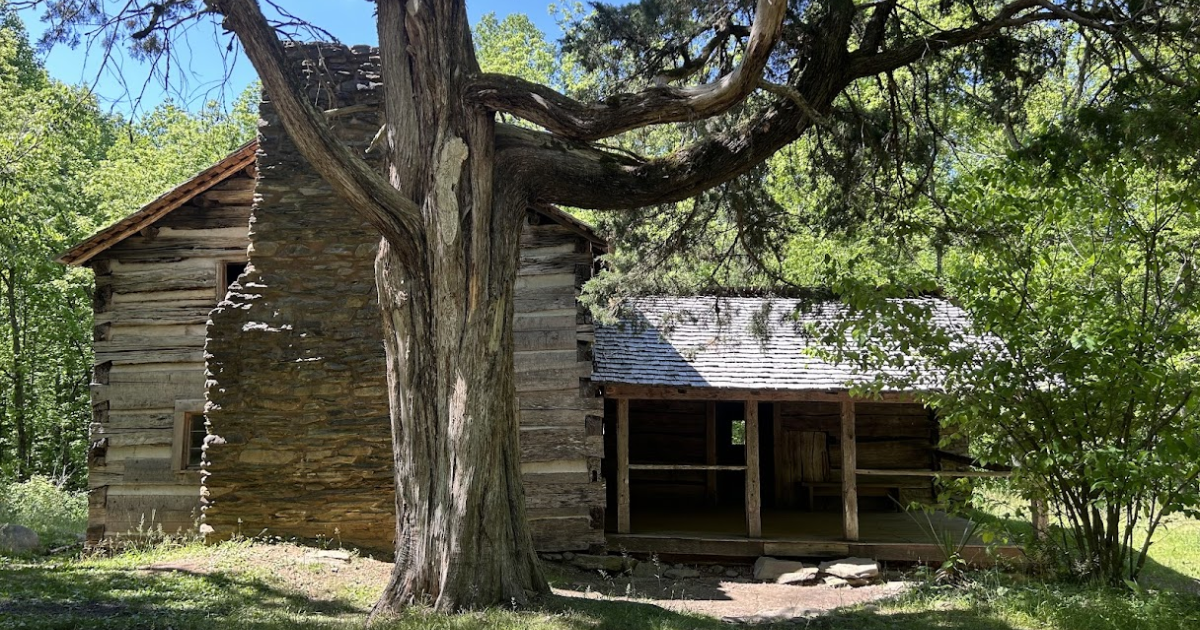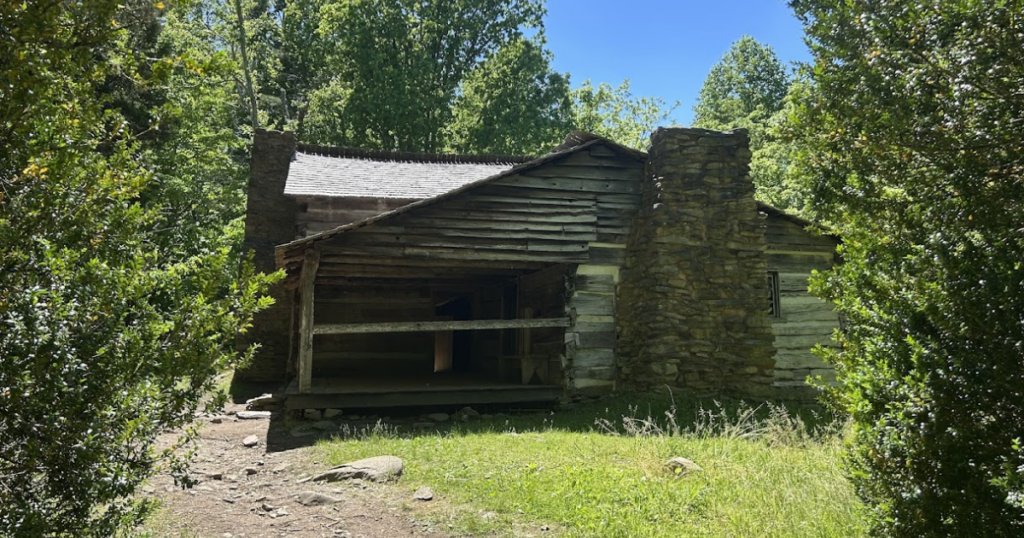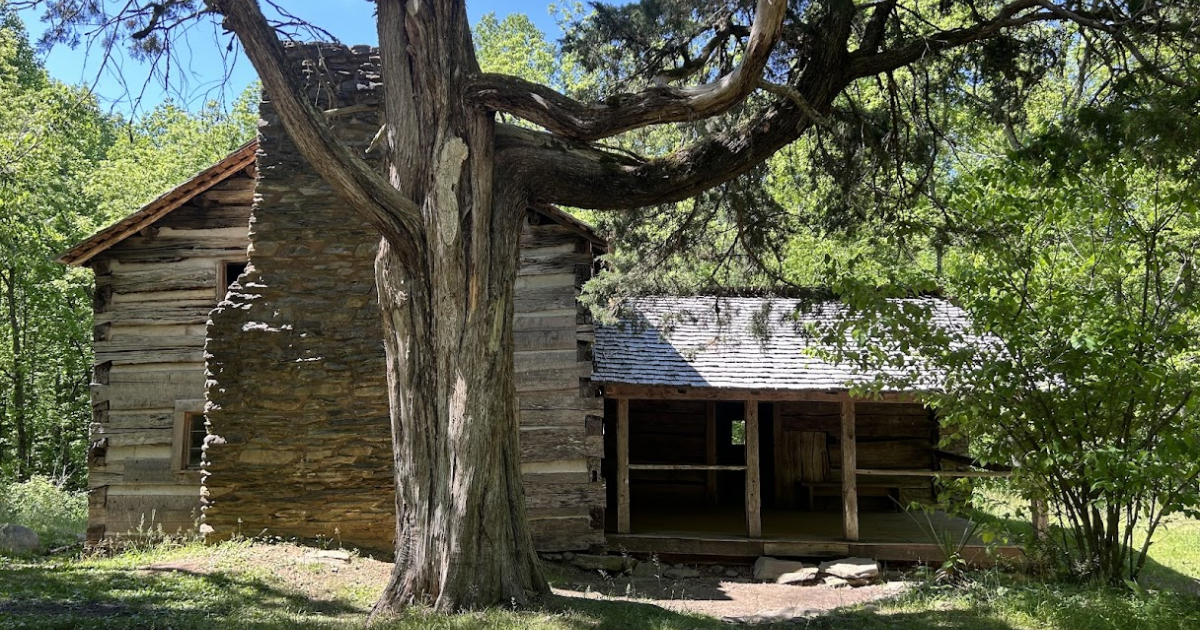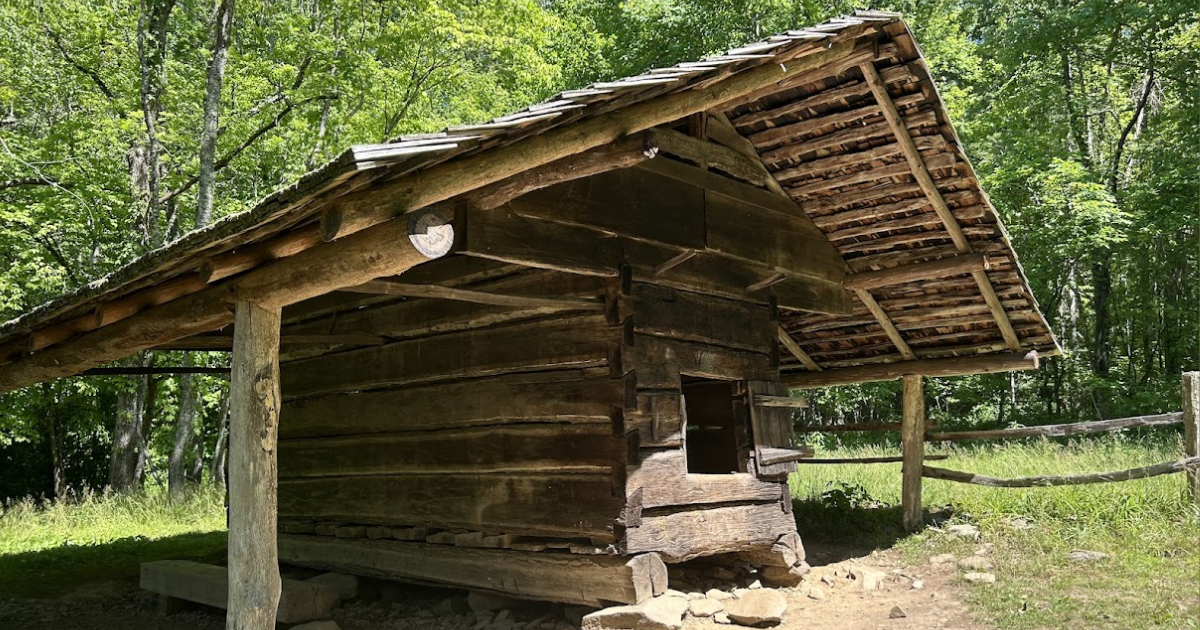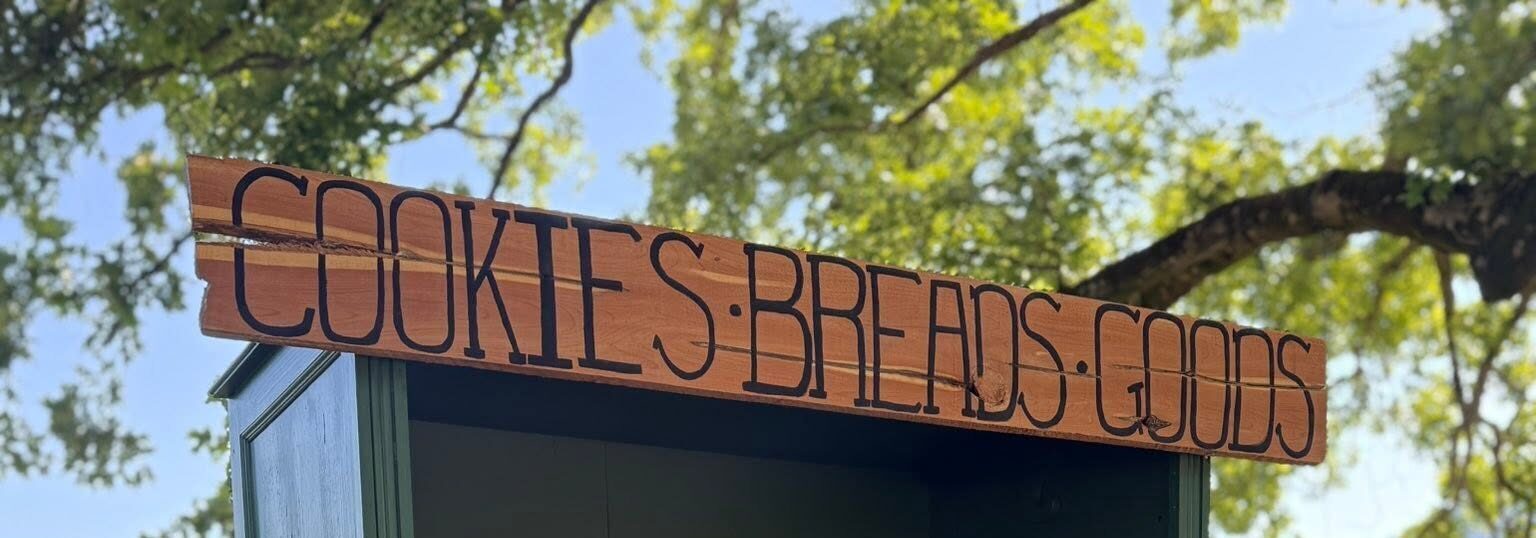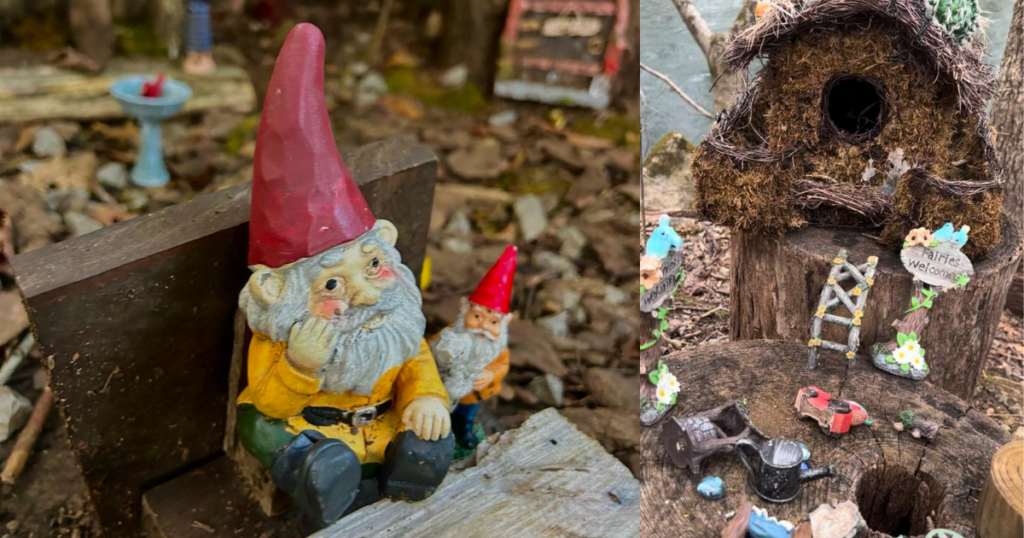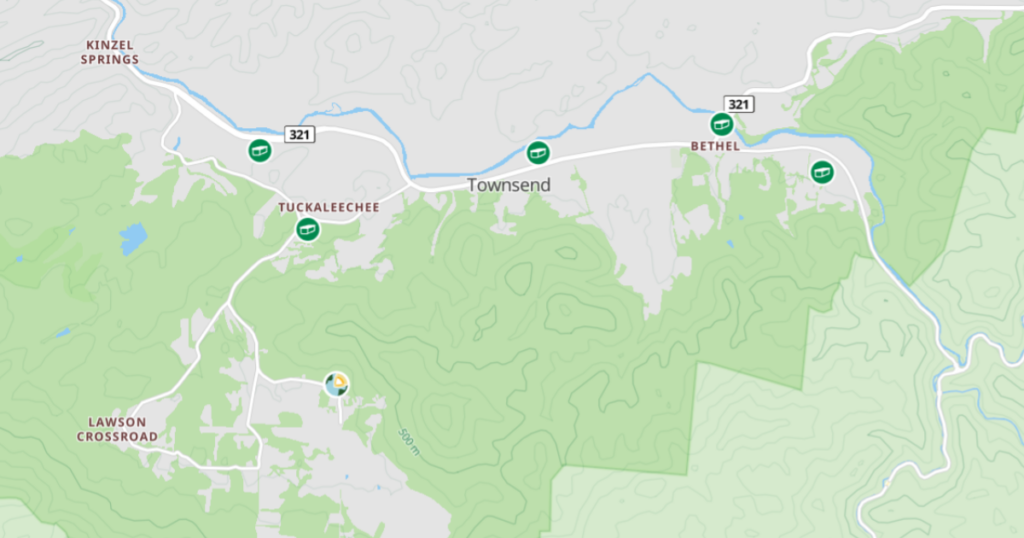
Townsend is all about slowing down. Look closer, and you’ll find the small stops many visitors miss, from a bakestand under a great oak tree to a neighborhood book box and faerie villages along the River Walk. Some are tucked along roadsides, others are hidden in plain sight, but all are worth the hunt.
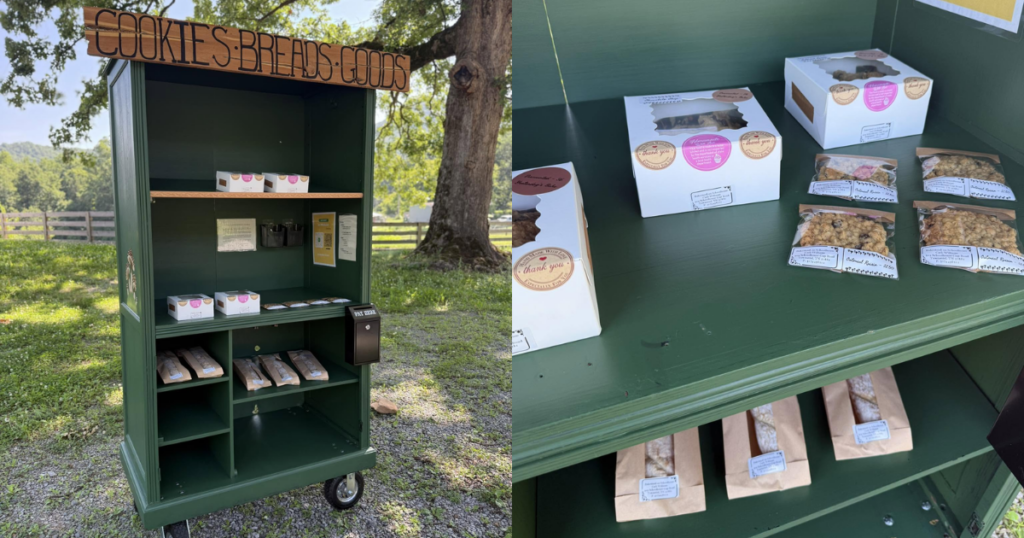
Bakestand on Schoolhouse Gap Road
Photo: Carli Williams, Bakestand on Schoolhouse
A small bakestand opened this spring at 909 Schoolhouse Gap Road. It offers a rotating selection of fresh baked goods, including cookies and baguettes.
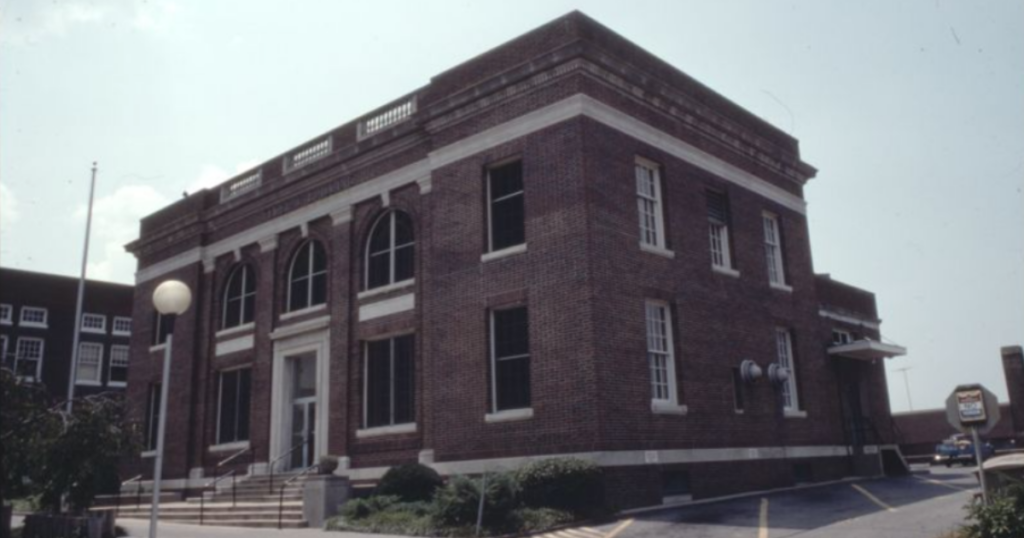
Outside the Townsend Municipal Building at 133 Tiger Drive, a Little Free Library gives visitors and neighbors a place to swap books. Take a book, leave a book. The library is sponsored by the Blount County Friends of the Library and listed as Charter #57896.
Chicken Feet Fleet Farm Egg Stand
Photo: Chicken Feet Fleet Farm
Chicken Feet Fleet Farm is a veteran-owned small family farm in Townsend specializing in free-range eggs and produce. At 1027 Dry Valley Road, the farm keeps a self-serve roadside stand stocked with fresh eggs on weekends and select weekdays.
The selection depends on the day and season, but if the “open” sign is up, eggs are available. Sometimes, they also offer homemade bread, butter and jelly, announced on their Facebook page.
Townsend River Walk & Arboretum
The Townsend River Walk & Arboretum is full of small discoveries. Along the walk, find faerie villages, painted stones, wood spirits, a hand-carved bear, the Townsend Express train, nature play areas, tree markers and other small details that reward a slower pace.
Townsend has other treasures you can only find with the Geocaching app. Geocaching is an outdoor treasure hunt that uses your phone’s GPS to guide you to hidden caches nearby.
A traditional geocache usually contains a small container and a logbook. When you find it, sign the log and return the cache exactly where you found it. Some caches include small trade items; the idea is to take something and leave something of equal or greater value.
Additional caches in the area may require a paid Geocaching Premium membership.
The next time you’re in Townsend, leave a little room in the day for the places you didn’t plan to find.
Born and raised in Maryville, Tennessee, with roots tracing back to Cades Cove, Emily Huffstetler is a proud Maryville College graduate and storyteller of the Greater Smokies region. She holds a Master of Science in Conservation Education from Mississippi State University.
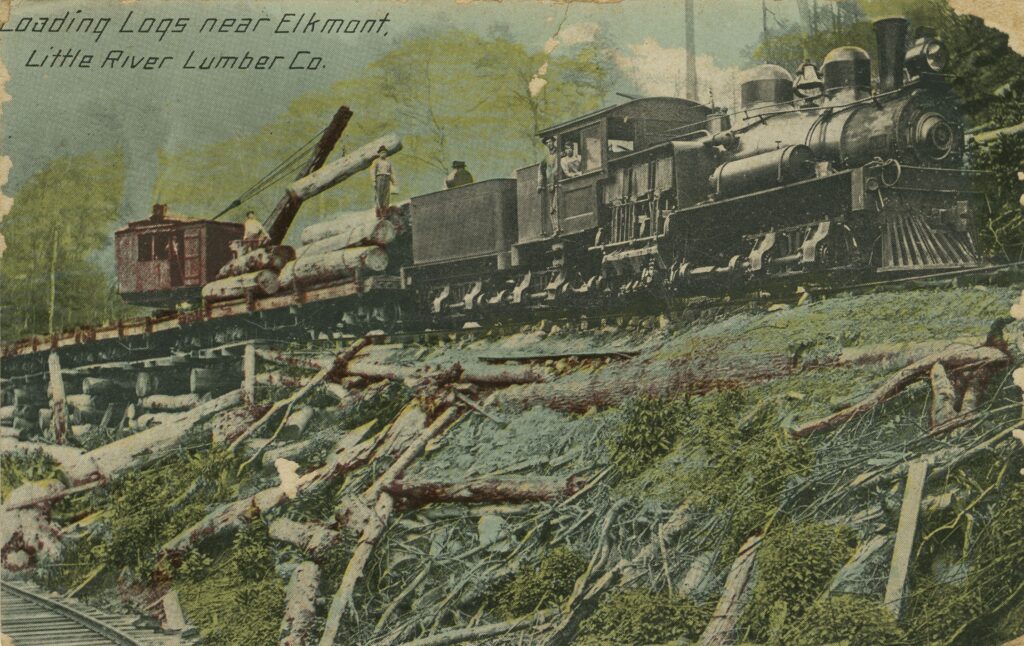
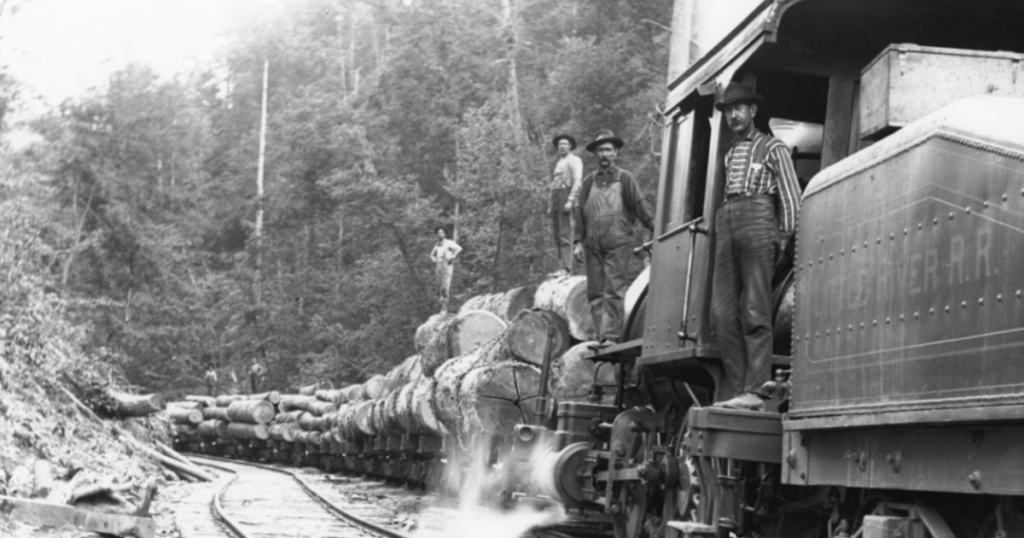
This weekend, the Townsend Mercantile celebrates its second anniversary, carrying on a name once tied to the town’s early logging days. While the shop isn’t connected to the original company store that served the Little River Railroad and Lumber Company more than a century ago, both have shared a similar purpose: serving the local community.
When the world shut down in 2020, Brooke Webb voluntarily stepped away from her corporate job to spend more time with her family. As life returned to normal, she transitioned to remote work to stay closer to home, but the traditional 9-to-5 routine no longer felt like a good fit. Her husband had opened several businesses of his own, and she started to wonder: why not build something around the things she enjoyed?
That’s when her idea to open Townsend Mercantile Co. was born. Today, the shop carries more than 2,000 products, including jewelry and accessories, home decor, toys, books, clothing, canned goods and locally made syrups—a modern-day general store that offers something for both locals and tourists.
Webb learned early on in her research that this was the name of a business that served Townsend in the early 1900s until shortly after the Little River Railroad and Lumber Company closed in 1949. Back then, loggers paid for their goods with “doogaloo,” coins that could only be redeemed at the company store. Webb said customers have visited and told her they still have some of the coins, and she even received one as a gift.
Fortunately, modern shoppers at Townsend Mercantile can stick to cash or card. Webb’s daughter, who likes to lend a hand when school is out, might even be the one ringing up customers.
“They don’t really teach counting change at school anymore,” Webb said. “When people pay in cash, I really try to encourage her to learn how to make change.”
It’s a win-win: her daughter is building valuable life skills, while also making her own mark on the store. Webb sometimes takes her along to markets, where she helps pick out items to stock. The store’s collection of Jellycats—a trendy line of plush toys—was inspired by her.
Webb has also taken her staff of high school and college students under her wing. Watching them grow has become one of her favorite parts of the business.
“I have girls that started with me in May of 2023, and seeing them grow and go on to their actual jobs…it’s a full-circle moment,” she said. “I don’t want to take all the credit, but they’re like my kids.”
She said she feels proud to give them an opportunity she wishes she had at their age. “Giving that to someone is probably my favorite thing about this job.”
While it can be challenging to employ young people because of their obligations to school and extracurriculars, Webb tries to give them “the best of both—to work but also get to enjoy doing the things that they should be doing at this age.”
Webb has also worked to build a collection of products that reflects her own creative vision. Some of her favorite items in the store are ones she’s designed herself or collaborated on with others.
“I really try to go above and beyond to find things that either a local can come in and get, or a tourist can’t find in other places,” she said. “I love any of our exclusive things that I’ve had a part in designing, whether that be a T-shirt, artwork [or other items].”
Currently, she’s working with an artist to create ornaments featuring the historic churches of Cades Cove. “I’m not an artist, but I do have a vision,” Webb said. “That’s one of the things I enjoy most: bringing those ideas to life.”
Along with exclusive designs, Webb makes a point to stock items from local and small businesses whenever possible. Supporting the local economy is especially important in a tourist town like Townsend, where business can slow down significantly in the off-season.
“Always keep in mind to shop local and small,” she said. “January and February are super slow, so we’re thankful for any type of shopping during those times—at our store or anywhere local. Otherwise, we can’t survive, and we can’t hire people. When you can, support any local businesses in Townsend.”
To learn more about Townsend Mercantile Co., visit www.townsendmercantileco.com. The shop is open 10 a.m. to 7 p.m. Monday through Saturday, and 12 p.m. to 6 p.m. on Sundays.
Born and raised in Maryville, Tennessee, with roots tracing back to Cades Cove, Emily Huffstetler is a proud Maryville College graduate and passionate storyteller of the Greater Smokies region.

Nestled in the heart of the Great Smoky Mountains, Townsend, Tennessee, has long been cherished as the “peaceful side of the Smokies.” But 2024 was its year to shine. This charming small town has garnered national—and even international—recognition, inspiring countless travelers to experience its natural beauty.
From awe-inspiring scenery to unparalleled outdoor activities, Townsend has received glowing praise from major publications. Let’s take a look at how the world has fallen in love with this hidden gem—and why it should be at the top of your travel list.
Southern Living’s Love Letter to the Peaceful Side
Southern Living celebrated Townsend in their East Tennessee Road Trip feature, calling it “a gateway to adventure and serenity.” The article highlighted its proximity to the Great Smoky Mountains National Park and its reputation as a quiet haven for families and outdoor lovers.
Another Southern Living piece, Nostalgic Summer Camp Destinations, encouraged readers to embrace a slower pace in Townsend, where simple pleasures like stargazing, hiking, and campfire nights feel timeless.
In AFAR’sCharming Small Towns Near National Parks, Townsend was praised as “a quiet retreat for nature lovers.” Its easy access to iconic locations like Cades Cove and its slower pace were highlighted as perfect for those looking to escape crowds.
Yahoo Lifestyle featured Townsend in its 10 Best Tennessee Mountain Towns roundup, describing it as “a haven for tranquility” and a perfect blend of adventure and relaxation.
11 Darling Small Towns in Tennessee “Peaceful and picturesque are two words that precisely describe the scenery in this Blount County gem. Townsend invites tourists to experience the quieter side of the Smokies and take advantage of its relaxed natural scenery. “
Travel + Leisure included Townsend in their Guide to Great Smoky Mountains National Park, applauding its blend of small-town charm and gateway access to some of the park’s best hiking trails and scenic spots.
For seasonal adventures, Only in Your State recommended Townsend as a top destination for springtime exploration in Spring Getaways in Tennessee. The blooming wildflowers, crisp mountain air, and serene vistas make it a must-visit.
Yahoo’s Spotlight on Budget-Friendly Adventures
In another feature, The Cheapest U.S. National Parks to Visit in 2024, Yahoo Lifestyle highlighted Townsend as an affordable gateway to the Great Smoky Mountains National Park, emphasizing its budget-friendly lodging and dining options.
PR Magic in Action
This year’s incredible media buzz was partly the result of a targeted public relations campaign that introduced Townsend to 435 million people and boosted county tourism tax revenue by 20%. Interested in the strategy behind this success? Read more about the power of collaboration in this blog post.
Plan Your Visit
Whether you’re seeking a peaceful retreat, thrilling outdoor adventures, or a gateway to the Smokies, Townsend is the perfect destination. Come experience the charm that’s captivated national attention—you might just fall in love with the “peaceful side of the Smokies.”
In Maryville, Tennessee, trying something new doesn’t have to mean taking on a big commitment. You don’t need to train for a marathon, sign up for a six-month course or spend a fortune on gear. Around here, a fresh experience might look like biking a new trail, rolling up to a jam session or stepping into a yoga class for the first time.
If you’re looking to add a little variety to your week, here are a few low-key options happening regularly around town.
Fourth Fridays | 8:30–11:30 a.m. | New Providence Church
Each month, volunteers host a large community sale in the church gym. You’ll find secondhand clothes, housewares, toys, seasonal items and more. Proceeds support over 20 local charities, and the sale’s been running for more than 50 years. Arrive early and keep your elbows out to snag the best deals.
You get a canvas, 30 minutes and a room designed for making a mess. The Splatter Vault is a paint-flinging, low-stakes way to try something creative without worrying about the outcome. Protective gear is provided, and you leave with a unique work of art.
The Maryville College Downtown Center, recently established, opens up their hands-on workshops to the community. Recent topics have included cheese making, canning and beginner homebrewing. Visit their website to see what’s up next.
Every Saturday from April to November, vendors set up in downtown Maryville selling produce, baked goods, handmade crafts and more—all grown or made by the folks behind the tables.
Craft vendors join the market once a month. Upcoming dates include Aug. 16, Sept. 20, Oct. 18 and two holiday markets, set for Nov. 8 and 15.
Brewhouse Flow Yoga takes place right inside Peaceful Side Brewery, and it’s as relaxed as it sounds. This all-levels yoga class wraps up with a post-stretch pint and brunch in the taproom.
Saturdays | 9:30–10:30 a.m. | Peaceful Side Social (Townsend)
If the brewery flow isn’t your vibe, head just down the road to Townsend for a quiet, beginner-friendly yoga class in Peaceful Side Social’s garage room.
This is a slow-paced social ride through Maryville’s greenway system. It’s a good fit if you’re just getting back on a bike or want to learn the local trails. Helmets and water are required.
This seasonal ride series is designed for beginner and intermediate women cyclists. Rides are grouped by pace, and you’ll also have access to clinics on everything from basic maintenance to injury prevention.
Fridays | 6:00–10:30 p.m. | Rocky Branch Community Center (Walland)
On Friday nights, musicians with banjos, fiddles, mandolins and guitars gather at an old-school gym for acoustic jam sessions. Just make a short drive to Townsend and stay as long as the music keeps going. Admission is by donation.
This pool room is non-smoking, family-friendly and geared toward both casual and competitive players. It features several Diamond tables and runs regular leagues and tournaments. Cues are available to rent if you’re just dropping in.
Born and raised in Maryville, Tennessee, with roots tracing back to Cades Cove, Emily Huffstetler is a proud Maryville College graduate and passionate storyteller of the Greater Smokies region.

In Townsend, summer has a way of drawing people to the Little River.
The river runs alongside the road, slips beneath the trees and winds toward Great Smoky Mountains National Park. For visitors and locals looking to cool off, tubing offers a direct way to experience one of the Peaceful Side’s defining features.
Townsend has two main tubing outfitters: Smoky Mountain River Rat and River Rage Tubing. Here’s what to know before you go.
Smoky Mountain River Rat offers two tubing routes on the Little River in Townsend. The main tubing outpost is located at 205 Wears Valley Road, and Outpost B is located at 8435 State Highway 73.
The routes include a relaxed float and a more active section with faster-moving water. Tubing is open to children as young as three years old, and dogs weighing 50 pounds or less are allowed on the Main Outpost route. Tube rental and shuttle transportation are included with the tubing pass.
The 2026 tubing season runs May 23 through Sept. 7. Both outposts are open daily from 10 a.m. to 5 p.m. The check-in desk closes at 4:30 p.m., and the last river entry is at 5 p.m.
Day passes start at $21.99 during the regular season, May 23 through June 19 and Aug. 10 through Sept. 7. During peak season, June 20 through Aug. 9, day passes start at $24.99. These rates include the $5 advance booking savings, which applies automatically at checkout when visitors book at least two days in advance. Season passes are $84.99.
River Rat also offers private riverside cabana rentals for groups who want space by the water. The cabanas are available for families with children younger than three, pregnant women and older adults who want to spend time by the river without tubing the full route.
Through June 6, Tennessee residents can receive $3 off tubing per person with a valid Tennessee ID. Online reservations are required. Use promo code TUBE26-LOCAL. Group discounts are also available throughout the season for parties of 20 or more.
River Rage Tubing is located at 8303 State Highway 73 in Townsend, near the entrance to Great Smoky Mountains National Park and the road toward Cades Cove.
The River Rage route is about 1.5 miles long. On average, the float takes one hour and 15 minutes to one hour and 30 minutes, without stops to swim or relax. The actual trip duration depends on the water level.
This year’s season runs through Labor Day and may be extended if weather allows. Tubers are put on the river starting at 10 a.m., with the last river entry at 5 p.m.
All-day passes are $25, and season passes are $75 each. The minimum age for tubing is six years old.
River Rage has changing rooms and portable bathrooms on site. Pets are not allowed. Visitors can book online and view real-time availability.
River Rat vs. River Rage: Which is Right for You?
Both outfitters get visitors on the Little River, but the details vary by route, price, age requirement and amenities. Here’s a side-by-side look.
Little River Campground & RV Resort, located at 7261 E. Lamar Alexander Parkway in Townsend, also offers tubing for overnight guests.
Tube rentals are currently available at the office for $18 each. The campground describes the route as a lazy river experience. Children 12 and under must wear life jackets in compliance with the TWRA, and water shoes are highly recommended.
While the tubing season is underway, its final day depends on conditions. To confirm availability before booking, call Little River Campground at (865) 738-3665.
After spending time on the Little River, consider giving back. The Little River Watershed Associationsupports conservation, education and recreation along the river through donations, volunteer cleanups and community programs.
Born and raised in Maryville, Tennessee, with roots tracing back to Cades Cove, Emily Huffstetler is a proud Maryville College graduate and storyteller of the Greater Smokies region. She holds a Master of Science in Conservation Education from Mississippi State University.
Sometimes, the best gifts don’t fit under the tree. They’re the memories you make with the people you love and the stories you’ll tell for years to come. Here are our favorite giftable experiences on the Peaceful Side.
Smoky Mountain Guides offers guided day hikes for all levels, small-group tours, guided backpacking trips, flatwater kayak tours and guided fly fishing in some of the most scenic corners of the Smokies. Their expert guides handle the logistics, while sharing local history and ecology along the way.
Turn it into a gift: Book an adventure they’ll love and tuck the confirmation into a new pair of hiking socks.
The Great Smoky Mountains Heritage Center is the perfect for anyone who loves local history and Appalachian culture. A membership unlocks unlimited museum admission, free entry to special events like Winter Heritage Fest, Kids Day and the Blue Ribbon Country Fair, plus select concerts, discounts and invitations to member-only happenings.
Turn it into a gift: Choose an Individual, Dual or Family membership and tuck the confirmation into a local history book.
Brooke Nix Medical Aesthetics in Maryville turns skincare into a relaxing treat. Guests can choose from a variety of facials and customize the experience with add-ons like a 20-minute face massage, hydration mask, eye and lip treatments, dry brushing, a scalp massage or a soothing hand treatment. It’s an excellent experience for that person who deserves a quiet hour to unwind.
Turn it into a gift: Pick up a gift card for a facial and include a note to choose their favorite add-on.
Pickleville Tennessee is East Tennessee’s new go-to spot for pickleball, with climate-controlled indoor courts, outdoor courts, a rooftop lounge and plenty of space to hang out between games. Whether they’re new to the sport or already a pro, it’s a great place to play a friendly match, join open play or take a lesson.
Turn it into a gift: Reserve a court for your crew and pair the confirmation with a new paddle.
Creative Spark Studio in Maryville is a DIY art studio where you can drop in for “Art Any Time” projects like string art, alcohol ink tiles, acrylic pours, rock painting, pottery painting and glass fusing, or sign up for a specialty class or workshop. It’s an all-skills-welcome space that makes it fun to try something new.
Turn it into a gift: Purchase a class or studio gift card and tuck it into a nice sketchbook.
Wild Laurel Golf Course in Townsend is a public 18-hole course tucked into a quiet valley on the Peaceful Side. The course is Audubon International Certified and uses environmentally sound practices, from native wildflower habitat for pollinators to reduced irrigation and water-quality protection. They also have a spacious tavern to unwind after your round.
Turn it into a gift: Book a tee time for 9 or 18 holes and pair the confirmation with a new hat.
Little Arrow Outdoor Resort in Townsend blends Smoky Mountain scenery with cozy comforts. Guests can choose from cabins, glamping tents, tiny homes, Airstreams and RV sites, all with easy access to the river, pool and hot tub, clubhouse and community firepits.
Turn it into a gift: Book a weekend camping trip and tuck the confirmation into a campfire mug.
RT Lodge in Maryville is a boutique lodge tucked into the Maryville College woods, and its on-site restaurant was recently recommended in the 2025 MICHELIN Guide to the American South. It serves a seasonal menu with Southern and Appalachian influences.
Turn it into a gift: Make a dinner reservation and tuck the confirmation into a card for a future evening.
Born and raised in Maryville, Tennessee, with roots tracing back to Cades Cove, Emily Huffstetler is a proud Maryville College graduate and passionate storyteller of the Greater Smokies region.
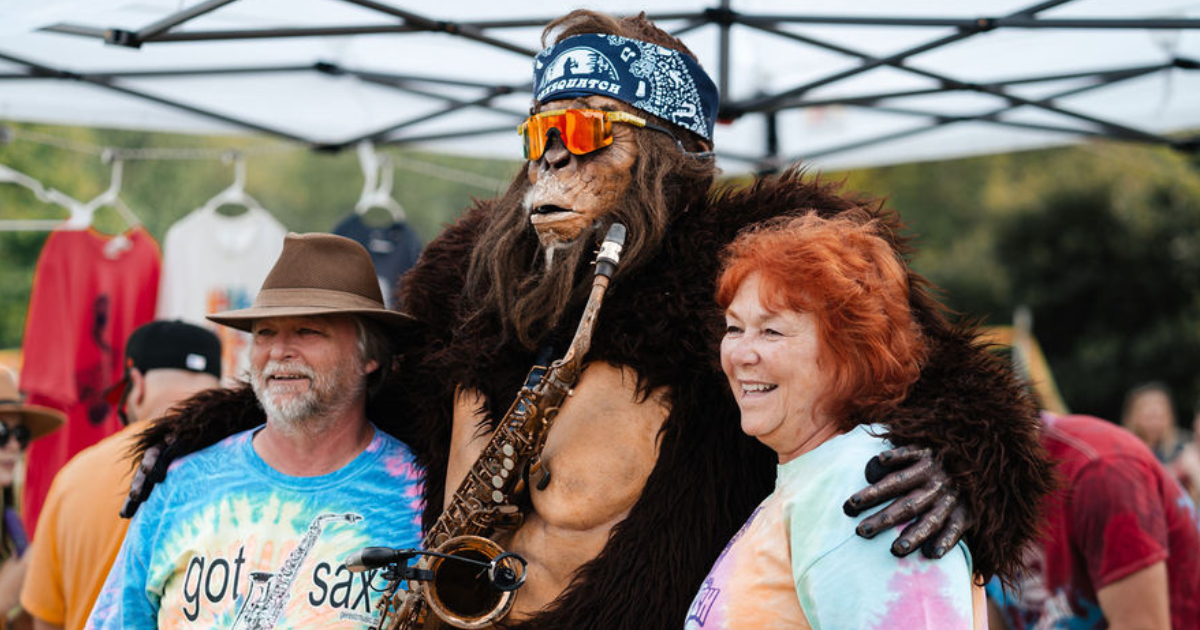
Love is in the air! Valentine’s on the Peaceful Side is for couples, families and friends alike. From pop-ups and brunches in Maryville to prix-fixe dinners and overnight getaways in Townsend and Walland, here are the local events and specials happening February 6 through 15.
Two full days of Valentine’s shopping inside Foothills Mall in Maryville. Vendors include permanent jewelry, charm bars, boutiques, handmade items, baked goods, a T-shirt bar and a hat bar.
Lambert’s Southern Pies & Bake Shop hosts a ticketed brunch buffet in the event room in Maryville. The menu includes pimiento cheese and bacon biscuit sliders, breakfast bacon and sausage, heart-shaped pastries, Danish, mini cheesecake bites, sliced pies, fresh fruit, biscuits with honey butter, and sausage gravy. Coffee, tea and juice are included.
Doors open at 10:30 a.m. Brunch runs from 11 a.m. to 1 p.m. Seating is limited to 40. Tickets are available for purchase in person or by phone.
Bella hosts a Valentine-themed pop-up in Downtown Maryville with finger foods, mimosas, photo-ops and a live author read-aloud. Local children’s author Leslie Jordan Henry reads The Adventures of Crazy Heels. Tickets include Mom and her mini, with a personally signed copy of the book.
Appalachian Apothecary + Sundries hosts a Valentine’s pop-up at 536 E Broadway in Maryville with multiple local vendors, including DaintyLinks Permanent Jewelry, Sourdough & Sundry, Foothills Nutrition, 2 Girls and a Cricket and Ruthie & Rebel Boutique.
Dancing Bear Appalachian Bistro in Townsend runs Valentine’s Week from Feb. 10 to 15, with curated “options for two” offered alongside the regular a la carte menu.
On Saturday, Feb. 14, the Bistro serves a prix-fixe menu for two from 5 to 9 p.m. Reservations are required.
RT Lodge’s Valentine’s Getaway Package runs Feb. 13 to 15 and includes a one-night stay, a 4-course dinner for two and breakfast. The Restaurant also hosts a ticketed Valentine’s dinner on Thursday, Feb. 12 from 5 to 9 p.m.
Hilton Knoxville Airport offers a Valentine’s Day Getaway package, available Friday and Saturday night only. The package includes king bed accommodations, a full breakfast for two at Coopers restaurant, a bottle of champagne or cider, milk chocolate-dipped strawberries and freshly baked chocolate chip cookies. For room reservations, contact the Sales Department at (865) 970-4300, extension 3.
Robin’s Nest Services hosts “Show Yourself Some Love” in Maryville with snacks, drinks, massage, stretching, expressive painting, love language discovery and a discussion on self-love. Reservations are required by phone.
Maryville College Downtown Center hosts a hands-on Valentine’s macaron bake night. Guests work in pairs, learn the fundamentals of macaron making and assemble a festive 4-inch macaron stack cake to take home. Each person receives a charcuterie cup from The Local Board and a sugar cookie from The Wildflour Bakery. Water and lemonade are provided, with beer available for purchase.
LOH hosts a Valentine’s Day ride starting at the Smoky Mountain Harley-Davidson in Maryville. Riders meet at 10:30 a.m., heading to the Social on Depot Hill in Athens, with a stop at Love’s Gas.
Creative Spark Studio hosts Blacksmithing Basics with Bryan, a beginner class focused on creating a metal heart. Participants learn techniques like heating, hammering and bending metal to create a heart that can work as a pendant, keychain or ornament. The class lasts 1.5 to 2 hours, and materials are included.
Session options run from 1 to 3 p.m. or 3 to 5 p.m. Close-toed shoes are required. The workshop is intended for ages 18+ (16 with a guardian).
Little Arrow Outdoor Resort hosts a Valentine’s craft at the Lookout Pavilion for guests only. Supplies are first come, first served. Adult supervision is required for children.
The Barn Event Center of the Smokies hosts an 80’s Valentine’s Dance Night with 80’s dance music, a photo booth, BBQ pork and chicken and Valentine’s desserts. The event is BYOB. Proceeds benefit the Great Smoky Mountains Heritage Center.
Blackberry Farm in Walland offers multiple Valentine’s activities and dining options. The schedule lists a birding walk departing from Oak Cottage, a red wine and chocolate tasting at The Barn and a romantic dinner.
Skins by Julie in Maryville hosts a Galentine’s Spa Party with pop-up shops, goody bags, discounts and a giveaway.
The event starts at 1 p.m.
Born and raised in Maryville, Tennessee, with roots tracing back to Cades Cove, Emily Huffstetler is a proud Maryville College graduate and storyteller of the Greater Smokies region.
Scouting out vegetarian options in the American South can feel like an Olympic sport. Even a simple bowl of grits might hide sausage, and house salads often come topped with bacon by default. When you’re on a family vacation, the last thing you want is to be that person holding up dinner plans. So we’ve done the legwork for you. Here are our favorite spots for vegetarian-friendly dining on the Peaceful Side.
This is hands down the most vegetarian-friendly fine dining option on the Peaceful Side. Foothills Milling Co. offers a dedicated vegetarian menu, with creative, elevated dishes that don’t treat vegetables as an afterthought.
Vegetarian Entrées Include:
Tempura Fried Vegetables (Vegan): Tempura-fried asparagus, green beans and sesame-roasted mushrooms over scallion jasmine rice, with sweet Thai chili sauce and baby green beans.
Orechiette Mushroom: Orecchiette pasta tossed with basil pesto, wild mushrooms and roasted tomatoes, topped with shaved parmesan.
Pasta Primavera (Vegan): Broccolini, baby portabellas, sun-dried tomatoes, heirloom carrots and asparagus in a tomato basil sauce with orecchiette pasta.
More than just a bookstore and community hub, Southland Café has one of the most expansive vegetarian menus in town—at prices that make you feel like you’ve time-traveled to 2010.
Highlights Include:
Davinci: Pimiento cheese sandwich with lettuce and tomato on toasted bread
Dalai Lama: Hummus, black olives, cucumber, tomato, lettuce and feta in a wrap
Isaac Newton: Hummus, black beans, mushrooms, bell pepper and lettuce in a wrap
Thomas Edison: Pimiento cheese, cucumber, Swiss, tomato and lettuce in a wrap
Chickpea salad sandwiches, tofu sandwiches, vegan BLTs and classic egg sandwiches round out a menu full of comforting options.
Born and raised in Maryville, Tennessee, with roots tracing back to Cades Cove, Emily Huffstetler is a proud Maryville College graduate and passionate storyteller of the Greater Smokies region.

Detail from an 1865 U.S. Coast Survey map of East Tennessee showing Maryville and the surrounding area. Library of Congress, Geography and Map Division, public domain.
Two Tennessee Civil War Trails markers stand about 10 miles apart in Blount County.1 One tells of a hidden cave used to shelter people seeking freedom and safety. The other marks a Confederate attack that sent fire through downtown Maryville.
Together, the stops reflect the strong Union loyalty that put Blount County, like much of East Tennessee, at odds with the statewide vote.2 Although Tennessee voted to leave the Union in 1861, the Maryville marker records Blount County’s vote as 1,766 against secession and 414 in favor.1
Civil War Trails connects more than 1,500 sites across six states. Rather than focusing only on major battlefields, the program places markers in the communities where the war unfolded. Its maps help visitors follow those stories from one stop to the next.3
The Underground Railroad in Friendsville
“The Underground Railroad” marker stands outside the Friendsville Friends Meeting at 503 W. Hill Ave. Quakers began settling near present-day Friendsville in the 1790s. During the Civil War, members of the meeting helped enslaved people seek freedom, guided Union supporters and conscientious objectors north and raised money for escape efforts.1,4
The marker names William J. Hackney, who began using a nearby cave after the Confederate Conscription Act passed in 1862.4 In his 1895 book, Southern Heroes; or, The Friends in War Time, Fernando G. Cartland described Hackney as a leading member of the Friendsville meeting who opposed secession and conscription. The cave sheltered men avoiding Confederate service and others who opposed the Confederacy.5
Beside a lightly traveled road, boulders, brush and fallen branches concealed an entrance barely large enough to crawl through. Beyond it, the cave opened into a chamber that could hold about 50 people. Hackney brought in bedding and provisions, while his wife prepared food for those hiding inside.5
When conditions allowed, Hackney guided groups west at night to another Underground Railroad station. He then returned home to prepare for new arrivals. The 1895 account credits him with helping more than 2,000 people, though the figure was published about 30 years after the war.5
Title illustration from John Townsend Trowbridge’s 1864 antislavery novel Cudjo’s Cave. Public domain, courtesy of Project Gutenberg.John Townsend Trowbridge, author of the antislavery novel Cudjo’s Cave, in 1896. Public domain.
After the war, the Friendsville cave became associated with John Townsend Trowbridge’s antislavery novel Cudjo’s Cave. Set in a fictional East Tennessee community, the book follows Union supporters and two men who escaped slavery as they hide from Confederate forces. Trowbridge wrote the novel before visiting East Tennessee, and the association developed later through local tradition.6,7
The cave lies across the creek from the meetinghouse but is not publicly accessible.7
Maryville During the Civil War
“Maryville During the Civil War” marker stands in Bicentennial Greenbelt Park near downtown Maryville.8 The marker begins with Blount County’s antislavery history. Residents organized an abolitionist society in 1822, and local ministers continued speaking against slavery before the war.1
In August 1864, a small detachment of the 2nd Tennessee Infantry (U.S.) under Lt. James M. Dorton was stationed at the Blount County Courthouse. Confederate cavalry under Gen. Joseph Wheeler entered Maryville and attacked the Union position at the courthouse.1
Confederate Gen. Joseph Wheeler, photographed between 1862 and 1865. Library of Congress, public domain.
When Dorton refused to surrender, Confederate troops set nearby buildings on fire to force the soldiers out. The courthouse survived but sustained structural damage, while flames destroyed many surrounding buildings.8,9,10 The Union detachment eventually surrendered.8 By the end of the attack, flames had destroyed about half of Main Street, now Broadway.10
The Maryville stop also tells the story of Polly Toole, a formerly enslaved woman who saved Blount County’s public records from the fire. County Clerk Washington L. Dearing had moved the records from the occupied courthouse to James Toole’s store across Main Street. As the fire reached the store, Polly Toole carried the records to safety.8
Visitors can find the marker along the greenway in Bicentennial Greenbelt Park.8 The Civil War-era courthouse stood at Cusick and Main streets, where Broadway runs today.10
Visit CivilWarTrails.org to explore the full network and plan a route to Blount County’s two stops.
Born and raised in Maryville, Tennessee, with roots tracing back to Cades Cove, Emily Huffstetler is a proud Maryville College graduate and storyteller of the Greater Smokies region. She holds a Master of Science in Conservation Education from Mississippi State University.
The Great Smoky Mountains continues to be the most-visited national park, welcoming over 13 million visitors in 2023. This immense popularity can strain the environment and wildlife. Fortunately, you can reduce your footprint by supporting these local nonprofits.
Appalachian Bear Rescue cares for these orphaned cubs and yearlings, as well as injured bears, until they are ready to return to the wild. Their methods are research-based, and they share their findings with the scientific community. Since 1996, ABR has cared for nearly 300 bears, providing updates about each of them to their 200k+ followers on Facebook.
To reduce the number of orphaned bears, ABR increases public awareness about coexisting with black bears. Their Visitor and Education Center offers classes on every aspect of black bear life.
To volunteer, request an application from the Volunteer Coordinator. You can also support ABR by making a donation on their website or purchasing gifts from their Amazon wish list.
Friends of the Smokies
Photo by Bruce McCamish.
Friends of Great Smoky Mountains National Park assists the National Park Service in preserving and protecting the park by raising funds, increasing public awareness and providing volunteers for essential projects.
The organization hosts several special events throughout the year, including the Cades Cove Loop Lope, the only organized footrace held inside Great Smoky Mountains National Park. This year’s 8th annual race will take place on Sunday, November 10, featuring a 10-mile course and a 5K. Last year’s race sold out with 750 participants from 27 states, so register soon to secure your spot.
Another eagerly anticipated event is Plein Air in the Smokies, which brings 20 nationally acclaimed artists to paint “en plein air” (outdoors) throughout the national park. These one-of-a-kind paintings will be available for sale at a Collectors Soirée on Sept. 27th in Downtown Knoxville at Regas Square Events. You can purchase soiree tickets or view the schedule of events on their website.
If you’d like to volunteer for Friends of the Smokies, you can also fill out an application detailing your skills and interests. The organization will contact you as opportunities arise.
Great Smoky Mountains Institute at Tremont
Photo by Hank Dye.
The Great Smoky Mountains Institute at Tremont partners with the Great Smoky Mountains National Park to deliver experiential learning for youth, educators and adults. Their programs promote self-discovery, critical thinking, and effective teaching and leadership, connecting people with nature for over 50 years.
They post volunteer opportunities, ranging from data entry to adopting and monitoring a salamander stream, on their website. If you don’t see a fitting opportunity listed, you can sign up for their volunteer newsletter to be notified as new positions open.
Volunteer opportunities at the Tremont Institute range from data entry to adopting and monitoring a salamander stream. If you don’t find a suitable opportunity listed, you can sign up for their volunteer newsletter to be notified as new positions open.
To support the Tremont Institute financially, you can make a donation on their website, link your Kroger Plus Card to the organization, order a book from their wish list for their library, or purchase something from their gift store.
There are also several ways to financially support the Tremont Institute. You can take a traditional approach and make a donation on their website. Other options include linking your Kroger Plus Card to the organization, ordering a book from their wish list for their library or purchasing something from their gift store.
Keep Blount Beautiful
Photo courtesy of Keep Blount Beautiful.
Based in the foothills of the Smokies, Keep Blount Beautiful is an award-winning nonprofit that works in litter prevention, waste reduction, beautification and environmental education. To support their mission, you can participate in a community cleanup or recycling collection event, or donate on their website.
Whether you’re just passing through or a local resident, supporting environmental nonprofits can help preserve the beauty and biodiversity of the Peaceful Side.
Born and raised in Maryville, Tennessee, with roots tracing back to Cades Cove, Emily Huffstetler is a proud Maryville College graduate and passionate storyteller of the Greater Smokies region.

On the Peaceful Side of the Smokies, rainy days don’t have to put a damper on your plans. Here’s a guide to some of our favorite spots in Maryville and Townsend where you can stay dry and still have an adventure.
Maryville
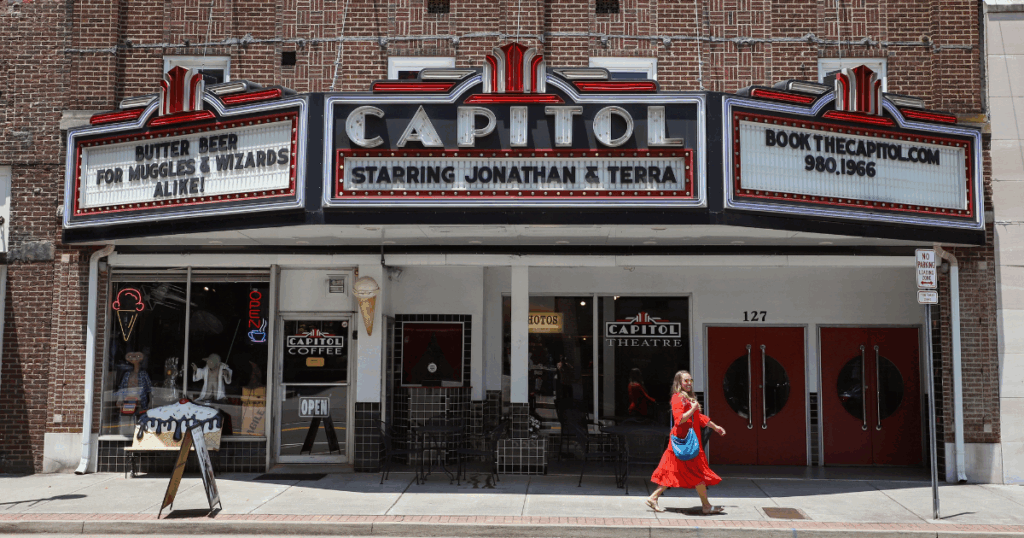
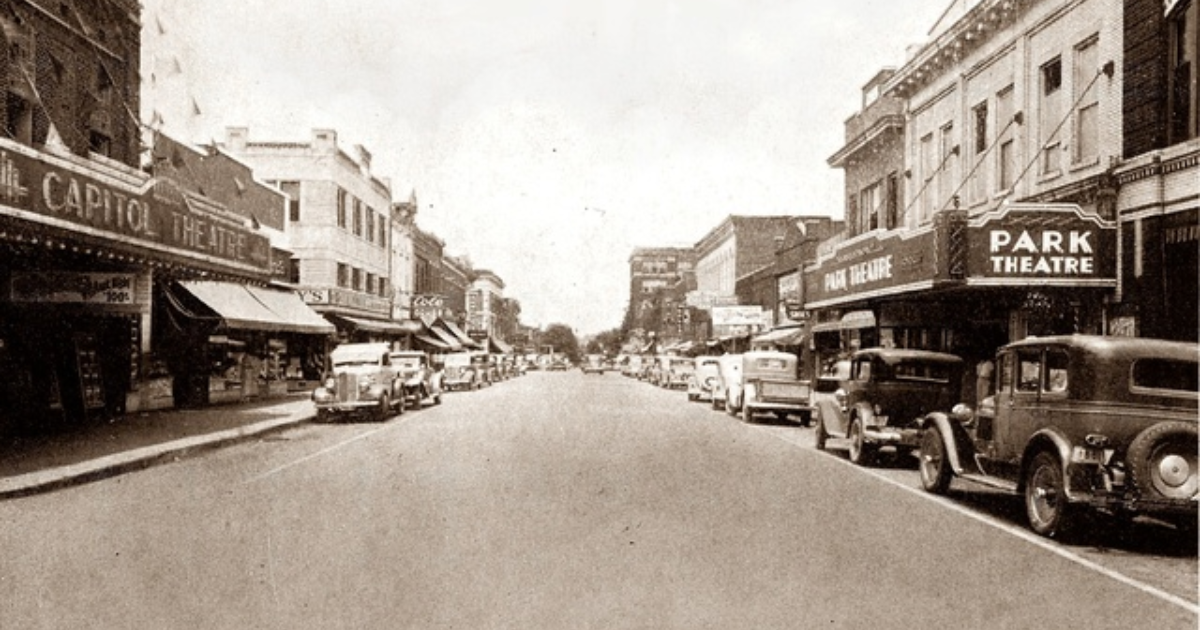
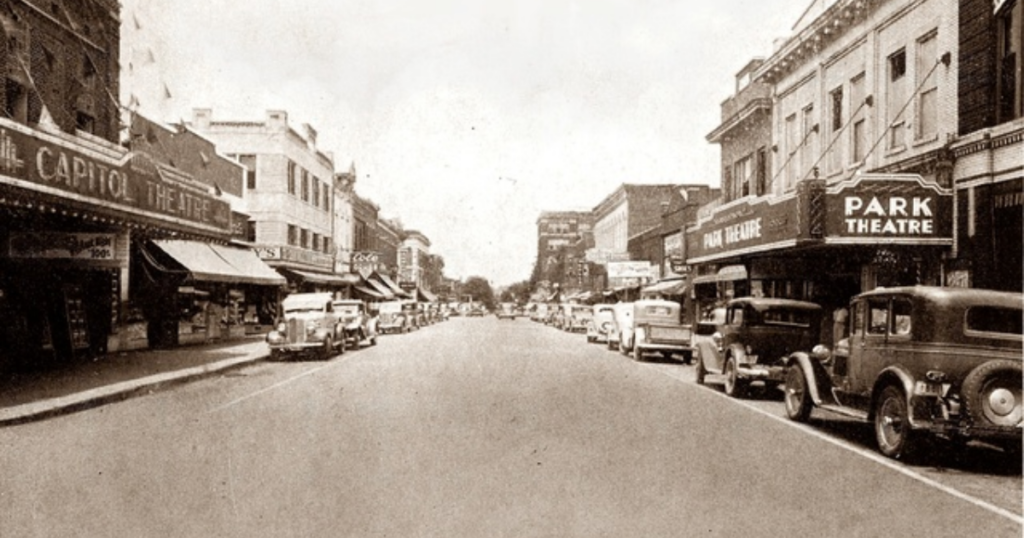
The Capitol Theatre, dating back to 1934, was once the largest of three movie houses in Downtown Maryville. After a renovation in 2008, this art-deco gem now houses a unique coffee shop and ice cream parlor.
The parlor is filled with movie memorabilia from floor to ceiling, and the menu features a variety of themed sundaes, floats, candies and bottled drinks to choose from. Indulge in treats like the Pirate’s Treasure, a salted caramel sundae, or get energized with espresso drinks like the Flux Capacitor. If you’re feeling adventurous, you can even take on the eight-scoop King Kong Sundae.
If you’d prefer something more casual, head down the road to Vienna Coffee House, with signature drinks like Muddy Pond Mocha (espresso, steamed milk, Muddy Pond sorghum, Ghirardelli chocolate and vanilla) and the Thunderhead Latte (Thunderhead Espresso, steamed milk, local honey, nutmeg and cinnamon). They serve breakfast and lunch until 3 p.m. Monday through Saturday.
Photo courtesy of Southern Grace Coffee Co.
Southern Grace Coffee Co.is another local favorite, offering fair-trade organic coffee, tea and gluten free baked goods. Right next door, Southern Grace Manorserves breakfast and lunch. With dreamy porches and expansive windows, these renovated historic houses are the perfect place to cozy up on a rainy day.
Photo courtesy of Pinkie Mistry.
While you’re downtown, immerse yourself in the local arts scene at Pinkie Mistry Art, a fine art and gallery studio, or stop by the Clayton Center for the Artson the Maryville College campus. This dynamic performing arts venue features concerts, plays, dance performances and art exhibitions throughout the year.
If you’d like to stay active despite the weather, the Family Life Center at First Baptist Church of Maryvilleoffers plenty of options during the week. Take advantage of group fitness classes, an indoor track, weight machines and cardio equipment, or join a game of basketball, volleyball, pickleball or racquetball. On the weekend, shake up your routine at the Roll Arena Party Zone roller skating rink.
Townsend
Tuckaleechee Cavernshas been drawing visitors underground for over a century, showcasing towering stalagmites, flowing underground streams and the impressive Big Room—large enough to fit a football field. Rainy days are the perfect excuse to explore this subterranean wonder, where the temperature remains a cool 58 degrees year-round.
If you prefer to stay above ground, Townsend is home to several museums that offer a glimpse into the region’s rich heritage.
Photos courtesy of Appalachian Bear Rescue.
At Appalachian Bear Rescue’s Visitor and Education Center, learn about the rehabilitation of orphaned and injured black bear cubs before they are released back into the wild. While the bears themselves aren’t on display, interactive exhibits and educational presentations provide an up-close look at their journey.
Photo courtesy of the Great Smoky Mountains Heritage Center.
Step back in time at the Great Smoky Mountains Heritage Center, where historic cabins, preserved artifacts and rotating exhibits tell the story of the region’s early settlers and Indigenous peoples. Wander through the museum or take a guided tour to learn about Appalachian traditions, crafts and daily life from centuries past.
Photo courtesy of the Little River Railroad and Lumber Company Museum.
The Little River Railroad and Lumber Company Museum offers another fascinating look at Townsend’s history. This small but engaging museum highlights the impact of the logging industry on the Smokies, featuring historic locomotives, railroad artifacts and exhibits on the early days of tourism in the region.
Photo courtesy of Kathleen A. Janke.
Find inspiration at the Townsend Art Center, home to the Townsend Artisan Guild. This creative hub showcases the work of local painters, potters, woodworkers and fiber artists. Or check out Gracehill Fine Art & Basketry, featuring alcohol inks, photography and basketry by Kathy Janke.
If you’re wanting to grab a bite to eat, but also want to stretch your legs, Apple Valley Mountain Village is just the place. They have a cafe, coffee shop and general store with plenty of goodies to take home.
What’s your favorite rainy day activity on the Peaceful Side? Tag us on social media (@PeacefulSmokies) to share your thoughts.
Born and raised in Maryville, Tennessee, with roots tracing back to Cades Cove, Emily Huffstetler is a proud Maryville College graduate and passionate storyteller of the Greater Smokies region.

Gum Swamp is a karst-depression wetland beneath the forest canopy in Cades Cove. Photo courtesy of Alan Cressler, U.S. Geological Survey.
Cades Cove is one of the Smokies’ most familiar landscapes, but its wetlands receive far less attention.
Across the valley, water collects in several kinds of wetlands, including a seven-acre rush marsh, low-lying areas near Sparks Lane and the forested Gum Swamp.1,2 It may fill natural depressions, spread across the forest floor or disappear beneath tall vegetation.
Wetlands don’t need to stay flooded throughout the year. Some hold shallow water during rainy periods, then look grassy or dry as the water level drops. Even after the surface water recedes, wetland soils and plants remain.
Where to Find Wetlands in Cades Cove
Sparks Lane crosses a low-lying section of Cades Cove.
Sparks Lane offers a good place to start. Listen for frogs and check the low ground near the road, where tall vegetation may conceal shallow or seasonal water.1
Rushes and sedges can mark wetter ground after visible water disappears. A shallow depression may also hold water without forming a permanent pond or clear shoreline. Spring rain can cover ground that looks dry by late summer, so the same wetland may appear different from one visit to the next.
Elsewhere in the cove, Gum Swamp can be difficult to recognize from a distance. The canopy and ground vegetation obscure shallow pools that collect across a natural depression beneath the trees.2,3
Stay on roads and established paths while viewing these habitats. Foot traffic can compact saturated soil, damage plants and disturb animals that use the water for breeding or cover.
What Lives in Cades Cove Wetlands?
Marbled salamanders are among the amphibians found in Cades Cove. Photo courtesy of Jean Richter, U.S. Fish and Wildlife Service.
Frogs use Cades Cove’s seasonal wetlands for breeding. Some temporary pools function as vernal pools, remaining wet long enough for eggs to hatch and tadpoles to develop into young frogs before the water level drops later in the year.
The Smokies support 31 salamander species.4 They often live along streams or beneath rocks, logs and leaf litter where moisture remains available. Because they exchange gases and absorb moisture through their skin, salamanders are especially sensitive to changes in water quality and moisture.
Dragonflies depend on water during their early development. Their nymphs live below the surface before emerging as flying adults.
Many bird species, including Great Blue Herons, Green Herons, Wood Ducks and Red-winged Blackbirds, rely on Cades Cove wetlands, too.5 They use shallow water, forested wetlands or marsh vegetation for food and cover.
Why Do Wetlands Matter?
A seasonal pond in Tennessee holds water beneath the forest canopy. Photo courtesy of Alan Cressler, U.S. Geological Survey.
Wetlands cover less than 1% of Great Smoky Mountains National Park, but more than a quarter of its plant species grow in them. Eight percent of the park’s plant species occur only in wetland habitat.1
After heavy rain, their soil and vegetation hold water temporarily, reducing the amount that enters streams at once. As water passes through plants and soil, wetlands trap sediment and some pollutants. Slower runoff can reduce stream erosion and replenish groundwater.
Even a small wetland can support species that wouldn’t find suitable conditions in the surrounding fields or drier forests.
How People Changed Cades Cove Wetlands
Open meadows still cover much of the Cades Cove valley floor. Photo courtesy of Warren Bielenberg, National Park Service.
Families farming Cades Cove dug ditches and drained wetlands to create more usable land. Their work redirected water across the valley and reduced wetland habitat.6
After the national park acquired the farms, managers continued to maintain large areas for cattle grazing and hay production. They planted European fescue in many of the fields, covering large areas with a single grass species. As a monoculture, the fescue offered less varied habitat and fewer food sources for wildlife.6
The cattle and hay leases expired in the late 1990s. Park crews then began restoring selected wetlands and planting native grasses and wildflowers. Since 2002, crews have collected native seeds, grown them in production fields and replanted them across parts of Cades Cove.6
Crews still mow some fields regularly and maintain others with native plantings and prescribed fire, depending on the goals for each section of the valley.6,7
Since 2010, a park-wide inventory has identified more than 600 wetlands, including marshes, floodplain forests and high-elevation seeps. Park managers use that information to guide restoration, manage invasive plants and monitor wetland habitat over time.1,2
Learn More: Townsend’s Wetland Display
Visitors can learn more at the Great Smokies Welcome Center in Townsend. A wall display installed in fall 2025 combines photographs with scientific illustrations to introduce four of the park’s 10 wetland types: beaver pond marshes, floodplain canebrakes, wet seepage meadows and Blue Ridge high-elevation seeps.8
Featured plants and animals include beavers, marbled salamanders, giant cane and grass of Parnassus. The welcome center is located at 7929 E. Lamar Alexander Parkway.8
Born and raised in Maryville, Tennessee, with roots tracing back to Cades Cove, Emily Huffstetler is a proud Maryville College graduate and storyteller of the Greater Smokies region. She holds a Master of Science in Conservation Education from Mississippi State University.
Recent Comments