Tag: Cades Cove

New Year Reset: 5 Gentle Ways to Get Outside 

Written by: Emily Huffstetler 

Feeling cooped up after the holidays? Kick off the New Year with fresh air and a fresh start. Here are five gentle ways to get outside on the Peaceful Side. 

  1. See Sculptures on the Maryville-Alcoa Greenway 

Photo: Dogwood Arts & Jared Worsham Photography

Dogwood Arts’ Art in Public Places brings outdoor sculptures to spots around Maryville and Alcoa, and several are easy to pair with a walk on the Maryville-Alcoa Greenway. 

The greenway is a paved route that stretches nine miles, connecting Springbrook Park in Alcoa with Maryville’s Bicentennial Greenbelt and Sandy Springs Park. You can park, walk a short section and admire public art. 

Look for these installations on or near the greenway: 

  • “Archaeopteryx” (John Parker) near the Blount County Courthouse greenbelt
  • “Airstream” (David Sheldon) at Jack Green Park
  • “Lil Blue” (Nathan Pierce) near Vienna Coffee House
  • “Cathedral” (Ann Melanie) across from the Alcoa Municipal Building 

Related read: “Art in Public Places” Brings Six New Sculptures to Blount County

  1. Sit Outside and Sip a Hot Coffee  
Photo: Southern Grace Coffee Co.

A hot drink outside is a cozy reset. Find a porch or patio seat and slow down for a bit. Research shows that time in a natural setting can lower stress hormone levels, with strong results reported around the 20 to 30 minute mark. 

Vienna Coffee House in Maryville is nestled beside Pistol Creek, and Southern Grace Coffee Co. is great for porch-sitting. In Townsend, The Dancing Bean has outdoor deck seating with a Smokies backdrop. 

  1. Stroll Along the Little River 

For a peaceful river walk, head to the Townsend River Walk and Arboretum. The path runs along the Little River and stays close to town. 

Keep an eye out for the fairy villages tucked along the trail and the Children’s Discovery Garden. If you want to add a short side trail, the Bluebell Trail features a footbridge and a Little River viewing platform with benches. 

Related read: Discover Fairy Villages and the Troll Bridge in the Smokies

  1. Go for a Leisurely Hike 

You don’t have to go far to make your hike count. For a slow start, pick a shorter trail and turn around when you’re ready. 

Here are a few low-elevation trails on the Peaceful Side: 

  • Avent Cabin (Elkmont) – 2 miles roundtrip, ~500 ft gain   
  • Abrams Falls (Cades Cove/Townsend) – 5.2 miles roundtrip, ~675 ft gain   
  • Schoolhouse Gap (Townsend) – 3.8 miles roundtrip, ~513 ft gain   
  • Spruce Flats Falls (Tremont) – 1.4 miles roundtrip, ~460 ft gain   
  • Middle Prong Trail (Tremont) – choose your distance; ~200–300 ft gain for the first 1–2 miles   
  • Little River Trail (Elkmont) – 4.9 miles roundtrip, ~412 ft gain   
  • Little Brier Gap / Walker Sisters Place (Metcalf Bottoms) – 2.6 miles roundtrip, ~285 ft gain   
  • Meigs Mountain Trail (Elkmont) – 4.6 miles roundtrip (out-and-back section), ~661 ft gain 

Before heading out, check the Great Smoky Mountains National Park’s official alerts page for closures and updates.  

Related read: 10 Tips for Winter Hiking in the Smokies – Safety, Trails 

  1. Take a Scenic Drive in the Mountains 

Scenic drives are a calm way to feel the Smokies in winter. You get the views and fresh air, without needing a big plan. 

Cades Cove is a classic near Townsend. The 11-mile, one-way loop circles the valley and gives you access to historic sites, trailheads and wildlife viewing. 

For panoramic mountain views, the Foothills Parkway is the best option. The Walland to Wears Valley section is 14.75 miles one-way. This is the newer section, completed in 2018, with 10 designated waysides and overlooks along the route. 

Alternatively, the Chilhowee to Walland section is 16.6 miles one-way. It has more pull-offs overall, with 16 parking areas and 14 scenic overlooks. 

Born and raised in Maryville, Tennessee, with roots tracing back to Cades Cove, Emily Huffstetler is a proud Maryville College graduate and storyteller of the Greater Smokies region.   
The Peaceful Side in 1926: 100 Years Ago in the Smokies 

Written by: Emily Huffstetler 

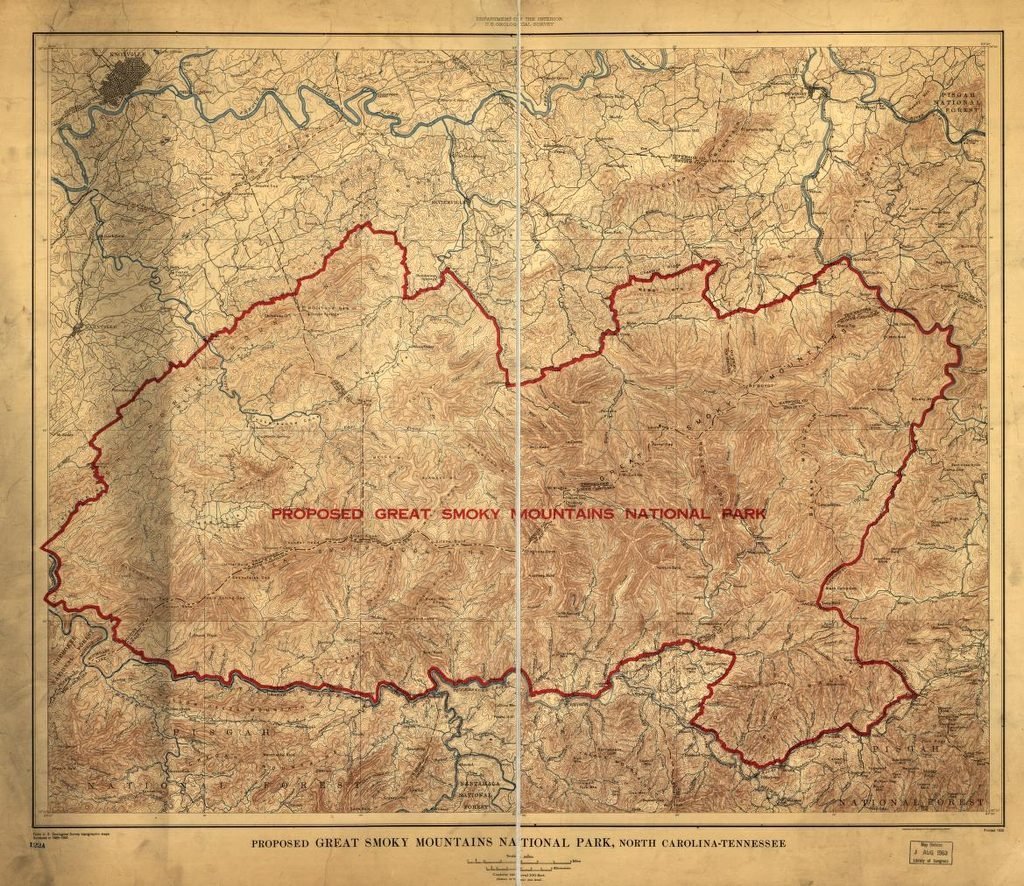
Proposed Great Smoky Mountains National Park map, 1926. Courtesy of Library of Congress, Geography and Map Division.

This year marks 100 years since President Calvin Coolidge signed legislation authorizing the establishment of Great Smoky Mountains National Park.1

By then, families had long lived in Cades Cove, logging crews worked around Tremont, Girl Scouts spent summers in Walker Valley and visitors came to the mountains to hike and swim. 

A National Park Was Authorized 

The May 22, 1926, act authorized both Great Smoky Mountains and Shenandoah national parks, but there were still years of land acquisition ahead. Congress did not authorize full development of the Smokies until 1934.1,2 

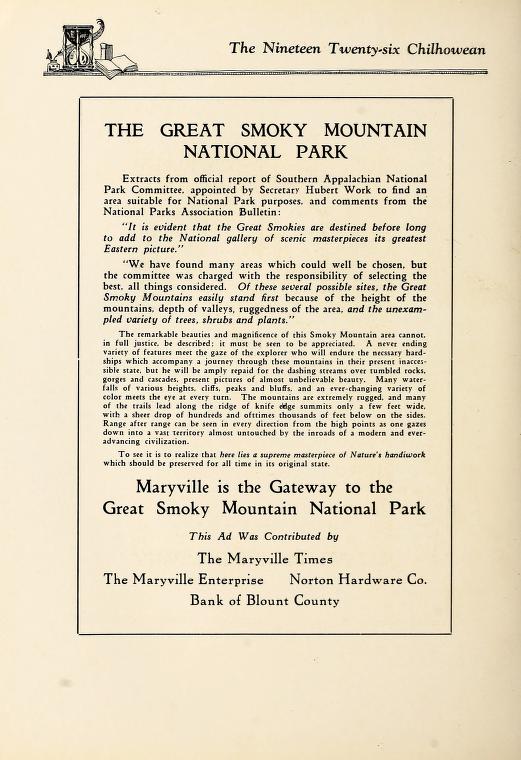
Even so, local boosters were already promoting the proposed park. A full-page advertisement in Maryville College’s 1926 Chilhowean yearbook declared: “Maryville is the Gateway to the Great Smoky Mountain National Park.”3 

Advertisement for the proposed Great Smoky Mountains National Park in Maryville College’s 1926 Chilhowean yearbook. Courtesy of Maryville College.

Much of the proposed park remained privately owned, and people continued to live and work throughout the mountains.2 

Related read: “From Great Depression to Great Smokies: The CCC’s Legacy in East TN”

The Hiking Club Organized Trips 

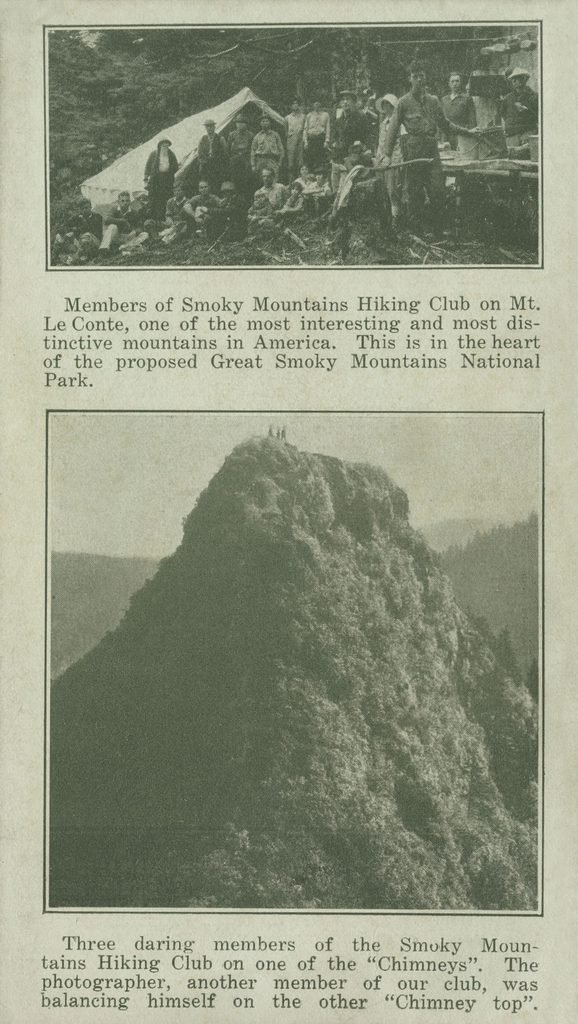
The Smoky Mountains Hiking Club grew out of an October 1924 hike to Mount Le Conte. By 1926, the club had a regular schedule of hikes and social events, along with practical guidance on what hikers should wear and bring.4,5 

Club members also supported efforts to establish the national park.4 

Kinzel Springs Drew Visitors 

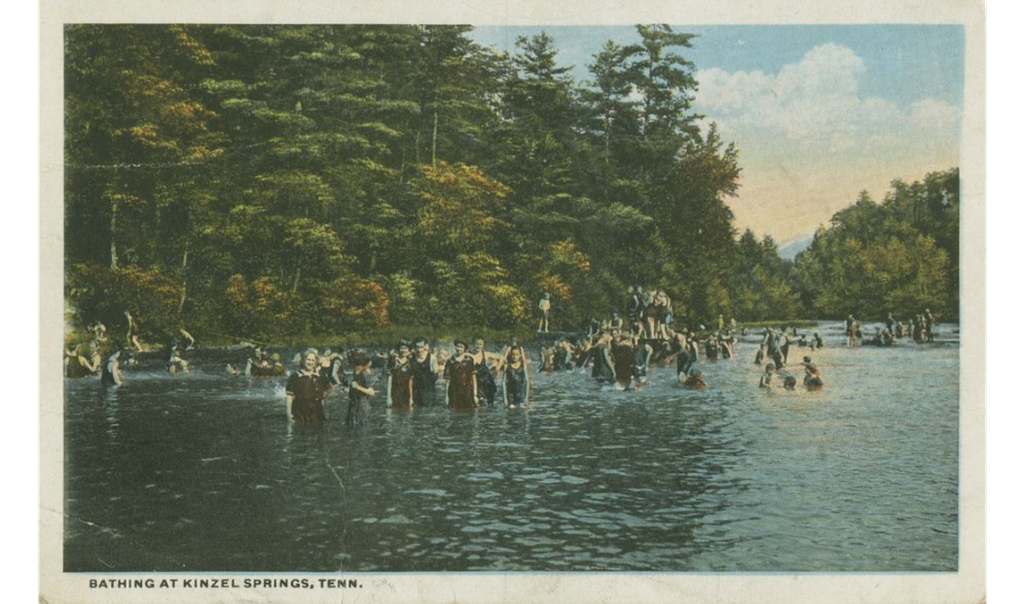
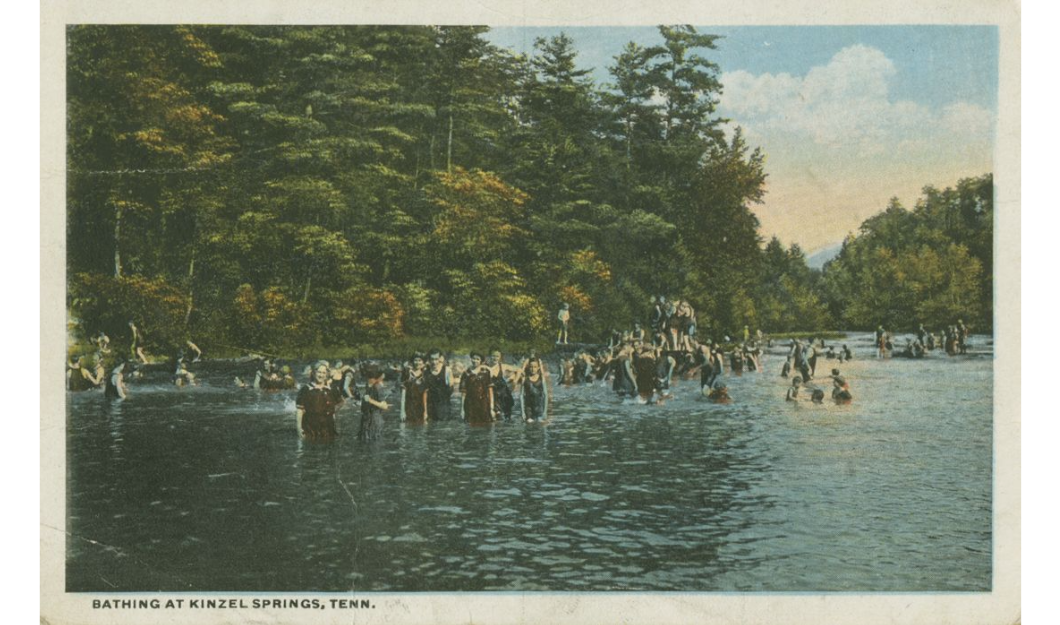
“Bathing at Kinzel Springs, Tenn.,” postcard mailed in 1926. Courtesy of University of Tennessee Libraries, Postcards from the Great Smoky Mountains Collection.

Kinzel Springs developed into a resort community near the western end of Tuckaleechee Cove. E.J. Kinzel acquired property there in 1894, and railroad service beginning in 1902 brought more visitors to the area. By 1914, the Kinzels had added a 28-room hotel and 10 cottages; a post office followed in 1925.6 

By 1926, visitors were coming to Kinzel Springs to stay near the mountains and swim.6,7 

Related read: “The Early 20th Century on the Peaceful Side of the Smokies, Through Postcards”

Girl Scouts Camped in Walker Valley 

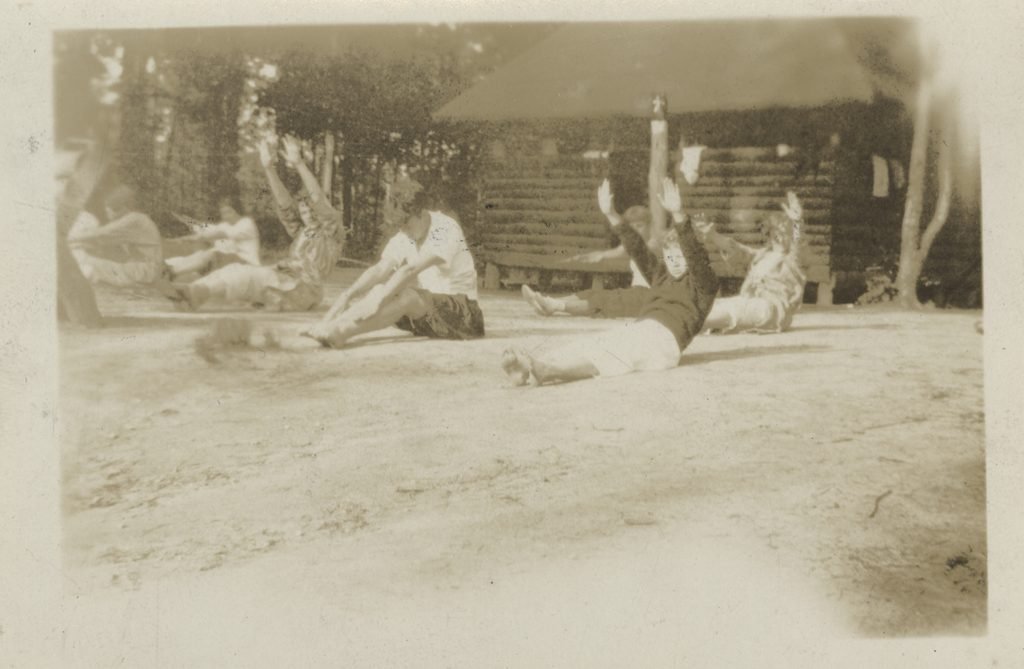
Girl Scouts at summer camp in Virginia, 1926. Courtesy of Virginia Commonwealth University Libraries.

Camp Margaret Townsend was a Girl Scout summer camp in Walker Valley, on land that is now home to Great Smoky Mountains Institute at Tremont. 

The camp opened in 1925 and held four two-week sessions each summer, making 1926 its second season. Camp life was rustic: there was no electricity, and the girls bathed in the Little River in the early years.8

Tremont Became a Logging Town 

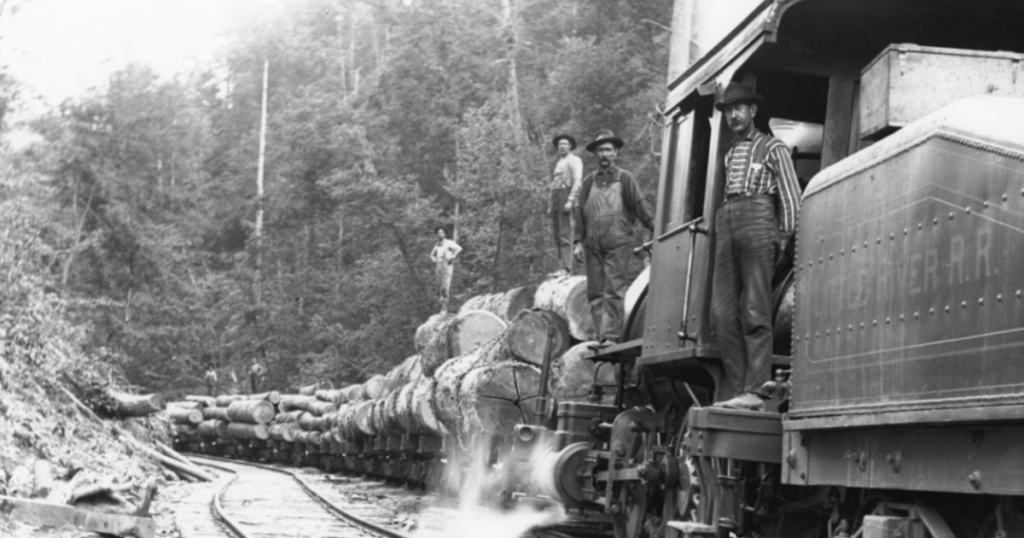
Little River Railroad during the logging era in the Smokies. Courtesy of University of Tennessee, Knoxville Special Collections.

Little River Lumber Company laid railroad tracks into Walker Valley and began logging there in 1924. By 1926, Tremont was a company logging town at the confluence of Lynn Camp and Thunderhead prongs.9 

The community housed workers and supported logging operations in the Middle Prong watershed. A hotel also opened that year, providing lodging for logging workers and visitors.10 

Logging continued in Walker Valley until 1938.9 

Related read: “How Townsend Got Its Name: History of the Little River Railroad and Lumber Company”

Automobile Travel Expanded 

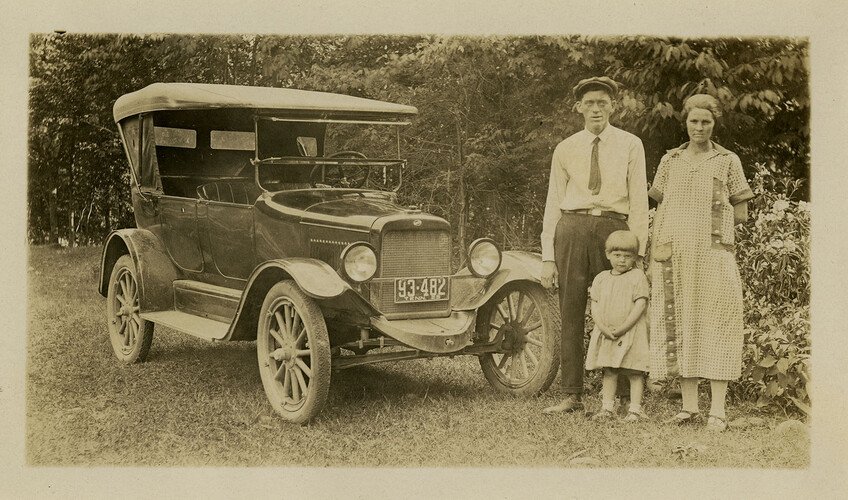
The first automobile in Elkmont. Courtesy of Hunter Library Special Collections, Western Carolina University.

Little River Lumber Company ended train service to Elkmont in 1925 and removed the tracks. In 1926, the former railroad bed from Townsend to Elkmont was converted into a gravel automobile road.11 

Cars also played a role in the national park campaign. In 1923, members of the Knoxville Automobile Club helped organize the group that became the Great Smoky Mountains Conservation Association to promote the proposed park.12 

Families Lived in Cades Cove

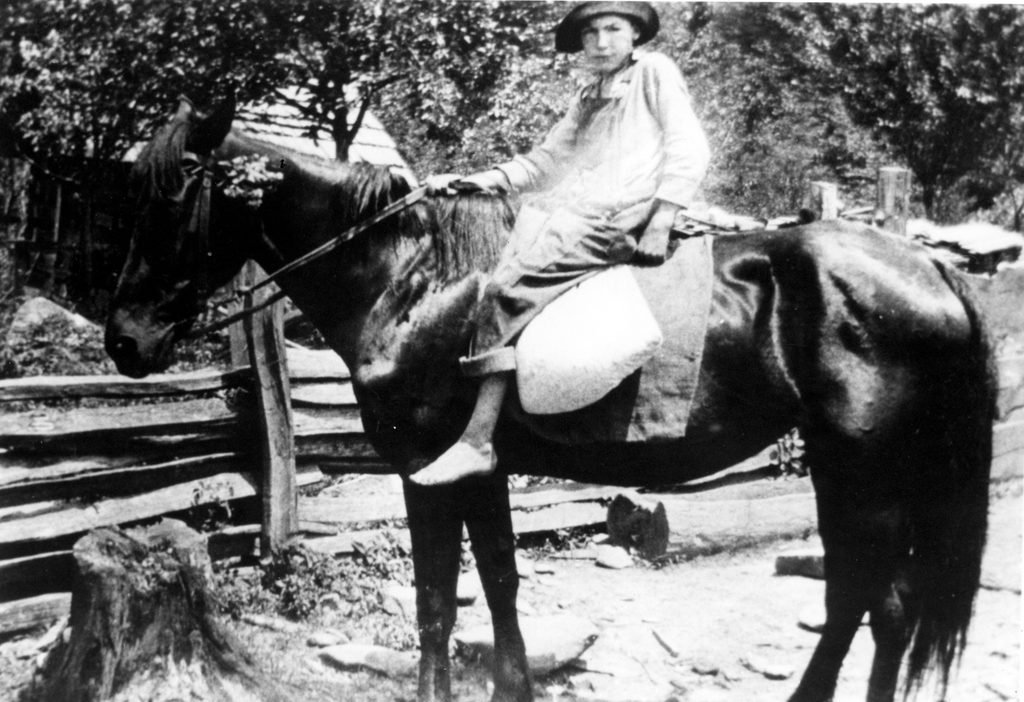
A boy takes corn to the mill in Cades Cove, 1920. Courtesy of National Park Service.

Families still lived, farmed, attended church and school and worked alongside their neighbors in Cades Cove in 1926. Neighbors also came together for corn huskings, molasses making and chestnut gathering.13 

Tourists were already visiting the Cove. By 1924, resident John W. Oliver was renting cabins to visitors. He built a tourist lodge in 1928.14 

A major park-related purchase in 1927 included most of the mountains north of Cades Cove.13 

Related read: “Courtship in Cades Cove: Corn Husking, ‘Sparking’ and Weaner Cabins”

Born and raised in Maryville, Tennessee, with roots tracing back to Cades Cove, Emily Huffstetler is a proud Maryville College graduate and storyteller of the Greater Smokies region. She holds a Master of Science in Conservation Education from Mississippi State University.
_________________________________________________________________________________________________________

Visit Cades Cove

Cades Cove Loop Tour in Jeep

Cades Cove is one of the most popular destinations in the Great Smoky Mountains National Park. Visitors can explore a variety of historical sites, enjoy the majestic mountain beauty, and find the thrill of spotting life in the wild. Whether you want to visit the grist mill or hope to run across a family of bears, a visit to Cades Cove will keep the whole family engaged.
Cades Cove Loop Tour in Jeep

New Cades Cove App

The Cades Cove Guide puts the history, nature, wildlife, and trails of the Cove in the palm of your hands. It provides a convenient, safe way to keep track of your locations in the Great Smoky Mountain National Park. Whether you are connected to Wi-Fi or exploring the scenic route, your personal park tour guide brings adventure up close.
Features

  • View points of interest as a list or on a map, both online and offline.
  • Click on the point of interest for photos, quick facts, unique descriptions, hidden treasures, and related content.
  • Share your experience in the “stories” section for others to enjoy.
  • Filter points of interest by The Loop, Trails, Visitor Info, and List View.
  • View the full app navigation, including the loop, stories, nature, wildlife, history, and visitor information.

Cades Cove Guide for Phones

Cades Cove History

The first European settlers arrived in the Cove during the early 1820s, quickly clearing the abundant lands for farming. Community buildings were erected, such as log homes, barns, and smokehouses. But even before the Europeans arrived, Cherokee Indians traveled through the valley hunting for deer, bear, elk, and bison. 
By 1850 the population had grown to 685, and it was not uncommon for households to have ten to twelve children. As the population grew, the community’s needs grew. Soon Baptist and Methodist churches were built, followed by schoolhouses for the kids. Neighbors often worked together, creating social events from tasks like corn husking and molasses making, allowing young couples to court, eventually leading to marriages. Deaths also brought the community together. Men would make coffins and dig graves, while the women would prepare the body for burial. Then everyone chipped in to help the grieving families by cooking meals and helping bring in crops. 
In 1927 the state began purchasing the land for the creation of the national park. Some families welcomed the state’s effort and willingly sold their property and moved out, but many families resisted the attempts. Several residents signed life-leases that allowed them to stay on the land for the rest of their lives, as long as they abided restrictions on hunting, trapping, and timber cutting. The last school in Cades Cove closed in 1944, and the post office soon followed in 1947. Today the National Park Service designated the Cove as a “historical area” and restored and maintains the buildings as they looked in the early days of the settlers.
Cades Cove Historical Sites      Cades Cove Backpacker

Explore the Cove

Each Wednesday, through September 30th, the park offers vehicle-free access along the Cades Cove Loop. The loop is an 11-mile, one-way road circling the Cove, which gives motorists access to sites and the opportunity to sightsee at their own pace. Allow for two to four hours to tour Cades Cove, longer if you stop to explore any of the area trails. Traffic is heavy during the summer, fall, and weekends throughout the year.
Many trails begin in the Cove, including accessible hikes like Abram Falls or more time-consuming hikes like Thunderhead Mountain. Also, make sure to check out the many historical landmarks located within Cades Cove. Sites like the John Oliver Cabin, the Becky Cable House, and the Elija Oliver Place give you a peek into the settler’s home lives in the 19th century. You can also check out the Primitive Baptist Church, the Missionary Baptist Church, and the Methodist Church to learn more about where to community came together to worship. And don’t forget to check out local wildlife like black bears, elk, white-tailed deer, turkey, or woodchucks. But make sure to follow these safety tips and do not feed or approach any animals.  
There is so much to do, so download and use the Cades Cove App to plan your next visit.
Cades Cove App in Use on Phone
 
For more information on the Great Smoky Mountain National Park, check out these posts:

5 Tips for Planning the Perfect Smoky Mountains Vacation

Planning a Family Trip to Great Smoky Mountains National Park

Top 5 Things To Do in the Great Smoky Mountains National Park in the Spring

Visiting the Smokies with Your Sweetheart? Snuggle Up for a Carriage Ride through Cades Cove

The leaves are turning all through the Great Smoky Mountains, there is a nip in the air, and the snow has yet to arrive. What could be better than snuggling up with that someone special in your life in a horse-drawn carriage under a warm blanket while you are taken on a guided carriage ride that takes you on a tour of Cades Cove? If you love the great outdoors, there is simply no better way to see the breathtaking scenery. It is the perfect way to see it all as a couple, or you can bring the kids with you.

A Guided Tour of Cades Cove

The best way to see all that Cades Cove has to offer is seated comfortably in a carriage, hauled through the park by one or more horses. The horses all know the way, but more importantly, so do the drivers! They know more about the Cades Cove area than just about anyone, including the Park Rangers.
Kick back and relax while the carriage conveys you along some of the most scenic trails in the park in peace and quiet. The only sounds you will hear are the clip-clop of the horse’s hooves and that of the wheels on the trail. While you are comfortably sitting back and enjoying the scenery, your guide will tell you about history of the area. And, more than just a detailed history of the area, they will regale you with tales of the old days in this most beautiful part of the state.
Your guide will tell you about what things were like here in the old days, how people lived, their lifestyles, how they fed themselves, about the log cabins, and so much more. Along the way, as you cruise gently through the park, your guide will tell you about the local flora and of course the many animals and birds who call this part of the Smokies home. If you are fortunate, you will have the opportunity to see many of the local residents, both four-legged and winged.

A Carriage Ride for Two—or More

Depending on the carriage you choose, there is room for more than just two. Most have room for up to six people, depending on the size of those who will be occupying the carriage. This way, you can bring the kids along and let them see all of the beauty of the Smokies and, of course, of Cades Cove. Most of the carriage rides last less than an hour, but along the way, there are mountain streams, towering peaks, and majestic trees to see, along with bears, deer, and wild turkeys. The carriage rides are safe for everyone and make an outstanding way to spend a little romantic time together as a couple or as a family.
Do keep in mind that these rides are extremely popular, and the proprietors do not take reservations; all rides are on a first come, first serve basis. You may have to wait for an available carriage, but you will find the wait to be worth it. Be sure you take a carriage ride through Cades Cove this fall; you can’t afford to miss out on the ride of a lifetime!