
Looking for something fun and educational to do when visiting Townsend, TN on a Tuesday? Don’t be fooled into thinking there can’t be anything going on just because it’s the second day of the week. Instead, take a trip to the Great Smoky Mountains Heritage Center and enjoy their “Tuesdays @ 2 informal “coffee talk” with an incredible array of guest speakers.
Stories that Need to Be Told
The Great Smoky Mountains Heritage Center is dedicated to protecting and preserving the rich culture and incredible history of both the Native Americans who once lived here and those who came after.
Every Tuesday the center hosts a fun and informative event in the auditorium. Each event covers a different topic ranging from folk music to history and folklore to nature. These events are free to museum members and open to guests with paid admission.
Upcoming Tuesdays@2 Events
March 19 – Ben Jarrett- The American Chestnut Foundation
The American Chestnut Foundation is dedicated to restoring the chestnut to its proper place in the Appalachian hardwood ecosystem. Ben will be here to talk about the efforts being made to bring this important hardwood tree back to the Smokies.
March 26 – Dr. Aaron Astor – Isaac Anderson
Dr. Astor has two books and numerous articles published in the New York Times “Disunion” series. He will be here to talk about the history of Isaac Anderson the founder and first president of Maryville College.
April 2 – Mark Davidson Trails and Turnpikes
Mark will talk about the area and what there is to see as you hike the many miles of trails or drive the turnpikes that take you through the peaceful side of the Smokies.
April 9 – Missy Kane – Smoky Mountain Hiking
Missy offers a presentation covering the many trails in the Smoky Mountains to hike, the conditions to expect, what you might see, how to prepare for hiking and more.
April 16 – Jeff Hunter – Wildlife and Roadways
Jeff will be here to talk about the growing amount of wildlife crossing the roads and highways, and what is being done to help reduce the number of accidents, death, and injuries to both humans and animals. He will talk about the concept of building animal crossing bridges over I-40 where most of the accidents occur.
April 23 – Mary Beth Lima – Proper Canning Techniques
Mary Beth will be here to discuss and demonstrate a variety of canning methods, explain the proper techniques, cover safety, and offer a wealth of tips and information on the subject. The perfect Tuesday afternoon for anyone wanting to learn how to can and those who already do to spend time learning from an expert.
April 30 – Libby Weitnauer – Appalachian Music with a Jam Session Afterward
Libby is both a classical violinist and a fiddle player. She has played with numerous local orchestras including the Knoxville Symphony Orchestra and the Maryville College Community Orchestra. Today she finds herself more at home playing the fiddle and the more traditional sounds of Appalachia. Once the meeting is over, there is to be a jam session, if you play bring your instrument with you for fun!
Tag: cultural heritage
What to Do in Blount County on a Rainy Day
Written by: Emily Huffstetler
On the Peaceful Side of the Smokies, rainy days don’t have to put a damper on your plans. Here’s a guide to some of our favorite spots in Maryville and Townsend where you can stay dry and still have an adventure.
Maryville

The Capitol Theatre, dating back to 1934, was once the largest of three movie houses in Downtown Maryville. After a renovation in 2008, this art-deco gem now houses a unique coffee shop and ice cream parlor.
The parlor is filled with movie memorabilia from floor to ceiling, and the menu features a variety of themed sundaes, floats, candies and bottled drinks to choose from. Indulge in treats like the Pirate’s Treasure, a salted caramel sundae, or get energized with espresso drinks like the Flux Capacitor. If you’re feeling adventurous, you can even take on the eight-scoop King Kong Sundae.

If you’d prefer something more casual, head down the road to Vienna Coffee House, with signature drinks like Muddy Pond Mocha (espresso, steamed milk, Muddy Pond sorghum, Ghirardelli chocolate and vanilla) and the Thunderhead Latte (Thunderhead Espresso, steamed milk, local honey, nutmeg and cinnamon). They serve breakfast and lunch until 3 p.m. Monday through Saturday.

Southern Grace Coffee Co. is another local favorite, offering fair-trade organic coffee, tea and gluten free baked goods. Right next door, Southern Grace Manor serves breakfast and lunch. With dreamy porches and expansive windows, these renovated historic houses are the perfect place to cozy up on a rainy day.

While you’re downtown, immerse yourself in the local arts scene at Pinkie Mistry Art, a fine art and gallery studio, or stop by the Clayton Center for the Arts on the Maryville College campus. This dynamic performing arts venue features concerts, plays, dance performances and art exhibitions throughout the year.

If you’d like to stay active despite the weather, the Family Life Center at First Baptist Church of Maryville offers plenty of options during the week. Take advantage of group fitness classes, an indoor track, weight machines and cardio equipment, or join a game of basketball, volleyball, pickleball or racquetball. On the weekend, shake up your routine at the Roll Arena Party Zone roller skating rink.
Townsend
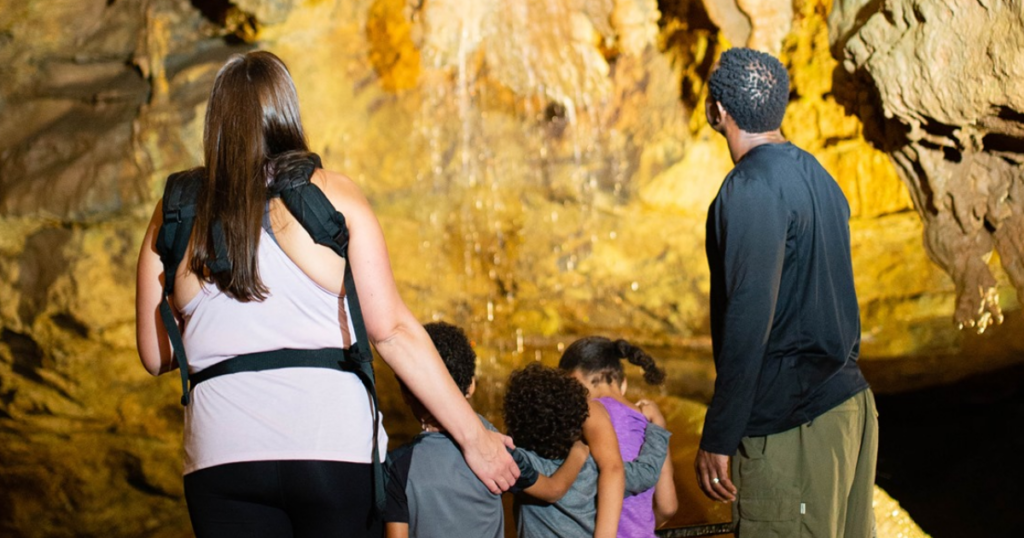
Tuckaleechee Caverns has been drawing visitors underground for over a century, showcasing towering stalagmites, flowing underground streams and the impressive Big Room—large enough to fit a football field. Rainy days are the perfect excuse to explore this subterranean wonder, where the temperature remains a cool 58 degrees year-round.
If you prefer to stay above ground, Townsend is home to several museums that offer a glimpse into the region’s rich heritage.
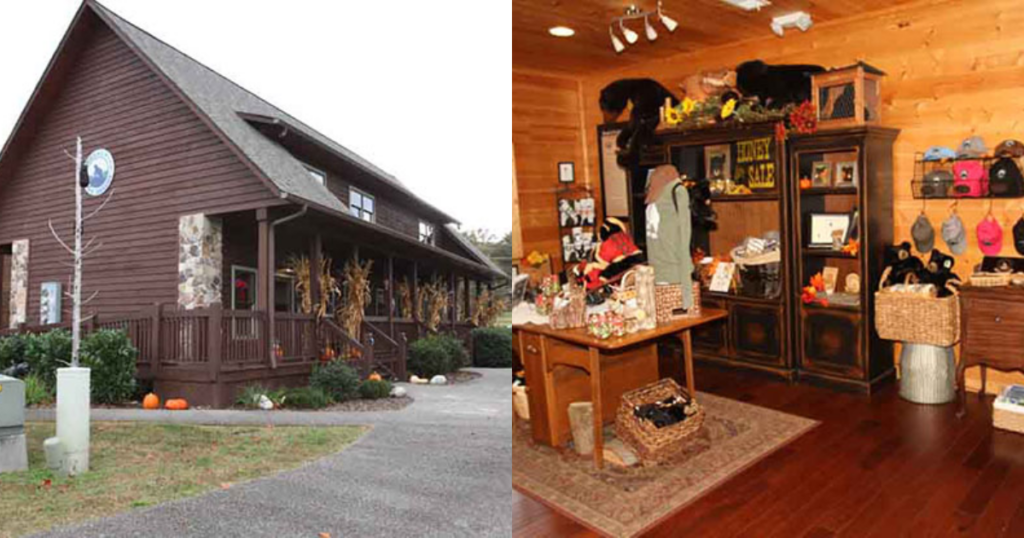
At Appalachian Bear Rescue’s Visitor and Education Center, learn about the rehabilitation of orphaned and injured black bear cubs before they are released back into the wild. While the bears themselves aren’t on display, interactive exhibits and educational presentations provide an up-close look at their journey.
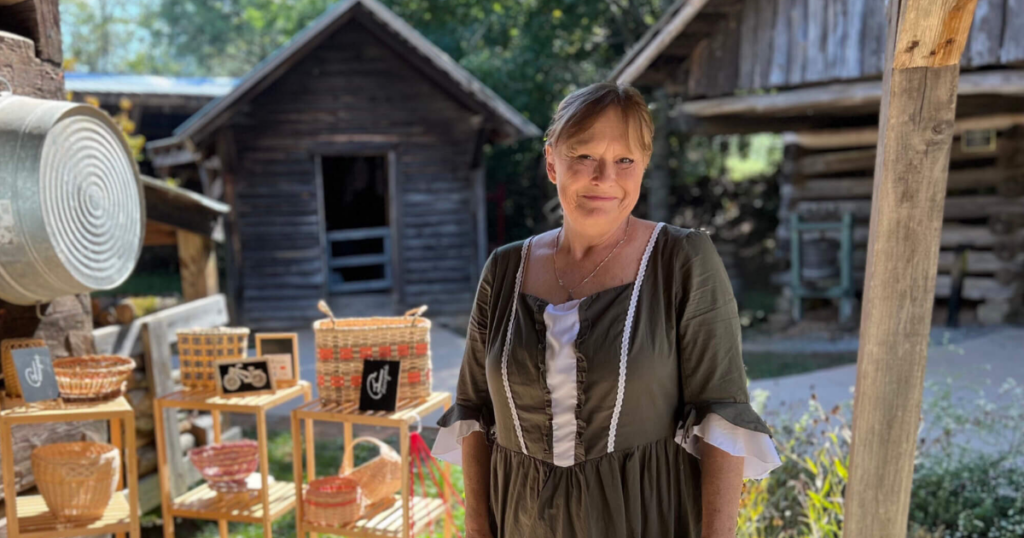
Step back in time at the Great Smoky Mountains Heritage Center, where historic cabins, preserved artifacts and rotating exhibits tell the story of the region’s early settlers and Indigenous peoples. Wander through the museum or take a guided tour to learn about Appalachian traditions, crafts and daily life from centuries past.
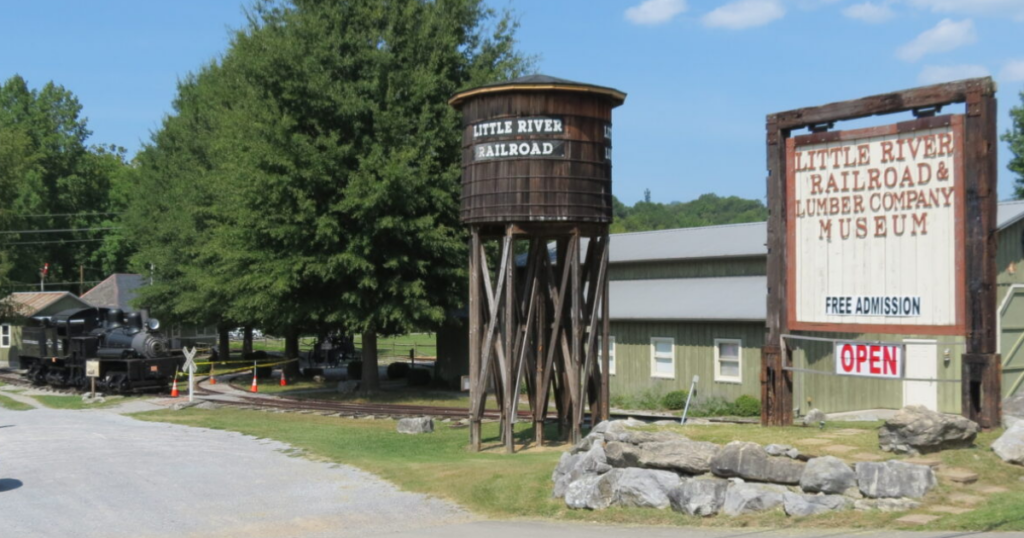
The Little River Railroad and Lumber Company Museum offers another fascinating look at Townsend’s history. This small but engaging museum highlights the impact of the logging industry on the Smokies, featuring historic locomotives, railroad artifacts and exhibits on the early days of tourism in the region.

Find inspiration at the Townsend Art Center, home to the Townsend Artisan Guild. This creative hub showcases the work of local painters, potters, woodworkers and fiber artists. Or check out Gracehill Fine Art & Basketry, featuring alcohol inks, photography and basketry by Kathy Janke.
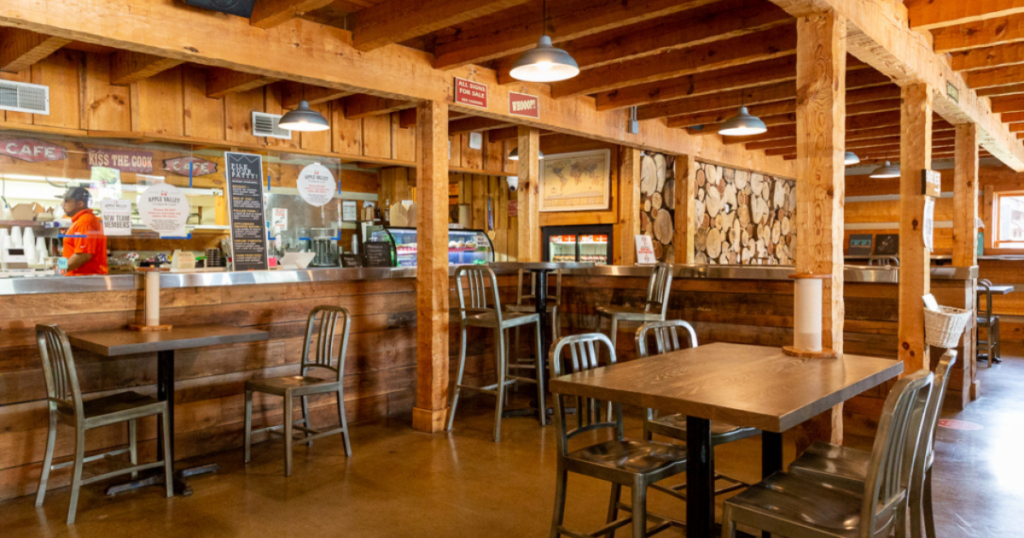
If you’re wanting to grab a bite to eat, but also want to stretch your legs, Apple Valley Mountain Village is just the place. They have a cafe, coffee shop and general store with plenty of goodies to take home.
What’s your favorite rainy day activity on the Peaceful Side? Tag us on social media (@PeacefulSmokies) to share your thoughts.
__________________________________________________________________________________________________________________________________
Born and raised in Maryville, Tennessee, with roots tracing back to Cades Cove, Emily Huffstetler is a proud Maryville College graduate and passionate storyteller of the Greater Smokies region.
When Spanish Explorers Traveled Through the Smokies
Written by: Emily Huffstetler
In October 1567, Spanish explorer Juan Pardo likely traveled through present-day Walland and Happy Valley, more than 200 years before Blount County was established. His destination was much farther west: the silver mines of Mexico.¹
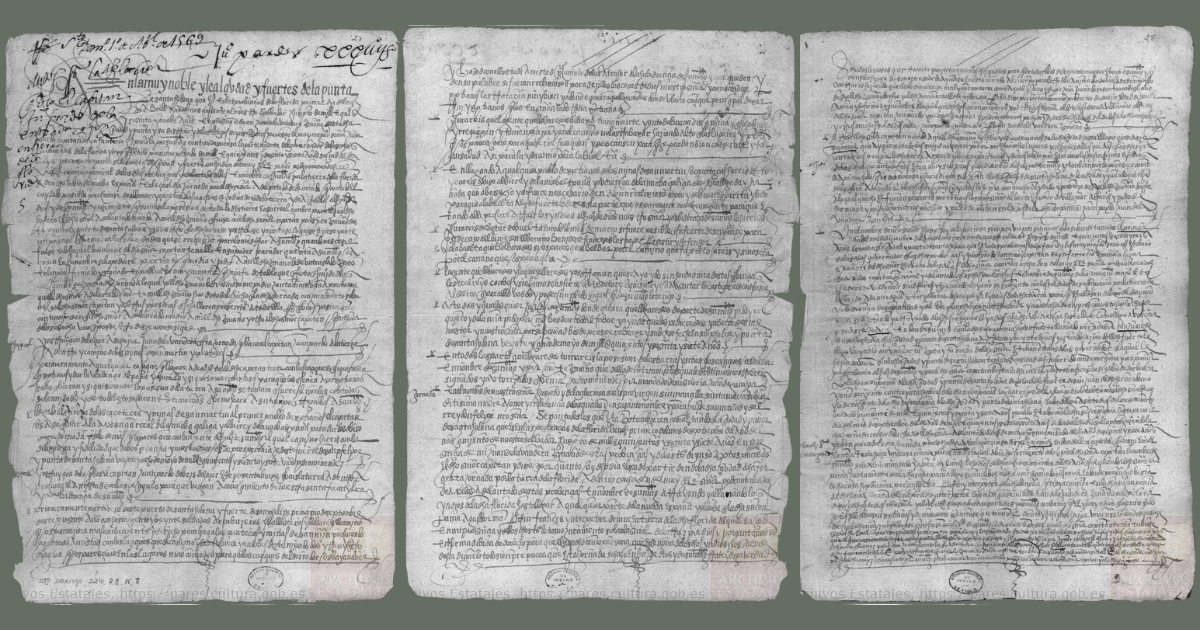
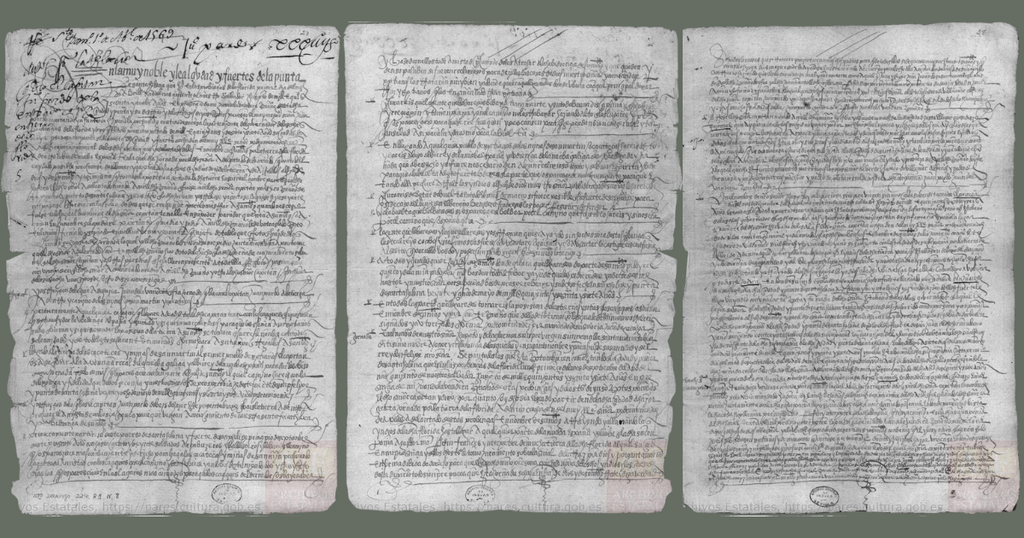
The journey through the Great Smoky Mountains was documented by Juan de la Bandera, a notary who traveled with Pardo. His firsthand accounts describe rugged mountain crossings, Indigenous communities and a possible silver discovery.²
Pardo’s journey began in December 1566, when he departed Santa Elena, a Spanish settlement on present-day Parris Island, South Carolina, with about 125 soldiers. The Spanish hoped to establish an overland route to Zacatecas, a major silver-mining center in Mexico, mistakenly believing it was much closer to the Appalachian Mountains than it actually was.³
Traveling northwest through the Carolinas, Pardo reached the Indigenous town of Joara, home to ancestors of today’s Catawba and Cheraw peoples, near present-day Morganton, North Carolina. There, he established Fort San Juan, leaving about 30 soldiers under Sergeant Hernando Moyano before returning to Santa Elena in March 1567.⁴
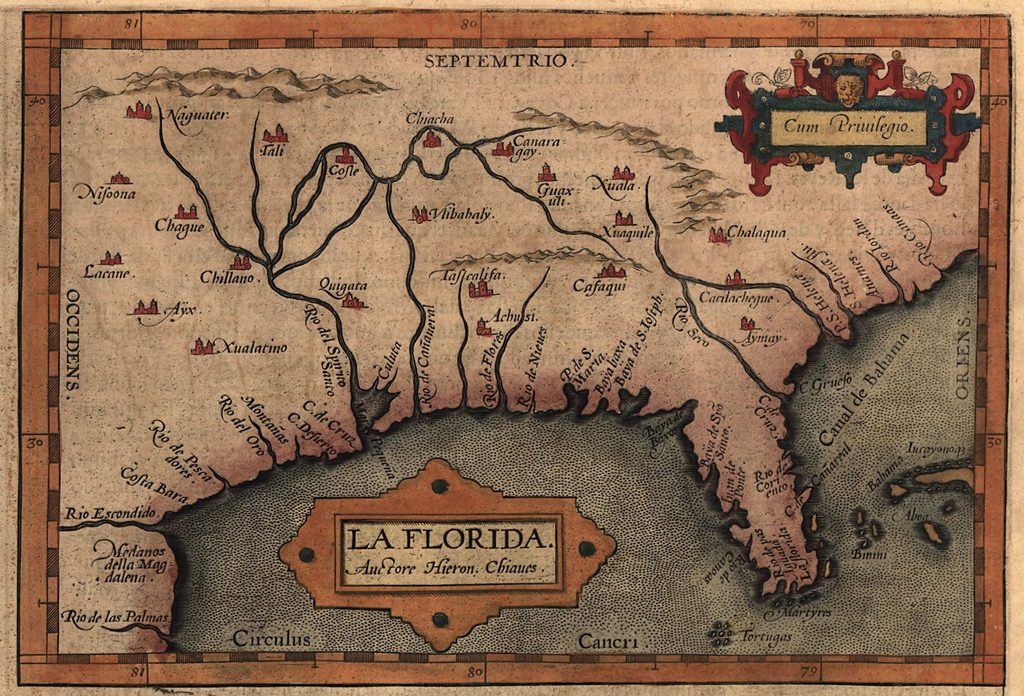
Moyano continued farther into the mountains with soldiers and Indigenous allies, eventually reaching Chiaha, an Indigenous settlement near present-day Dandridge, Tennessee. Relations with the local community deteriorated, leaving the Spaniards confined to their fort.
When Pardo learned of their situation, he set out on a second expedition, arriving at Chiaha on October 7, 1567.⁵
Bandera described Chiaha as a “rich and expansive land, with a large settlement surrounded by beautiful rivers,” noting the abundance of wild grapes and persimmons. “It is a land of angels,” he wrote.⁶
After several days, Pardo continued southwest toward Coosa, an important Indigenous chiefdom. On October 13, the expedition traveled west from Chiaha, stopping to camp that evening. Three Indigenous chiefs brought food to the soldiers, and Pardo presented them with gifts including metal tools and pieces of silk.²
Historian Charles Hudson’s reconstruction of the expedition’s route suggests the soldiers traveled through the Walden Creek area before following Reed Creek to the Little River near present-day Walland. From there, they likely climbed a spur of Chilhowee Mountain, possibly camping near The Flats and Lake in the Sky. The exact route remains uncertain.¹
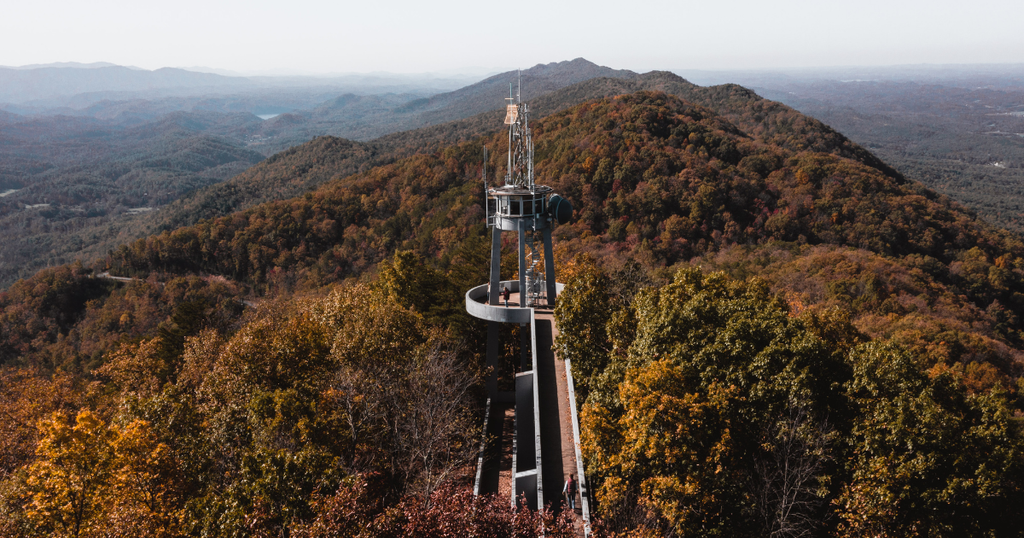
Bandera described the mountains as more rugged than those the expedition had previously crossed, although he praised the countryside as “tierra muy rica y agradable y fresca,” or very fertile, pleasant and cool land.⁶
On October 14, while climbing a mountain, Pardo found a small reddish stone and showed it to Andrés Suárez, a gold and silver smelter traveling with the expedition. Suárez believed the stone might contain silver, although no test was recorded.²
The following day, the expedition likely passed through present-day Happy Valley before reaching Chalahume. Hudson identified the Indigenous settlement with the Chilhowee archaeological site near Abrams Creek and the Little Tennessee River.¹
Bandera compared Chalahume’s fertile valleys to the countryside surrounding Córdoba, Spain. He also described the wild grapes as good as those found in Spain.⁶
After exchanging gifts with the local chief, Pardo continued southwest to Satapo, another Indigenous settlement near present-day Citico Creek in Monroe County.
The soldiers arrived on October 16. That evening, sentries heard what they believed was a large gathering of Indigenous people outside the settlement. Pardo ordered his men to remain alert throughout the night.¹,²
Around midnight, an Indigenous man approached the expedition’s interpreter, Guillermo Rufín, offering information about a possible attack in exchange for an axe.
The man claimed that several Indigenous leaders were planning ambushes along the route toward Coosa and intended to withhold food and supplies unless they received payment. The following morning, Pardo asked the local chief for men to help carry supplies. When the chief returned without any, Pardo became increasingly concerned.²
After consulting his officers, Pardo decided to turn back.¹
The soldiers returned to Chiaha on October 19. The following day, Pardo ordered work on a fort at Olamico before continuing east.¹ He reached Santa Elena on March 2, 1568, without establishing the route to Mexico.⁵
Later that year, Indigenous communities destroyed the remaining Spanish forts in the southeastern interior, ending Spain’s attempt to maintain a permanent military presence in the region.⁴,⁵
Born and raised in Maryville, Tennessee, with roots tracing back to Cades Cove, Emily Huffstetler is a proud Maryville College graduate and storyteller of the Greater Smokies region. She holds a Master of Science in Conservation Education from Mississippi State University.
_________________________________________________________________________________________________________
1 Charles Hudson — The Juan Pardo Expeditions (pp. 36–40, 49–50)
2 Juan de la Bandera — The Long Bandera Relation (pp. 269–275), translated by Paul E. Hoffman
3 South Carolina Encyclopedia — Juan Pardo
4 Antiquity — Joara and Fort San Juan: Culture Contact at the Edge of the World
5 Tennessee Encyclopedia — Pardo Expedition
6 Biblioteca Virtual Miguel de Cervantes — Juan de la Bandera’s Memoria de los lugares (1569) (English translations by Emily Huffstetler)
Recent Comments