Author: bpintern

Visit Blount County’s Two Civil War Trails Stops

Written by: Emily Huffstetler 

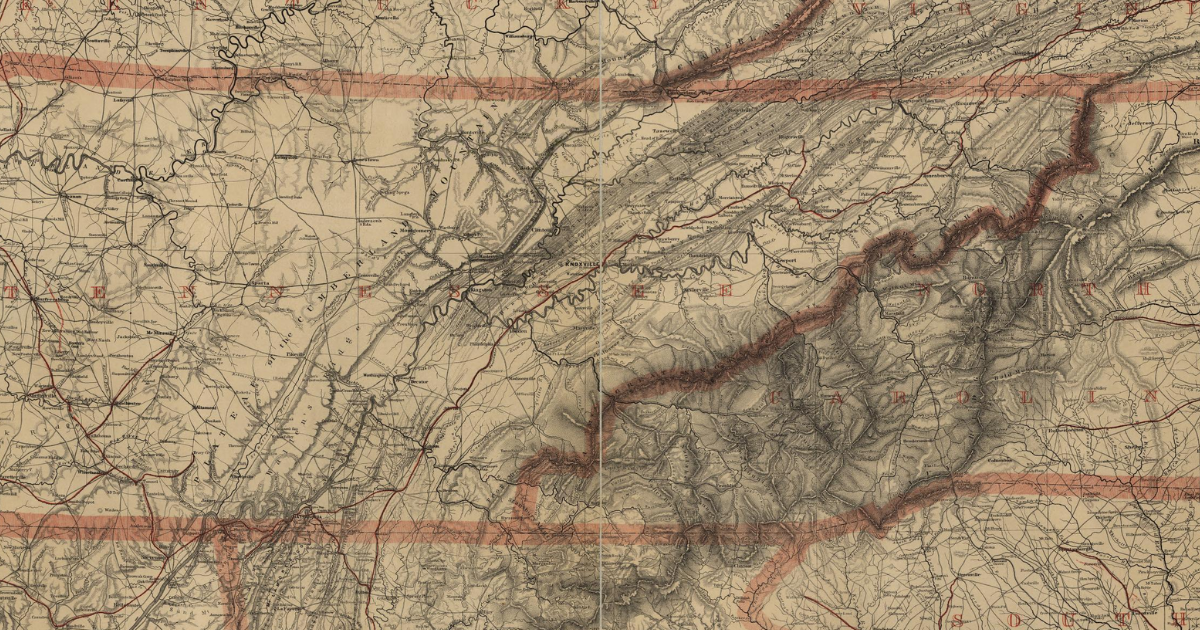
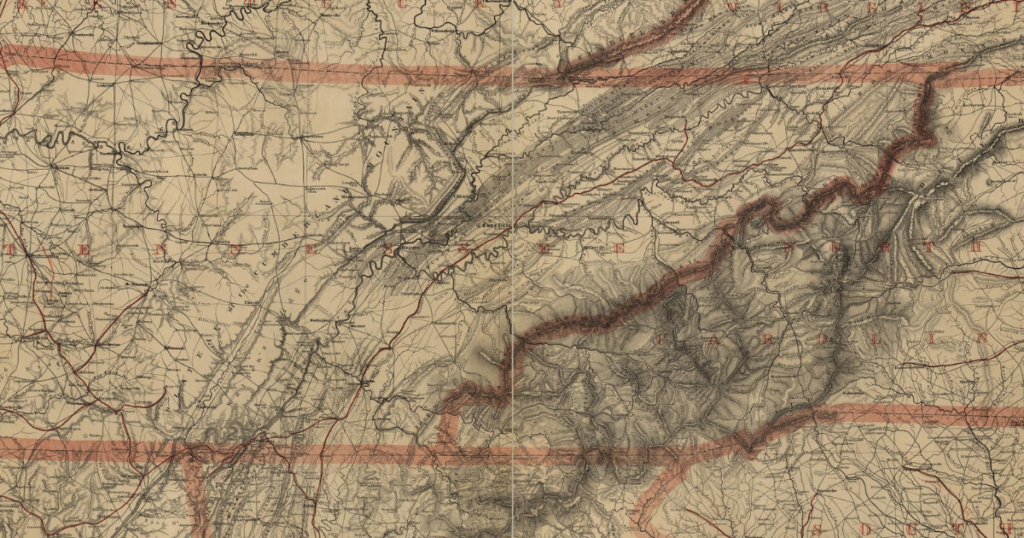
Detail from an 1865 U.S. Coast Survey map of East Tennessee showing Maryville and the surrounding area. Library of Congress, Geography and Map Division, public domain.

Two Tennessee Civil War Trails markers stand about 10 miles apart in Blount County.1 One tells of a hidden cave used to shelter people seeking freedom and safety. The other marks a Confederate attack that sent fire through downtown Maryville. 

Together, the stops reflect the strong Union loyalty that put Blount County, like much of East Tennessee, at odds with the statewide vote.2 Although Tennessee voted to leave the Union in 1861, the Maryville marker records Blount County’s vote as 1,766 against secession and 414 in favor.1

Civil War Trails connects more than 1,500 sites across six states. Rather than focusing only on major battlefields, the program places markers in the communities where the war unfolded. Its maps help visitors follow those stories from one stop to the next.3 

The Underground Railroad in Friendsville 

“The Underground Railroad” marker stands outside the Friendsville Friends Meeting at 503 W. Hill Ave. Quakers began settling near present-day Friendsville in the 1790s. During the Civil War, members of the meeting helped enslaved people seek freedom, guided Union supporters and conscientious objectors north and raised money for escape efforts.1,4 

The marker names William J. Hackney, who began using a nearby cave after the Confederate Conscription Act passed in 1862.4 In his 1895 book, Southern Heroes; or, The Friends in War Time, Fernando G. Cartland described Hackney as a leading member of the Friendsville meeting who opposed secession and conscription. The cave sheltered men avoiding Confederate service and others who opposed the Confederacy.5 

Beside a lightly traveled road, boulders, brush and fallen branches concealed an entrance barely large enough to crawl through. Beyond it, the cave opened into a chamber that could hold about 50 people. Hackney brought in bedding and provisions, while his wife prepared food for those hiding inside.5 

When conditions allowed, Hackney guided groups west at night to another Underground Railroad station. He then returned home to prepare for new arrivals. The 1895 account credits him with helping more than 2,000 people, though the figure was published about 30 years after the war.5 

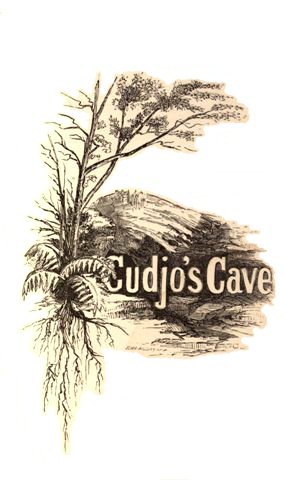
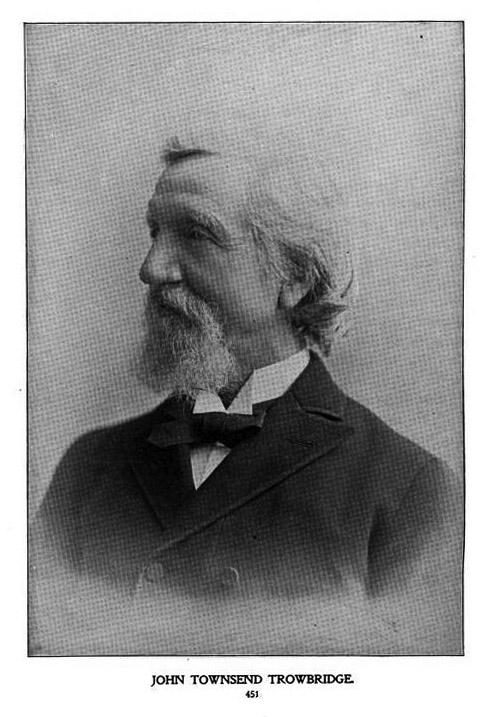
After the war, the Friendsville cave became associated with John Townsend Trowbridge’s antislavery novel Cudjo’s Cave. Set in a fictional East Tennessee community, the book follows Union supporters and two men who escaped slavery as they hide from Confederate forces. Trowbridge wrote the novel before visiting East Tennessee, and the association developed later through local tradition.6,7 

The cave lies across the creek from the meetinghouse but is not publicly accessible.7 

Maryville During the Civil War 

“Maryville During the Civil War” marker stands in Bicentennial Greenbelt Park near downtown Maryville.8 The marker begins with Blount County’s antislavery history. Residents organized an abolitionist society in 1822, and local ministers continued speaking against slavery before the war.1 

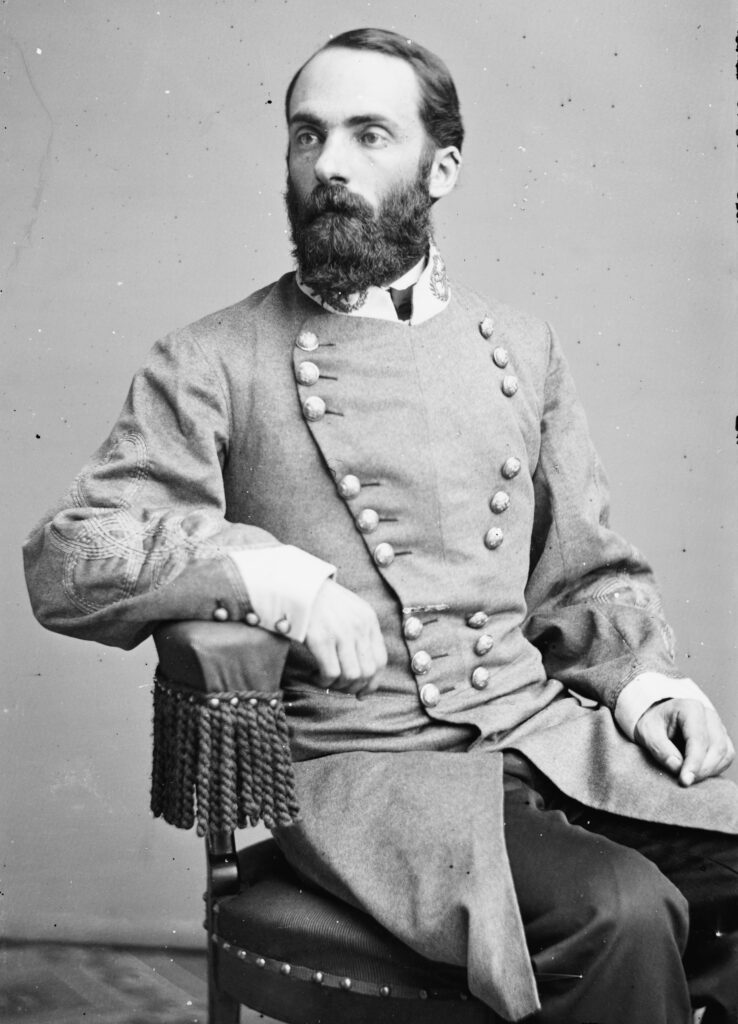
In August 1864, a small detachment of the 2nd Tennessee Infantry (U.S.) under Lt. James M. Dorton was stationed at the Blount County Courthouse. Confederate cavalry under Gen. Joseph Wheeler entered Maryville and attacked the Union position at the courthouse.1 

Confederate Gen. Joseph Wheeler, photographed between 1862 and 1865. Library of Congress, public domain.

When Dorton refused to surrender, Confederate troops set nearby buildings on fire to force the soldiers out. The courthouse survived but sustained structural damage, while flames destroyed many surrounding buildings.8,9,10 The Union detachment eventually surrendered.8 By the end of the attack, flames had destroyed about half of Main Street, now Broadway.10 

The Maryville stop also tells the story of Polly Toole, a formerly enslaved woman who saved Blount County’s public records from the fire. County Clerk Washington L. Dearing had moved the records from the occupied courthouse to James Toole’s store across Main Street. As the fire reached the store, Polly Toole carried the records to safety.8 

Visitors can find the marker along the greenway in Bicentennial Greenbelt Park.8 The Civil War-era courthouse stood at Cusick and Main streets, where Broadway runs today.10 

Visit CivilWarTrails.org to explore the full network and plan a route to Blount County’s two stops.

Born and raised in Maryville, Tennessee, with roots tracing back to Cades Cove, Emily Huffstetler is a proud Maryville College graduate and storyteller of the Greater Smokies region. She holds a Master of Science in Conservation Education from Mississippi State University.    

________________________________________________________________________________________________________

Volunteer Opportunities on the Peaceful Side

Written by: Emily Huffstetler
The Great Smoky Mountains continues to be the most-visited national park, welcoming over 13 million visitors in 2023. This immense popularity can strain the environment and wildlife. Fortunately, you can reduce your footprint by supporting these local nonprofits.

Appalachian Bear Rescue

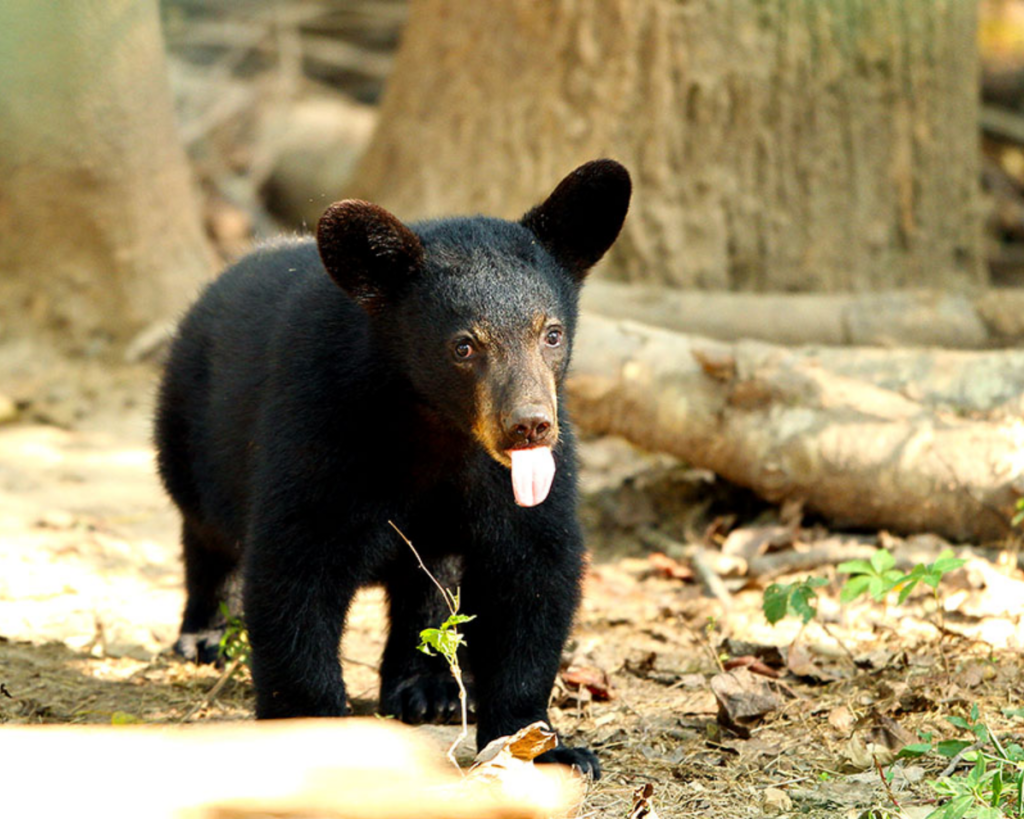
Photo courtesy of appalachianbearrescue.org.

In the past decade, an average of 339 negative human-bear encounters have been reported annually. Bears that have become comfortable around humans often have to be euthanized, leaving their cubs and yearlings orphaned.

Appalachian Bear Rescue cares for these orphaned cubs and yearlings, as well as injured bears, until they are ready to return to the wild. Their methods are research-based, and they share their findings with the scientific community. Since 1996, ABR has cared for nearly 300 bears, providing updates about each of them to their 200k+ followers on Facebook.

To reduce the number of orphaned bears, ABR increases public awareness about coexisting with black bears. Their Visitor and Education Center offers classes on every aspect of black bear life.

To volunteer, request an application from the Volunteer Coordinator. You can also support ABR by making a donation on their website or purchasing gifts from their Amazon wish list.

Friends of the Smokies

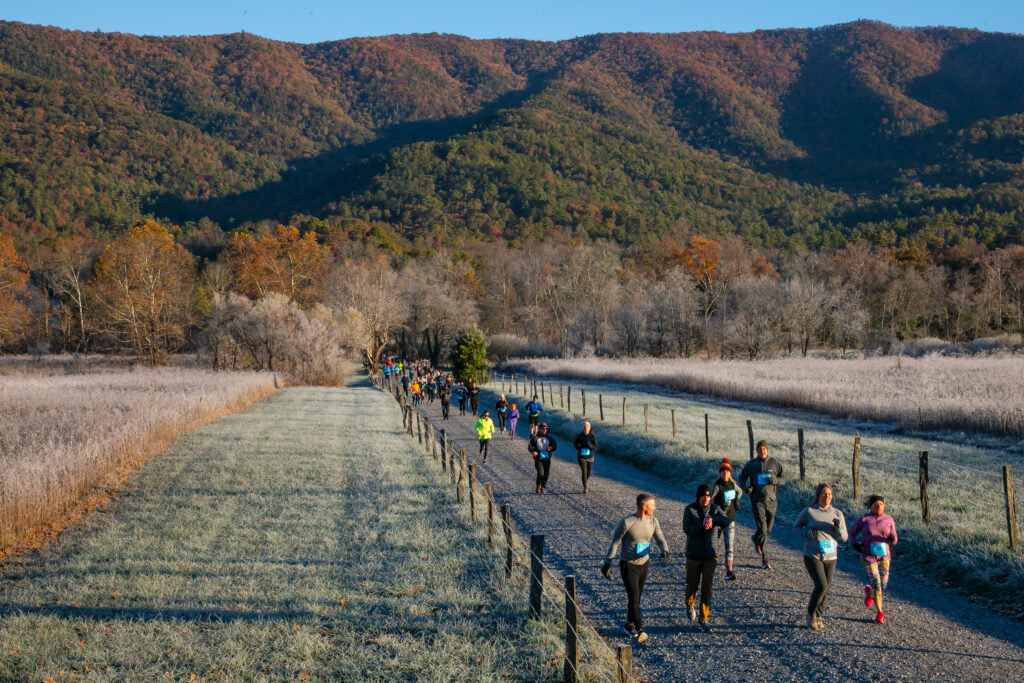
Photo by Bruce McCamish.

Friends of Great Smoky Mountains National Park assists the National Park Service in preserving and protecting the park by raising funds, increasing public awareness and providing volunteers for essential projects.

The organization hosts several special events throughout the year, including the Cades Cove Loop Lope, the only organized footrace held inside Great Smoky Mountains National Park. This year’s 8th annual race will take place on Sunday, November 10, featuring a 10-mile course and a 5K. Last year’s race sold out with 750 participants from 27 states, so register soon to secure your spot.

Another eagerly anticipated event is Plein Air in the Smokies, which brings 20 nationally acclaimed artists to paint “en plein air” (outdoors) throughout the national park. These one-of-a-kind paintings will be available for sale at a Collectors Soirée on Sept. 27th in Downtown Knoxville at Regas Square Events. You can purchase soiree tickets or view the schedule of events on their website.

If you’d like to volunteer for Friends of the Smokies, you can also fill out an application detailing your skills and interests. The organization will contact you as opportunities arise.

Great Smoky Mountains Institute at Tremont

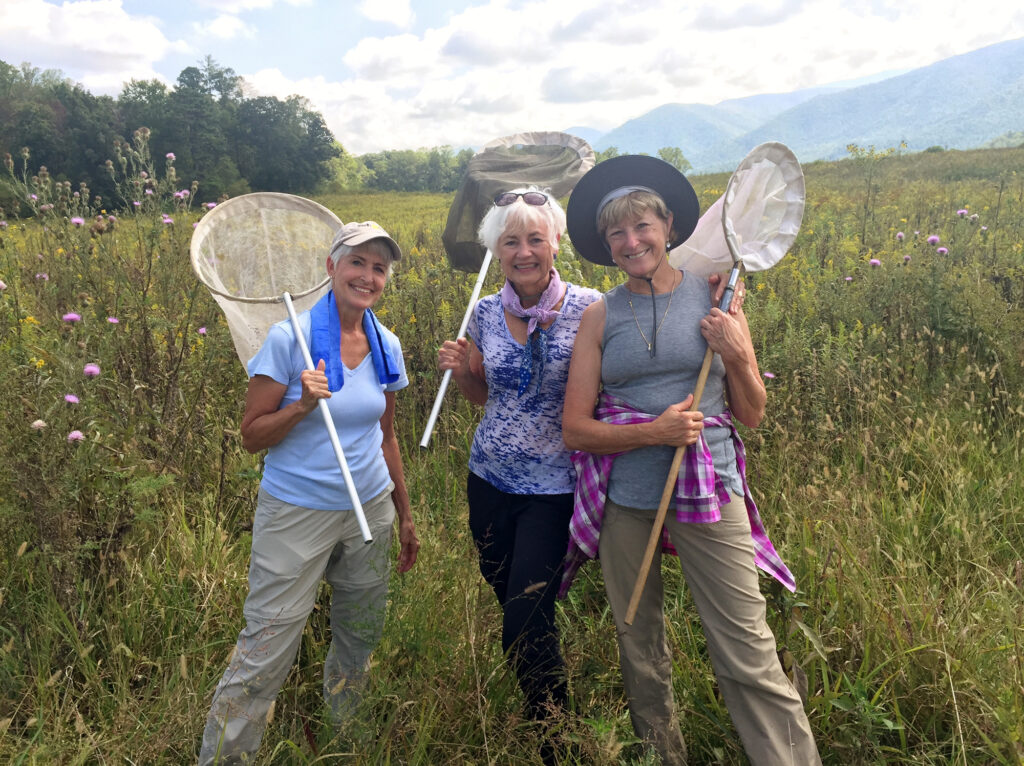
Photo by Hank Dye.

The Great Smoky Mountains Institute at Tremont partners with the Great Smoky Mountains National Park to deliver experiential learning for youth, educators and adults. Their programs promote self-discovery, critical thinking, and effective teaching and leadership, connecting people with nature for over 50 years.

They post volunteer opportunities, ranging from data entry to adopting and monitoring a salamander stream, on their website. If you don’t see a fitting opportunity listed, you can sign up for their volunteer newsletter to be notified as new positions open.

Volunteer opportunities at the Tremont Institute range from data entry to adopting and monitoring a salamander stream. If you don’t find a suitable opportunity listed, you can sign up for their volunteer newsletter to be notified as new positions open.

To support the Tremont Institute financially, you can make a donation on their website, link your Kroger Plus Card to the organization, order a book from their wish list for their library, or purchase something from their gift store.

There are also several ways to financially support the Tremont Institute. You can take a traditional approach and make a donation on their website. Other options include linking your Kroger Plus Card to the organization, ordering a book from their wish list for their library or purchasing something from their gift store.

Keep Blount Beautiful

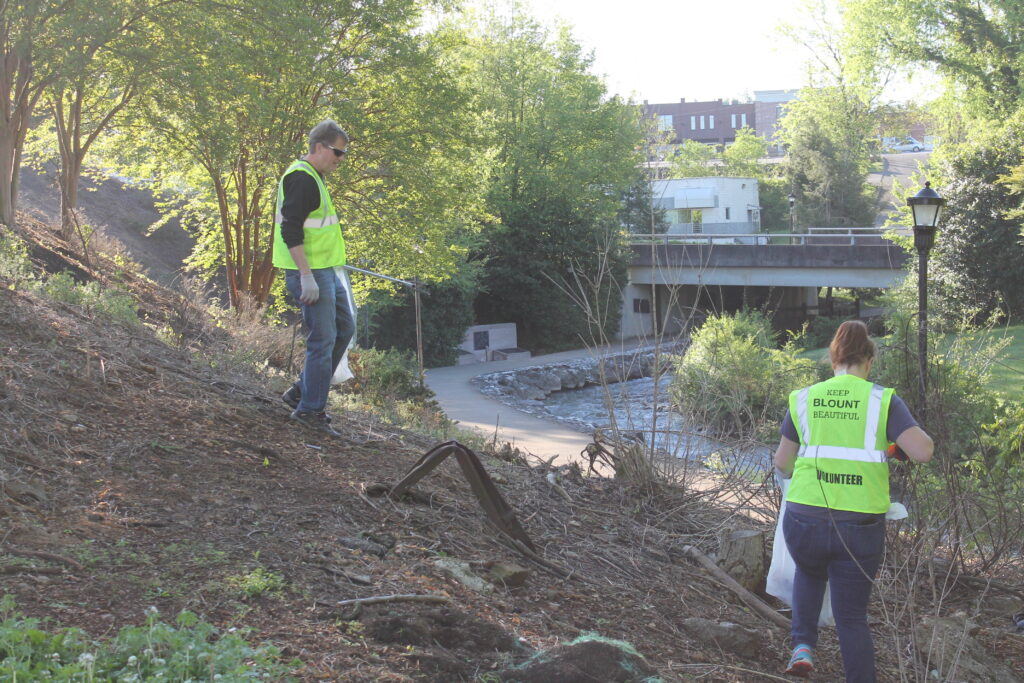
Photo courtesy of Keep Blount Beautiful.

Based in the foothills of the Smokies, Keep Blount Beautiful is an award-winning nonprofit that works in litter prevention, waste reduction, beautification and environmental education. To support their mission, you can participate in a community cleanup or recycling collection event, or donate on their website.

Whether you’re just passing through or a local resident, supporting environmental nonprofits can help preserve the beauty and biodiversity of the Peaceful Side.

__________________________________________________________________________________________________________________________________

Born and raised in Maryville, Tennessee, with roots tracing back to Cades Cove, Emily Huffstetler is a proud Maryville College graduate and passionate storyteller of the Greater Smokies region.
What to Do in Blount County on a Rainy Day

Written by: Emily Huffstetler

On the Peaceful Side of the Smokies, rainy days don’t have to put a damper on your plans. Here’s a guide to some of our favorite spots in Maryville and Townsend where you can stay dry and still have an adventure. 

Maryville 

The Capitol Theatre, dating back to 1934, was once the largest of three movie houses in Downtown Maryville. After a renovation in 2008, this art-deco gem now houses a unique coffee shop and ice cream parlor. 

The parlor is filled with movie memorabilia from floor to ceiling, and the menu features a variety of themed sundaes, floats, candies and bottled drinks to choose from. Indulge in treats like the Pirate’s Treasure, a salted caramel sundae, or get energized with espresso drinks like the Flux Capacitor. If you’re feeling adventurous, you can even take on the eight-scoop King Kong Sundae. 

If you’d prefer something more casual, head down the road to Vienna Coffee House, with signature drinks like Muddy Pond Mocha (espresso, steamed milk, Muddy Pond sorghum, Ghirardelli chocolate and vanilla) and the Thunderhead Latte (Thunderhead Espresso, steamed milk, local honey, nutmeg and cinnamon). They serve breakfast and lunch until 3 p.m. Monday through Saturday. 

Photo courtesy of Southern Grace Coffee Co.

Southern Grace Coffee Co. is another local favorite, offering fair-trade organic coffee, tea and gluten free baked goods. Right next door, Southern Grace Manor serves breakfast and lunch. With dreamy porches and expansive windows, these renovated historic houses are the perfect place to cozy up on a rainy day. 

Photo courtesy of Pinkie Mistry.

While you’re downtown, immerse yourself in the local arts scene at Pinkie Mistry Art, a fine art and gallery studio, or stop by the Clayton Center for the Arts on the Maryville College campus. This dynamic performing arts venue features concerts, plays, dance performances and art exhibitions throughout the year. 
If you’d like to stay active despite the weather, the Family Life Center at First Baptist Church of Maryville offers plenty of options during the week. Take advantage of group fitness classes, an indoor track, weight machines and cardio equipment, or join a game of basketball, volleyball, pickleball or racquetball. On the weekend, shake up your routine at the Roll Arena Party Zone roller skating rink. 

Townsend 

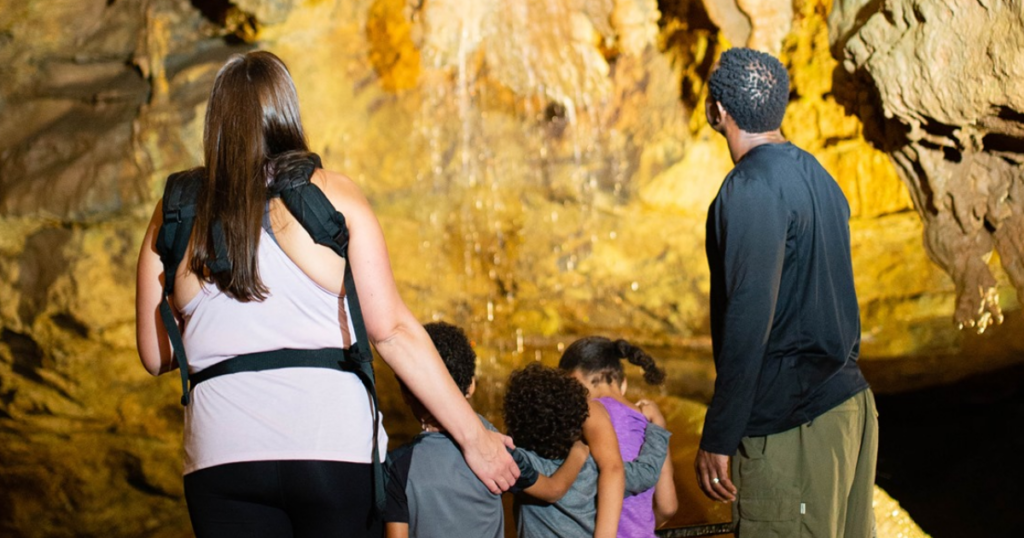
Tuckaleechee Caverns has been drawing visitors underground for over a century, showcasing towering stalagmites, flowing underground streams and the impressive Big Room—large enough to fit a football field. Rainy days are the perfect excuse to explore this subterranean wonder, where the temperature remains a cool 58 degrees year-round. 

If you prefer to stay above ground, Townsend is home to several museums that offer a glimpse into the region’s rich heritage. 

Photos courtesy of Appalachian Bear Rescue.

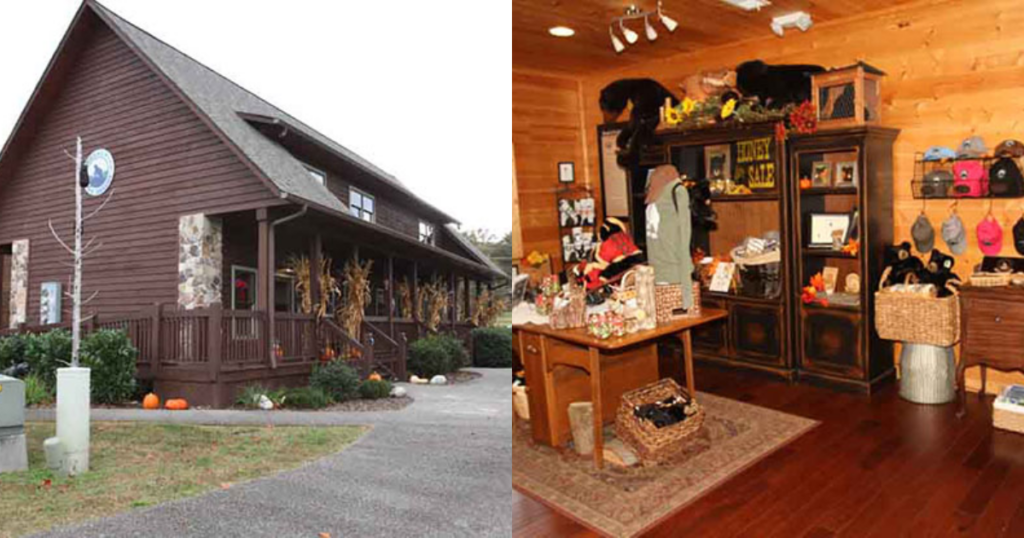
At Appalachian Bear Rescue’s Visitor and Education Center, learn about the rehabilitation of orphaned and injured black bear cubs before they are released back into the wild. While the bears themselves aren’t on display, interactive exhibits and educational presentations provide an up-close look at their journey. 

Photo courtesy of the Great Smoky Mountains Heritage Center.

Step back in time at the Great Smoky Mountains Heritage Center, where historic cabins, preserved artifacts and rotating exhibits tell the story of the region’s early settlers and Indigenous peoples. Wander through the museum or take a guided tour to learn about Appalachian traditions, crafts and daily life from centuries past. 

Photo courtesy of the Little River Railroad and Lumber Company Museum.

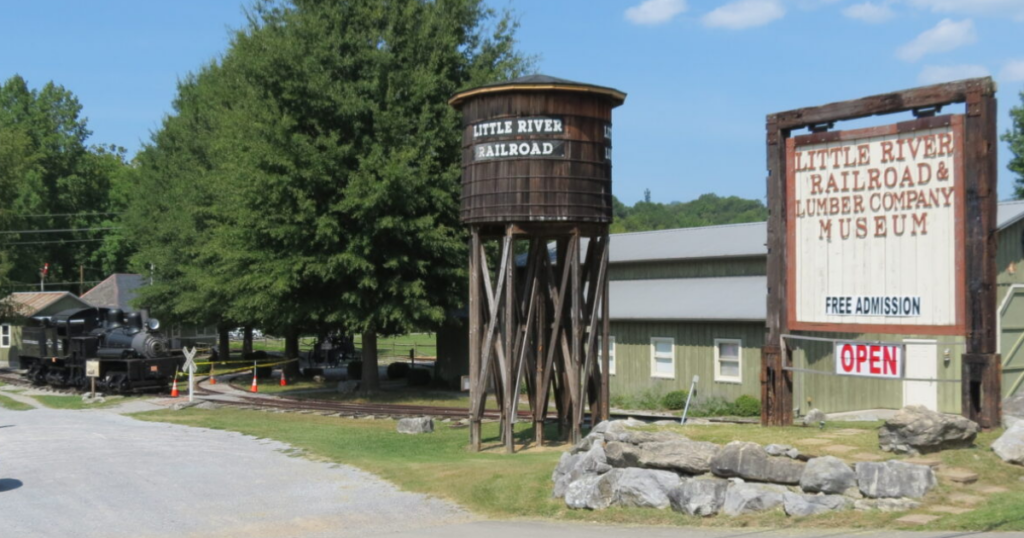
The Little River Railroad and Lumber Company Museum offers another fascinating look at Townsend’s history. This small but engaging museum highlights the impact of the logging industry on the Smokies, featuring historic locomotives, railroad artifacts and exhibits on the early days of tourism in the region. 

Photo courtesy of Kathleen A. Janke.

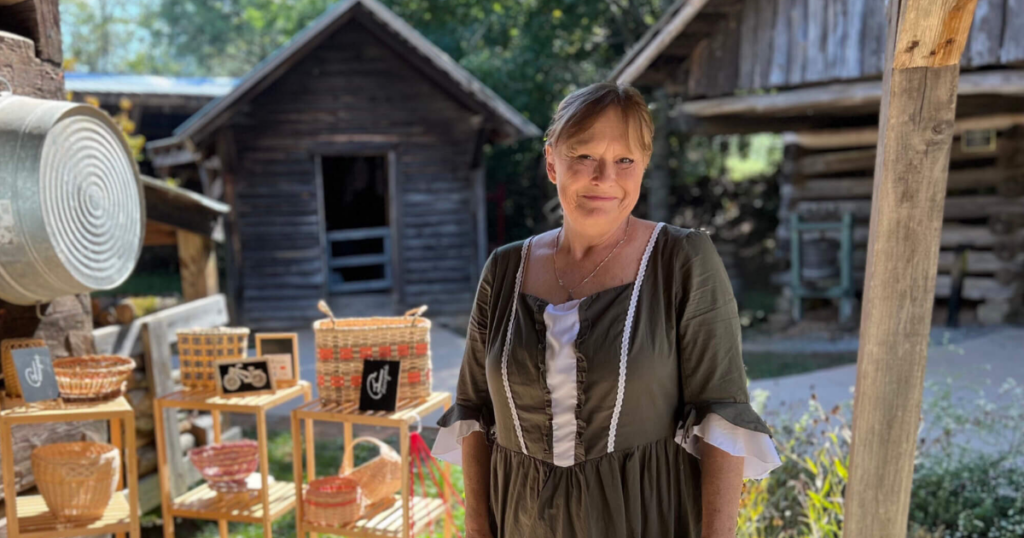
Find inspiration at the Townsend Art Center, home to the Townsend Artisan Guild. This creative hub showcases the work of local painters, potters, woodworkers and fiber artists. Or check out Gracehill Fine Art & Basketry, featuring alcohol inks, photography and basketry by Kathy Janke. 

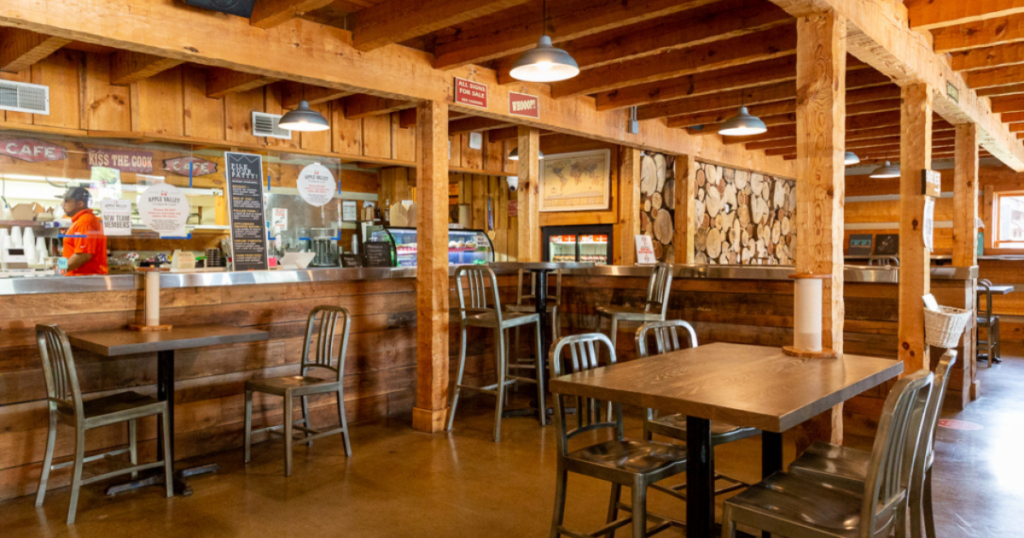
If you’re wanting to grab a bite to eat, but also want to stretch your legs, Apple Valley Mountain Village is just the place. They have a cafe, coffee shop and general store with plenty of goodies to take home. 

What’s your favorite rainy day activity on the Peaceful Side? Tag us on social media (@PeacefulSmokies) to share your thoughts. 

__________________________________________________________________________________________________________________________________

Born and raised in Maryville, Tennessee, with roots tracing back to Cades Cove, Emily Huffstetler is a proud Maryville College graduate and passionate storyteller of the Greater Smokies region.
When Spanish Explorers Traveled Through the Smokies 

Written by: Emily Huffstetler 

Pages from the original account of Juan Pardo’s expedition, recorded by Juan de la Bandera. Courtesy of España, Ministerio de Cultura, Archivo General de Indias, SANTO_DOMINGO,224,R.1,N.8. PARES

In October 1567, Spanish explorer Juan Pardo likely traveled through present-day Walland and Happy Valley, more than 200 years before Blount County was established. His destination was much farther west: the silver mines of Mexico.¹ 

The journey through the Great Smoky Mountains was documented by Juan de la Bandera, a notary who traveled with Pardo. His firsthand accounts describe rugged mountain crossings, Indigenous communities and a possible silver discovery.² 

Pardo’s journey began in December 1566, when he departed Santa Elena, a Spanish settlement on present-day Parris Island, South Carolina, with about 125 soldiers. The Spanish hoped to establish an overland route to Zacatecas, a major silver-mining center in Mexico, mistakenly believing it was much closer to the Appalachian Mountains than it actually was.³ 

Traveling northwest through the Carolinas, Pardo reached the Indigenous town of Joara, home to ancestors of today’s Catawba and Cheraw peoples, near present-day Morganton, North Carolina. There, he established Fort San Juan, leaving about 30 soldiers under Sergeant Hernando Moyano before returning to Santa Elena in March 1567.⁴ 

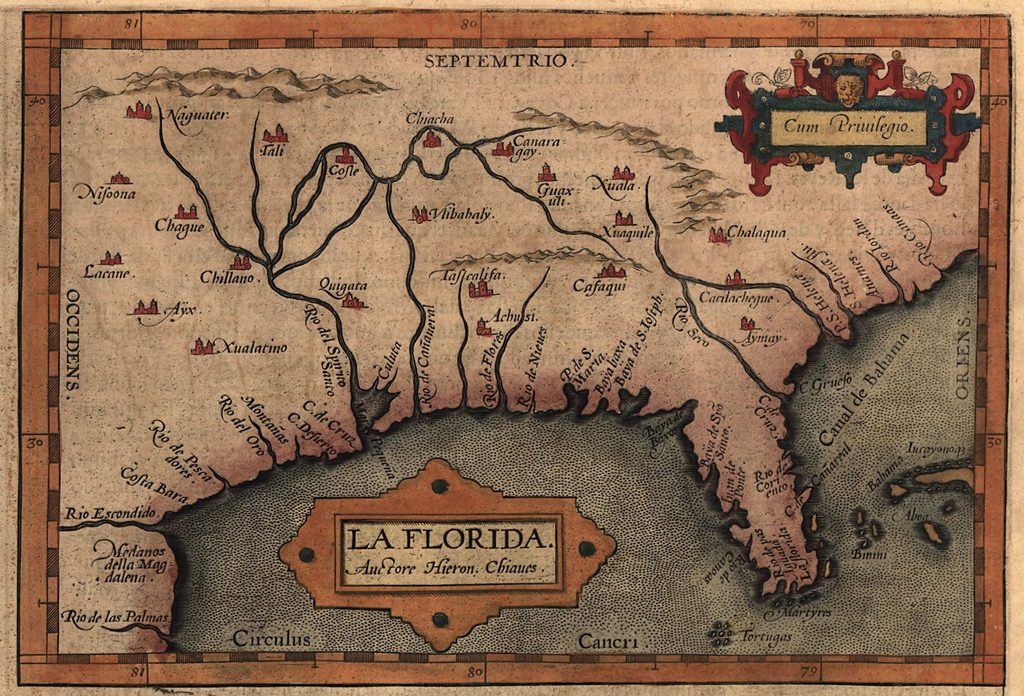
A 1584 map of La Florida by Spanish cartographer Gerónimo de Chaves, showing Joara (Xuala), where Juan Pardo established Fort San Juan in 1567. Published in Abraham Ortelius’ Theatrum Orbis Terrarum. Courtesy of the Library of Congress, Geography and Map Division.

Moyano continued farther into the mountains with soldiers and Indigenous allies, eventually reaching Chiaha, an Indigenous settlement near present-day Dandridge, Tennessee. Relations with the local community deteriorated, leaving the Spaniards confined to their fort. 

When Pardo learned of their situation, he set out on a second expedition, arriving at Chiaha on October 7, 1567.⁵ 

Bandera described Chiaha as a “rich and expansive land, with a large settlement surrounded by beautiful rivers,” noting the abundance of wild grapes and persimmons. “It is a land of angels,” he wrote.⁶ 

After several days, Pardo continued southwest toward Coosa, an important Indigenous chiefdom. On October 13, the expedition traveled west from Chiaha, stopping to camp that evening. Three Indigenous chiefs brought food to the soldiers, and Pardo presented them with gifts including metal tools and pieces of silk.² 

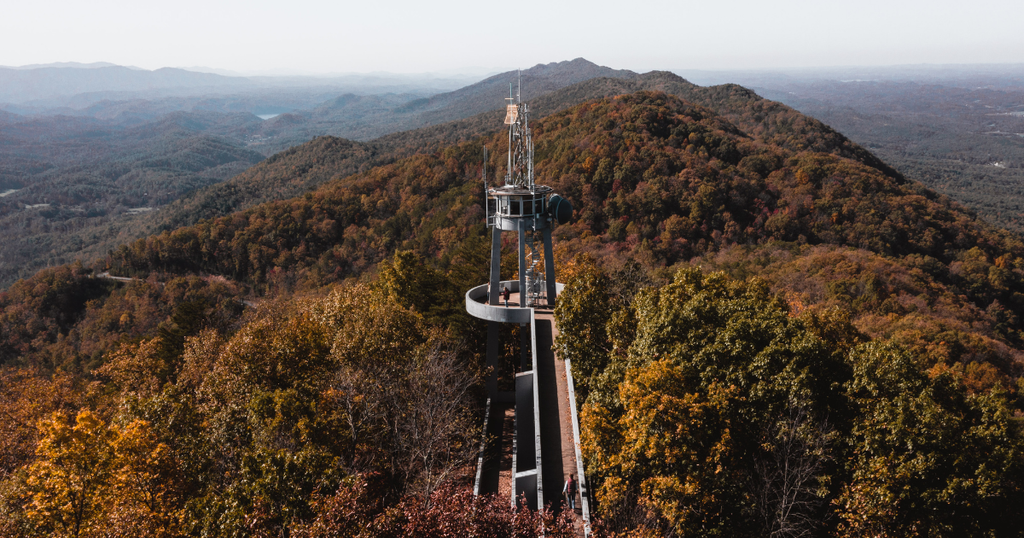
Historian Charles Hudson’s reconstruction of the expedition’s route suggests the soldiers traveled through the Walden Creek area before following Reed Creek to the Little River near present-day Walland. From there, they likely climbed a spur of Chilhowee Mountain, possibly camping near The Flats and Lake in the Sky. The exact route remains uncertain.¹ 

Look Rock Observation Tower on Chilhowee Mountain, which Juan Pardo’s expedition is believed to have crossed in October 1567.

Bandera described the mountains as more rugged than those the expedition had previously crossed, although he praised the countryside as “tierra muy rica y agradable y fresca,” or very fertile, pleasant and cool land.⁶ 

On October 14, while climbing a mountain, Pardo found a small reddish stone and showed it to Andrés Suárez, a gold and silver smelter traveling with the expedition. Suárez believed the stone might contain silver, although no test was recorded.² 

The following day, the expedition likely passed through present-day Happy Valley before reaching Chalahume. Hudson identified the Indigenous settlement with the Chilhowee archaeological site near Abrams Creek and the Little Tennessee River.¹ 

Bandera compared Chalahume’s fertile valleys to the countryside surrounding Córdoba, Spain. He also described the wild grapes as good as those found in Spain.⁶ 

After exchanging gifts with the local chief, Pardo continued southwest to Satapo, another Indigenous settlement near present-day Citico Creek in Monroe County. 

The soldiers arrived on October 16. That evening, sentries heard what they believed was a large gathering of Indigenous people outside the settlement. Pardo ordered his men to remain alert throughout the night.¹,² 

Around midnight, an Indigenous man approached the expedition’s interpreter, Guillermo Rufín, offering information about a possible attack in exchange for an axe. 

The man claimed that several Indigenous leaders were planning ambushes along the route toward Coosa and intended to withhold food and supplies unless they received payment. The following morning, Pardo asked the local chief for men to help carry supplies. When the chief returned without any, Pardo became increasingly concerned.² 

After consulting his officers, Pardo decided to turn back.¹ 

The soldiers returned to Chiaha on October 19. The following day, Pardo ordered work on a fort at Olamico before continuing east.¹ He reached Santa Elena on March 2, 1568, without establishing the route to Mexico.⁵ 

Later that year, Indigenous communities destroyed the remaining Spanish forts in the southeastern interior, ending Spain’s attempt to maintain a permanent military presence in the region.⁴,⁵ 

Born and raised in Maryville, Tennessee, with roots tracing back to Cades Cove, Emily Huffstetler is a proud Maryville College graduate and storyteller of the Greater Smokies region. She holds a Master of Science in Conservation Education from Mississippi State University.     
_________________________________________________________________________________________________________

Where the Water Goes: Cades Cove Wetlands

Written by: Emily Huffstetler 

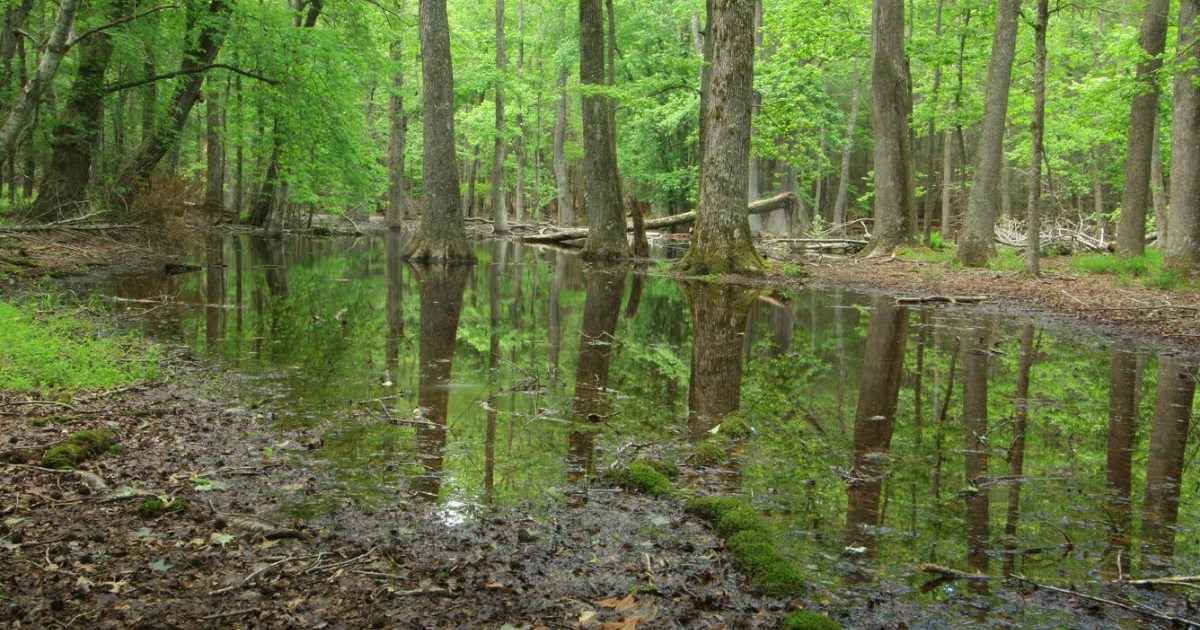
Gum Swamp is a karst-depression wetland beneath the forest canopy in Cades Cove. Photo courtesy of Alan Cressler, U.S. Geological Survey.

Cades Cove is one of the Smokies’ most familiar landscapes, but its wetlands receive far less attention.  

Across the valley, water collects in several kinds of wetlands, including a seven-acre rush marsh, low-lying areas near Sparks Lane and the forested Gum Swamp.1,2 It may fill natural depressions, spread across the forest floor or disappear beneath tall vegetation.

Wetlands don’t need to stay flooded throughout the year. Some hold shallow water during rainy periods, then look grassy or dry as the water level drops. Even after the surface water recedes, wetland soils and plants remain. 

Where to Find Wetlands in Cades Cove 

Sparks Lane crosses a low-lying section of Cades Cove.

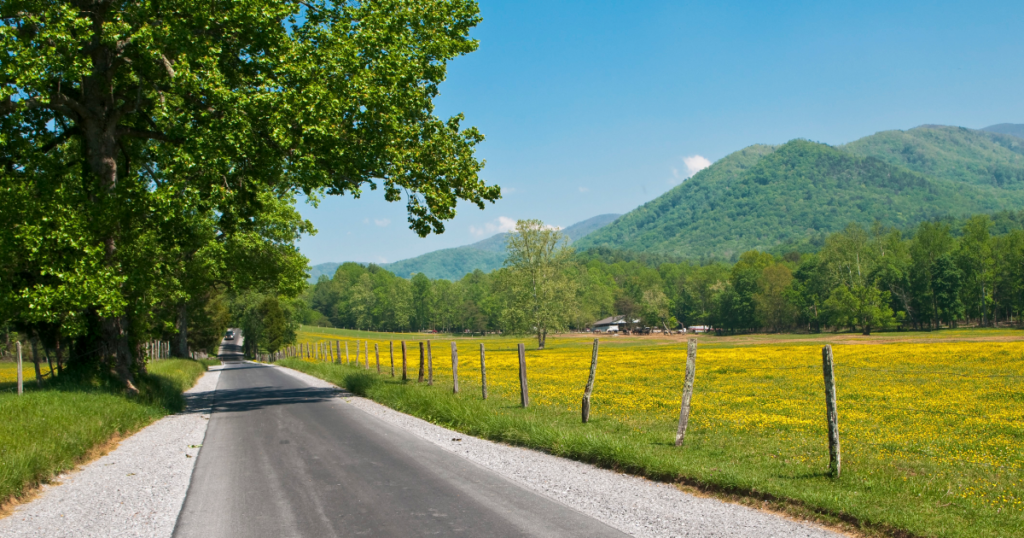
Sparks Lane offers a good place to start. Listen for frogs and check the low ground near the road, where tall vegetation may conceal shallow or seasonal water.1 

Rushes and sedges can mark wetter ground after visible water disappears. A shallow depression may also hold water without forming a permanent pond or clear shoreline. Spring rain can cover ground that looks dry by late summer, so the same wetland may appear different from one visit to the next. 

Elsewhere in the cove, Gum Swamp can be difficult to recognize from a distance. The canopy and ground vegetation obscure shallow pools that collect across a natural depression beneath the trees.2,3 

Stay on roads and established paths while viewing these habitats. Foot traffic can compact saturated soil, damage plants and disturb animals that use the water for breeding or cover. 

What Lives in Cades Cove Wetlands? 

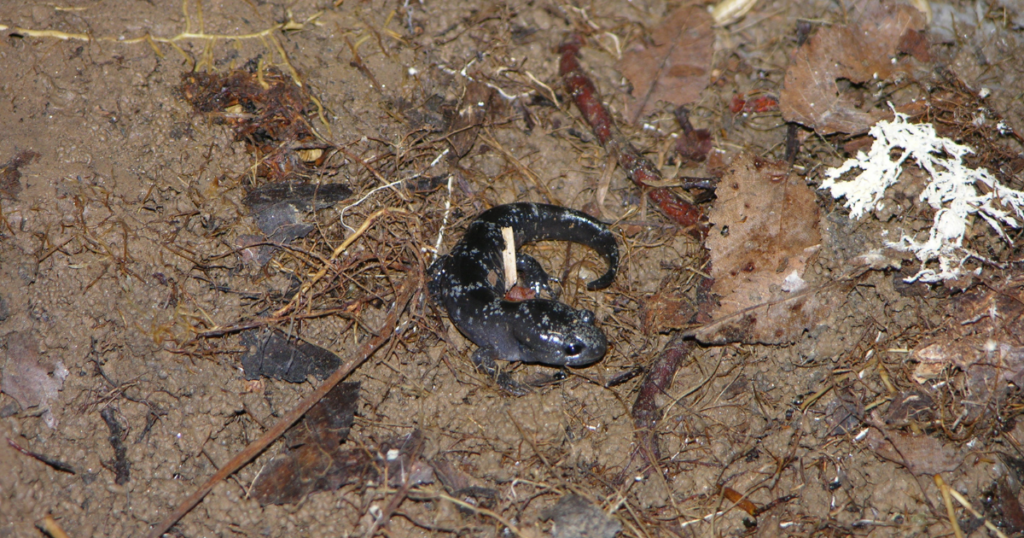
Marbled salamanders are among the amphibians found in Cades Cove. Photo courtesy of Jean Richter, U.S. Fish and Wildlife Service.

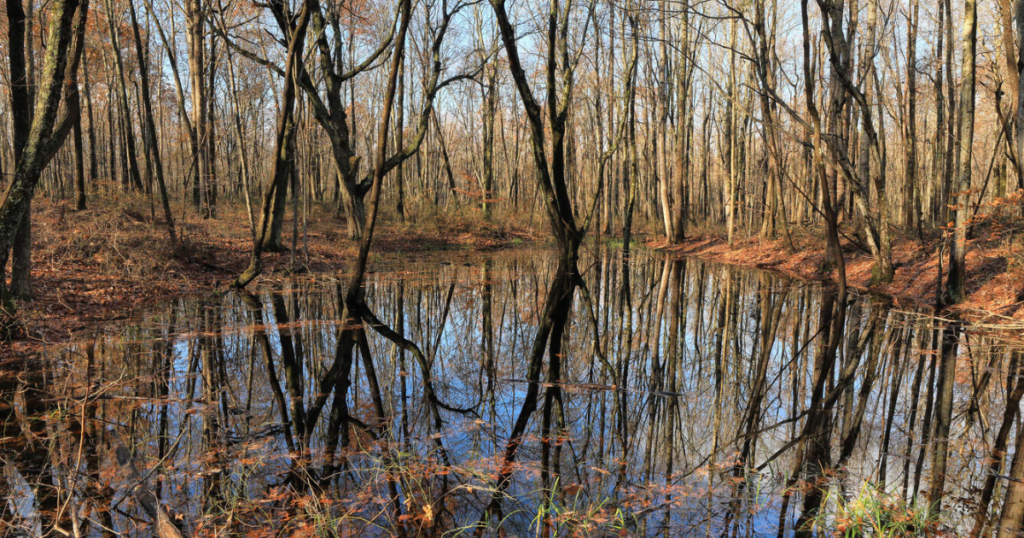
Frogs use Cades Cove’s seasonal wetlands for breeding. Some temporary pools function as vernal pools, remaining wet long enough for eggs to hatch and tadpoles to develop into young frogs before the water level drops later in the year.  

The Smokies support 31 salamander species.4 They often live along streams or beneath rocks, logs and leaf litter where moisture remains available. Because they exchange gases and absorb moisture through their skin, salamanders are especially sensitive to changes in water quality and moisture. 

Dragonflies depend on water during their early development. Their nymphs live below the surface before emerging as flying adults.  

Many bird species, including Great Blue Herons, Green Herons, Wood Ducks and Red-winged Blackbirds, rely on Cades Cove wetlands, too.5 They use shallow water, forested wetlands or marsh vegetation for food and cover. 

Why Do Wetlands Matter? 

A seasonal pond in Tennessee holds water beneath the forest canopy. Photo courtesy of Alan Cressler, U.S. Geological Survey.

Wetlands cover less than 1% of Great Smoky Mountains National Park, but more than a quarter of its plant species grow in them. Eight percent of the park’s plant species occur only in wetland habitat.1 

After heavy rain, their soil and vegetation hold water temporarily, reducing the amount that enters streams at once. As water passes through plants and soil, wetlands trap sediment and some pollutants. Slower runoff can reduce stream erosion and replenish groundwater.

Even a small wetland can support species that wouldn’t find suitable conditions in the surrounding fields or drier forests. 

How People Changed Cades Cove Wetlands

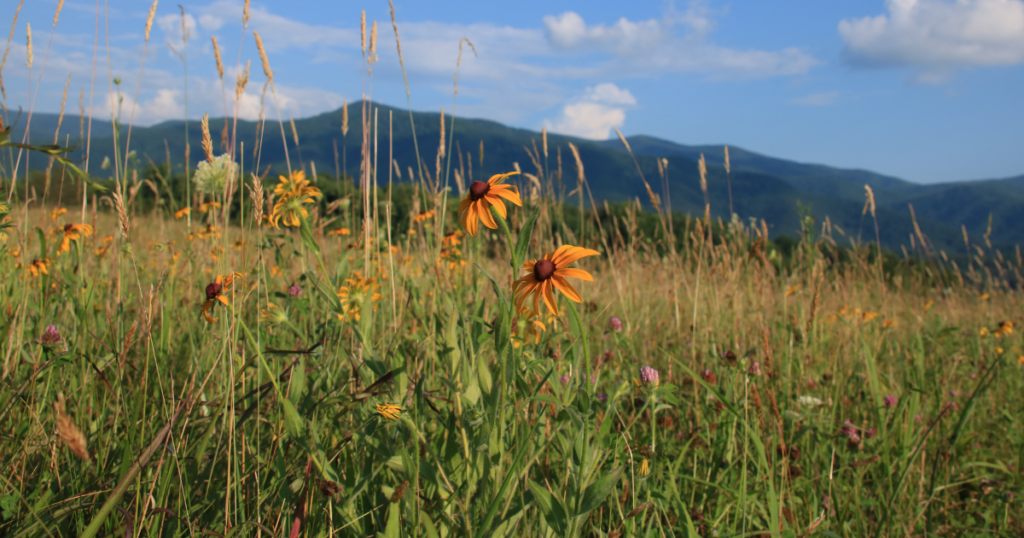
Open meadows still cover much of the Cades Cove valley floor. Photo courtesy of Warren Bielenberg, National Park Service.

Families farming Cades Cove dug ditches and drained wetlands to create more usable land. Their work redirected water across the valley and reduced wetland habitat.6 

After the national park acquired the farms, managers continued to maintain large areas for cattle grazing and hay production. They planted European fescue in many of the fields, covering large areas with a single grass species. As a monoculture, the fescue offered less varied habitat and fewer food sources for wildlife.6 

The cattle and hay leases expired in the late 1990s. Park crews then began restoring selected wetlands and planting native grasses and wildflowers. Since 2002, crews have collected native seeds, grown them in production fields and replanted them across parts of Cades Cove.6 

Crews still mow some fields regularly and maintain others with native plantings and prescribed fire, depending on the goals for each section of the valley.6,7 

Since 2010, a park-wide inventory has identified more than 600 wetlands, including marshes, floodplain forests and high-elevation seeps. Park managers use that information to guide restoration, manage invasive plants and monitor wetland habitat over time.1,2

Learn More: Townsend’s Wetland Display

Visitors can learn more at the Great Smokies Welcome Center in Townsend. A wall display installed in fall 2025 combines photographs with scientific illustrations to introduce four of the park’s 10 wetland types: beaver pond marshes, floodplain canebrakes, wet seepage meadows and Blue Ridge high-elevation seeps.8 

Featured plants and animals include beavers, marbled salamanders, giant cane and grass of Parnassus. The welcome center is located at 7929 E. Lamar Alexander Parkway.8 

Born and raised in Maryville, Tennessee, with roots tracing back to Cades Cove, Emily Huffstetler is a proud Maryville College graduate and storyteller of the Greater Smokies region. She holds a Master of Science in Conservation Education from Mississippi State University.     
_________________________________________________________________________________________________________

Where to Listen to Live Music this Spring

Written by: Emily Huffstetler

While Nashville may be Music City, the Peaceful Side of the Smokies is home to a lively—and affordable—music scene. This spring, discover the diversity of Appalachian music, from bluegrass to rock n’ roll, at these upcoming performances.

The Shed Smokehouse & Juke Joint, Maryville

The Shed Smokehouse & Juke Joint is a 16,000-square-foot concert hall located adjacent to Smoky Mountain Harley-Davidson. They have live music every Saturday night, as well as some Fridays and Thursdays. 

  • Friday, March 28 from 6:30–11:00 p.m. — The Young Fables Benefit Concert 
  • Saturday, April 5 from 6:00–11:00 p.m. — Big Gun: The Ultimate AC/DC Tribute wsg 103.5 WIMZ Garage Band 
  • Saturday, April 12 from 6:00–11:00 p.m. — 7 Bridges: Eagles Tribute 
  • Saturday, April 19 from 6:00–11:00 p.m. — Departure: Journey Tribute 
  • Saturday, April 26 from 6:00–11:00 p.m. — Back2Mac: Fleetwood Mac Tribute 
  • Saturday, May 3 from 6:00–11:00 p.m. — Everclear 
  • Saturday, May 10 from 6:00–11:00 p.m. — Ray Wylie Hubbard 
  • Thursday, May 15 from 6:00–11:00 p.m. — Blackberry Smoke Night 1 
  • Friday, May 16 from 6:00–11:00 p.m. — Blackberry Smoke Night 2 
  • Saturday, May 17 from 6:00–11:00 p.m. — Blackberry Smoke Night 3 
  • Saturday, May 24 from 6:00–11:00 p.m. — Black Stone Cherry w/ Tyler Bryant & The Shakedown 
  • Saturday, May 31 from 6:00–11:00 p.m. — The Wildflowers: The Ultimate Tom Petty Tribute Band 

Rocky Branch Mountain Music, Walland

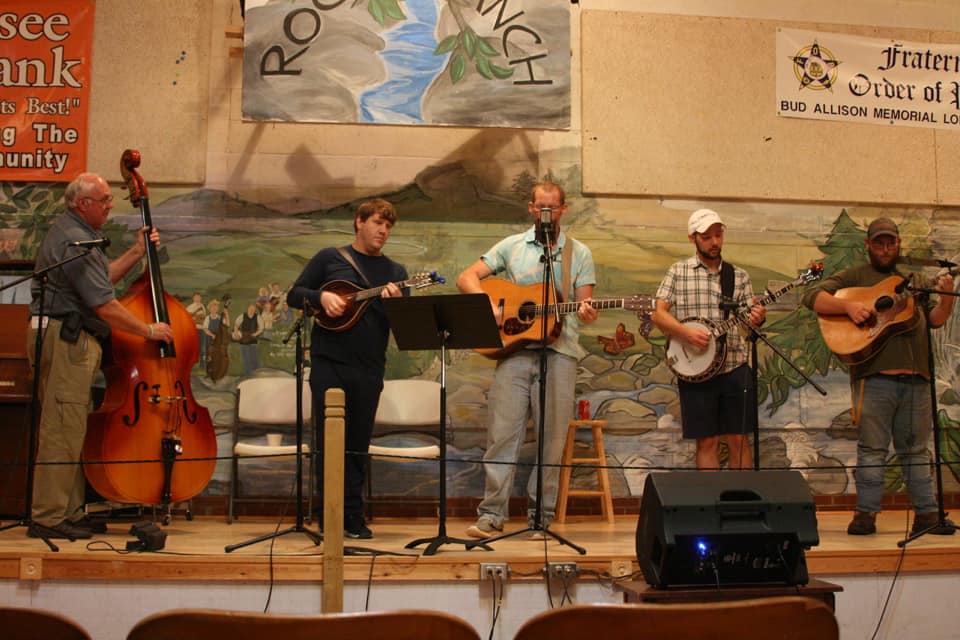
Rocky Branch Mountain Music, a 501(c)(3) nonprofit located in Walland, has jam sessions every Friday night. You can bring your acoustic instrument to play, or just sit back and enjoy the music. Music genres range from country to bluegrass and gospel.

The doors open at 5:30 p.m., and the kitchen starts serving at 6 p.m. Groups generally start playing at 6:30 p.m., until the last player leaves.

The cost of admission is a donation of your chosen amount to help cover operational expenses.

Bars and Restaurants

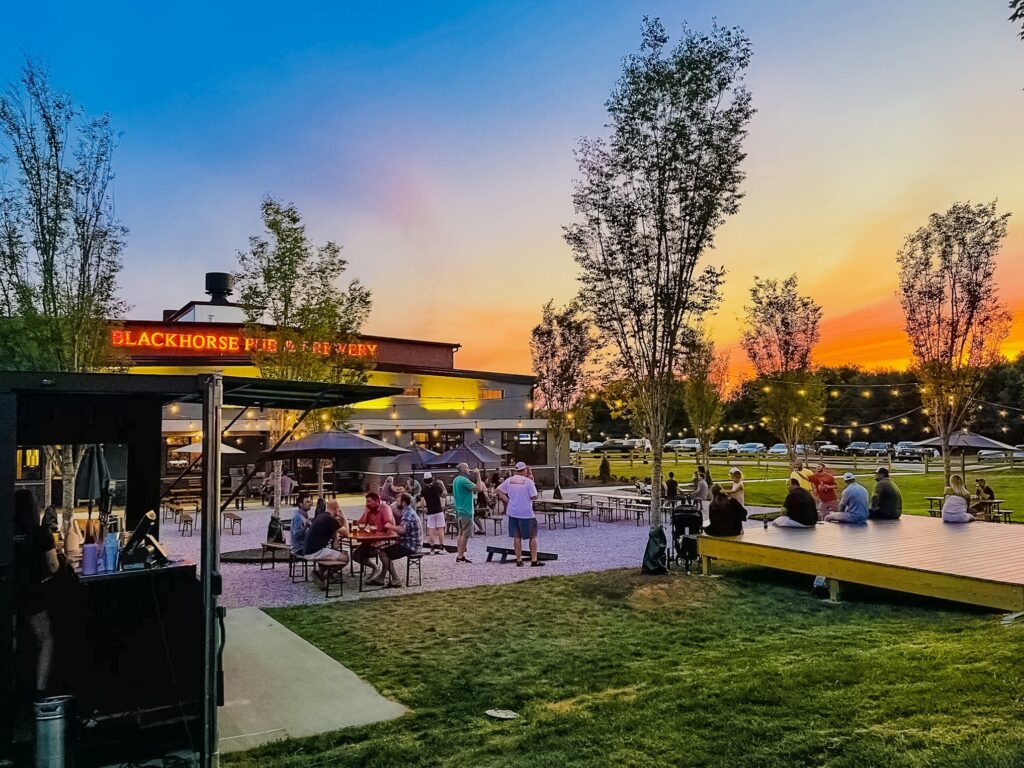
Blackhorse Pub & Brewery, located in Alcoa, is a restaurant that serves beers crafted in Tennessee. They have live music in the beer garden on Friday and Saturday nights. 

Upcoming Performances:

  • Thursday, April 3 from 7–10 p.m.—Shaun Abbott (country, originals) 
  • Friday, April 4 from 8–11 p.m.—The Jaystorm Project (blues, funk, rock, hip-hop) 
  • Friday, April 11 from 8–11 p.m.—Gramphix (rock, punk, soul) 
  • Thursday, April 17 from 7–10 p.m.—Ryan Roberts (country, southern rock) 
  • Friday, April 18 from 7–10 p.m.—AYCA (rock, jazz, R&B, dance, diva rock) 
  • Friday, April 25 from 8–11 p.m.—SkyWay 61 (classic rock, dance, originals) 
  • Saturday, April 26 from 8–11 p.m.—Zak Saltz Band (southern rock, blues) 
  • Friday, May 2 from 8–11 p.m.—The Jaystorm Project (blues, funk, rock, hip-hop) 
  • Saturday, May 10 from 8–11 p.m.—Hillbilly Jedi (variety) 
  • Friday, May 16 from 8–11 p.m.—Loveshyne (rock, originals) 
  • Saturday, May 17 from 8–11 p.m.—Rebel Railroad (originals) 
  • Friday, May 23 from 8–11 p.m.—Vagabon Brew (rock n’ roll) 
  • Saturday, May 24 from 8–11 p.m.—Virginia Sweet (hard rock, jam band) 
  • Friday, May 30 from 8–11 p.m.—The Aaron Tracy Band (classic rock, country, variety) 

These performances are weather permitting. For information about possible delays or cancellations, visit their social media or call the pub.

Two Doors Down, a gastropub in Downtown Maryville, has live music on Fridays and Saturdays starting at 9 p.m. They also have a live DJ every Wednesday.

Upcoming Performances: 

  • Friday, March 28 from 9 p.m.–1 a.m.—FourKast 
  • Saturday, March 29 from 9 p.m.–1 a.m.—Ginger Band 
  • Friday, April 4 from 9 p.m.–1 a.m.—Aunt Betty 
  • Saturday, April 5 from 9 p.m.–1 a.m.—Jordan Foster Band 

Brackins Blues Club, located in Downtown Maryville, has live music on Friday and Saturday nights starting at 9 p.m. Occasionally, they have weeknight performances.

Upcoming Performances:

  • Thursday, March 27 from 8–11 p.m.—Big Al & the Heavyweights 
  • Friday, March 28 from 9 p.m.–12 a.m.—Mighty Blue 
  • Saturday, March 29 from 9 p.m.–12 a.m.—Roger Hay Band 
  • Tuesday, April 8 from 7:30–9:30 p.m.—The Dirty Dougs Trio 
  • Tuesday, April 15 from 7–9 p.m.—B-Side Me 
  • Tuesday, May 13 from 7:30–9:30 p.m.—The Dirty Dougs Trio 
  • Tuesday, May 20 from 7–9 p.m.—B-Side Me 

Company Distilling, a distillery located in Townsend, has live music on most Friday and Saturday evenings from 6–8 p.m.

Upcoming Performances:

  • Friday, March 28 from 6–8 p.m.—Piper Paisley 
  • Saturday, March 29 from 6–8 p.m.—Gavin Johnston 
  • Friday, April 4 from 6–8 p.m.—Adam Miller 
  • Saturday, April 5 from 6–8 p.m.—Jay Dee 
  • Friday, April 11 from 6–8 p.m.—Chris Long 
  • Saturday, April 12 from 6–8 p.m.—Von Sutherland 
  • Friday, April 18 from 6–8 p.m.—Shaun Abbott 
  • Saturday, April 19 from 6–8 p.m.—Double Helix 
  • Friday, April 25 from 6–8 p.m.—Josh Cottrell 
  • Saturday, April 26 from 6–8 p.m.—Piper Paisley 
  • Friday, May 2 from 6–8 p.m.—Adam Miller 
  • Saturday, May 3 from 6–8 p.m.—Backseat Delilahs 
  • Friday, May 9 from 6–8 p.m.—Southern Spirit 

The Abbey, a craft beer pub located in Townsend, has live music on the riverside patio most Friday and Saturday evenings, starting at 7 p.m.

Upcoming Performances:

  • Friday, March 28 — The Woods 
  • Saturday, March 29 — Perry Bonck 
  • Friday, April 4 — First Friday Artists 
  • Saturday, April 5 — Tin Wood Holler 
  • Friday, April 11 — Jeremy Johnson 
  • Saturday, April 12 — Southern Spirit 
  • Friday, April 18 — Dark Waters Project 
  • Saturday, April 19 — Butch Truan 
  • Friday, April 25 — Joe Podge 
  • Saturday, April 26 — Perry Bonck 
  • Friday, May 2 — First Friday Artists 
  • Saturday, May 3 — Darryl Wallace, Chris Long, Kevin Mahoney 
  • Friday, May 9 — Randy Goodman 
  • Saturday, May 10 — The Surface Dwellers 
  • Friday, May 16 — Andy Sneed 
  • Saturday, May 17 — Butch Truan 
  • Friday, May 23 — Dark Waters Project 
  • Saturday, May 24 — TBA 
  • Friday, May 30 — Perry Bonck 
  • Saturday, May 31 — Tin Wood Holler 

These performances start at 7 p.m., unless otherwise noted.

Peaceful Side Brewery, located in Maryville, has live music every Saturday and live blues music every first Sunday. The third Thursday of the month features Listening Sessions with Captain Ed, their resident vinyl curator. 

Upcoming Performances:

  • Saturday, March 29 from 6:00–9:00 p.m. — Von Sutherland 
  • Saturday, April 5 from 6:00–9:00 p.m. — Karen Bowles 
  • Sunday, April 6 from 4:00–6:00 p.m. — Tangled In Blues Lite 
  • Saturday, April 12 from 6:00–9:00 p.m. — Neesee Hurst 
  • Thursday, April 17 from 6:00–8:00 p.m. — Listening Sessions with Captain Ed 
  • Saturday, April 19 from 6:00–9:00 p.m. — Short Leasch 
  • Sunday, May 4 from 4:00–6:00 p.m. — Live Blues Music 
  • Thursday, May 15 from 6:00–8:00 p.m. — Listening Sessions with Captain Ed 

Peaceful Side Social, located in Townsend, has live music every Friday from 4:30–7:30 p.m. 

Upcoming Performances: 

  • Friday, March 28 from 4:30–7:30 p.m.— Fred Lee Cole 
  • Friday, April 11 from 4:30–7:30 p.m. — The Surface Dwellers 

Will you make it to any of these spring concerts on the Peaceful Side? We’d love to hear about it. Be sure to tag us on social media (@peacefulsmokies).

__________________________________________________________________________________________________________________________________

Born and raised in Maryville, Tennessee, with roots tracing back to Cades Cove, Emily Huffstetler is a proud Maryville College graduate and passionate storyteller of the Greater Smokies region.
Where to Shop Farm-Fresh Goods in Maryville 

Written by: Emily Huffstetler 

Maryville shoppers have two farmers market options this season. 

Rural King’s Blount County Farm Days brings local crafters, homestead vendors, small-scale farmers, food vendors and makers to Rural King twice a month. Downtown, the Maryville Farmers’ Market operates Saturdays at Founders Square with a formal, producer-only structure. 

Rural King’s Blount County Farm Days

Stitchin’ Rita. Photo courtesy of Rural King, Maryville.

Rural King’s Blount County Farm Days started in Maryville in 2022. Store manager Bryce Freebury came up with the idea to bring the community together and celebrate the farm lifestyle. 

The market gives local crafters, homestead vendors, small-scale farmers, food vendors and other makers a low-cost place to sell directly to shoppers. Vendors aren’t charged for a spot, but they do sign a liability waiver to use the parking lot. 

Ashley Sparks of Sparkswood Farm created the market’s Facebook page, helping Rural King’s Blount County Farm Days reach a wider community audience. 

The market takes place on the second and fourth Saturdays of the month. Vendors can set up at any time, usually by 10 a.m., and the market runs until vendors pack up. The next one is June 13. 

Kriddy’s Kreations. Photo courtesy of Rural King, Maryville.

The lineup changes by date. On the farm side, shoppers may find chicken eggs, quail eggs, hatching eggs, chicks, poultry, goats, livestock feed or homestead classes from vendors such as Hobby Hen Farms, Ada’s Quailery, Lil’ Scruffy Homestead, Naked Goat Farms TN and Sulfur Springs Hatchery. 

Food vendors include Knead for Speed, which focuses on fresh-milled sourdough and kitchen classes; Mandar’s Cakesicles and She’s a Dandy Bakery, both cottage-baked sweets vendors; Tammy Duncan, who makes jams, jellies, breads, salsa, relishes and baked goods; and Shearer Marketplace, which sells jams and jellies. 

The market also includes handmade and home-based products. Kriddy’s Kreations sells candles, wax melts, room sprays, soaps and salves. Ashley Family Made makes tallow soaps, whipped tallow, bug repellent, laundry soap and dog shampoo. Marvin’s Metal Works creates furniture and art pieces from repurposed metal barrels. StitchinRita crochets plushies, farm animals, keychains, horseshoe decor and accessories. 

Those interested in participating can join the Blount County Farm Days Facebook group. 

Maryville Farmers’ Market

The Maryville Farmers’ Market is the established downtown option. The 2026 season runs Saturdays through Nov. 14., from 8:30 to 11:30 a.m. Monthly craft days are scheduled during the season, with Holly Day Market dates set for Nov. 7 and 14. 

The market has a formal vendor structure. Categories include farmers and growers, small food manufacturers, processors, prepared food vendors and artisans. Farmers and growers must sell products they grow themselves, products from a family farm, or products grown on land they lease or rent. Members can’t resell products. 

Produce becomes a larger part of the market as summer begins. Octagon G Farm sells vegetables like corn, heirloom beans, tomatoes, cucumbers, squash, potatoes, peppers, okra, greens and beets, depending on what’s in season. The Plant Trolley brings houseplants, and Honey Rock Herb Farm offers herbs.

Shoppers can also find meat, eggs and locally made food products. Wandering Walnut Meadows, a small farm in Greenback, raises pastured chicken, turkey, duck, eggs, pork and grass-fed lamb. C&C Beef is another local meat producer. Smokey Ridge Apiaries sells raw honey and products made with honey or beeswax. 

Prepared foods and specialty products round out the weekly shop. Depending on the date, shoppers may find baked goods from Blount County Bakery, barbecue sauce from Duane Paul’s BBQ and hot sauce from Tennessee Red Man. 

The market has closed vendor applications for the 2026 season. 

Born and raised in Maryville, Tennessee, with roots tracing back to Cades Cove, Emily Huffstetler is a proud Maryville College graduate and storyteller of the Greater Smokies region. She holds a Master of Science in Conservation Education from Mississippi State University.   
Winter Date Ideas on the Peaceful Side 

Written by: Emily Huffstetler 

On the Peaceful Side, winter date night doesn’t have to mean staying cooped up at home. From downtown dinner and cocktails to a heated sauna workout, these ideas make it easy to spend quality time together, no matter the forecast. 

Classic Romantics – Downtown Maryville 

Photo: Raven Steakhouse and Lounge

Start with dinner at Bella, a downtown spot with Italian-inspired house pastas and elevated entrees. If you want something memorable, order Pasta in the Wheel, tableside fettuccine flambéed in a Grana Padano cheese wheel. 

Afterward, head to The Raven for a nightcap in the lounge. Order The Chosen Stave for a tableside cocktail, the Bottled Old Fashioned for a classic or Black Velvet Veil for an espresso boost. 

Lodge Lovers – Townsend 

Photo: Dancing Bear Lodge

Have a cozy overnight stay at Dancing Bear Lodge. Their Hibernation Special runs Jan. 4 through March 19 with reduced winter rates, complimentary breakfast from the Dancing Bean Coffee House or Apple Valley Cafe, and a custom gift for two. 

During the day, bundle up for a walk on the Townsend Historical Trail. It’s paved and mostly flat, and you can turn around whenever you’re ready. 

Bookworms – Downtown Maryville 

Photo: Neighborly Books

Browse Neighborly Books and pick out a book for each other. Bring them along to Vienna Coffee Company and settle in with one of their February specials. 

Bee Mine is sweet and floral with honey, brown sugar and lavender alongside espresso and milk. Cupid’s Crush is a strawberry smoothie with vanilla, mocha and a splash of cream, and Strawberry Snowflake is a strawberry and vanilla latte topped with cold foam or whipped cream. 

Workout Partners – Alcoa 

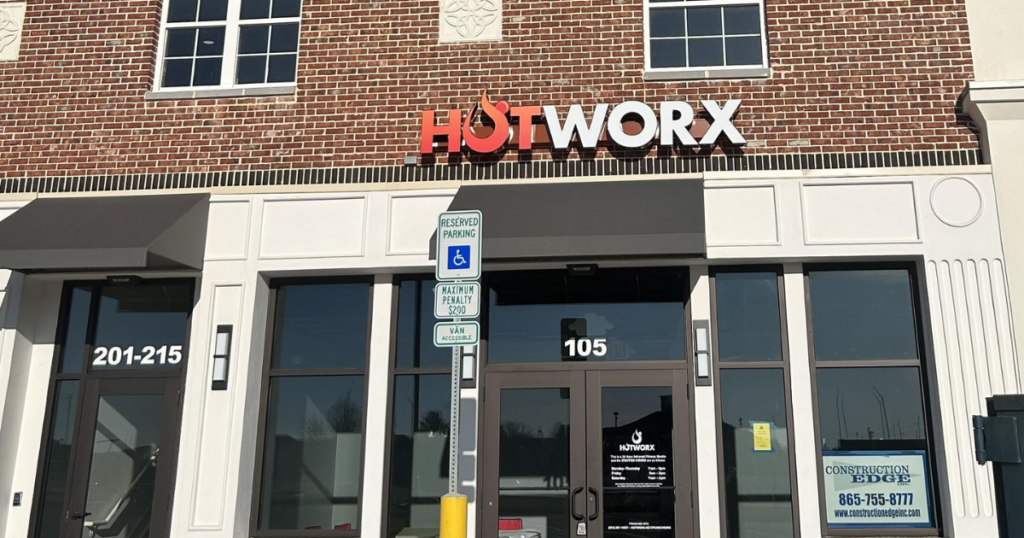
Photo: HOTWORX Alcoa, TN (Springbrook Farms)

Crank up the heat at HOTWORX, an infrared fitness studio with guided workouts inside a heated sauna. Book a session and follow the on-screen class, with options ranging from yoga and Pilates to strength-focused and cycling-style workouts. 

Cool down with a vitamin-infused energy or protein drink from Louisville Nutrition.

History Buffs – Townsend 

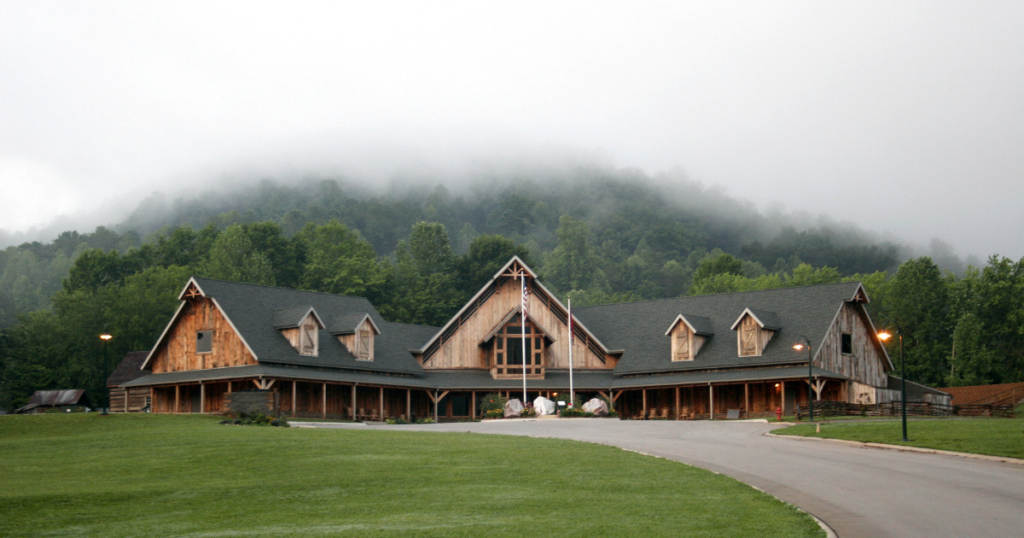
Photo: Great Smoky Mountains Heritage Center

Spend the morning at the Great Smoky Mountains Heritage Center and take your time exploring the exhibits and historic structures. 

Once you’ve wrapped up, have lunch at The Abbey. The restaurant is set inside a historic chapel, with a warm, old-world atmosphere. Then, go antiquing for the afternoon. 

Related read: “10 Antique Shops on the Peaceful Side: Walland, Maryville, Rockford, Louisville, TN”

Movie Lovers – Downtown Maryville 

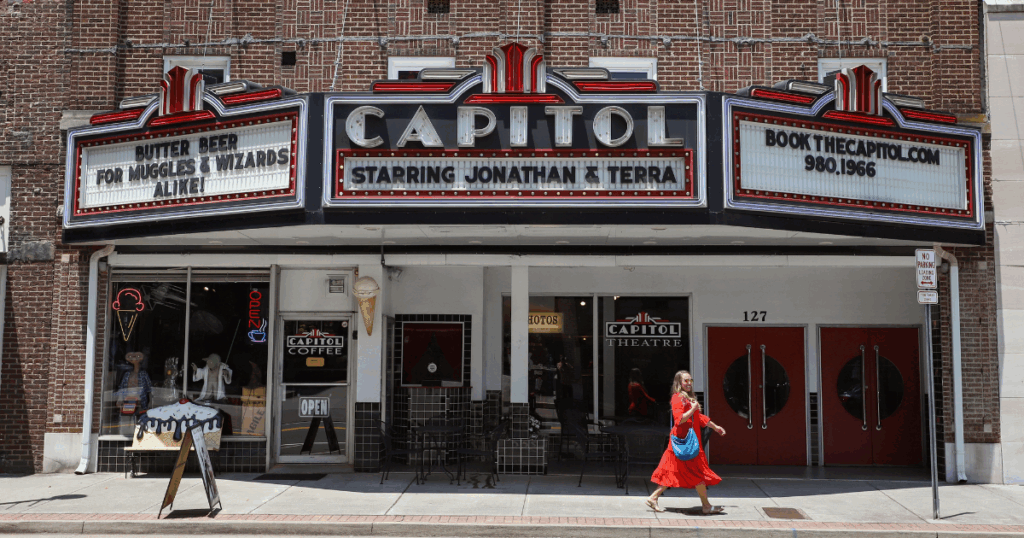
Photo: The Capitol Theatre

Start with dessert at the Capitol Theatre Ice Cream Parlor. Their menu leans into classics like sundaes and floats, with movie-themed touches. 

Make a pit stop at Bigfoot Popcorn and pick out a couple flavors to share. Bigfoot Poop is their signature, made with chocolate and caramel. Ranch and Garlic Parmesan are popular savory options. Then, head home for a movie night. 

Crafty Couples – Maryville 

Photo: Creative Spark Studio

Take a class together at Creative Spark Studio. On Feb. 14, Blacksmithing Basics with Bryan covers beginner techniques like heating, hammering and bending metal while you shape a heart. All materials are provided, and the finished piece can be used as a pendant, keychain or ornament. Alternatively, on Feb. 19, create a heart-shaped gemstone pendant. 

Born and raised in Maryville, Tennessee, with roots tracing back to Cades Cove, Emily Huffstetler is a proud Maryville College graduate and storyteller of the Greater Smokies region. 

Winter Flora and Fauna of the Smokies: A Field Guide 

Written by: Emily Huffstetler

Winter in the Great Smoky Mountains National Park (GSMNP) offers a unique perspective on the region’s rich biodiversity. While many visitors associate the park with its vibrant spring and summer blooms, the winter months reveal a quieter, more serene side, with a surprising amount of flora and fauna still thriving in the colder weather.

Flora 

The GSMNP is home to over 1,500 species of flowering plants, earning its nickname as the “Wildflower National Park.” During the winter months, a few of these species can still be spotted, including the early-blooming ephemeral flowers. 

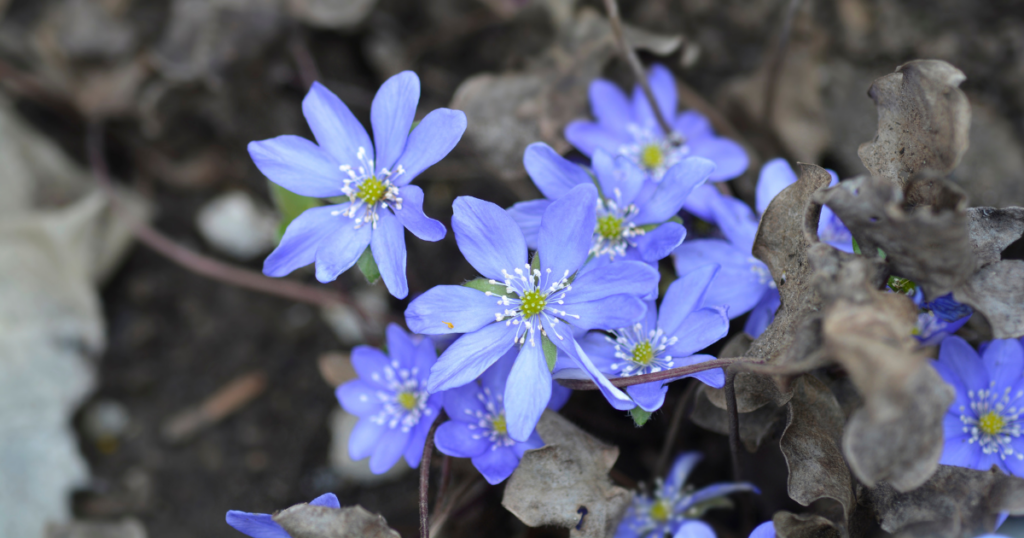
These delicate blooms, such as hepaticas (liverworts), begin to flower as early as February, taking advantage of the abundant sunlight that reaches the forest floor through the leafless trees. Their blue, white, purple and pink shades are some of the few bursts of color in the winter landscape. To find them, explore the park’s recommended wildflower walks. 

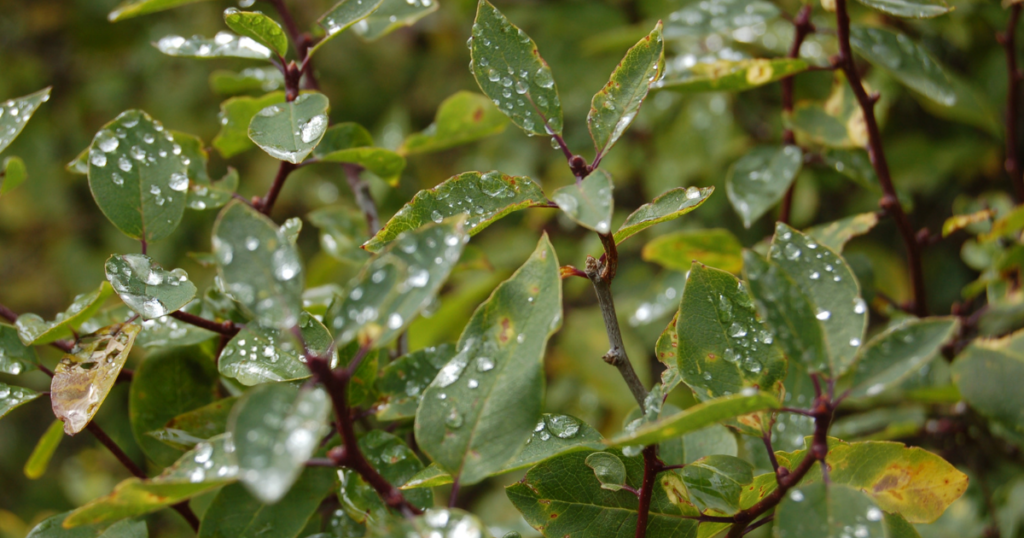
While Mountain Laurels don’t bloom until late May or early June, their glossy evergreen leaves provide year-round beauty. The Laurel Falls Trail, the most popular hike in the Smokies, offers views of this iconic shrub. This paved 2.6-mile roundtrip trail leads to an 80-foot waterfall. 

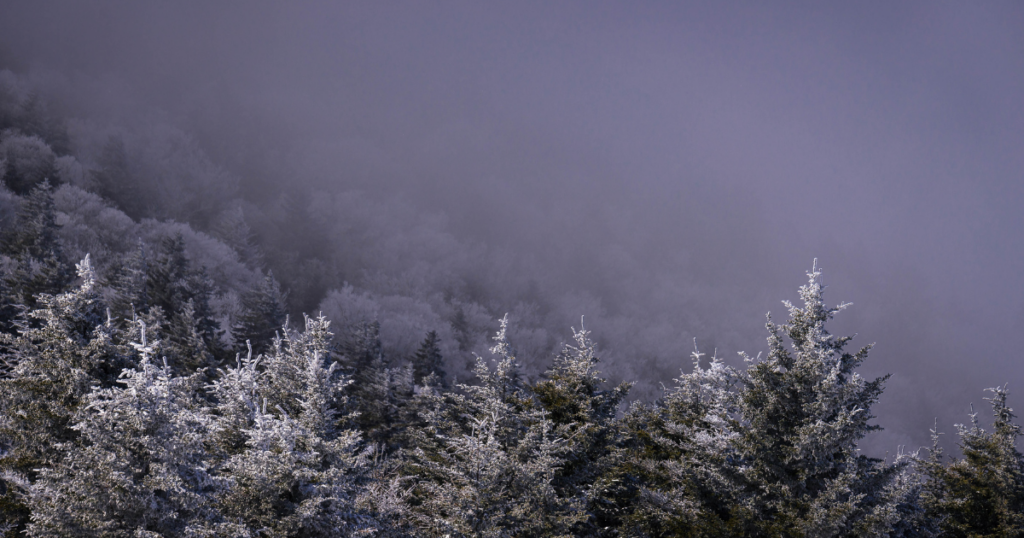
The Smokies also has an abundance of evergreen trees, including red spruce and Fraser firs. Spruce-fir forests are found exclusively at the park’s highest elevations. 

While red spruce are common across North America, Fraser firs are unique to southern Appalachia. Roughly 80% of the park’s Fraser firs were lost to a European parasite introduced in 1900, but a recent study shows their population has rebounded in recent decades, with numbers tripling on Kuwohi, Tennessee’s highest peak. You can appreciate these resilient trees on the Spruce-Fir Nature Trail, a short and scenic 0.35-mile loop. 

Fauna 

Winter in the Smokies is an excellent time for wildlife observation, as the lack of foliage provides clearer views. Cades Cove, with its open meadows and forests, is a prime spot for animal sightings. The 11-mile Cades Cove Loop Road offers easy access to the area, open from sunrise to sunset. 

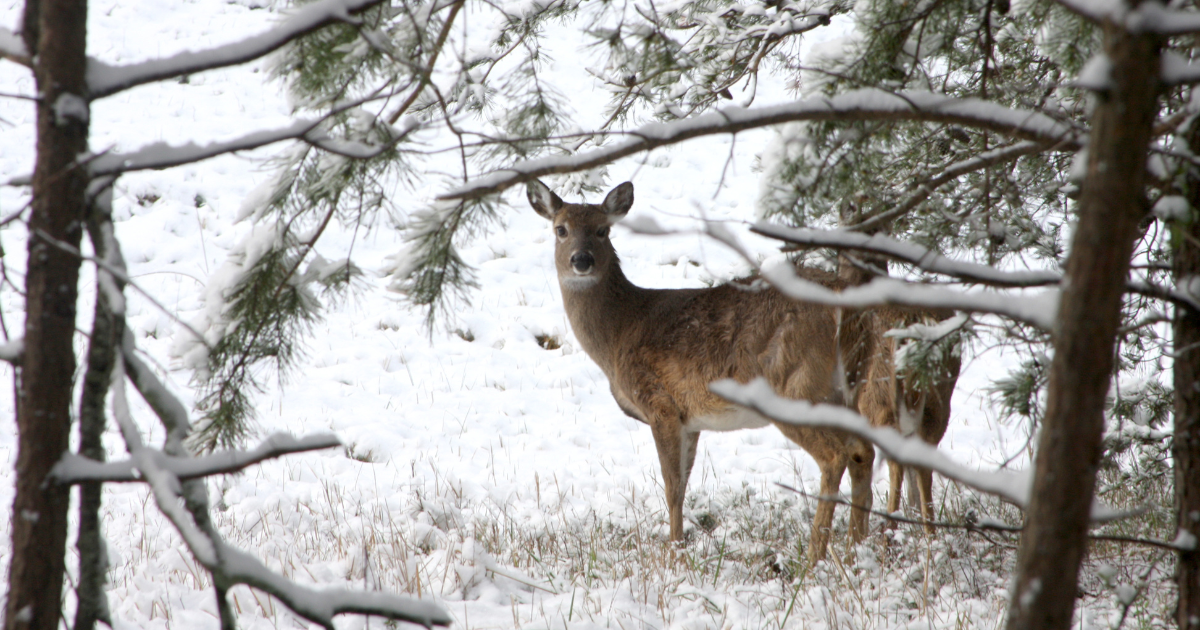
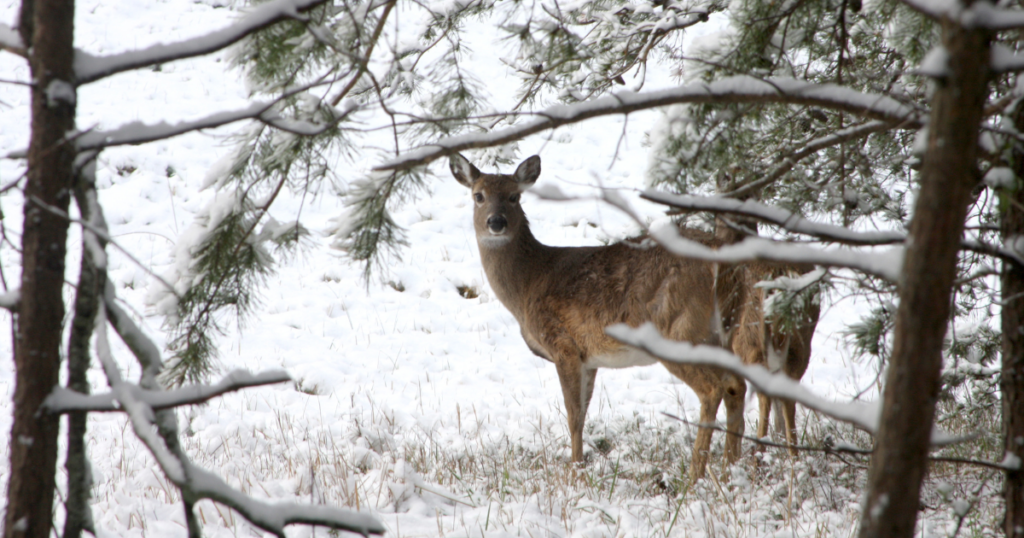
There, it’s quite common to see white-tailed deer prancing across the meadows. They may also venture deeper into the forest, as food is scarcer. 

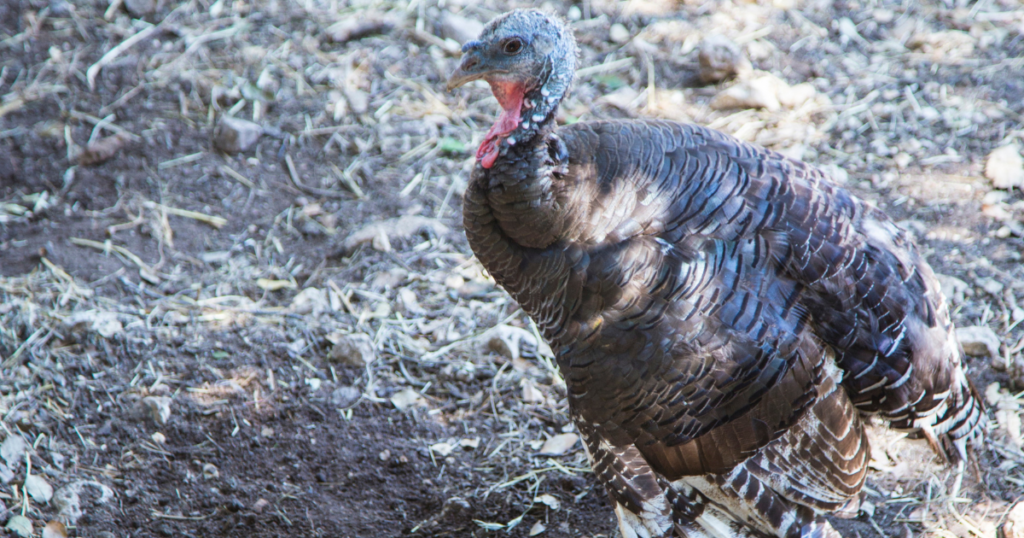
Wild turkeys, the biggest birds in Cades Cove, are also hard to miss, as their population is at a historic high. 

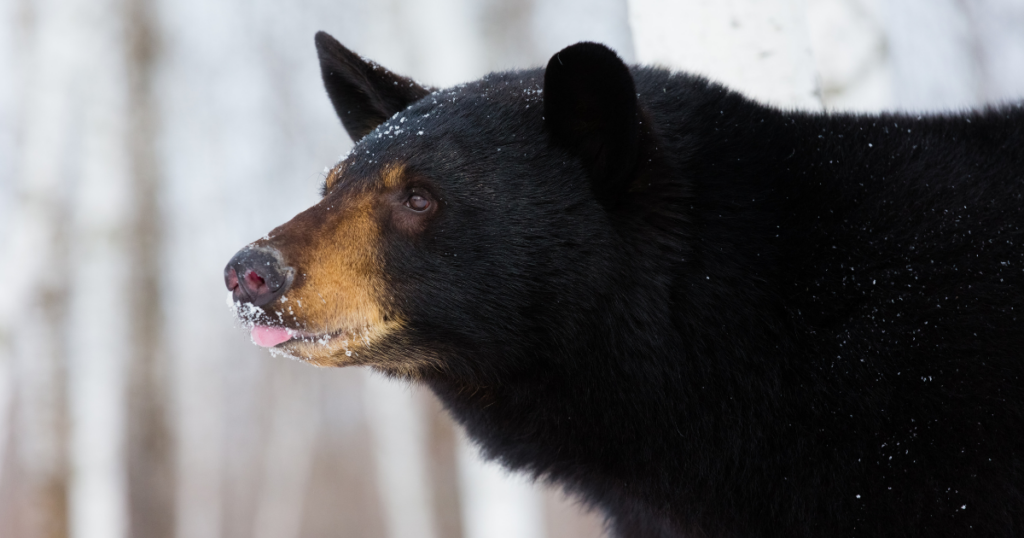
Although black bears spend most of the winter hibernating, warmer days might bring them out to search for food. 

If you visit the creek, you may see otters, even in colder months. The Cherokee name for Cades Cove, Tsiyahi, translates to “Otter Place.” Once nearly hunted to extinction in the 1920s, otters were reintroduced to the area in the 1980s and have made an impressive comeback. Abrams Falls, a 5-mile roundtrip hike near Cades Cove, is known for frequent otter sightings. 

Will you venture to the Smokies this winter? Share your favorite flora and fauna photos with us on social media (@peacefulsmokies). 

__________________________________________________________________________________________________________________________________

Born and raised in Maryville, Tennessee, with roots tracing back to Cades Cove, Emily Huffstetler is a proud Maryville College graduate and passionate storyteller of the Greater Smokies region.