
Townsend is the perfect place for a seniors’ day out. You can spend the whole day on fairly flat ground, park close to what you want to see and find plenty of places to sit. Tuesdays and Thursdays are the calmest days to visit, so try to plan for those if you can. Here is our recommended itinerary.
If you prefer a paper copy, you can print it here.
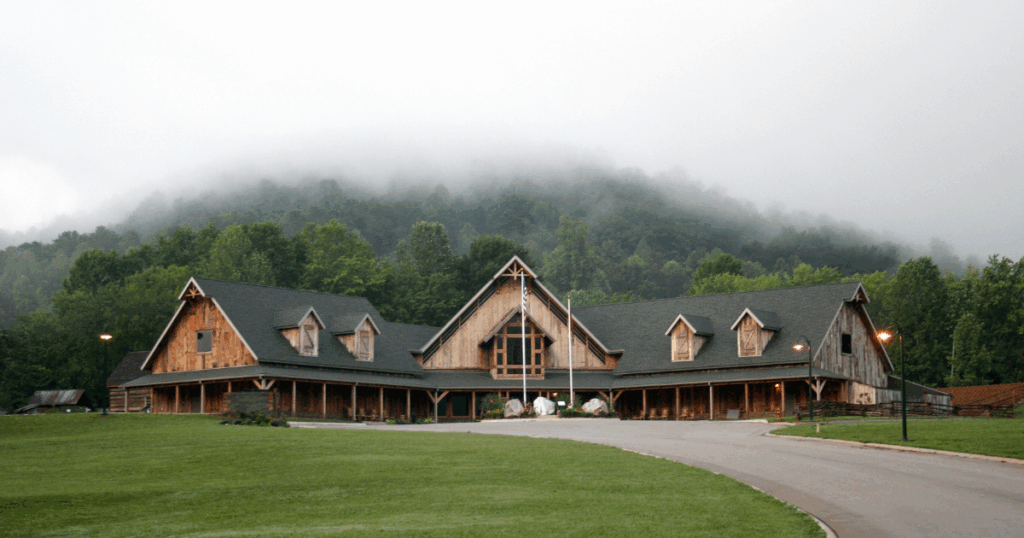
Early Morning: Great Smoky Mountains Heritage Center
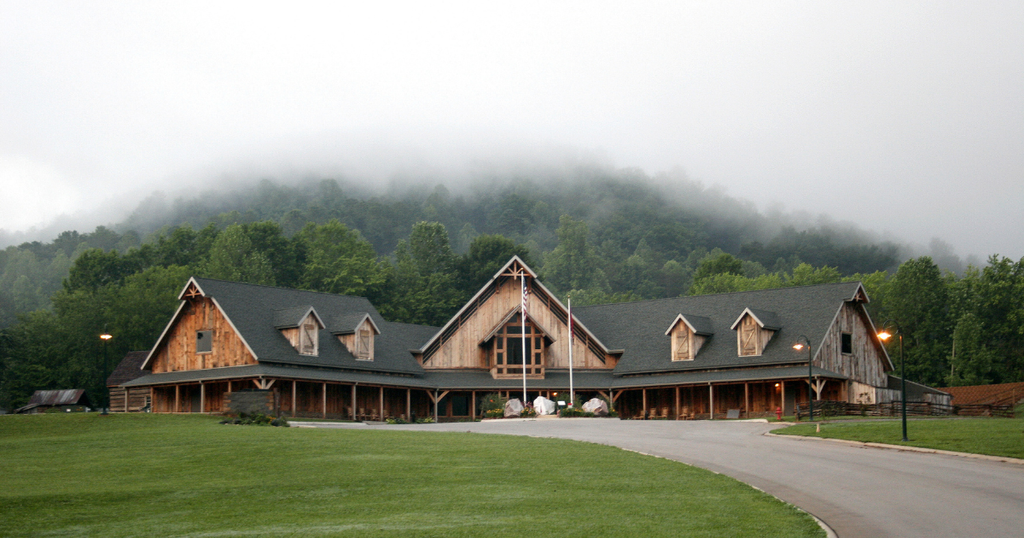
Photo courtesy of the Great Smoky Mountains Heritage Center.
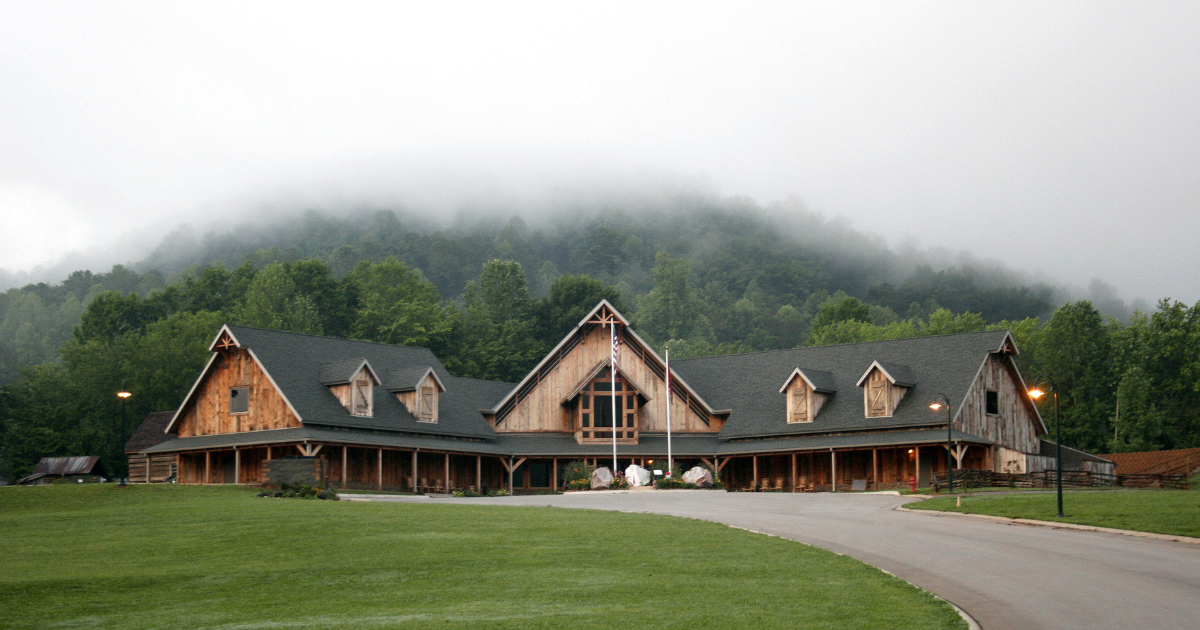
Start your morning at the Great Smoky Mountains Heritage Center. It’s right in Townsend and tells the story of this side of the mountains. Seniors 60 and older get in for 10 dollars.
The nice thing is that you can choose how active you want to be. If you want to stay inside, explore the museum galleries and the Cherokee collection. If you’re up for a little more walking, step outside to the 19th century buildings and farmstead. On some days, there are historic interpreters in period dress.
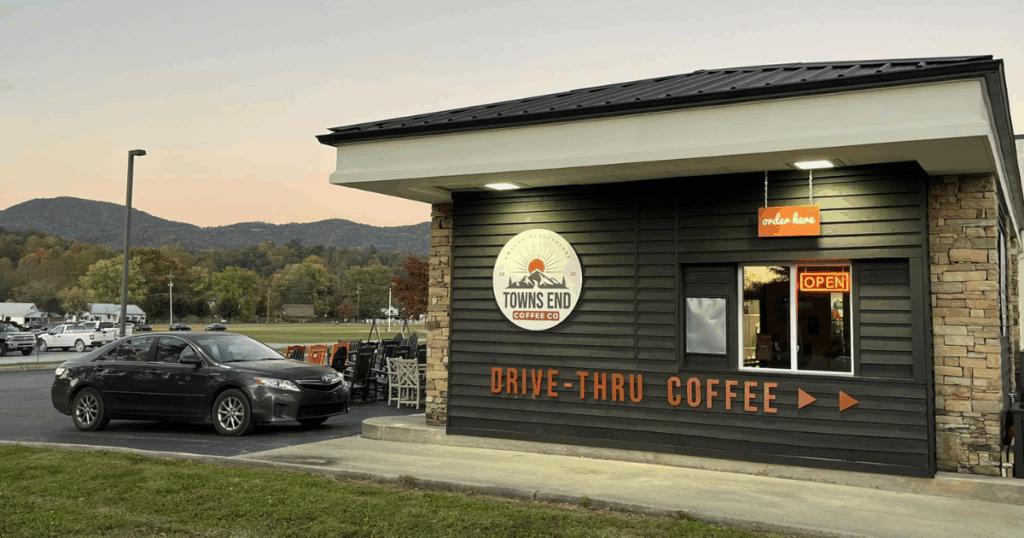
Bonus Stop: Towns End Coffee
Photo courtesy of Towns End Coffee.
If you need a quick boost before the next leg, Towns End Coffee is right down the road. They do classic espresso drinks, plus fun local flavors like the Little Brier Latte (blackberry and white chocolate) and the Lumber Ridge Latte (vanilla, maple, butter, cinnamon). Light brunch options include breakfast burritos, breakfast sandwiches, avocado toast and bagels.
If you’ve been to Towns End Coffee before, please note that they recently moved to a drive-thru location at 7971 E Lamar Alexander Pkwy, Townsend, TN 37882.
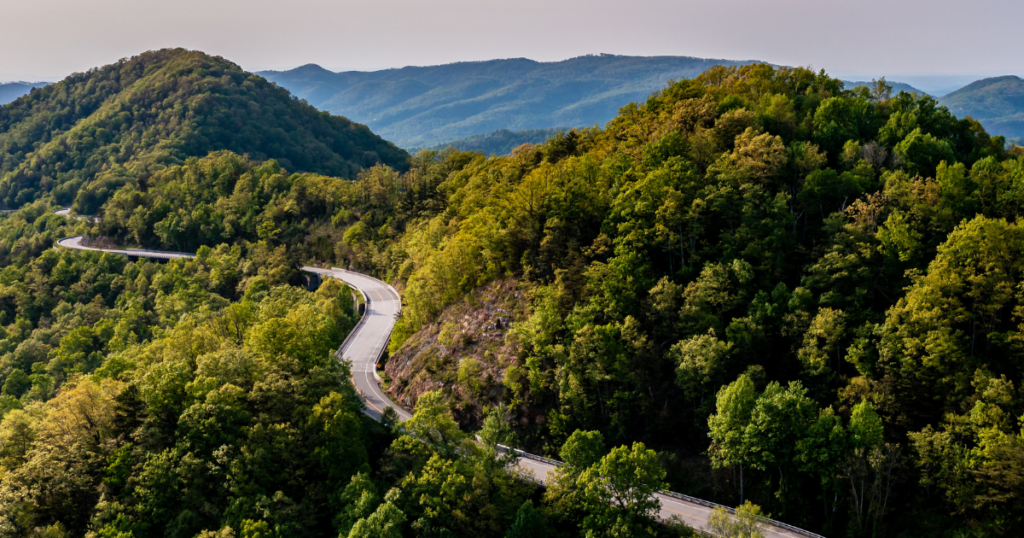
Midmorning: Scenic Drive on Foothills Parkway
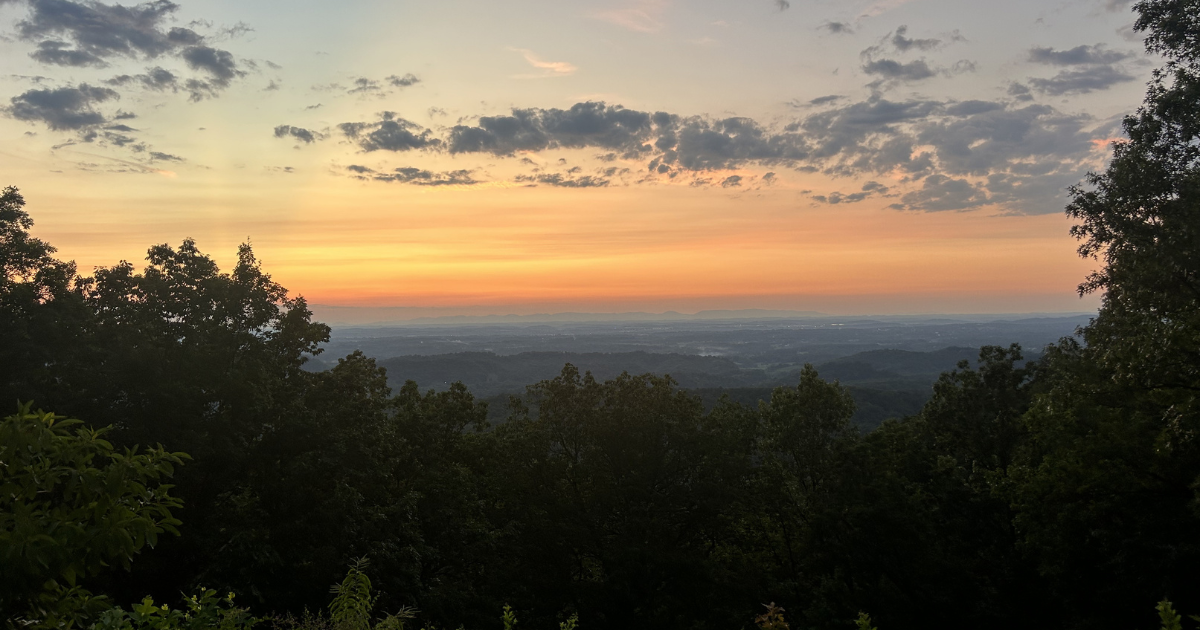
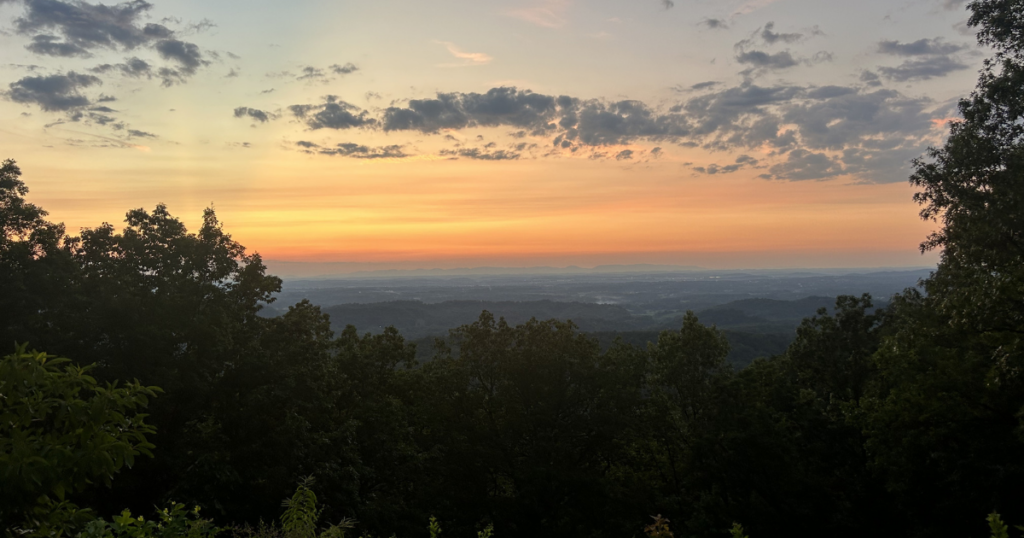
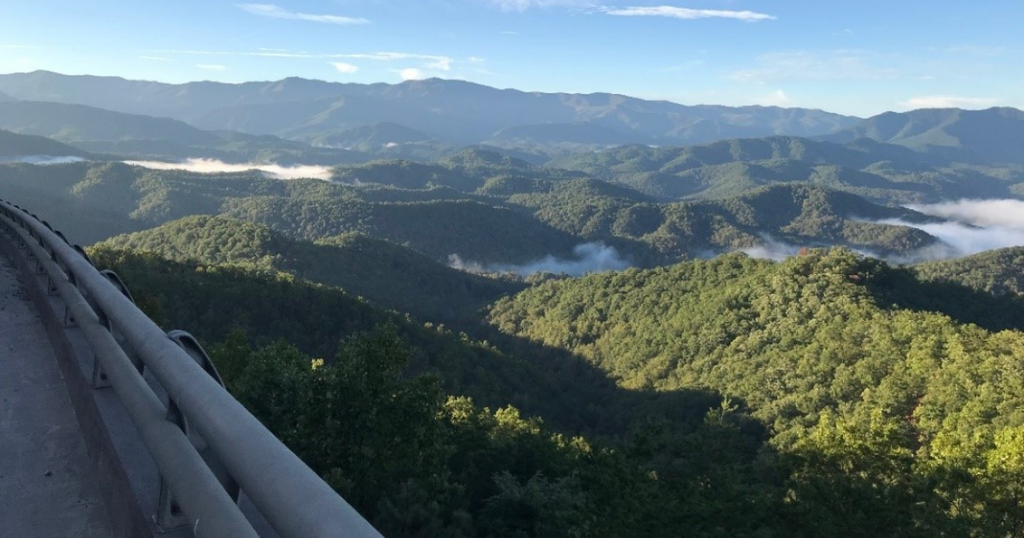
Head up to the Foothills Parkway from the Townsend side and enjoy panoramic mountain scenery. Overlooks are close to the car. You can even bring a folding chair and sit for a spell.
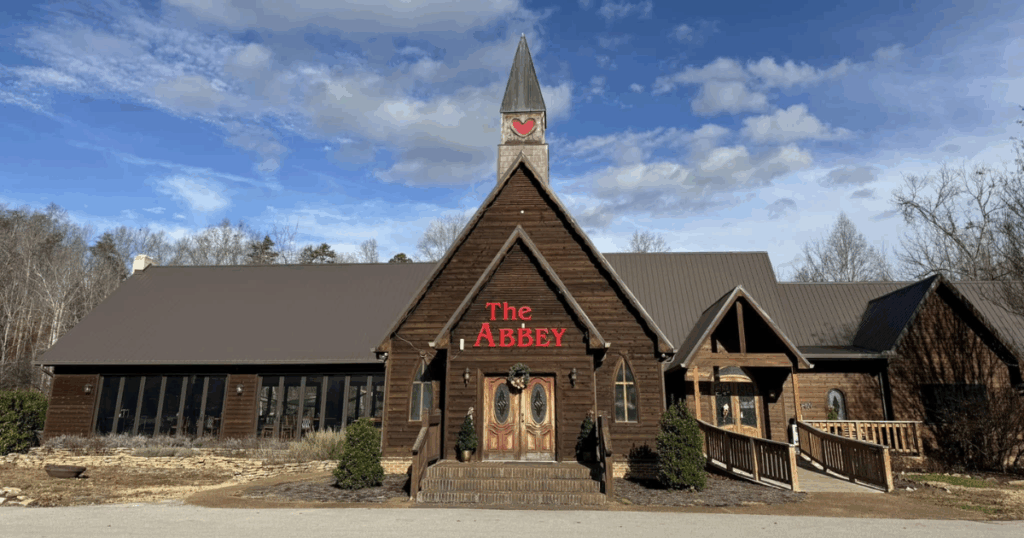
Lunch At the Townsend Abbey
Photo courtesy of The Townsend Abbey.
The Townsend Abbey is a fun surprise. You can eat inside the old chapel space or sit by the river. The menu is easy: salads if you want something light, Miss Lily’s chicken salad sandwich if you like a little sweetness, or flatbreads and steamed sandwiches if you’re hungrier.
For more lunch options, visit our Townsend restaurant directory here.
Early Afternoon: Townsend River Walk and Arboretum
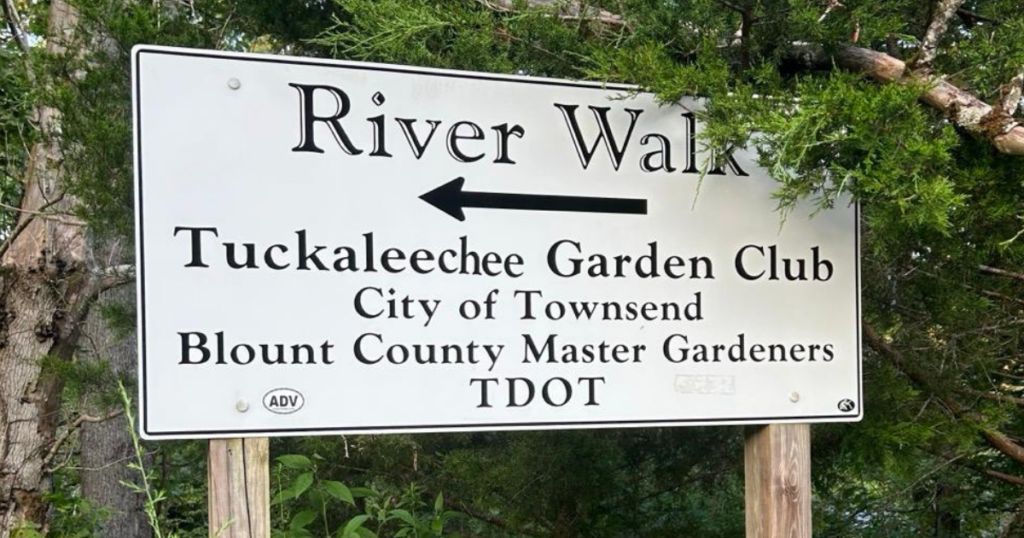
Walk the Townsend River Walk and Arboretum after lunch. It’s shaded and gentle. You’ll come across several points of interest, including fairy villages, a pollinator garden and artwork made by locals.
Bonus Stop: Townsend Artisan Gallery
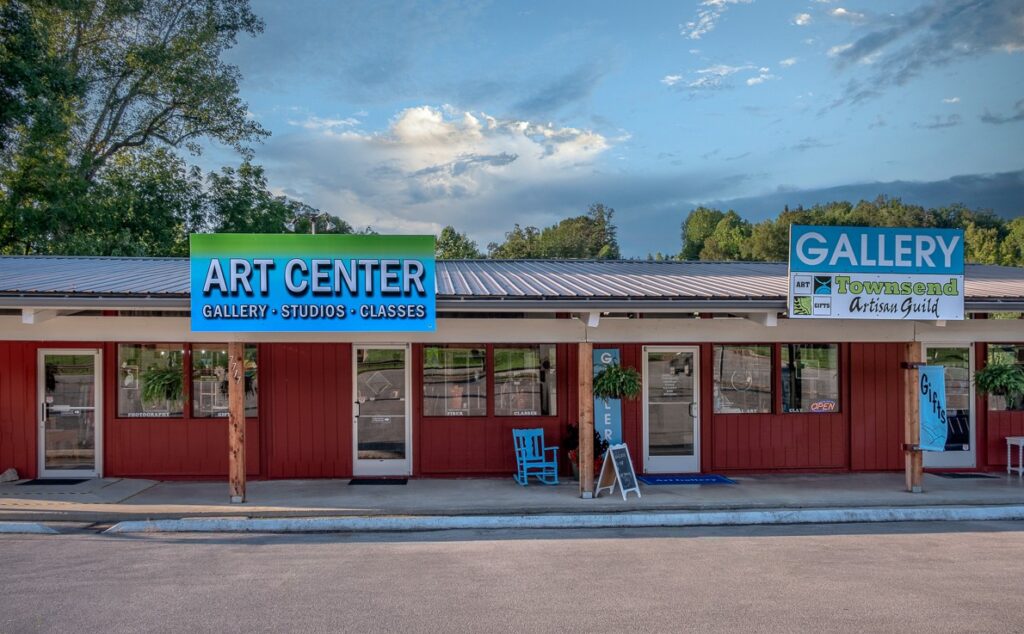
Photo courtesy of the Townsend Artisan Guild.
If you like local art, stop by the Townsend Artisan Gallery afterward. It’s indoors and usually pretty calm. You can see what local artists are making and maybe pick up a piece to remember your day. They’re closed on Tuesdays and Sunday mornings, so be sure to plan your visit accordingly.
Late Afternoon: Cades Cove
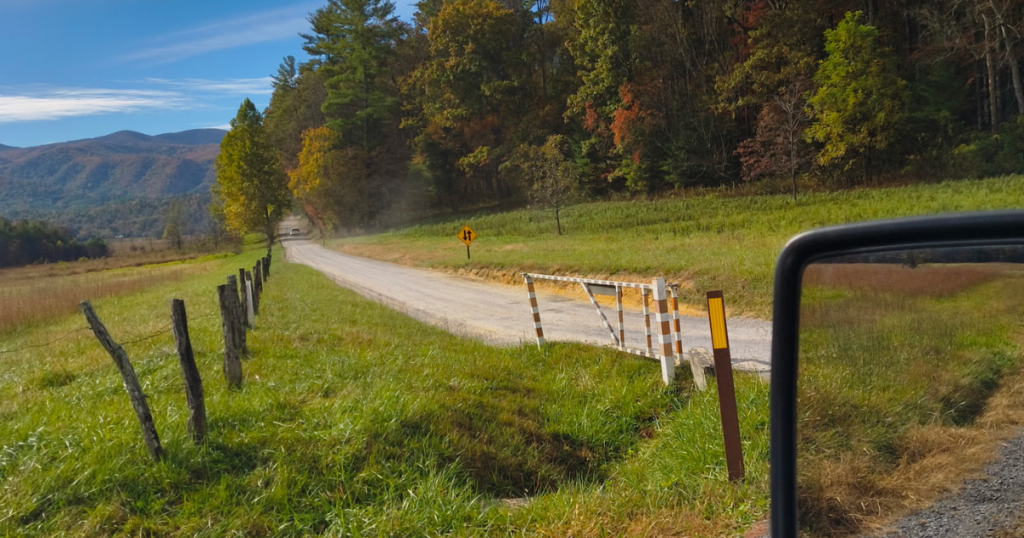
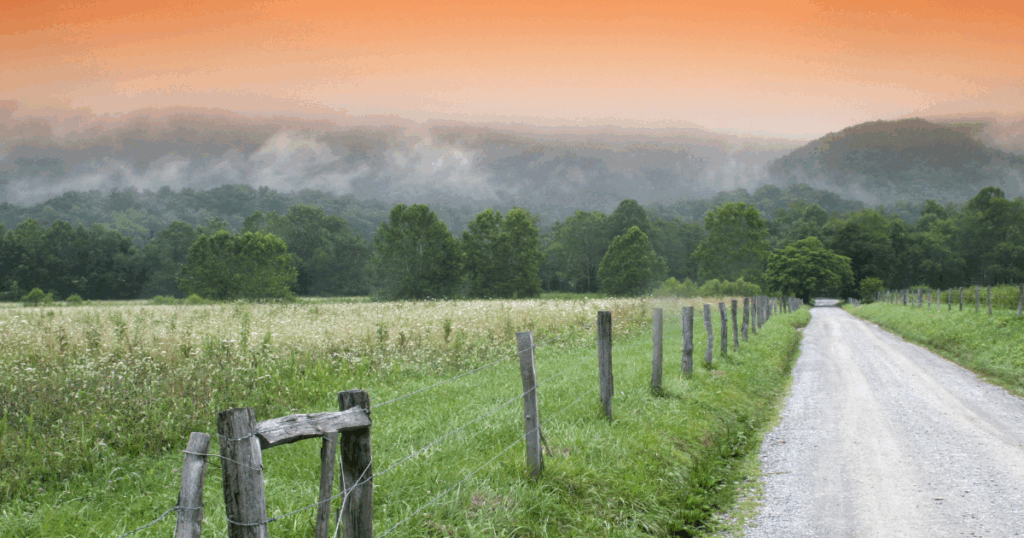
Finish your day with a drive through Cades Cove. Coming from Townsend makes it simple. The loop road lets you see open fields, mountain backdrops and historic cabins mostly from your car. Afternoon traffic can be slow, which is nice for sightseeing. If you prefer a quieter Cove, go in the morning and move the museum to the afternoon.
Born and raised in Maryville, Tennessee, with roots tracing back to Cades Cove, Emily Huffstetler is a proud Maryville College graduate and passionate storyteller of the Greater Smokies region.
The Peaceful Side of the Smokies is home to three of Tennessee’s top public school systems and two distinguished private institutions, but excellence here extends far beyond the classroom. This fall, choose from a variety of fun, active and educational afterschool programs for your child or teen.
Located at the Crawford House on the Maryville College campus, Mountain Challenge offers family-friendly outdoor programming throughout the school year.
At Camp 4, held every Wednesday afternoon, your family can climb the 60-ft Alpine Tower, stretch out on the Yoga Deck or go for a guided walk in the woods—all for just $10 per person. No prior registration is required; simply fill out a waiver when you arrive.
The program kicks off for the school year on Sept. 3, weather permitting. Keep an eye on their social media for schedule updates.
Blount County Parks & Rec provides a wide range of recreational programs for kids and teens, from sports to the arts. Here’s a preview of this semester’s offerings:
Sports:
Gymnastics, Movement, Music & More (Ages 3–5)
Tumbling Gymnastics (Ages 5–10)
Advanced Tumbling/Back Handsprings (Ages 6–12)
Basic Fly Rod Casting (Ages 12 & Up)
Karate (Ages 7–12) and (Ages 12+)
Tennis Instruction (Ages 6–17)
Youth T-Ball, Baseball, & Softball (Ages 4–13 depending on the league)
Gymnastics Counts offers dynamic classes that combine fitness, fun and focus. Led by certified instructors, these programs are designed to build strength, coordination and confidence in a supportive environment.
Tumbling Class (Ages 5–13) Perfect for cheerleaders or beginners, this class focuses on technique, strength training and safe skill progression in floor gymnastics.
Ninja Class (Ages 6–12) Combining obstacle training, martial arts and gymnastics, this fast-paced class challenges kids to master jumps, flips and agility courses while building discipline and focus.
Gymnastics Classes (Ages 6–12) These recreational classes are offered at multiple levels and emphasize core gymnastics skills, flexibility and confidence through fun, structured routines.
The Boys & Girls Club offers a variety of afterschool programs designed to help kids and teens excel in school, become good citizens and lead healthy, productive lives. Free transportation to the Blount County chapter is available from most area schools. Learn more and register on their website.
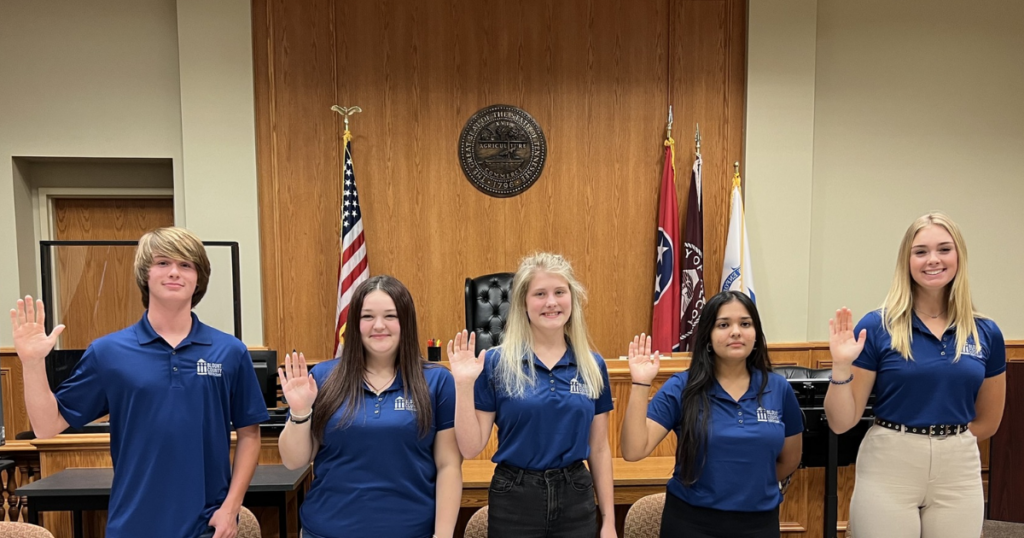
The Blount County Youth Court offers teens the unique opportunity to decide the sentence of teens who committed a first-time, non-violent offense. In this volunteer program, youth jurors learn about the judicial system and make a difference in their community, helping reduce the teen recidivism rate in Blount County. Students can apply to be jurors on their website. The organization awards a scholarship to one graduating senior each year.
Reminder: Most schools on the Peaceful Side have afterschool programs of their own. You can explore these offerings on the school’s website.
Born and raised in Maryville, Tennessee, with roots tracing back to Cades Cove, Emily Huffstetler is a proud Maryville College graduate and passionate storyteller of the Greater Smokies region.
The Peaceful Side of the Smokies is home to a vibrant, growing art scene. From galleries to makers markets and hands-on studios, here are some of the best places to experience local creativity.
Janke works primarily in alcohol ink, a vibrant medium known for its movement and color, and creates one-of-a-kind Southern Long Leaf pine needle baskets.
This August and September, she will teach several hands-on classes in alcohol ink painting and basketry. Students are encouraged to email to reserve a spot, and space is limited.
Local artisans gather at the Townsend Artisan Guild to celebrate craft and connect with the community. From Shibori fabric dyeing to bird-themed acrylic painting workshops, their classes make space for creativity at any experience level.
Coming up:
Shibori Fabric Dyeing, Aug. 2 from 10 a.m. to noon
Bluebird Acrylic Painting Class with Carol Robin King, Aug. 9 from 9:30 a.m. to 12 p.m.
Demonstration Day, Aug. 9 from 10 a.m. to 4 p.m.
Classes are held at the Townsend Art Center on Lamar Alexander Parkway. If you’ve never tried your hand at fiber or paint, these short, welcoming workshops are a great place to begin.
Studio 212 Arts in Maryville offers clay and painting classes for both adults and kids. Whether you’re a beginner or an experienced artist looking to refine your technique, there’s something for you.
Coming up:
Yard Totem, Starting Aug. 3 from 2 to 4 p.m. (4 sessions)
Adult Pottery Wheel, offered Wednesdays, Thursdays and Fridays
Winter Village, offered Sundays
Try a Pot, offered Saturdays
Their seasonal and one-time classes are especially popular around the holidays, and spots tend to go fast. Keep an eye on their calendar and consider signing up for a private session if you’re looking for something more personal.
Creative Spark Studio, also in Maryville, offers a broad mix of mediums. Drop in for a class or pick up a take-home kit with options like pottery painting, alcohol ink, acrylic pour or holiday décor.
Their rotating workshops include everything from bookmaking and silk painting to wire-wrapped jewelry, soap making and macrame. If you’re looking for something fun and messy, the Splatter Vault lets you fling paint at a canvas and leave with a one-of-a-kind masterpiece.
The studio also hosts private parties, corporate events and Scout badge workshops.
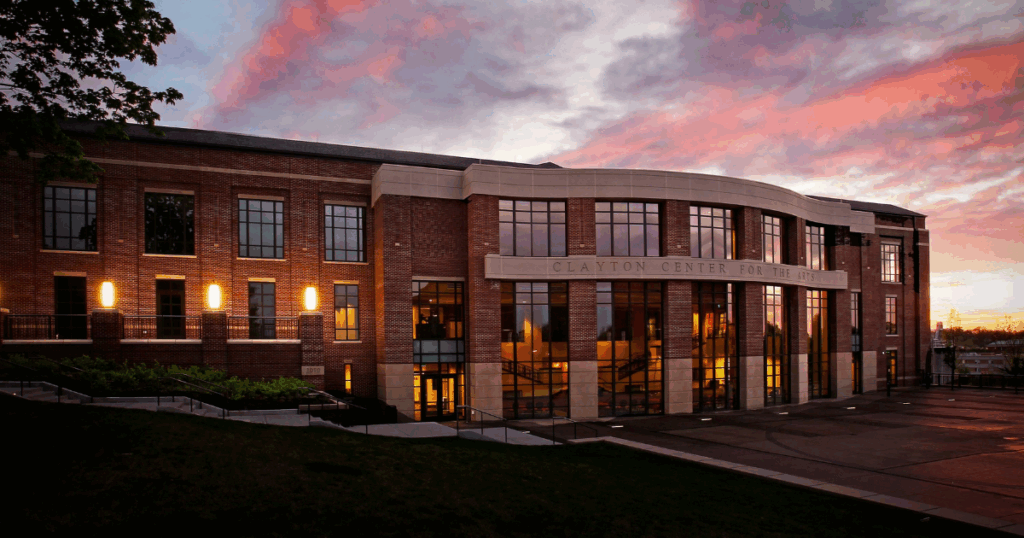
Now through Aug. 21, the DENSO Gallery inside Maryville College’s Clayton Center for the Arts is home to a group show from A1LabArts, a Knoxville-based collective that’s all about creativity, collaboration and community.
This nonprofit’s work ranges from traditional exhibits to hard-to-categorize creative experiences. The show is open Monday through Friday, 8 a.m. to 5 p.m, and the closing reception on Aug. 21 is free and open to the public.
On Aug. 2, the East Tennessee Makers Market returns to McArthur Pavilion on the Maryville College campus from 5 to 9 p.m. With over 90 local makers, live music and hot beignets, the East Tennessee Makers Market is a full-sensory celebration of local talent.
You’ll find woodworkers, jewelers, painters, ceramicists, soap-makers, textile artists and plenty of one-of-a-kind gifts you won’t see anywhere else. It’s the perfect opportunity to get a head start on your Christmas shopping.
If you can’t make it, craft vendors also join the Maryville Farmers Market once a month. Upcoming dates include Aug. 16, Sept. 20, Oct. 18 and two holiday markets, set for Nov. 8 and 15.
If you’ve ever wanted to step inside a painting, now’s your chance. The Van Gogh Immersive Experience is at Foothills Mall in Maryville through Sept. 28.
The exhibit surrounds you with 360-degree visuals of Van Gogh’s most iconic works. A VR experience titled “A Day in the Life of the Artist in Arles, France” lets visitors explore eight paintings from the artist’s perspective. And you can even create your own digital art to project onto the walls.
Born and raised in Maryville, Tennessee, with roots tracing back to Cades Cove, Emily Huffstetler is a proud Maryville College graduate and passionate storyteller of the Greater Smokies region.
On the Peaceful Side, the start of the school year doesn’t have to mean the end of summer fun. Your family won’t want to miss out on these exciting weekend adventures planned for August and September.
Great Smoky Mountains Hot Air Balloon Festival
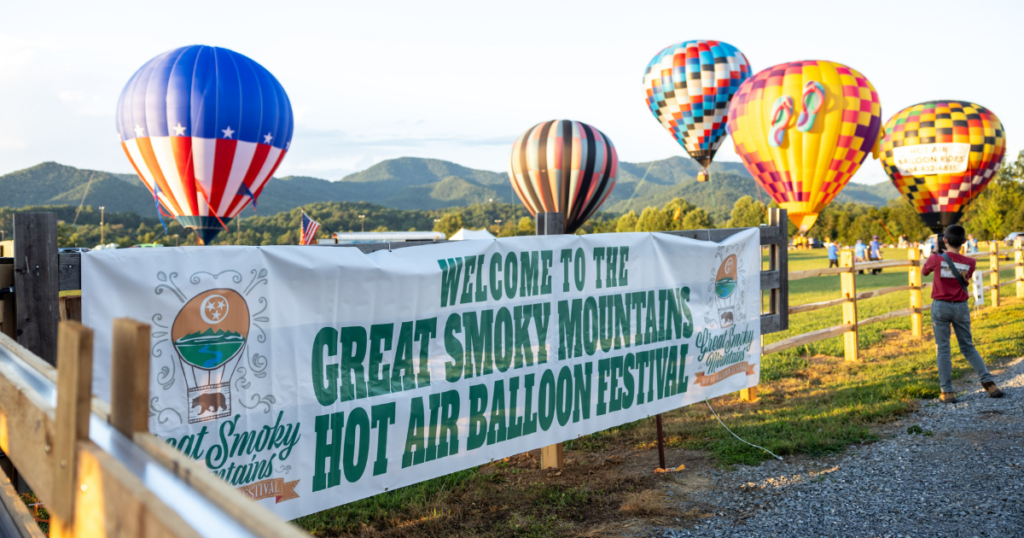
Celebrate the start of the school year with the sixth-annual Great Smoky Mountains Hot Air Balloon Festival on Saturday, Aug. 17 from 3 to 9 p.m. at the Townsend Visitor Center. Enjoy a stunning display of colorful hot air balloons set against the backdrop of the Great Smoky Mountains.
For just $25 per person, your family (ages five and up) can experience a private tethered balloon ride. On the ground, explore a variety of craft and food vendors, and participate in fun activities for all ages. Stick around until dark to catch a spectacular laser show.
Some of the proceeds from the event will benefit the Townsend Volunteer Fire Department and the Townsend Elementary School.
Miles for Maryville
In honor of National Wellness Month, kick off the school year with some fit fun at the Miles for Maryville Race on Saturday, Aug. 24. Choose from a 10K, 5K or one-mile fun run/walk.
If long-distance running isn’t your thing, the one-mile fun run/walk offers a great chance to create memories with your family. Tickets for the fun run are $25 per person. Register by noon on Aug. 14 to receive a commemorative t-shirt.
Proceeds will benefit the Maryville City Schools Foundation, which supports educational programs for students in Maryville City Schools.
Music at Montvale
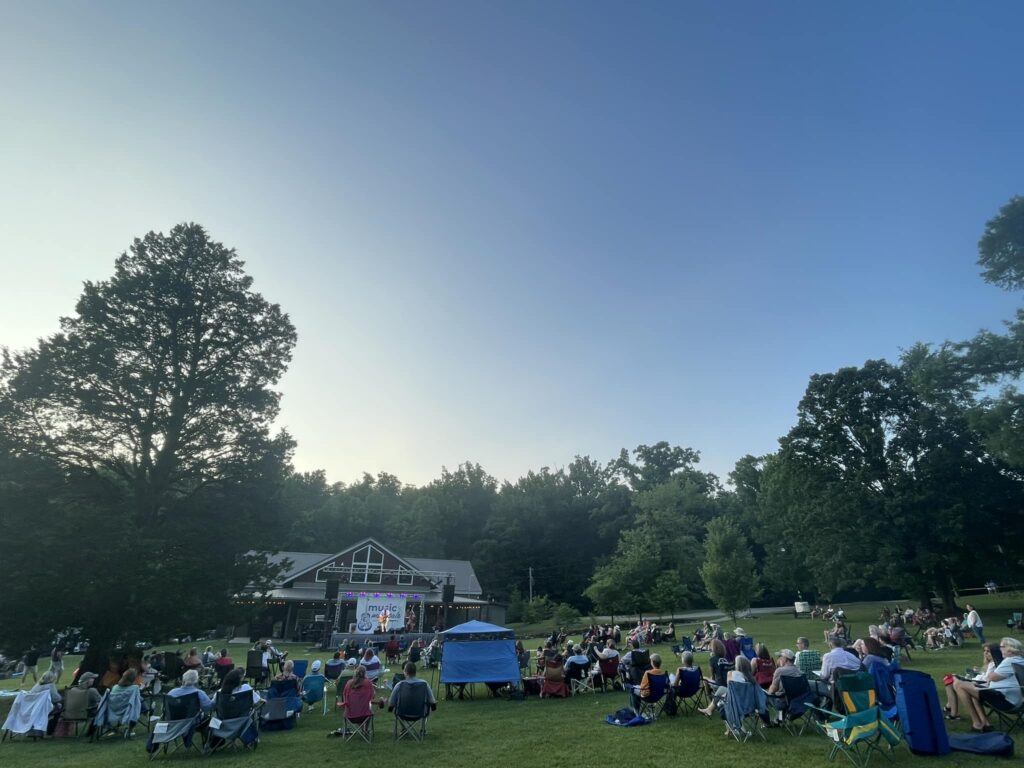
On the evening of Aug. 24, experience Music at Montvale from 5-10 p.m. at the historic Montvale Springs in Maryville. The night will open with a performance by David Childers, a North Carolina singer-songwriter and banjo player, followed by Scott Miller, a rock singer-songwriter recently inducted into the East Tennessee Writers Hall of Fame.
Relax under the stars while enjoying Miller’s Appalachia-inspired performance and savoring food from local vendors. Tickets are available online for $30 per person, with free entry for kids 12 and under.
Get your kids moving at the “Gotta Tri” Kids Triathlon hosted by Parks & Rec on Sept. 8 from 2-4 p.m. “Tiny Tots” (ages three to six) and “True Troopers” (ages seven to nine) will run, bike and splash (not swim) their way to the finish line.
Register by the Friday before the event for $17 or $20 the day of the event. Pre-registered participants are guaranteed a t-shirt and medal, while same-day registrants will receive these items while supplies last.
Railroad Days Heritage Festival
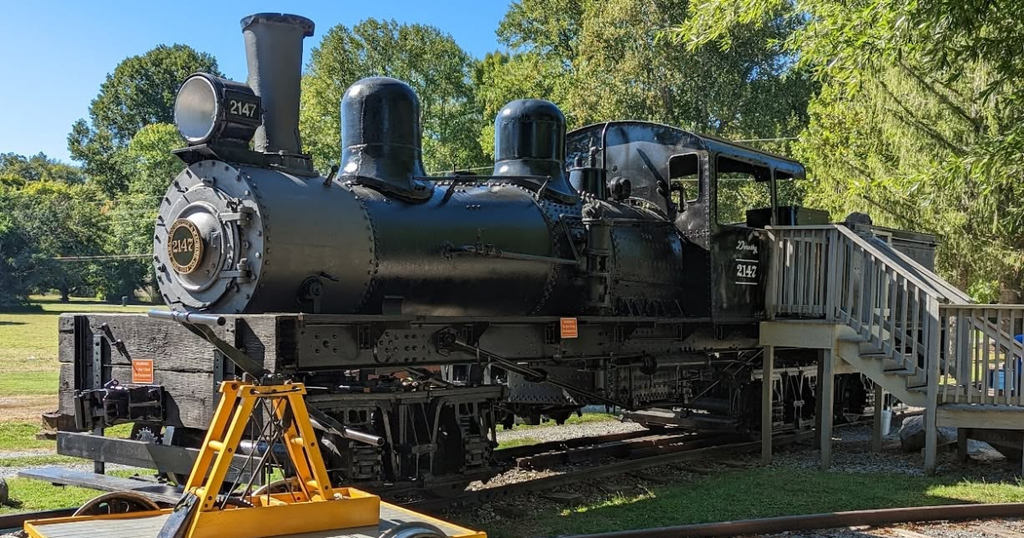
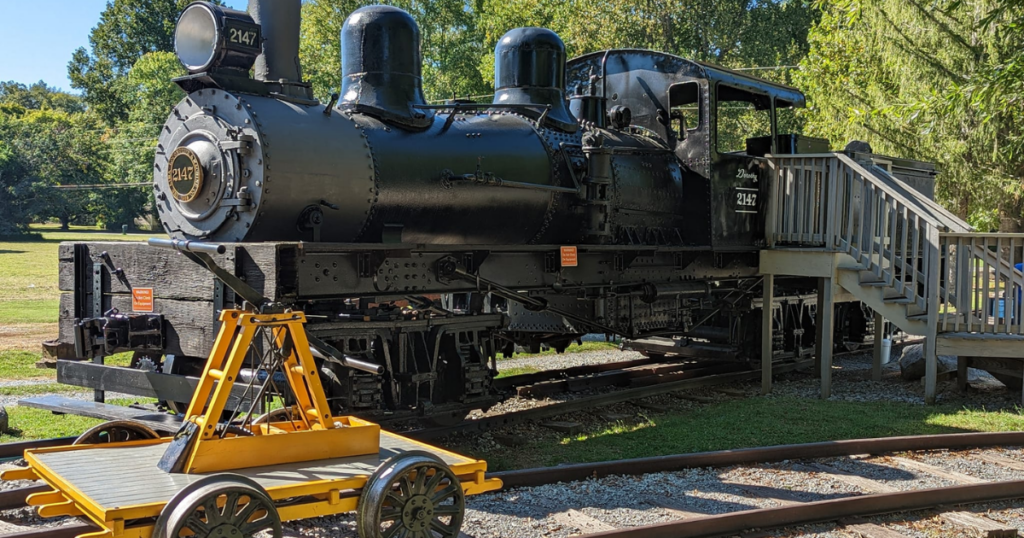
Celebrate local history at the Railroad Days Heritage Festival in Townsend on Sept. 28 and 29, from 10 a.m. to 5 p.m. Ride the hand pump car, check out the reproduction Elkmont Observation Car and delve into the history of Tuckaleechee cove through special exhibits and artifacts.
There will be local food vendors and craftsmen, as well as live music. Your kids will love operating the garden railroad and sampling “Steam Cream” homemade ice cream.
The event is free to attend, but donations are encouraged to support the Little River Railroad and Lumber Company nonprofit museum.
Will your family be attending any of these events? We’d love to hear about it. Be sure to tag us on social media (@peacefulsmokies).
Born and raised in Maryville, Tennessee, with roots tracing back to Cades Cove, Emily Huffstetler is a proud Maryville College graduate and passionate storyteller of the Greater Smokies region.
The Smoky Mountain Bigfoot Festival returns to Townsend on Saturday, May 3 for its fifth year—bringing legendary creatures, live music, food trucks and a full day of cryptid-themed fun. This family-friendly, pet-friendly event is just as much for true believers as it is for anyone looking for a unique outing on the Peaceful Side of the Smokies.
This year’s theme is a “Legendary Family Reunion,” and Bigfoot isn’t coming alone. Expect nods to Yeti, Mothman, Dogman and more—as well as guest speakers, including Adam Davies, a British researcher who’s explored jungles, deserts and the Smokies in search of the unknown.
Davies recently joined the team at Bigfoot in the Smokies, a gift shop in Townsend. We caught up with him ahead of the festival to talk sightings, skepticism and what keeps him curious.
What first drew you to the field of cryptozoology and exploration?
When I was very young, I had a sister that died of neuroblastoma. It was very painful, and it taught me not to take life for granted—even at that young age.
Later, I was hit by a police officer’s son who was illegally riding a motorbike on the sidewalk. My leg was shattered in several places, and the doctors told my parents I’d probably never walk again. But that wouldn’t happen. I committed to rehab, did a lot of swimming, and a year later, I became a swimming champion. That experience showed me I had real determination.
I’d always been fascinated by unknown species and tracking animals. I read constantly and eventually found my way into forests and wilderness areas. That’s how it all started.
Can you share how your interest in Bigfoot developed over the years?
My interest in Bigfoot specifically gelled in 2008 when I was making a film with Dr. Jeff Meldrum in China about the Yeren, the Chinese Wildman. He and I talked about the Pattlin-Gimlin film [about Bigfoot], and he told me why he thought it was credible. I decided to turn my interest to Bigfoot in that stage and come to North America.
You’ve explored some of the most remote regions on the planet. How do the Smoky Mountains compare in terms of terrain and mystery?
I love the terrain. I’m not just saying it because I live here—the forest life is wonderful. It’s a vibrant ecosystem. I’ve been out in the jungle in the Congo and Sumatra, […] but I prefer the forests here. They’re my favorite in all of the world.
Have you investigated any firsthand accounts of Bigfoot sightings in the Smoky Mountains?
Yeah, I have, and I recently was interviewing a witness who’d seen something at White Oak Sinks. She was talking about how it moved like liquid, which is fascinating because that correlates with my experiences of people talking about it in Nepal.
What tools or techniques do you rely on when searching for cryptids like Bigfoot?
I plan carefully. Before any expedition, I assess the viability of the area, research the historical pedigree and contact local guides. Of course, sometimes you have to adapt quickly—especially in dangerous situations, like I’ve had to do in Congo. But overall, I like to be as prepared as possible.
Have you had any dangerous encounters in the Smokies?
No, not really. You’ve always got to be careful with bears, of course. And I’ve been exhausted a few times. But most of the hikes around here are wonderful and exciting—and so beautiful.
How do you handle skepticism? Do you mind that some just see it as something fun?
No, I don’t mind that at all. I’m not here evangelize people. I’m not here on behalf of the “Bigfoot Party.”
I’ve had an encounter with Bigfoot—on the land between the lakes on the border of Tennessee and Kentucky. So, I know it’s around. I’m interested in questions like how intelligent it might be and things like that. But you know, if people [see it as a curiosity], that doesn’t trouble me. It’s up to them.
What was the Bigfoot encounter you describe like?
It was extremely intense. We were setting up for a night shoot when it happened. Several creatures appeared. One was behind a tree, throwing sticks and stones. Another one, about nine feet tall with red eyes, was roaring. It was astonishing.
The cameraman, bless him, freaked out and tried to run. The producer had to grab him. What struck me most was how the creatures used strategic thinking. One seemed to be drawing us in while others flanked us. It was a remarkable experience.
When you have experiences like that, is it always something incomparable to the last?
The first thing I want to say is that it’s very rare. I’ve been doing things like this for many years, and instances like that hardly ever happen. […] Each cryptid experience is very, very different. If I can gather scientific evidence which can be objectively analyzed by scientists, then I do that as well.
What type of scientific evidence do you gather?
It depends. The best sort of evidence can be analyzed and corroborated. DNA evidence would be really good, but that’s something I’m working towards.
Nowadays, with Photoshop and all these things, it’s difficult. Photos wouldn’t be enough on their own to convince people of the existence of Bigfoot. However, if it were analyzed and found out not to be fake, it would be very interesting for potentially learning about the anatomy of the creature.
With witnesses, I am used to cross-examining people because I used to work for British government. I approach it quite carefully because people can be completely genuine but mistaken. Particularly in the Smokies, if you accept that someone is telling the truth, you still have to consider that it could be a bear.
You recently started a YouTube channel sharing local stories. What role does storytelling play in your work, and in keeping interest in Bigfoot and other cryptids alive?
I love the subject, and I love talking to people about it. I really got into it because I wanted to answer questions for myself.
What’s next for your research? Any upcoming expeditions related to the Smokies or elsewhere?
When I’m not working, I’m pretty much normally out in the Smokies, searching and enjoying the mountains. Sometimes, I’m just hiking, but I’m researching every week.
The views expressed in this interview are those of Adam Davies and do not necessarily reflect the beliefs or positions of SmokyMountains.org. Those interested in learning more about Davies and his work can visit www.adamdaviesexplorer.com. He is open to answering questions.
Born and raised in Maryville, Tennessee, with roots tracing back to Cades Cove, Emily Huffstetler is a proud Maryville College graduate and passionate storyteller of the Greater Smokies region.
Three routes on the Peaceful Side of the Smokies are now part of BikeTN, a statewide program from the Tennessee Department of Tourist Development that highlights road and gravel rides across Tennessee. The local additions include a shorter paved ride in Townsend, a gravel climb into Cades Cove and a longer Foothills Parkway challenge.
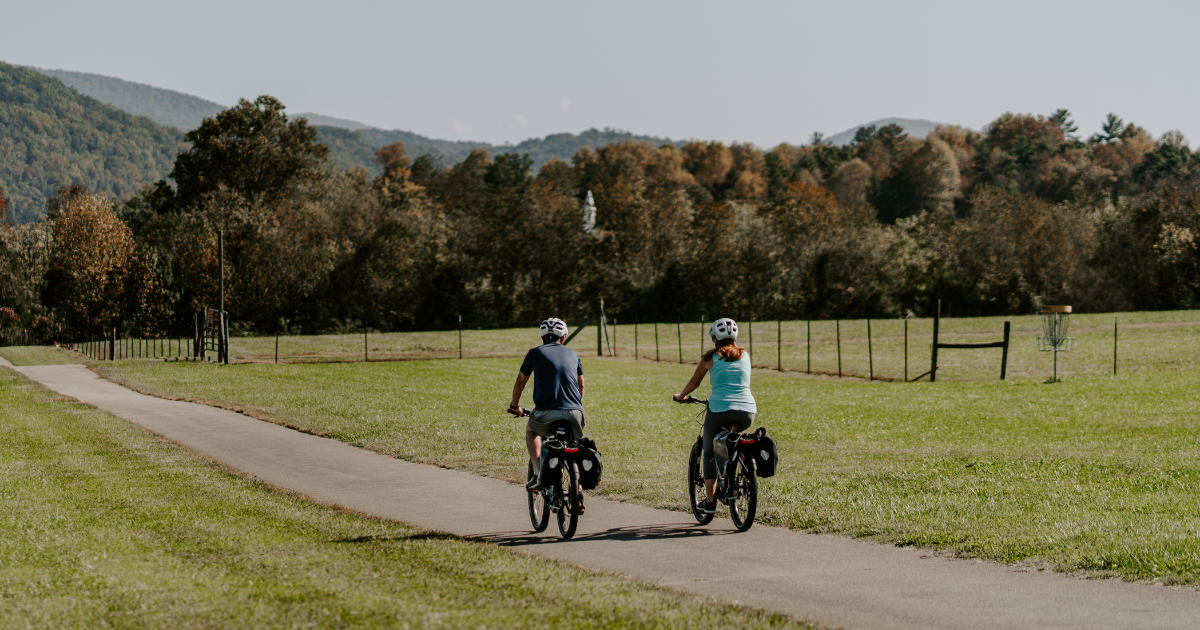
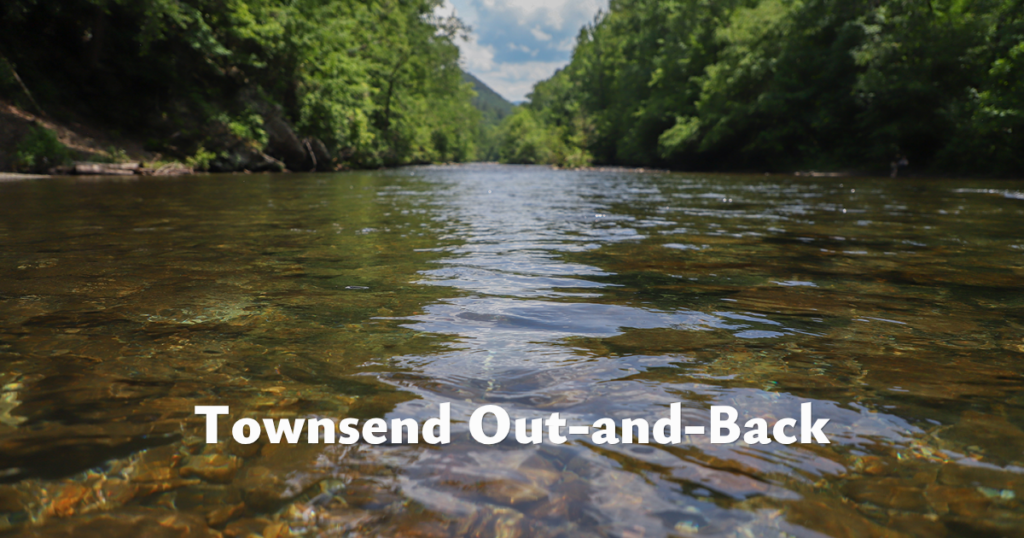
At 19 comfortable miles, the Townsend Out-and-Back is the easiest of the three. While riders can start in several places, the route guide points to Apple Valley Mountain Village & Cafe in Townsend, with easy access to parking, restrooms and food.
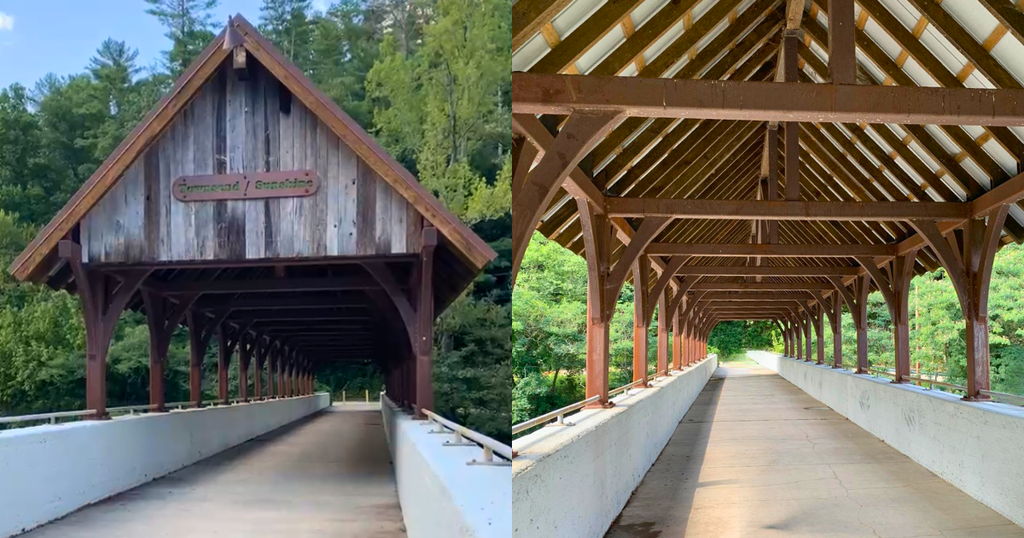
From there, the route heads west on the bike path, drops through the tunnel beneath Highway 321 and continues toward the Townsend Sunshine Covered Bridge. After crossing the bridge, riders turn onto Old Walland Highway, a former main road that now carries mostly local traffic.
The first several miles follow the Little River. The road rolls but trends downhill early. Around mile five, the route passes under Foothills Parkway, then pitches up into a short climb before dropping into Walland. After another stretch along the river, the road opens into farmland and ends at Ellejoy Road, where most riders turn around.
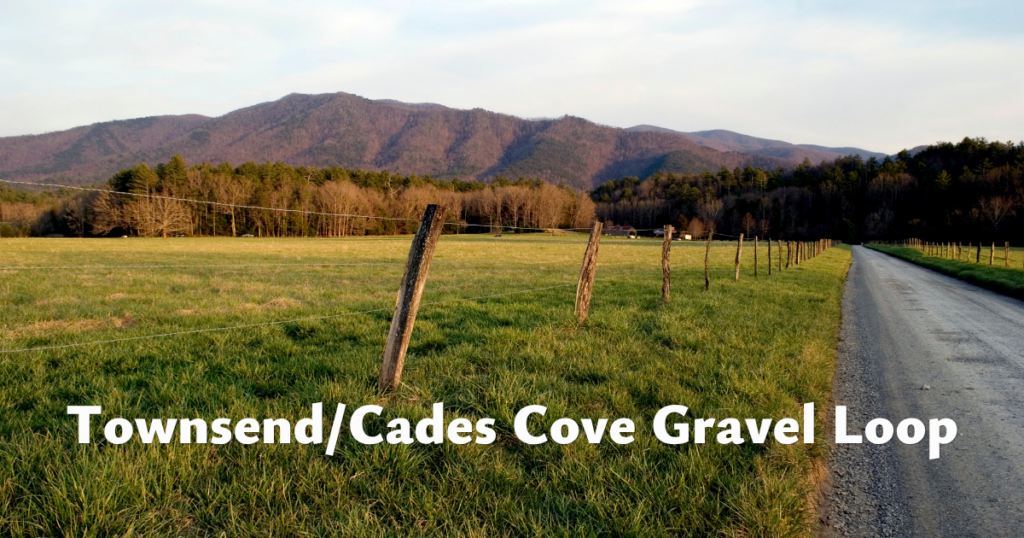
The Townsend/Cades Cove Gravel Loop is the most distinctive of the three, totaling 31 miles. Like the Out-and-Back, it starts at Apple Valley Mountain Village & Cafe.
From Townsend, the route climbs Rich Mountain on gravel. Grades stay steady, generally between 4 and 6 percent, and the surface stays smooth and compact. Much of the climb stays shaded beneath dense forest, with occasional overlooks through the trees.
A series of switchbacks drops the route into Cades Cove, calling for a controlled pace. In the cove, the route opens into meadows, historic cabins and one of the best-known landscapes in the national park. Wildlife sightings are common.
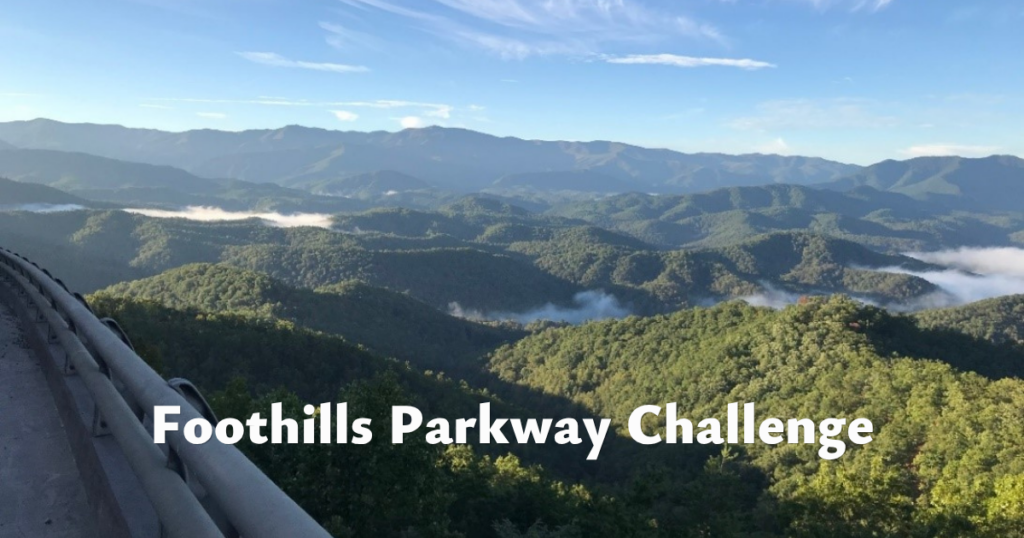
The Foothills Parkway Challenge is the hardest of the three. It’s 63 miles long with about 8,100 feet of elevation gain.
The route starts in Walland at the pull-off where the two completed sections of Foothills Parkway come together. The route returns there halfway through, so riders can restock or stop early.
The ride breaks into two out-and-backs. Riders head west first on the older section of the parkway. That side opens with a steady climb, then another, with overlooks and views of the Smokies and surrounding valleys along the way.
Near the top, riders can detour to Look Rock for the overlook and observation tower. After that comes a long descent toward Highway 129, then the full climb back up.
The second half follows the newer section. The grades bite sooner, and the views open wider as the road climbs. Riders can stop at a higher overlook for a shorter ride or keep going to Wears Valley before turning back.
Bike Safety in Tennessee
In Tennessee, bicycles count as vehicles. Cyclists must ride in the same direction as traffic, obey traffic signs and signals, and use hand signals when turning or stopping.
Cyclists under 16 must wear a helmet. Anyone riding at night must use a white front light and a red rear reflector or red rear light visible from 500 feet. Tennessee law also requires drivers to leave at least three feet when passing a bicycle.
Riders should stay far right on descents and blind curves, especially on roads with frequent switchbacks. They should also carry enough water and nutrition, especially on longer routes with limited services.
Two cycling events are on the calendar this year. Tour de Blount returns to Maryville on May 23 with 25-, 50- and 75-mile options. Tour de Rocky Top follows in Townsend on July 11, with options ranging from shorter local rides to longer mountain routes.
Cycology Bicycles in Maryville also hosts free, social-paced group rides on Tuesdays and Thursdays.
Born and raised in Maryville, Tennessee, with roots tracing back to Cades Cove, Emily Huffstetler is a proud Maryville College graduate and storyteller of the Greater Smokies region.
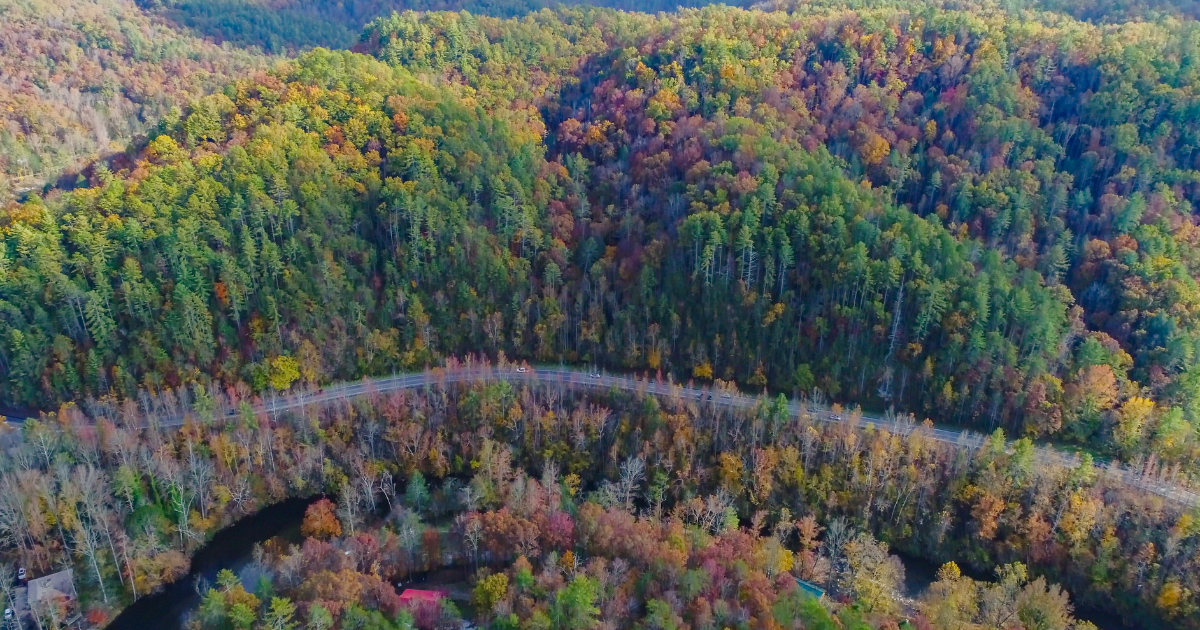
On Wednesdays from May 6 through Sept. 30, Great Smoky Mountains National Park will close Cades Cove Loop Road to motor vehicles. The closure gives cyclists, walkers and runners access to the 11-mile loop without regular car traffic. Here’s what to know before you go.
Don’t Count on Early-Morning Parking
Vehicle-Free Wednesdays are popular, and parking is limited. The park recommends arriving later in the day instead of joining the early-morning rush. Once designated parking spaces fill, vehicles will be turned away and asked to return later.
Visitors parking anywhere inside the national park for more than 15 minutes need a valid parking tag. Tags are available online, at the Great Smokies Welcome Center in Townsend and at fee kiosks at the Townsend Wye and Cades Cove.
Use designated parking only. Roadside parking creates safety issues for cyclists and pedestrians and can damage roadside ecosystems. The park may ticket or tow illegally parked vehicles.
Know the Bike Rules
Bicycles are allowed on Vehicle-Free Wednesdays, including Class 1 and Class 2 e-bikes. Scooters, skateboards and other non-bike devices are not allowed on the loop during vehicle-free days.
All bikes must follow the posted 20 mph speed limit. Helmets are strongly recommended for all riders, and Tennessee law requires children under 16 to wear one.
Bike rentals are available near the Cades Cove Campground Store. Rentals are first-come, first-served, and waits are common on vehicle-free days. Cades Cove Trading Company currently lists bikes for ages 16 and up at $15 per hour and bikes for ages 15 and under at $10 per hour. Helmets are included.
Pack for the Full Loop
Cades Cove Loop Road is paved, but it isn’t flat. The route includes hills, open stretches with limited shade and enough distance to take longer than expected, especially with stops.
Bring water, food, sunscreen, a hat, basic rain gear and a small first aid kit. Cell service is limited, so don’t rely on calling someone to bring what you forgot.
Cyclists should also carry a basic repair kit with spare inner tubes, tire levers, a pump and a multi-tool. Closed-toe shoes are a better choice than flip-flops, especially if you’re renting a bike or planning to stop at historic structures along the way.
If Parking Is Full
If you arrive and there’s no parking, leave Cades Cove and try again later. Don’t circle the lot or use unofficial roadside spaces. There’s plenty to do nearby in Townsend.
The Great Smoky Mountains Heritage Center is open Monday through Saturday from 10 a.m. to 5 p.m., including Wednesdays during the vehicle-free season. The Little River Railroad and Lumber Company Museum is open daily from May through October, with weekday and Saturday hours from 10 a.m. to 5 p.m. and Sunday hours from 1 to 5 p.m. And Tuckaleechee Caverns is open seven days a week from 10 a.m. to 6 p.m. from April 1 through Oct. 31.
Born and raised in Maryville, Tennessee, with roots tracing back to Cades Cove, Emily Huffstetler is a proud Maryville College graduate and storyteller of the Greater Smokies region.
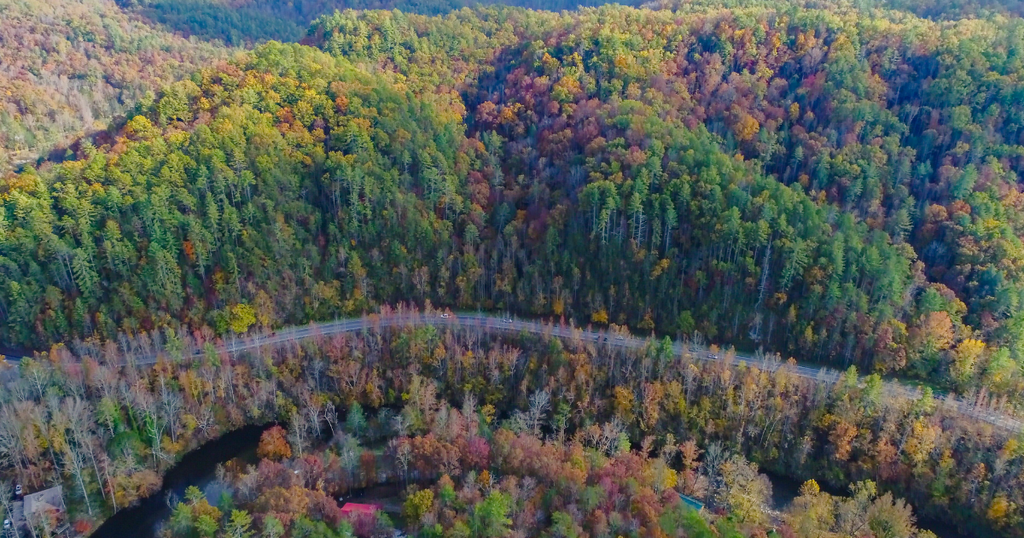
In just a few weeks, the summer heat will break, and East Tennessee will be ablaze with fall foliage. What better way to experience this spectacular transition than a camping trip? Since the Great Smoky Mountains is the nation’s most-visited park, it’s a good idea to start planning early.
Just outside the national park, the Peaceful Side of the Smokies offers a perfect blend of natural beauty and modern conveniences. Whether you prefer luxurious glamping or traditional camping, there are plenty of options to choose from.
This award-winning outdoor resort offers a range of accommodations, including luxury RV sites, cozy cabins, glamping lodges, tiny homes, Airstreams and vacation homes. Activities take place Thursday through Monday, including guided hikes, trivia, Family Feud, college football tailgating, bingo and crafts. They even have a Sunday morning church service.
The resort’s amenities include a 24/7 coffee lounge featuring a movie and book exchange, games and a kids’ playroom; hiking trails; a zero-entry pool with grottos, a splash pad and a hot tub; a cabana with TVs; a lookout pavilion with a double-sided fireplace, heat lamps, bathrooms, a catering kitchen and an AV system; a basketball court, gaga ball pit and a pickleball court; a dog park; a boutique; a playground; a tipi; a 24/7 laundry facility; two luxury bath houses; a community fire pit and a community garden.
Situated on historic farmland, Big Meadow Family Campground has hosted happy campers since 1995. It offers the largest pull-through sites in Townsend, able to accommodate big rigs and RVs up to 80 feet long. For added peace of mind, the park is gated with 24-hour security. Amenities include a dog park, a splash pad and playground, a basketball court, cornhole, a gazebo with a firepit, a pavilion, a climate-controlled bathhouse and laundry room, a workout room, a camp store, cable TV and Wi-Fi.
Whispering River Resort offers a mix of primitive campsites, RV spots and riverside cabins. It boasts over 1,000 feet of direct river access, perfect for fishing and kayaking. Other amenities include a swimming pool, a swimming beach, on-site laundry, walking trails, individual bathrooms, a dog park and a fitness center.
Vee Hollow Campground is conveniently located next to 14 miles of mountain bike trails.
Located next to a 14-mile mountain bike trail network, Vee Hollow Campground is perfect for outdoor adventurers. It has over 80 full hook-up campsites with water, electricity and sewer, as well as two cabins. There’s a pool and access to the Little River for wading, tubing or fishing. Other amenities include laundry facilities, cable TV, Wi-Fi, bath houses and a pavilion. The campground is pet friendly.
Smoky Waters Campground is the newest campground on the Peaceful Side, located just two miles from the Cades Cove entrance. It sits on 40 acres of land with over 1700 feet of river access. Having recently opened, it doesn’t yet have many amenities, making it an excellent place for a more traditional and affordable camping trip.
Three front-country campgrounds in the Great Smoky Mountains National Park are easily accessible from the Peaceful Side. Cades Cove Campground is open year-round; Elkmont Campground is open from March 14 to Nov. 30; and Look Rock Campground is open from May 20 to Oct. 26. All three have flush toilets and access to drinking water. Look Rock Campground has 10 sites with electric and water hookups. Backcountry camping is also allowed at designated sites and shelters with a permit.
Are you looking for accessible lodging on the Peaceful Side? Read our guide here. Find a comprehensive directory of campgrounds on the Peaceful Side here.
Born and raised in Maryville, Tennessee, with roots tracing back to Cades Cove, Emily Huffstetler is a proud Maryville College graduate and passionate storyteller of the Greater Smokies region.
The best memories are made outdoors—and even better with your dog by your side. From morning walks along the river to evenings around the campfire, the Peaceful Side offers plenty of ways to plan a pet-friendly trip. Here’s where to camp, where to eat and what to know before you go.
Where to Camp with Your Dog Townsend
Camping in Townsend puts you near the Smokies with more flexibility than the national park alone. You can still access the park, without limiting the whole trip to the areas where dogs are allowed.
Little Arrow Outdoor Resort offers RV sites, cabins, tiny homes and glamping tents, with select pet-friendly units. Not all accommodations allow pets, so confirmation is required at booking.
Up to two dogs are allowed in pet-friendly units. Fees vary by accommodation type, starting at $20 per night per pet for cabins and glamping tents and increasing for larger rentals. Dogs must be leashed on property. Unattended pets must be crated. Additional cleaning or damage fees may apply.
Pets are allowed at campsites and in designated pet-friendly cabins at Townsend / Great Smokies KOA Holiday. Fees apply per stay depending on the cabin type.
Leashes are required at all times. Pets are not allowed in buildings or pool areas.
Little River Campground includes RV sites, cabins and glamping accommodations, with select pet-friendly units.
Up to two pets are allowed in eligible rentals, with nightly fees starting at $20 per pet. Leashes are limited to six feet long. Pets aren’t allowed in bathhouses or pool areas. Unattended dogs cannot be disruptive.
Whispering River Resort is pet-friendly and includes a dog park. Cabin-specific policies vary and should be confirmed by phone when booking.
Pro tip: Camping with a dog usually goes more smoothly with a little practice first. A trial run in the backyard can help you figure out how your dog does with a tent, crate or nighttime noises.
Dog-Friendly Places to Eat in Townsend
Several Townsend spots offer dog-friendly outdoor seating if you want to grab a meal outside the campground.
Dogs are allowed in developed campgrounds, picnic areas, along roadways and on two trails: Gatlinburg Trail and Oconaluftee River Trail. Leashes are required and must not exceed six feet.
These restrictions are in place to protect both wildlife and visitors. Great Smoky Mountains National Park says dogs can stress wildlife, disrupt nesting and feeding behavior, and carry diseases that can spread between pets and native animals.
The park also warns that dogs can attract or provoke predators such as bears, and if a dog runs after a bear, it may lead the bear back to you.
Service animals are allowed anywhere visitors can go. Emotional support and therapy animals must follow standard pet regulations.
Finding a Vet in Townsend
If you need veterinary care during your trip, Townsend Animal Clinic is located on East Lamar Alexander Parkway. It’s a full-service small-animal clinic with boarding.
Born and raised in Maryville, Tennessee, with roots tracing back to Cades Cove, Emily Huffstetler is a proud Maryville College graduate and storyteller of the Greater Smokies region.
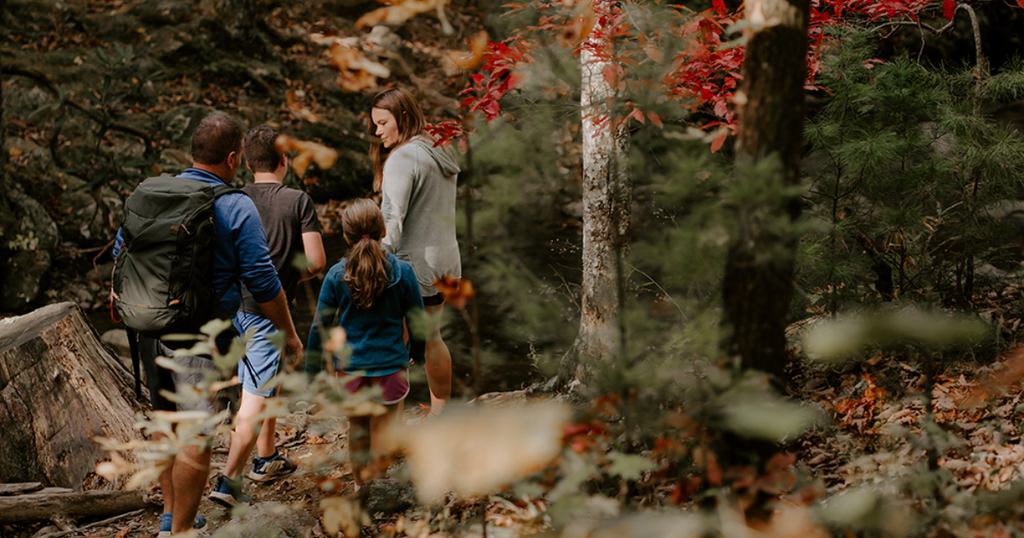
Albert “Dutch” Roth (1890-1974) and Paul J. Adams (1901-1985), both avid hikers, were among the earliest photographers of the Smokies. Their journals document their adventures and capture the landscape’s transition into a national park.
Albert “Dutch” Roth
In 1927, the Smoky Mountains Hiking Club honored Dutch Roth for his participation in every hike led by the club since its establishment in 1924. However, those hikes were only a small part of his extensive expeditions in the Smokies.
Over 30 years, Roth completed 728 hikes, climbing every mountain in the Smokies. He ascended Mt. LeConte, the park’s third-highest peak, around 90 times—sometimes at moonlight and without a trail.
Regardless of the conditions, Roth never left his camera behind.
“We hiked in all kinds of weather, and I never forgot my camera, despite the cold or rain. You never know when you might miss a good shot. We hiked around rocks, on rocks, hopped rocks, went up creek beds, down roads, in brush and on trails,” Roth wrote in his personal journal.
In total, Roth captured over 3,000 images, many of which earned awards. In 1954, he won first place in the Chamber of Commerce photography contest, earning the cover spot on their annual Smokies tourism guide.
Roth lived in Knoxville with his wife and children, who often joined him on his adventures. In 1951, Roth wrote that he and his kids brought two “Yankees” up Mt. LeConte, “to show them what real mountains looked like.”
“This was quite a treat in those days to go to the mountain for the day. The train was the best way to travel then. It was hard for it to keep a schedule, because of the washouts, landslides and inquisitive cows on the track,” Roth wrote.
The train spurred tourism and led to the construction of several hotels in Elkmont and Sunshine (Kinzel Springs).
Simultaneously, the Little River Lumber Company was clearcutting the land. Roth was a young boy when the first log was cut in the Smokies.
“I don’t believe I have ever visited Sunshine that it doesn’t bring back memories of the past and the history behind this section of the mountains,” Roth wrote.
Sunshine, Tennessee. Copyright University of Tennessee Archives.
From his hikes to the highest peaks, Roth had a bird’s-eye view of the changing landscape.
“Sunshine is surrounded by four mountains. They are named Matthew, Mark, Luke and John. From the top of any of these, you can get a good view of the town. In 1928 we had a trip to Mt. Luke. One day we managed to climb all four mountains in one day. From the top I got a good picture of the town. It shows the train and the old swinging bridge [that] used to cross the river, and the two hotels, both now gone.”
In 1957, Roth retired and, with his family, made Gatlinburg their permanent home. His photography collection is now housed in the University of Tennessee Digital Archives.
Paul J. Adams
Paul J. Adams was born in Illinois in 1901 and moved with his family to Tennessee in 1918. Growing up a nature enthusiast, he was excited to explore the Smokies.
Due to a health condition, Adams left the University of Tennessee in 1924, shortly after enrolling. Following his doctor’s advice to spend more time outdoors, he set out to hike the most challenging terrain in the Smokies.
In 1925, the Great Smoky Mountains Conservation Association acquired a large tract of land and hired Adams as the property’s caretaker. His primary task was to construct a cabin near Mt. LeConte’s summit to serve as a resting place for hikers.
Adams purchased a canine named Smoky Jack, formerly owned by a Knoxville detective who had been killed. The detective’s widow sold the dog to Adams for half price—$250—after seeing how fond the dog was of him.
Ogle’s Store, Gatlinburg. Charles Ogle on right; about 1923. Copyright University of Tennessee Archives.
Jack proved an invaluable companion, as Adams trained him to carry saddlebags and make solo trips to Gatlinburg for supplies. Jack would trot down the mountain with money, a shopping list and outgoing mail, and Charles Ogle, a local store owner, would send Jack back up the mountain with the provisions.
Adams wrote about their experiences in his journal, published posthumously as Smoky Jack: The Adventures of a Dog and His Master on Mount Le Conte. Together, they survived blizzards, robberies, and encounters with wolves and bears.
Though he wasn’t formally trained in photography, Adams’ images offer a rare glimpse into Mt. LeConte’s transformation. During his time as caretaker, Adams established and managed a campsite, later taken over by Jack Huff in 1926.
One log cabin at a time, Huff and local workers turned the humble campsite into a hikers’ haven. Today, Mt. LeConte boasts the highest guest lodge in the eastern United States, with a highly coveted waitlist.
After a brief stint as a paid trail guide for the Mountain View Hotel in Gatlinburg, Adams and Smoky Jack moved to middle Tennessee, where they helped extinguish two fires.
Ultimately, Adams and his wife, Maxine, settled in the quiet town of Crab Orchard, Cumberland County. His photography collection, too, is housed in the University of Tennessee Digital Archives.
Born and raised in Maryville, Tennessee, with roots tracing back to Cades Cove, Emily Huffstetler is a proud Maryville College graduate and passionate storyteller of the Greater Smokies region.
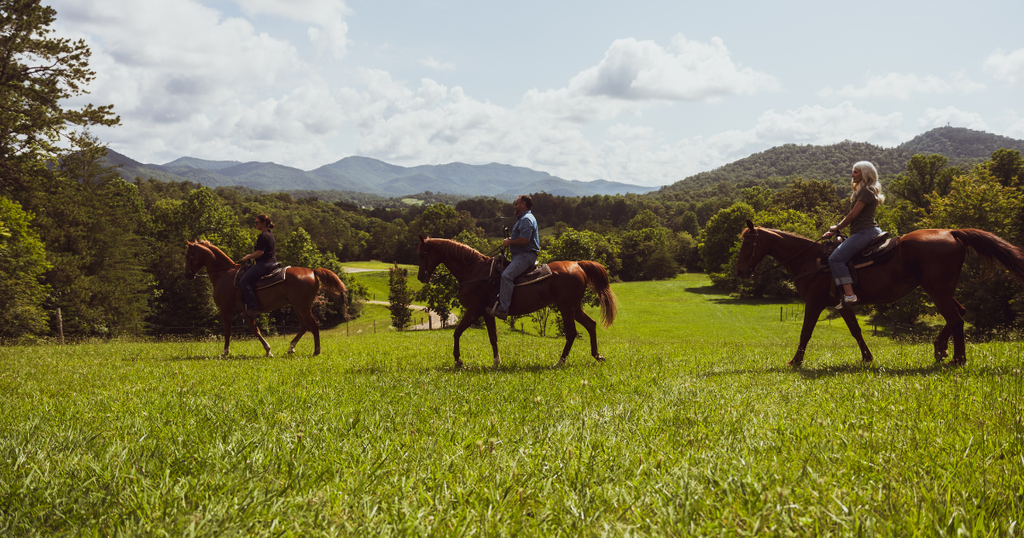
Looking for a unique way to celebrate Independence Day this year? Escape the usual hustle and bustle and enjoy a serene July 4th on the Peaceful Side of the Smokies. Here, you can immerse yourself in family-friendly festivities, breathtaking views and local flavors.
Watch Fireworks
Every year, the City of Townsend puts on a spectacular 4th of July fireworks display. Festivities kick off at 6:30 p.m., and the fireworks will begin around 9:45 p.m. Enjoy hot dogs, hamburgers and snow cones for sale as part of the Townsend Fire Department’s annual fundraiser. Don’t forget to bring lawn chairs or a blanket for a comfortable spot to watch the show.
Before the fireworks, you can also check out Concert on the Fourth at the Great Smoky Mountains Heritage Center. This exuberant musical celebration features a 35-piece American brass band, special guests and live portrayals of revolutionary-era figures in 1776 costume. The concert begins at 8:00 p.m. in the Heritage Center’s large covered amphitheater, with doors opening at 6:30 p.m. (overflow seating available on the lawn). The first 300 guests will receive complimentary American flags.
Under the direction of internationally acclaimed conductor Danny Griffin, the performance will feature rousing Sousa marches, Appalachian-themed pieces and a heartfelt salute to active-duty military and veterans. Best of all, the concert will wrap up with plenty of time to make your way to downtown Townsend to enjoy the fireworks.
Admission is a suggested $10 donation to support the Great Smoky Mountains Heritage Center, which preserves historic homes, exhibits and educational programs.
If you prefer to launch your own fireworks at home, please note that cities on the Peaceful Side have updated their rules last year to respect neighbors with PTSD and pets. You can find the new fireworks ordinances for each city here:
For a quieter celebration, enjoy a picnic with a stunning view. A sunset in the Smokies can be just as brilliant and breathtaking as fireworks, without the noise.
The Foothills Parkway offers 22.5 miles of mountain views, with plenty of roadside pull-offs for picnicking. If you’re up for a one-mile round-trip hike, Look Rock Tower is the ultimate spot for panoramic mountain scenery. At 2,652 feet, this observation tower offers views of the Chilhowee Mountain ridge and the Tennessee Valley lowlands.
Have a Get-together at a Local Park
Did you know that you can reserve pavilions in our city and county parks for gatherings? Host a picnic by the Alcoa Duck Pond, the lake at Louisville Point Park, or the playgrounds at Sandy Springs Park. With over a dozen pavilions to choose from, you’re sure to find the perfect space (and plenty of parking) to entertain friends and family.
Many of the pavilions have grills nearby, excellent for a barbeque. But you can also keep it simple and order award-winning BBQ from Small Town BBQ in Friendsville.
Enjoy a Frozen Treat
No summer celebration is complete without a frozen treat. These are our favorite places to get ice cream on the Peaceful Side.
Peaceful Side Social Creamery opened in Townsend last spring. Their ice cream is made with locally sourced ingredients and served in house-made waffle cones. With a daily changing menu advertised on their social media, there’s always something new to try. Don’t miss the kids’ play area and cornhole in the outdoor seating area.
Located in a historic building in downtown Maryville, the Capitol Theatre ice cream parlor is a local favorite. It boasts a Hollywood-themed menu with treats like the Pirate’s Treasure salted caramel sundae, the I’m Melting! Melting! lava fudge cake sundae, and sweet, foamy Butter beer.
Each booth is based on a different movie, including Star Wars, Indiana Jones, and Back to the Future. Alternatively, outdoor seating lets you immerse yourself in the vibrant downtown scene.
Recently opened in Maryville, Andy’s Frozen Custard is serving up the All-American Cherry Pie Concrete, available until July 8, with real cherries and creamy vanilla custard. Make a quick pit stop at the drive-through, or linger a while at the picnic benches.
Will you be joining us this 4th of July on the Peaceful Side of the Smokies? We’d love to hear about it. Be sure to tag us on social media (@peacefulsmokies).
Born and raised in Maryville, Tennessee, with roots tracing back to Cades Cove, Emily Huffstetler is a proud Maryville College graduate and passionate storyteller of the Greater Smokies region.

Many East Tennessee place names come from the Cherokee language, especially from the Overhill Cherokee—settlements along the Little Tennessee River that English traders in the 1700s reached by traveling “over the hills.” Some names remain nearly unchanged, while others were adapted by settlers. Here are a few examples located in and around the Peaceful Side.
Timberlake’s “Draught of the Cherokee Country.”
Kuwohi
In 2024, the U.S. Board on Geographic Names restored Kuwohias the official name for the Smokies’ highest peak—long called Clingmans Dome. The name has been translated by Cherokee speakers as “mulberry place,” though the precise meaning is debated.
Kuwohi was a site of ceremony for Cherokee medicine people, and its renaming came through a partnership between the Eastern Band of Cherokee Indians and the National Park Service. Each year, the park closes Kuwohi to the public for three days to give Cherokee students the opportunity to learn about its history.
Cades Cove and Abrams Falls
Cades Cove was once a seasonal Cherokee hunting ground. Its Cherokee name, Tsiyahi, means “place of the otter.” The cove’s current name is believed to honor a leader remembered as Chief Kade. Nearby Abrams Creek and Abrams Falls are named for Oskuah, a Cherokee leader later called Abram (or Abraham) by settlers.
Chilhowee and Tallassee
Two major Overhill Cherokee towns—Chilhowee and Tallassee—once stood along the Little Tennessee River. Their sites were inundated by the construction of Chilhowee Dam in 1957. However, the names remain on the map: Chilhowee Mountain is a local landmark, and the unincorporated community of Tallassee lies just downstream along U.S. 129.
Tuckaleechee
Modern-day Townsend lies within Tuckaleechee Cove, named from the Cherokee word Tikwalitsi. The original meaning has been lost, though many affectionately interpret it as “Peaceful Valley.” Tuckaleechee Caverns, the largest cave system in East Tennessee, carries the name today.
Tellico
South of Blount County, Tellico Plains preserves the name of the Cherokee town of Great Tellico. Located at the junction of the Trading Path and the Warrior Path, Great Tellico was one of the most important Cherokee towns of the late 18th century.
Tanasi
Along the Little Tennessee River in what is now Monroe County stood the Cherokee town of Tanasi. Early colonial maps recorded its name, which was later carried to the Tennessee River and eventually to the state itself.
Born and raised in Maryville, Tennessee, with roots tracing back to Cades Cove, Emily Huffstetler is a proud Maryville College graduate and passionate storyteller of the Greater Smokies region.
Recent Comments