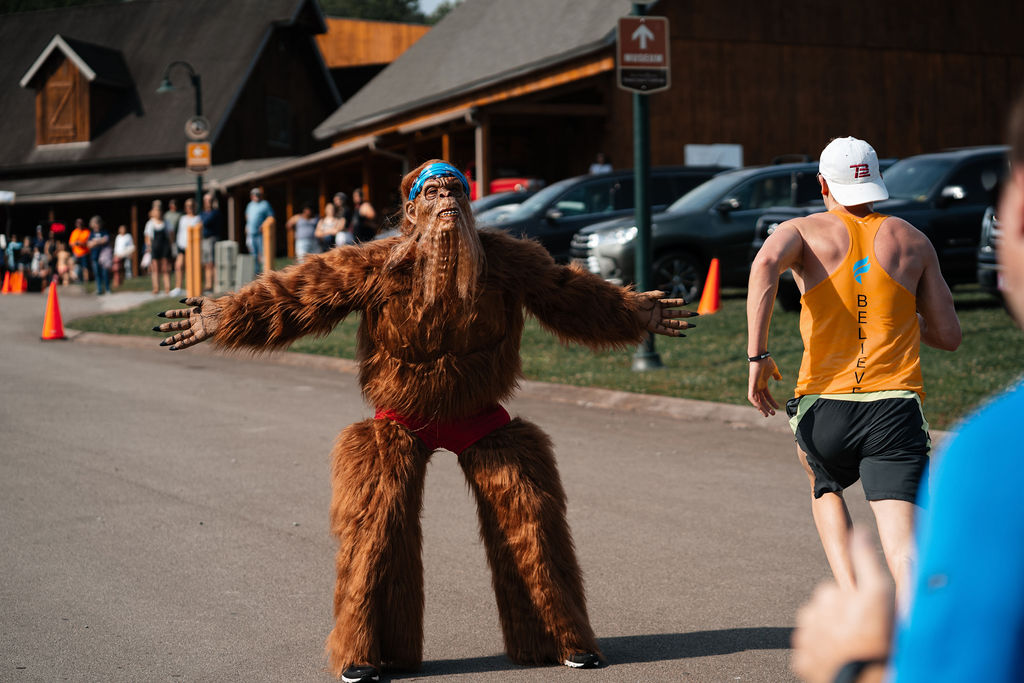
Bigfoot in the Smokies may be elusive, but Sasquatch enthusiasts were easy to find in Townsend, TN.
The city hosted the first annual Smoky Mountain Bigfoot Festival on Saturday, May 22 at the Townsend Visitor and Great Smoky Mountains Heritage Center.
A 5K and fun run kicked off the festival with sightings of ‘Squatch and Sassy Squatch along the course. The day’s events included a Sasquatch woodcarving competition and auction, square dancing with Sasquatch, live music, numerous food, drink, and bigfoot-themed craft vendors.
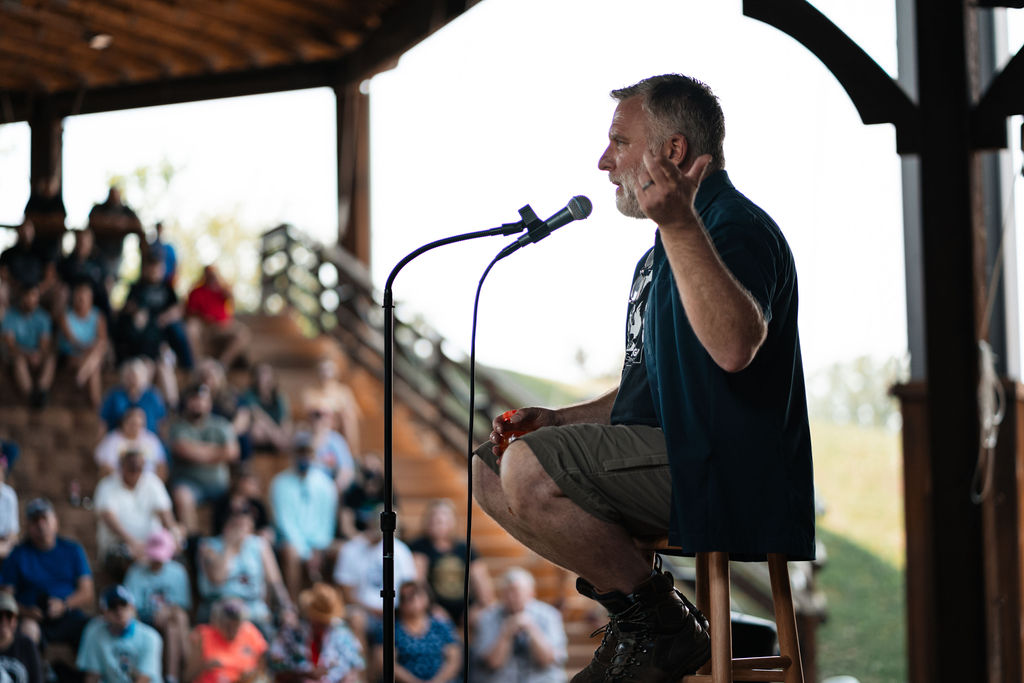
Cliff Barackman from the Discovery show “Finding Bigfoot” spoke and gave a Bigfoot-calling demonstration, which was surprisingly loud for such an elusive creature.
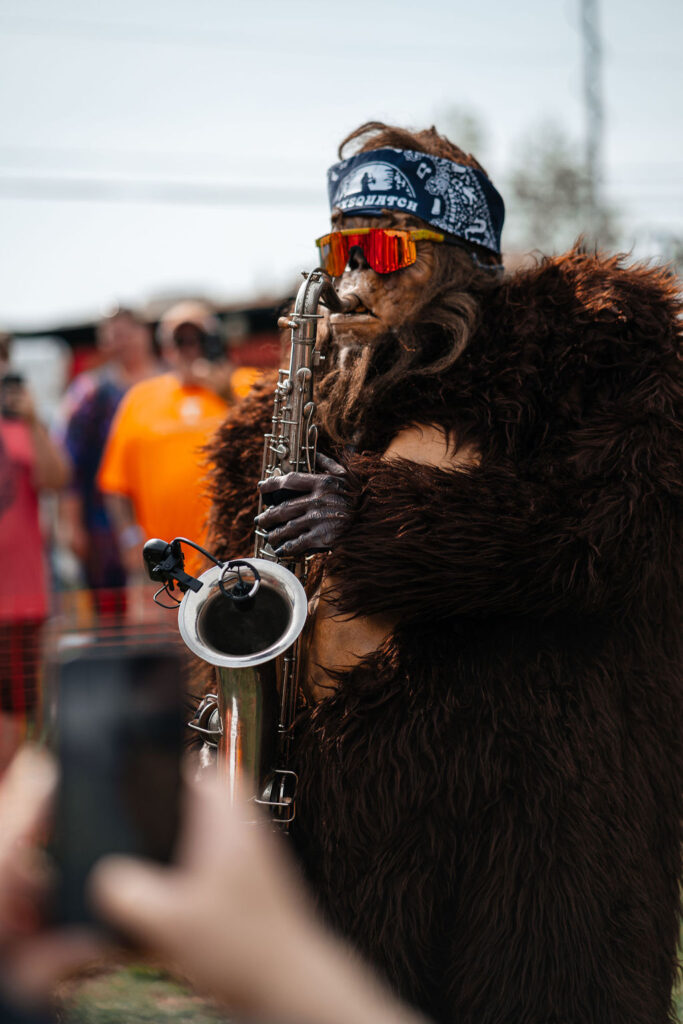
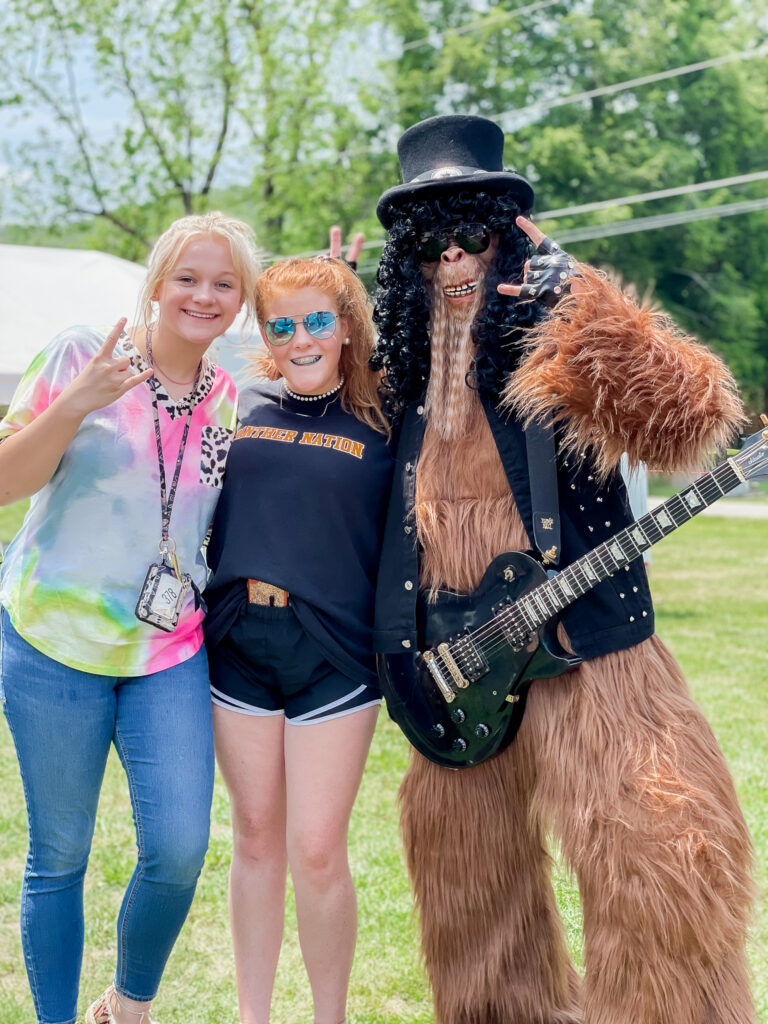
Among the more atypical events on the schedule were a “Bigfoot wedding,” and performances from “Slashquatch,” a guitarist whose wardrobe combines elements of Bigfoot and musician Slash, and “Saxsquatch” a Bigfoot saxophonist.
“Nothing compares to the mysterious world of Bigfoot,” says Brian Johnston, event coordinator. “This festival was a rare glimpse into the life of the reclusive creature.”
This will be a perfect chance to learn more about and possibly encounter Bigfoot in the Smokies.
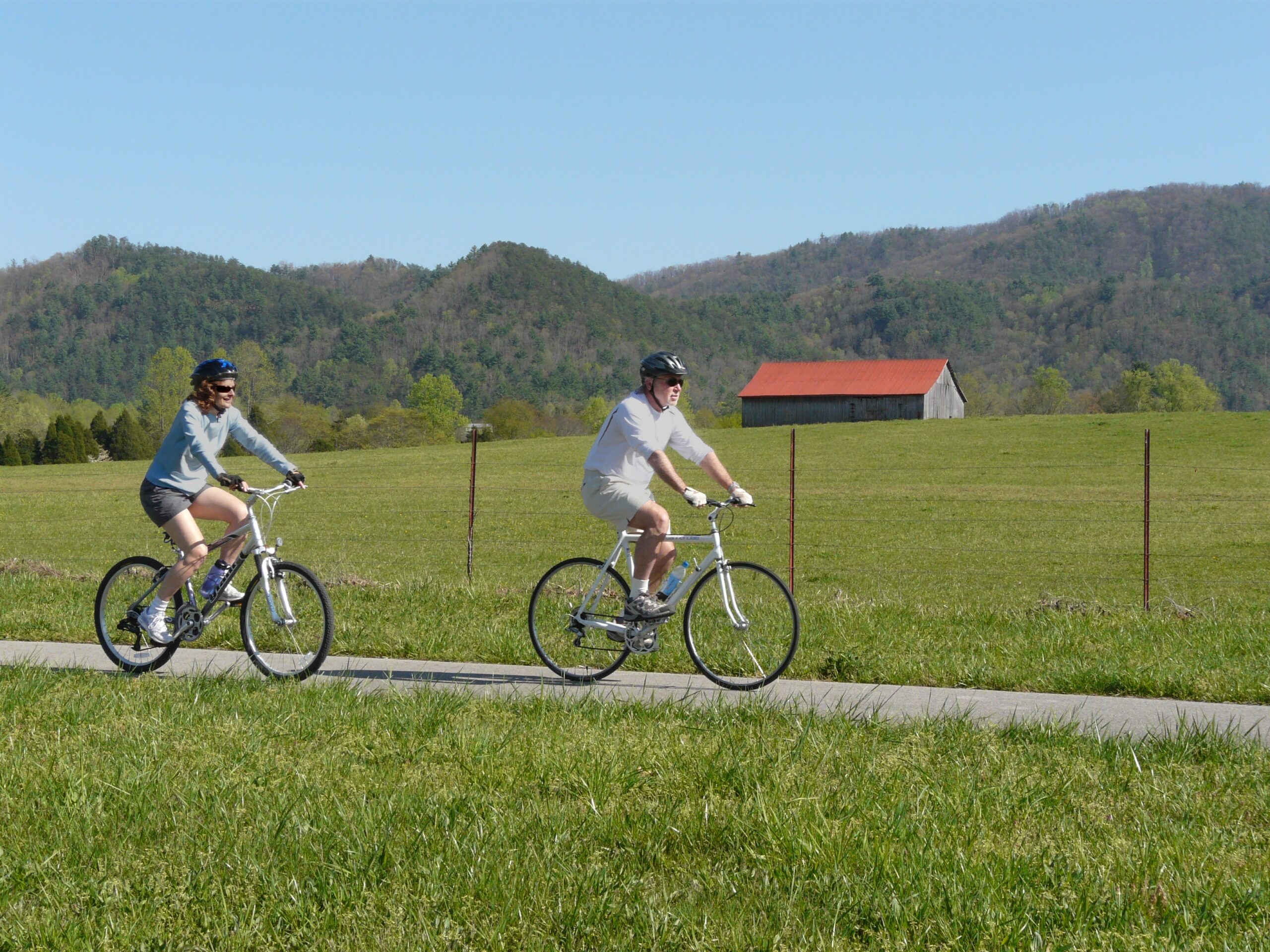
Three routes on the Peaceful Side of the Smokies are now part of BikeTN, a statewide program from the Tennessee Department of Tourist Development that highlights road and gravel rides across Tennessee. The local additions include a shorter paved ride in Townsend, a gravel climb into Cades Cove and a longer Foothills Parkway challenge.
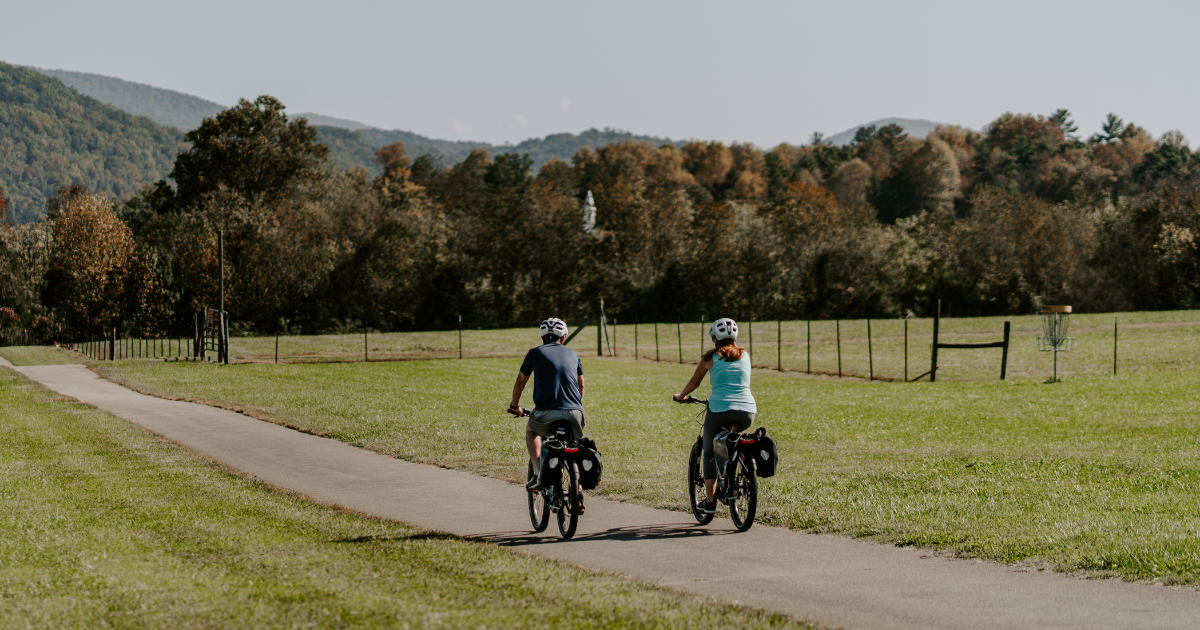
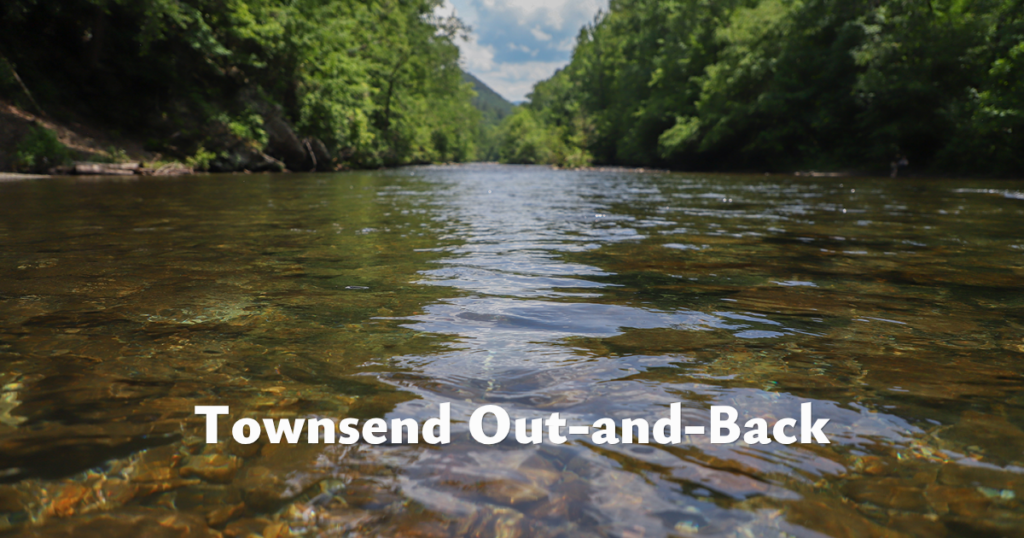
At 19 comfortable miles, the Townsend Out-and-Back is the easiest of the three. While riders can start in several places, the route guide points to Apple Valley Mountain Village & Cafe in Townsend, with easy access to parking, restrooms and food.
From there, the route heads west on the bike path, drops through the tunnel beneath Highway 321 and continues toward the Townsend Sunshine Covered Bridge. After crossing the bridge, riders turn onto Old Walland Highway, a former main road that now carries mostly local traffic.
The first several miles follow the Little River. The road rolls but trends downhill early. Around mile five, the route passes under Foothills Parkway, then pitches up into a short climb before dropping into Walland. After another stretch along the river, the road opens into farmland and ends at Ellejoy Road, where most riders turn around.
The Townsend/Cades Cove Gravel Loop is the most distinctive of the three, totaling 31 miles. Like the Out-and-Back, it starts at Apple Valley Mountain Village & Cafe.
From Townsend, the route climbs Rich Mountain on gravel. Grades stay steady, generally between 4 and 6 percent, and the surface stays smooth and compact. Much of the climb stays shaded beneath dense forest, with occasional overlooks through the trees.
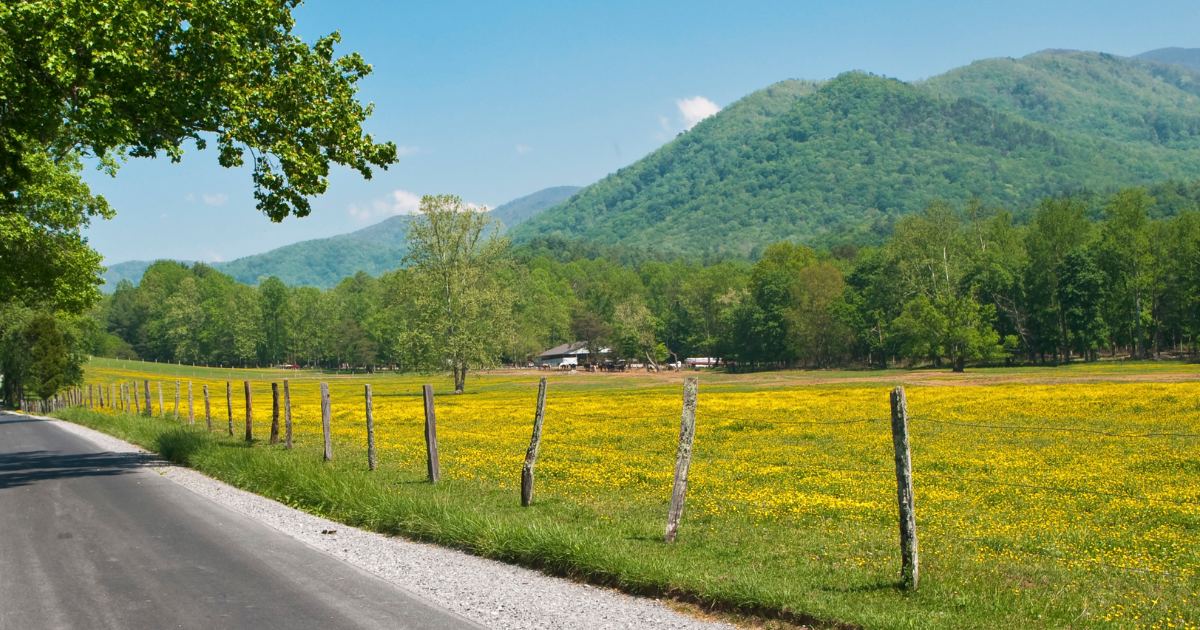
A series of switchbacks drops the route into Cades Cove, calling for a controlled pace. In the cove, the route opens into meadows, historic cabins and one of the best-known landscapes in the national park. Wildlife sightings are common.
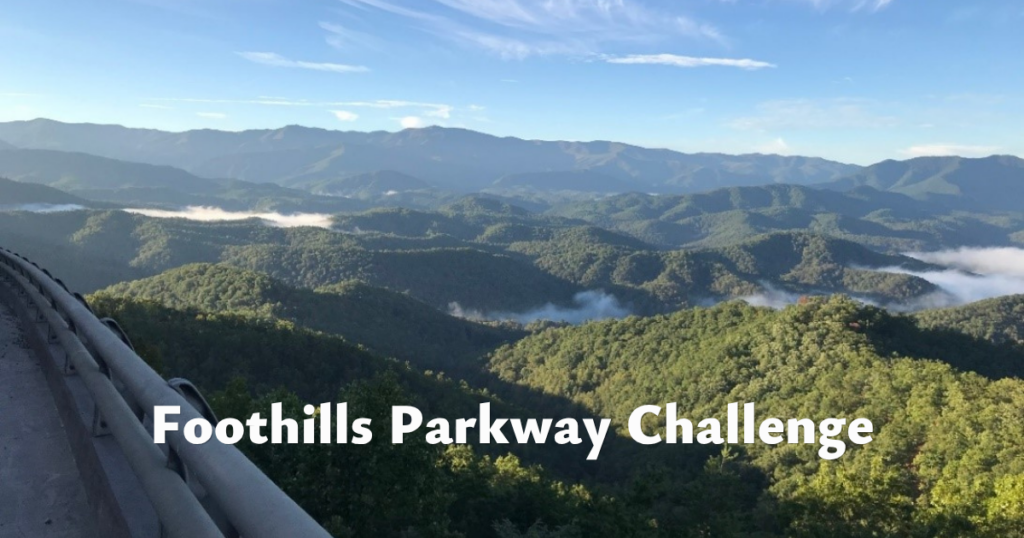
The Foothills Parkway Challenge is the hardest of the three. It’s 63 miles long with about 8,100 feet of elevation gain.
The route starts in Walland at the pull-off where the two completed sections of Foothills Parkway come together. The route returns there halfway through, so riders can restock or stop early.
The ride breaks into two out-and-backs. Riders head west first on the older section of the parkway. That side opens with a steady climb, then another, with overlooks and views of the Smokies and surrounding valleys along the way.
Near the top, riders can detour to Look Rock for the overlook and observation tower. After that comes a long descent toward Highway 129, then the full climb back up.
The second half follows the newer section. The grades bite sooner, and the views open wider as the road climbs. Riders can stop at a higher overlook for a shorter ride or keep going to Wears Valley before turning back.
Bike Safety in Tennessee
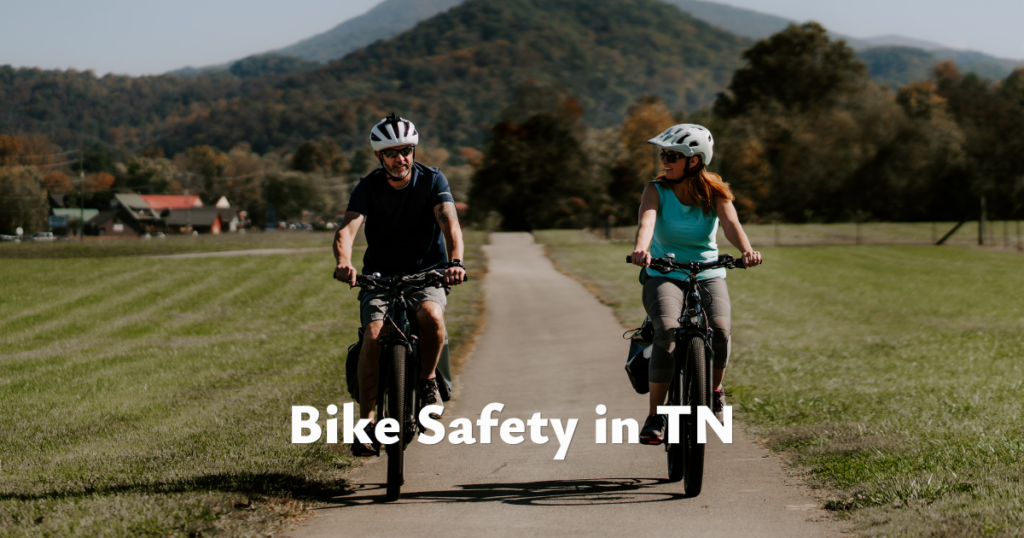
In Tennessee, bicycles count as vehicles. Cyclists must ride in the same direction as traffic, obey traffic signs and signals, and use hand signals when turning or stopping.
Cyclists under 16 must wear a helmet. Anyone riding at night must use a white front light and a red rear reflector or red rear light visible from 500 feet. Tennessee law also requires drivers to leave at least three feet when passing a bicycle.
Riders should stay far right on descents and blind curves, especially on roads with frequent switchbacks. They should also carry enough water and nutrition, especially on longer routes with limited services.
Two cycling events are on the calendar this year. Tour de Blount returns to Maryville on May 23 with 25-, 50- and 75-mile options. Tour de Rocky Top follows in Townsend on July 11, with options ranging from shorter local rides to longer mountain routes.
Cycology Bicycles in Maryville also hosts free, social-paced group rides on Tuesdays and Thursdays.
Born and raised in Maryville, Tennessee, with roots tracing back to Cades Cove, Emily Huffstetler is a proud Maryville College graduate and storyteller of the Greater Smokies region.
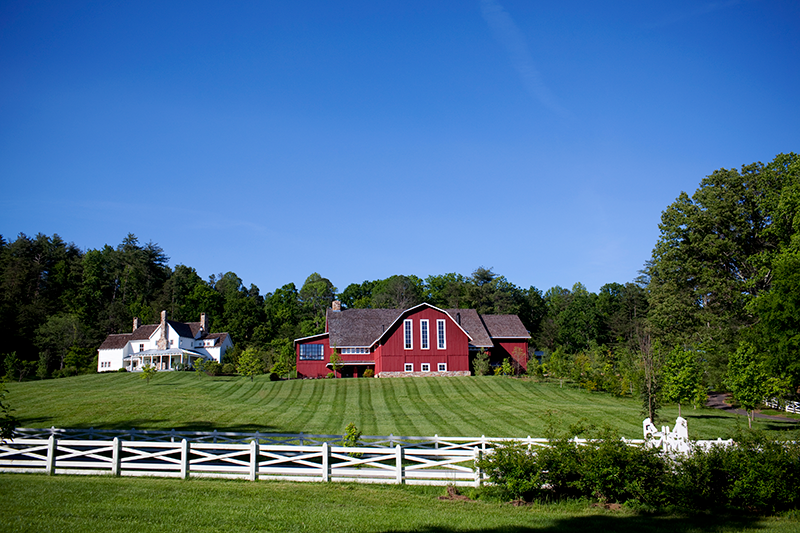
Blackberry Farm won the Gold Award in the 2022 U.S. News & WorldReport’s Best Hotel Rankings, being named #1 in Best Hotels in Tennessee as well as ranked #3 in the Best All-Inclusive Resorts in the United States.
“We always strive to deliver the best guest experience possible,” says Blackberry President Matt Alexander. “Recognition from the US News & World Report Hotel Rankings is a humbling testament to the talent and passion of our team.”
Lauding Blackberry Farm’s Southern hospitality, beverage, and restaurant programs at both The Barn at Blackberry Farm® and the Dogwood, as well as its deep connection to their working farm, U.S. News & World Report shared the reasons why Blackberry Farm topped its list for Tennessee and landed among the top resorts in the country.
“All of Blount County is acutely aware of Blackberry Farm as a tourism asset and achieving this honor is well deserved. Known for its distinguished hospitality and preeminent customer service, it has been a pleasure to watch the brand grow among the most prestigious worldwide all-inclusive resorts. As a leader in luxury tourism, I can only imagine what’s on the horizon. Congratulations to the Beall family and the staff that make it an acclaimed resort.” – Bryan Daniels, Blount Partnership President/CEO
The 12th annual Best Hotels rankings evaluated more than 35,000 luxury properties across the United States, Europe, Bermuda, Mexico, Canada, and the Caribbean. Each year, the editors of U.S. News & World Travel research thousands of hotels and resorts, collect data points, and use an unbiased approach to calculate the rankings.
“Being recognized as a leader in your industry is impressive and no resort exemplifies luxury tourism more than Blackberry Farm. Blount County is honored to have such a renowned resort in our community and thank them for all the support they lend.” – Kim Mitchell, Blount Partnership Director of Tourism
Michelin and Travel South USA today announced the MICHELIN Guide American South is coming to Blount County in 2025. The visit will be part of a new regional approach, including visits to six American South states. The geographic scope includes six states -Alabama, Louisiana, Mississippi, North Carolina, South Carolina, and Tennessee—and the pre-existing Atlanta Guide. Blount County is a supporting partner of the state of Tennessee.
Kim Mitchell, Director of Tourism for the Greater Smokies Region shared, “Restaurants across Tennessee, including Blount County, are under consideration for this prized recognition. While there is no guarantee any restaurants will receive the coveted recognition in the MICHELIN Guide, we believe Blount County’s culinary scene is worthy of consideration and are proud to partner with our state and Travel South USA on this initiative. We look forward to aligning with one of the most well-respected travel brands in the world.”
Blount County is quickly emerging as a hidden gem for food lovers, blending Southern traditions with modern culinary creativity. From charming farm-to-table eateries and cozy cafés to upscale dining experiences, the county offers a diverse array of flavors that celebrate local ingredients and Appalachian heritage. Maryville and Townsend are home to talented chefs who craft everything from classic barbecue and homemade biscuits to globally inspired dishes. With a growing emphasis on craft breweries, artisanal bakeries, and sustainable dining, Blount County’s food scene is thriving, making it a must-visit destination for culinary enthusiasts.
By launching this regional approach, the MICHELIN Guide is going beyond the urban areas to better uncover the region’s authentic food culture. Travel South USA, participating state tourism offices, and DMOs will collaborate on marketing efforts to promote authentic Southern cuisine to domestic and international travelers, including food enthusiasts. The American South is a culturally diverse region with a vibrant culinary scene. It boasts everything from fine dining experiences to creative takes on Southern staples to international favorites.
The MICHELIN Guide’s anonymous Inspectors are already in the field, making dining reservations and scouting for regional culinary gems.
The full 2025 restaurant selection will be revealed later this year during the annual MICHELIN Guide Ceremony for the American South.
Our nation is in a unique time in history, as we watch the COVID-19 pandemic unfold. With all of the change, Blount County wants to make sure as we learn a new normal, we keep everyone safe and healthy. The Great Smoky Mountains gives our county and travel industry a responsible way to stay active and entertained. Following Governor Bill Lee’s “Tennessee Pledge” for reopening businesses and recreation areas, we want to clarify any confusion about safety and regulations during this phased approach to increase access to our travel industry. Here are some highlights of the COVID-19 pandemic responses we have in place to keep both staff and customers healthy.
CLOSER TO HOME
Travel is a personal choice. However, travel is not advised for those in a high-risk category, those who are sick or traveling with those who are sick, and we discourage groups of 10 or more people traveling together. Beginning May 9, the Great Smoky Mountain Park will be reopening many roads and trails.
Campgrounds, picnic pavilions, visitor centers, and may secondary roads will remain closed until later phases. With a variety of roadways open to pedestrians and cyclists, while still being closed to motorists, right now is a smart time to bike and hike. Right now is also an excellent time for family day trips or short weekend adventures, allowing us to fulfill our spirit of travel while keeping us closer to home. We expect people to follow local area health orders, avoid crowds, and practice “Leave No Trace” principals. Be prepared for new safety regulations and protocols to be enforced by park managers and staff. These short excursions are a great way to break up the monotony we’ve all experienced over the last couple of months.
Join us in maintaining your health with plenty of sunshine and exercise in our gorgeous backyard. For facility openings, service hours, and access, please visit the park website at www.nps.gov/grsm/planyourvisit/conditions.htm (link).
LODGING AND NON-CONTACT RECREATION GUIDELINES
We provided enhanced cleaning protocols that follow CDC/OSHA guidelines on all high traffic/high touch areas, guest areas, and guest rooms.
We provided hand sanitizer in high traffic locations.
Check-in and payment processes modified, and designated entrance and exit routes provided to maintain social distancing, if possible.
Plastic shields or barriers established between customers and employees and cleaned every two hours.
Foodservice facilities following the Restaurant Guidelines provided by the Economic Recovery Group.
Gyms must be staffed to be open and will follow Exercise Facility Guidelines provided by the Economic Recovery Group.
Salon and spa services following Close Contact Personal Service Guidelines issued by the Economic Recovery Group.
Customer occupation limits for indoor activities limited to 50% capacity.
Group sizes limited to less than ten people, and the combining of non-associated groups will be avoided.
Equipment layout and access restricted to maintain social distancing guidelines, and shared resources sanitized regularly.
Approved youth participation monitored to ensure children comply with applicable guidelines.
Customers screened for illness upon entry to the facility.
EMPLOYEE PROTECTION DURING COVID-19
COVID-19 screening is in place for each employee reporting to work daily. Businesses regularly supply appropriate training and personal protective equipment, based on the CDC guidelines, including providing cloth face masks. We have supplied staff areas with extensive signage on health policies, along with hand sanitizing stations, and staggered staffing to maintain social distancing. Guidelines require all staff to report any illness to supervisors and provide notification of any COVID-19 positive cases within their households. We will send home any suspected or confirmed cases and instruct to self-quarantine based on CDC recommendations.
WHAT YOU CAN DO TO HELP WHILE VISITING
The biggest thing you can do to help keep everyone healthy and safe is to maintain social distancing. Be sure to look for signage and stay in your designated area while waiting and participating. Increase personal hygiene by washing hands regularly and using hand sanitizer, when available. Call ahead for reservations to reduce clusters of waiting groups and wear facemasks when in public. If you feel ill at any time during this COVID-19 pandemic, please STAY HOME.
For ideas on how to enjoy yourself in the Great Smoky Mountains, try these:
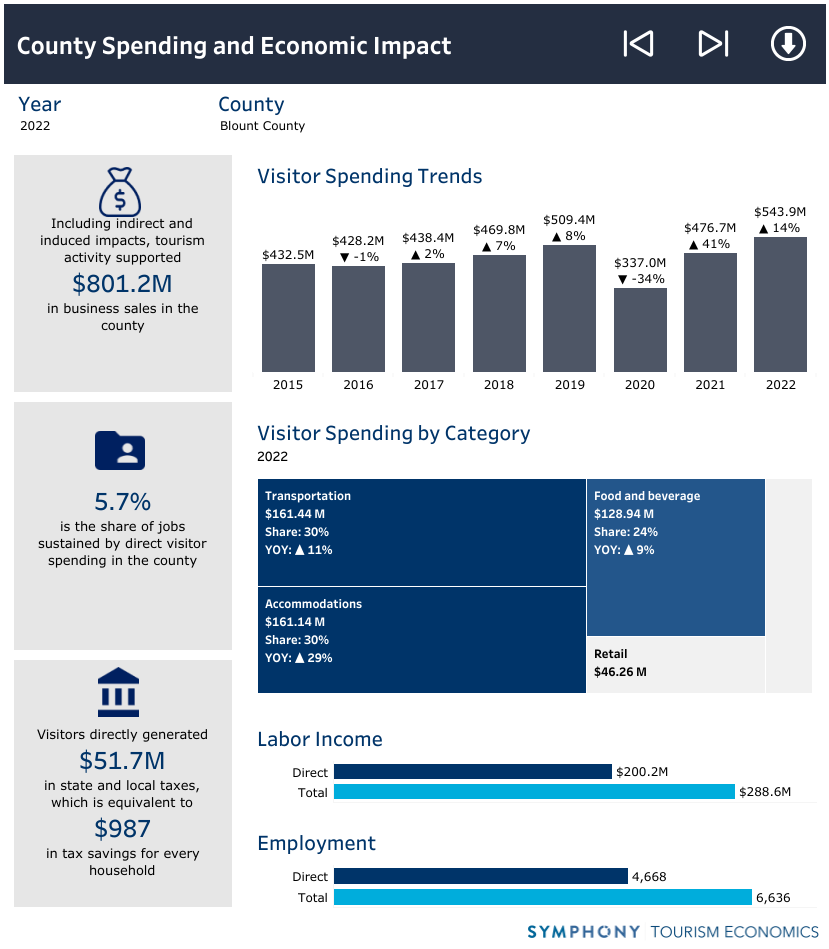
As a gateway to the Smoky Mountains, Blount County ranked eighth among Tennessee’s 95 counties in 2022 visitor expenditures at $544 million, a 14-percent increase from $477 million in 2021, according to the Economic Impact of Travel on Tennessee Counties report issued by the Tennessee Department of Tourist Development and Gov. Bill Lee.
Visitor spending in Blount County generated $51.7 million in state and local tax revenue meaning that each household in the county saw a $987 annual tax savings. That is up from $700 the previous year.
Davidson County, which includes the city of Nashville, topped all county indices with $9.9 billion in tourism economic impact. Shelby County was second at $4.1 billion, Sevier third at $3.8 billion, Knox was fourth at $1.9 billion and Hamilton fifth at $1.6 billion. Williamson County entered at sixth with $1.2 billion and Rutherford County was seventh at $744.7 million. Montgomery and Wilson counties at $371.3 and $352.0 million, respectively, round out the top 10.
“It is great to see the tourism industry continue to grow all across this state and in particular here in Blount County where we saw the highest visitor expenditures in history,” said Smoky Mountain Tourism Development Authority Director Kim Mitchell. “With the leisure and hospitality industry being the third largest employer in the state, it’s vital that we continue to market our area which is robust with outdoor activities, numerous dining and lodging options.”
Tourism employment in the county was at an all-time high of 4,668 which also led to an all-time high payroll of $200.2 million.
State tax receipts for the county totaled $29.9 million, marking the seventh consecutive year of reaching $20 million.
Overall, Tennessee tourism generated $29 billion in domestic and international travel spending, up 19% from 2021, as 141 million visitors trekked across the state in 2022 according to recently released economic impact data from U.S. Travel Association and Tourism Economics. It also marks the largest visitor spending nationally in Tennessee’s history. Travel and tourism is the third largest employer in the state.
All 95 counties saw an increase in visitor spending in 2022, and 63 outpaced inflation. Travelers in Tennessee spent an estimated $79 million per day.
Tennessee Governor Bill Lee and Department of Tourist Development Commissioner Mark Ezell highlighted efforts to continue the industry’s strong growth.
“Tourism drives a strong economy, creates jobs and builds a better quality of life for all Tennesseans,” said Gov. Lee. “We continue to welcome visitors to see all Tennessee has to offer, from the Mississippi River to the Great Smoky Mountains.”
“Tennessee is thriving as tourism continues to soar, from our large cities to small towns,” said Mark Ezell, Commissioner of the Tennessee Department of Tourist Development. “Our industry’s hard work is paying off with record levels of visitor spending and significantly outpacing inflation. It is our privilege to showcase these numbers and express our gratitude to our partners, attractions, elected leaders and visitors who made a record year for Tennessee.”
As a gateway to the Smoky Mountains, Blount County ranked eighth among Tennessee’s 95 counties in visitor expenditures at $476.68 million, a 41-percent increase from $337.01 million in 2020, according to the Economic Impact of Travel on Tennessee Counties report issued by the Tennessee Department of Tourist Development and Gov. Bill Lee.
Blount County is one of nine across the state that experienced more than 40% growth in year-over-year travel spending. Others on the list include Davidson (64%), Cheatham (45%), Sevier (45%), Union (43%), Polk (43%), Grundy (42%), Knox (42%) and Hamilton (40%).
On an average day in 2021, visitor spending in Blount County generated $1.3 million in daily expenditures. It also spawned $14.22 million in local tax revenue for the year.
Revenue generated by tourism saved each Blount County household $700 in state and local taxes last year.
Davidson County, which includes the city of Nashville, topped all county indices with $7.4 billion in tourism economic impact. Shelby County was second at $3.5 billion, Sevier third at $3.4 billion, Knox was fourth at $1.65 billion and Hamilton fifth at $1.51 billion. Williamson County entered at sixth with $1.04 billion and Rutherford County was seventh at $634.8 million. Montgomery and Sullivan counties at $343 and $303, respectively, round out the top 10.
“It was great to see the tourism rebound across the state and in particular here in Blount County where we saw the second-highest visitor expenditures in history,” said Smoky Mountain Tourism Development Authority Director Kim Mitchell. “With the leisure and hospitality industry being the third largest employer in the state, it’s vital that we continue to market our area which is robust with outdoor activities, numerous dining and lodging options.”
Tourism employment in the county was at an all-time high of 4,150 which also led to an all-time high payroll of $175.06 million.
State tax receipts for the county totaled $21.63 million, marking the sixth consecutive year of reaching $20 million.
Overall, Tennessee tourism generated $24.2 billion in domestic and international travel spending in 2021 according to recently released economic impact data from U.S. Travel Association and Tourism Economics. It also marks the largest visitor spending nationally in Tennessee’s history. Travelers in Tennessee spend an estimated $66 million per day. Travel in Tennessee generated $1.9 billion in state and local tax revenue. Travel and tourism is also the third largest employer in the state.
Tennessee Governor Bill Lee and Department of Tourist Development Commissioner Mark Ezell highlighted efforts to continue the industry’s strong recovery.
“Tourism drives economic development and job creation so that every Tennessean can thrive,” said Gov. Lee. “Our decision to prioritize strong recovery has yielded record levels of tourism growth, and we continue to welcome visitors to see all Tennessee has to offer, from the Mississippi River to the Great Smoky Mountains.”
“Tennessee is crushing it with the largest visitor spending national market share for Tennesseans in our history,” said Mark Ezell, Commissioner of the Tennessee Department of Tourist Development. “Tennessee is one of the top travel destinations in the world because of our tremendous assets including our unmatched scenic beauty, diverse cities, and small towns, as well as our world class attractions, music, cultural and historical sites. We’re so grateful to this industry and our partners and blessed that visitors come experience these destinations and support local businesses, local restaurants and local lodging and support communities.”
As a gateway to the Smoky Mountains, Blount County ranked eighth among Tennessee’s 95 counties in 2023 visitor expenditures at $576.1 million, a six-percent increase from $543.9 million in 2022, according to the Economic Impact of Travel on Tennessee Counties report issued by the Tennessee Department of Tourist Development and Gov. Bill Lee.
On an average day, visitor spending generated $1.6 million in daily expenditures, $577,881 in daily labor income and $63,822 in daily local tax collections. In total, visitor spending in Blount County generated $23.3 million in local tax revenue meaning that each household in the county saw a $1028 annual tax savings. That is up from $987 the previous year.
Davidson County, which includes the city of Nashville, topped all county indices with $10.8 billion in tourism economic impact. Shelby County was second at $4.2 billion, Sevier third at $3.9 billion, Knox was fourth at $2.0 billion and Hamilton fifth at $1.7 billion. Williamson County entered in sixth with $1.3 billion and Rutherford County was seventh at $772.9 million. Montgomery and Wilson counties at $385.6 and $374.3 million, respectively, round out the top 10.
“It’s wonderful to witness the ongoing growth of the tourism industry throughout the state, especially here in Blount County, where we’ve experienced record-high visitor spending,” said Kim Mitchell, Director of the Smoky Mountain Tourism Development Authority. “As the leisure and hospitality industry stands as the state’s third-largest employer, it’s crucial that we keep promoting our region, which offers abundant outdoor activities and a wide range of dining and lodging choices.”
Tourism employment in the county was at an all-time high of 4,843 which also led to an all-time high payroll of $210.9 million.
State tax receipts for the county totaled $31.7 million, marking the eighth consecutive year of reaching at least $20 million.
Overall, Tennessee tourism generated $30.6 billion in domestic and international travel spending, a 25% increase of two years. Tennessee visitors spent $84 million each day in 2023 as 144 million visitors trekked across the state in 2023 according to recently released economic impact data from U.S. Travel Association and Tourism Economics. It also marks the largest visitor spending nationally in Tennessee’s history. Travel and tourism is the third largest employer in the state.
Visitor spending sustained 191,522 direct jobs, one of every 24 in the state.
Tennessee Governor Bill Lee and Department of Tourist Development Commissioner Mark Ezell highlighted efforts to continue the industry’s strong growth.
“When tourism grows, Tennessee reaps the benefit with increased sales tax revenue,” said Gov. Bill Lee. “Tourism boosts local economies, supports businesses and jobs, funds public services and creates a better quality of life for all Tennesseans. We welcome visitors from around the world to experience Tennessee’s music, scenic outdoor beauty, culture and food from Mountain City to Memphis.”
“Tennessee tourism is soaring, leading to benefits to Tennesseans,” said Mark Ezell, Commissioner of the Tennessee Department of Tourist Development. “Thanks to our destination marketing organizations across the state, in addition to our leisure and hospitality businesses in this amazing accomplishment. The record growth is a testament to the strength, resilience, determination and efforts of our people and the work of our industry in bringing visitors to enjoy why Tennessee Sounds Perfect.”
As a gateway to the Smoky Mountains, Blount County Tourism ranks 8th in State Economic Impact among Tennessee’s 95 counties in visitor expenditures at $337.01 million in 2020 according to the Economic Impact of Travel on Tennessee Counties report issued by the Tennessee Department of Tourist Development and Gov. Bill Lee.
Tennessee tourism generated $16.8 billion in domestic and international travel spending in 2020, a 31.6 percent decline from the previous year according to newly-released economic impact data from U.S. Travel Association and Tourism Economics. Travel in Tennessee generated nearly 150,000 jobs and $1.4 billion in state and local tax revenue. Despite the impact of COVID-19, efforts to promote outdoor travel opportunities helped Tennessee outperform the national average decline of 42 percent. The decline in state sales & use tax revenue represented a $303 million loss to the state budget between March and December 2020
Lee and Department of Tourist Development Commissioner Mark Ezell highlighted efforts to continue the industry’s strong recovery.
“Tourism is a vital part of our state’s strong economic recovery,” said Gov. Lee. “By working together to support small businesses and drive job growth, we will ensure Tennessee continues to be one of the top travel destinations in the world.”
“Tennessee’s scenic beauty, strong outdoor assets, and compelling rural and road trip destinations gave it an edge against other states,” said Ezell. “We’ve seen parts of our state not only survive but also thrive. Our mission as a department is to inspire travel to all 95 counties, and we are committed to restoring economic prosperity for our industry.”
Blount County’s $337.01 million in visitor spending represents a decrease of 21-percent from 2019. In fact, on an average day in 2020, tourist spending in Blount County still generated $923,000 in daily expenditures. It also spawned $38.01 million in local tax revenues for the year.
Revenue generated by tourism saved each Tennessee household $550 in state and local taxes last year.
Davidson County, which includes the city of Nashville, topped all county indices with $4.5 billion in tourism economic impact. Shelby County was second at $2.6 billion, Sevier third at $2.4 billion, Knox was fourth at $1.17 billion, and Hamilton fifth at $1.08 billion. Williamson County entered at sixth with $776 million and Rutherford County was seventh at $472 million.
“In the first two months of 2020, Blount County’s leisure and hospitality industry was on a record track,” said Smoky Mountain Tourism Development Authority Director Kim Mitchell. “COVID-19 was the largest crisis to hit the tourism industry in history, but we were able to benefit from the growth in our outdoor activities, particularly the record 12 million visitors to the Great Smoky Mountains National Park.”
Despite the mitigating factors, tourism jobs in the county were at an all-time high of 3,968 which also led to an all-time high payroll of $153.51 million.
Local tax receipts of $17.59 million were a record for the county and the eighth-highest total in the state. State tax receipts totaled $20.42 million, marking the fifth consecutive year of reaching $20 million.
An early start can go a long way in the Smokies. Heading out before the busiest hours can mean less traffic and fewer people on popular trails. In summer, it also gives you more time outside before temperatures rise.
For longer hikes, starting sooner leaves more daylight for the return trip and more time to explore along the way.
Townsend sits right outside of the national park, with several places serving breakfast or coffee by 8 a.m. Here’s where to stop in and fuel up before a day in the Smokies.
Opening times are current as of August 2026 and may change.
Sharons’ Half Day Cafe is a partnership between Oldham Hospitality and Benton’s Smoky Mountain Country Hams. The restaurant is named for Sharon Benton and Sharon Oldham.
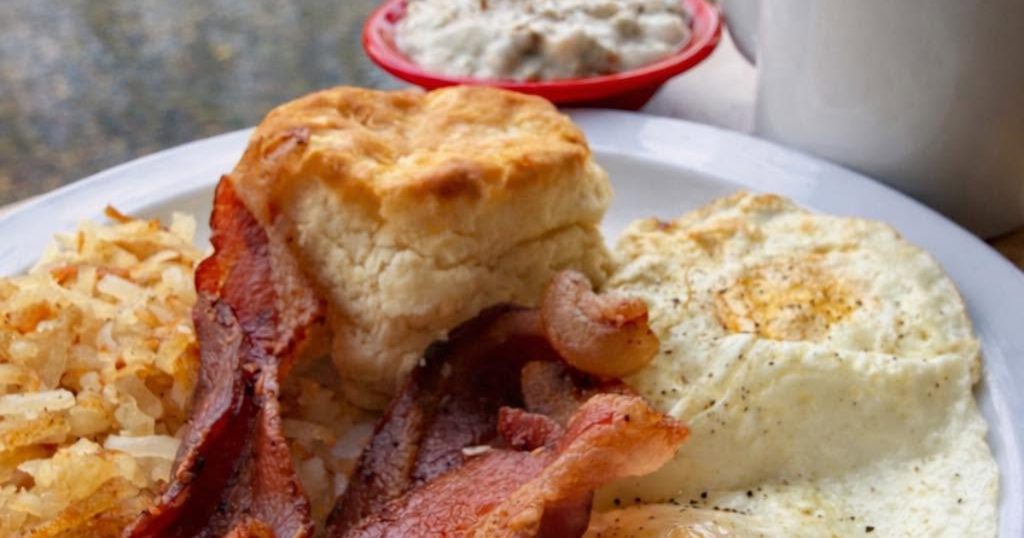
The breakfast menu includes fresh biscuits, Benton’s country ham and bacon, waffles, breakfast sandwiches and locally roasted coffee.
Opens at 7 a.m. Monday and Wednesday through Sunday. Closed Tuesday.
Waylon’s Place serves a classic country breakfast in a riverfront setting. The menu includes buttermilk pancakes, French toast, country ham, biscuits and gravy, and blueberry pancakes.
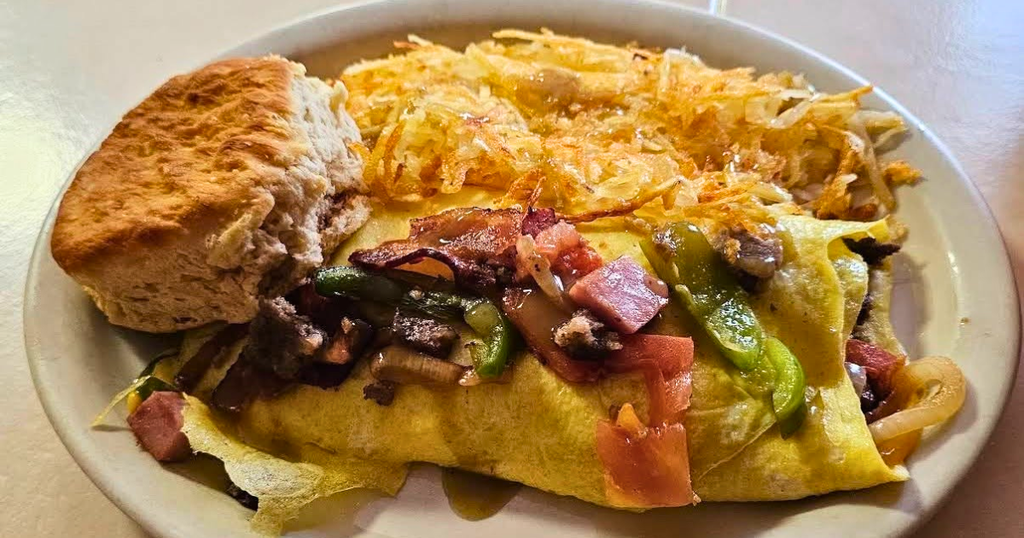
Riverstone Family Restaurant sits on the national park end of Townsend and serves breakfast seven days a week. The menu ranges from omelets to à la carte options, along with a country ham breakfast served with eggs, grits and hash browns.
At The Artistic Bean, the coffeehouse and roaster share the same Townsend facility. Beans are roasted in small batches on site, with organic and fair-trade options available.
This is a coffee-forward stop with pastries and lighter food for visitors who don’t want a full sit-down meal.
Opens at 7:30 a.m. Monday through Saturday and at 8 a.m. on Sundays.
Located at Apple Valley Mountain Village, The Dancing Bean Coffee House roasts its signature coffee in-house with a zero-emissions electric roaster. Pair it with a bagel sandwich, scone, cinnamon roll or muffin.
Next door, Apple Valley Cafe serves a full breakfast with eggs and bacon, pancakes, French toast, hash browns and biscuits with homemade sausage gravy. Save room for a fried apple pie, or grab one for the road.
If you only need coffee, Little River Coffee Company specializes in small-batch roasting. It does not have a food menu.
Opens at 8 a.m. Monday through Saturday.
Need to Head Out Even Earlier?
Townsend IGA opens at 6 a.m. daily, with a full grocery selection, deli, bakery, produce and fresh meats.
Parkway Grocery also opens at 6 a.m. Monday through Saturday, with biscuits, coffee and other grab-and-go options.
Born and raised in Maryville, Tennessee, with roots tracing back to Cades Cove, Emily Huffstetler is a proud Maryville College graduate and storyteller of the Greater Smokies region. She holds a Master of Science in Conservation Education from Mississippi State University.
The world-famous Budweiser Clydesdales, the symbol of quality and tradition for Anheuser-Busch since 1933, are scheduled to make several appearances in the area on September 10 and 11, including two at McGhee Tyson Airport in conjunction with the Smoky Mountain Air Show, presented by DENSO.
The eight-horse hitch will be harnessed and hitched to the famous red beer wagon to kick off the festivities both mornings of the Smoky Mountain Air Show. Parking areas will open at 7 a.m. and the event gates open at 8 a.m. on Saturday, September 10, and Sunday, September 11.
Attendees are encouraged to arrive when the parking areas open in order to avoid traffic and ensure they do not miss any of the festivities, including the opportunity to see the Budweiser Clydesdales.
“The Smoky Mountain Air Show would not be possible without the support of corporate sponsors like Eagle Distributing,” said Patrick Wilson, President of the Metropolitan Knoxville Airport Authority. “We are expecting a full day of air show entertainment that will kick off with the world-renowned Clydesdales as part of our opening ceremonies. From jets streaking across the sky to the impressive Clydesdales performing on the ground below, the Smoky Mountain Air Show will have something for everyone.”
The Clydesdales’ appearance in Knoxville is one of hundreds made annually by the traveling hitches. Canadians of Scottish descent brought the first Clydesdales to America in the mid-1800’s. Today, the giant draft horses are used primarily for breeding and show.
Horses chosen for the Budweiser Clydesdale hitch must be at least three years of age, stand approximately 18 hands – or six feet – at the shoulder, weigh an average of 2,000 pounds, must be bay in color, have four white legs, and a blaze of white on the face and black mane and tail. A gentle temperament is very important as hitch horses meet millions of people each year.
Each hitch travels with a Dalmatian. In the early days of brewing, Dalmatians were bred and trained to protect the horses and guard the wagon when the driver went inside to make deliveries.
For more information about the Smoky Mountain Air Show, including parking, tickets and more, visit smokymountainairshow.com.
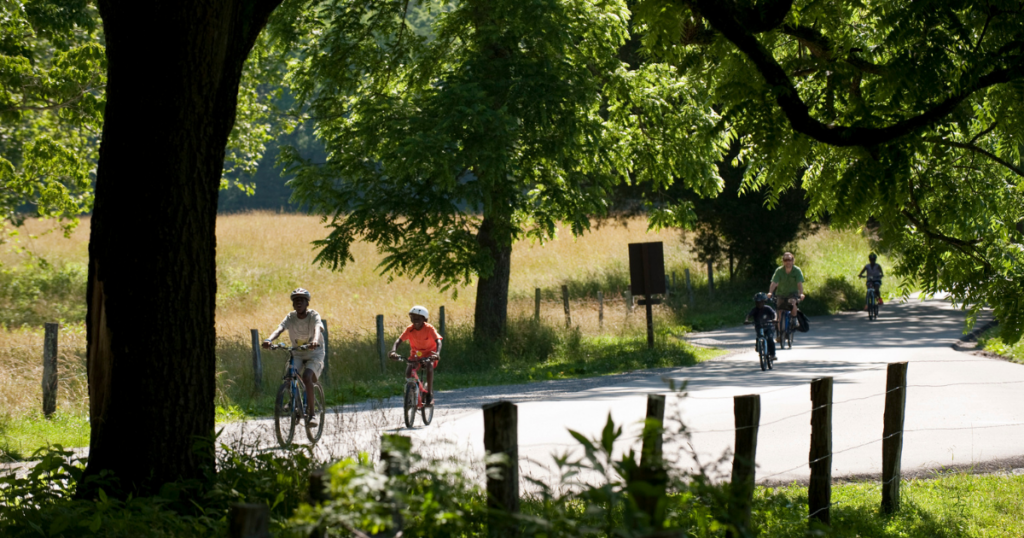
On Wednesdays from May 6 through Sept. 30, Great Smoky Mountains National Park will close Cades Cove Loop Road to motor vehicles. The closure gives cyclists, walkers and runners access to the 11-mile loop without regular car traffic. Here’s what to know before you go.
Don’t Count on Early-Morning Parking
Vehicle-Free Wednesdays are popular, and parking is limited. The park recommends arriving later in the day instead of joining the early-morning rush. Once designated parking spaces fill, vehicles will be turned away and asked to return later.
Visitors parking anywhere inside the national park for more than 15 minutes need a valid parking tag. Tags are available online, at the Great Smokies Welcome Center in Townsend and at fee kiosks at the Townsend Wye and Cades Cove.
Use designated parking only. Roadside parking creates safety issues for cyclists and pedestrians and can damage roadside ecosystems. The park may ticket or tow illegally parked vehicles.
Know the Bike Rules
Bicycles are allowed on Vehicle-Free Wednesdays, including Class 1 and Class 2 e-bikes. Scooters, skateboards and other non-bike devices are not allowed on the loop during vehicle-free days.
All bikes must follow the posted 20 mph speed limit. Helmets are strongly recommended for all riders, and Tennessee law requires children under 16 to wear one.
Bike rentals are available near the Cades Cove Campground Store. Rentals are first-come, first-served, and waits are common on vehicle-free days. Cades Cove Trading Company currently lists bikes for ages 16 and up at $15 per hour and bikes for ages 15 and under at $10 per hour. Helmets are included.
Pack for the Full Loop
Cades Cove Loop Road is paved, but it isn’t flat. The route includes hills, open stretches with limited shade and enough distance to take longer than expected, especially with stops.
Bring water, food, sunscreen, a hat, basic rain gear and a small first aid kit. Cell service is limited, so don’t rely on calling someone to bring what you forgot.
Cyclists should also carry a basic repair kit with spare inner tubes, tire levers, a pump and a multi-tool. Closed-toe shoes are a better choice than flip-flops, especially if you’re renting a bike or planning to stop at historic structures along the way.
If Parking Is Full
If you arrive and there’s no parking, leave Cades Cove and try again later. Don’t circle the lot or use unofficial roadside spaces. There’s plenty to do nearby in Townsend.
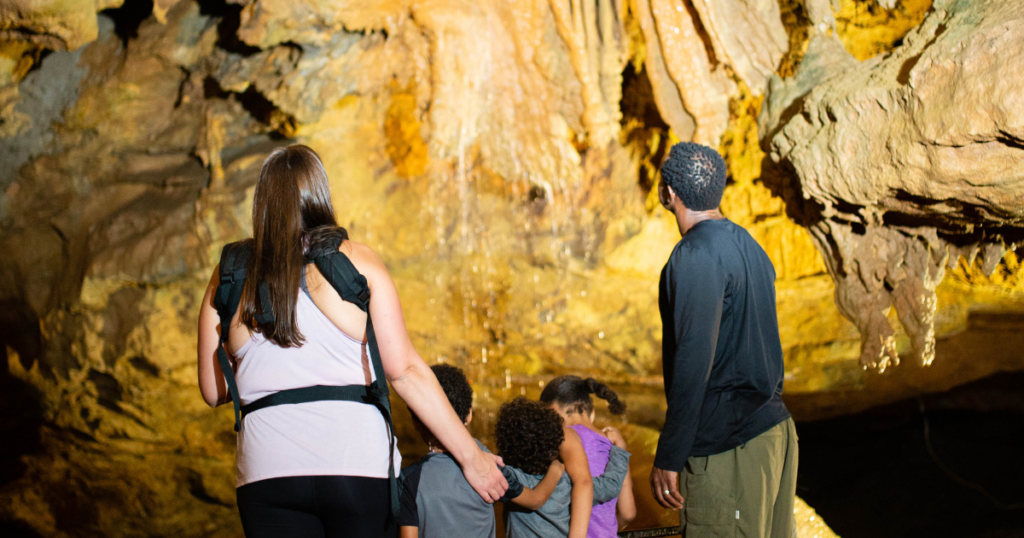
The Great Smoky Mountains Heritage Center is open Monday through Saturday from 10 a.m. to 5 p.m., including Wednesdays during the vehicle-free season. The Little River Railroad and Lumber Company Museum is open daily from May through October, with weekday and Saturday hours from 10 a.m. to 5 p.m. and Sunday hours from 1 to 5 p.m. And Tuckaleechee Caverns is open seven days a week from 10 a.m. to 6 p.m. from April 1 through Oct. 31.
Born and raised in Maryville, Tennessee, with roots tracing back to Cades Cove, Emily Huffstetler is a proud Maryville College graduate and storyteller of the Greater Smokies region.






















Recent Comments