
On August 21, 2021, the Great Smoky Mountains Hot Air Balloon Festival will celebrate its fourth year with high expectations.
Professional balloonists will light up the Tennessee evening sky with an unforgettable glow. A spectrum of hope, happiness, and color will cast over the breathtaking Smoky Mountain sunset like never before.
The 2021 event will return to the Townsend Visitors Center at 7906 E. Lamar Alexander Parkway from 4 p.m. to 10 p.m.
Everyone will find something to enjoy at this year’s festival. The event will feature food trucks and various local vendors, and kid-friendly activities like face painting and rock climbing. The night will end with a balloon glow from 8 to 9:30 p.m. With exciting new additions in 2021, attendees will be able to experience a variety of festivities. Live entertainment, local crafters, food trucks are just a few of the activities for guests to participate in. Tethered balloon rides will allow attendees to ride and bask in the picturesque scenery from the hot air balloons, weather permitting. Exclusive amenities and perks will be available to those who purchase a VIP package.
“After a tough year for so many, and having to cancel in 2020, we have spent months making sure this event is our best one, yet,” said CEO of Oldham Hospitality Mark Oldham. “We are fortunate to be able to host this event against the backdrop of Townsend’s scenery, and appreciate everyone’s hard work in making the event possible. The Great Smoky Mountain Hot Air Balloon Festival will create unforgettable memories and experiences for attendees for years to come.”
Since the event has grown to over 10,000- plus attendees, guests of this event are encouraged to book their stay in Blount County and the Townsend area in advance. For a list of accommodations, places to eat and things to do in Blount County, attendees can visit www.smokymountains.org/plan-your-trip.
Festival admission is $5.00, and parking will be available for purchase in advance at $25.00, or on-site the day of the event. Tethered rides are now available at $25.00 per rider weather permitting.
VIP packages are $150.00 per person. This includes festival parking, VIP shaded, premium tent seating, First Flight Tethered Rides, dinner by CJ’s Tacos, Beer and non-alcoholic beverage service, exclusive restrooms, and a commemorative festival t-shirt.
For more information on the Great Smoky Mountains Hot Air Balloon Festival, visit gsmballoonfest.com.
Looking for the perfect spring break destination? The Peaceful Side of the Smokies is just the place. With a wide range of outdoor activities, educational experiences and opportunities to unwind, there’s something for everyone in the family.
Take a guided tour of the Smokies.
Smoky Mountain Guides offers a variety of full-service tours for all ages and abilities.
3-hour small group tours:
High Points Tour: Ride in a luxury high-top van to the park’s highest peaks, including breathtaking scenic vistas and a visit to Kuhowi (formerly Clingman’s Dome).
Logging in the Smokies: Explore historic Elkmont, known as the “Ghost Town of the Smokies”.
The “Classic” National Park Tour: Enjoy a comfortable journey in a luxury high-top van for a comprehensive park overview, with stops for photos along the way.
¾ and full-day tours:
Over the Top: Cross the crest of the Smokies and visit the Oconaluftee Visitor Center to explore the region’s history and wildlife.
They also offer a variety of hikes, ranging from easy to strenuous, whether you’re looking to stretch your legs or take on a challenge. If you want to spend time on the water, try flatwater kayaking or guided fly fishing (ages 12 and up).
Explore Tuckaleechee Caverns.
Known as the “Greatest Site Under the Smokies,” Tuckaleechee Caverns is the highest-rated cave or cavern in the Eastern United States. Formed within one of the world’s oldest mountain chains, the caverns are estimated to be 20 to 30 million years old.
Highlights of the tour include the Big Room, a massive chamber large enough to fit a football stadium, and Silver Falls, the tallest subterranean waterfall in the Eastern U.S. Along the 1.25-mile round-trip journey, you’ll see millions of stunning formations and hear fascinating stories about the cave’s history.
In March, Tuckaleechee Caverns will be open daily from 10 a.m. – 5 p.m. Admission is $26 for adults, $14 for children ages 5-11 and free for children 4 and under.
Visit a local museum.
Spend the day in Townsend learning about local history, culture and wildlife.
At the Great Smoky Mountain Heritage Center, connect with the history and spirit of Townsend, Cades Cove and the Great Smoky Mountains through hands-on activities, tours of original 19th-century buildings and the Cherokee Native American Collection.
Dive even deeper into local history at the Little River Railroad & Lumber Company Museum, where you can explore restored locomotives, historic logging equipment, and exhibits showcasing the impact of the lumber industry on the region.
While you’re in town, stop by Apple Valley Mountain Village. Enjoy southern hospitality and cuisine at their cafe, bistro, coffee shop and fudge shop. Or find a souvenir at the general store, stocked with jams, jellies, butters, home decor, clothing and more.
Go for a scenic bike ride.
Start your adventure by renting bikes atSmoky Mountain Outdoor Center. From there, head to the Townsend Historical Trail, a paved path stretching 4.5 miles on both sides of US 321/Lamar Alexander Parkway, for a total of 9 miles. This scenic trail runs alongside Little River and includes a 0.3-mile unpaved River Walk.
For a more immersive experience, make your way to Tremont Road, a 2.1-mile route that connects the Great Smoky Mountains Institute at Tremont to the Middle Prong Trailhead.
Even better, go for a scenic horseback ride.
Davy Crockett Riding Stables opens daily starting March 15 from 9:00 a.m. to 5:00 p.m. Similarly, Cades Cove Riding Stablesopens for guided trail rides, carriage rides and hayrides beginning March 3, with hours from 9:00 a.m. to 4:30 p.m.
Stargaze at Look Rock.
A trip to the Smokies isn’t complete without visiting Kuwohi, the park’s highest peak. A short hike up to Look Rock Tower in the evening will reward you with panoramic views of the sunset and an excellent vantage point for stargazing.
Looking for a place to stay? Check out our guide to camping and glamping on the Peaceful Side.
Born and raised in Maryville, Tennessee, with roots tracing back to Cades Cove, Emily Huffstetler is a proud Maryville College graduate and passionate storyteller of the Greater Smokies region.

Whether you’re hunting for a gift from the heart, a new ornament for the tree or just a little extra holiday cheer, local makers have you covered. Here’s a preview of holiday markets on the Peaceful Side.
The Maryville Farmers’ Market wraps up the 2025 season with the Holly Day Market at Founders Square in downtown Maryville. From 8:30 to 11:30 a.m., you’ll find late-fall produce, baked goods, specialty foods and booths stocked with ornaments, artwork and other handmade gifts. This is the final market of the year.
The Great Smoky Mountains Heritage Center in Townsend hosts the Holiday Handcrafters Fair from 10 a.m. to 4 p.m. Artisans will set up across the grounds with pottery, textiles, fine art and seasonal pieces, all made in the region. Admission is free, and shoppers can wander through the marketplace at their own pace.
On Small Business Saturday, the Downtown Maryville Holiday Market fills Broadway Avenue with more than 150 artisan booths. Beginning at 10 a.m., shoppers can walk the length of downtown and browse everything from jewelry and woodwork to candles and Christmas décor. Families can also look for “Candy Cane Lane,” a row of free children’s activities along the street.
The Santa Mouse Christmas House returns to Dotson Memorial Baptist Church in Maryville for a three-day sale organized by the Blount County Arts and Crafts Guild. Over 50 artists and craftsmen bring jewelry, wood pieces, textiles, home décor and holiday items. Hours run 10 a.m.–5 p.m. on Thursday and Friday and 10 a.m.–3 p.m. on Saturday.
The Foothills Holiday Market marks its 10th year at Smithview Pavillion in Maryville. From 10 a.m. to 3 p.m., vendors set up indoors and out with handmade gifts, seasonal décor and food items. It’s a small, single-day market that works well for wrapping up holiday shopping close to home.
Make Your Own Holiday Gifts
Photo: Creative Spark Studio
If you have the time, why not get a little crafty yourself? Here are some upcoming holiday classes where you can make a gift yourself—or sit down with someone you love and create something together.
November 17 – Holiday Herbals Class with Herbalist Debbie Dickie, 10:15 a.m.–12:45 p.m.
Born and raised in Maryville, Tennessee, with roots tracing back to Cades Cove, Emily Huffstetler is a proud Maryville College graduate and passionate storyteller of the Greater Smokies region.

The Peaceful Side of the Smokies is full of festive flavors this holiday season. From specialty lattes to homemade desserts, there’s no shortage of treats to enjoy. Here’s a look at our favorites in Maryville, Alcoa and Townsend.
Step into Amburn’s Market to find a treasure trove of traditional treats, including homemade hard candy, fruitcake, Christmas pie, apple stack cake and eggnog. Pick up a ready-made gift basket or place an order to spread the holiday cheer. If you need last-minute decorations, they also have fresh Christmas trees, wreathes, garlands and poinsettias.
Vienna Coffee House’s December specials are a delightful way to embrace the holiday spirit. Warm up with their Fireside Latte (vanilla, white chocolate, molasses and clove) or indulge in the Polar Mocha (dark chocolate, brown sugar, toasted marshmallow and peppermint). Their seasonal blends, like Cabin Fever and Hearth & Home, feature comforting flavors such as chocolate, cranberries and orange spice.
Bear Grounds Coffee has a full lineup of holiday drinks to keep you cozy, including Peppermint Mocha, Grinch Latte, Eggnog Latte and Christmas Cookie Latte.
The Dancing Bean’s holiday menu includes spiked specialty coffees perfect for celebrating the season. Try the Spiked Dinner Mint (espresso, vodka, crème de menthe, chocolate and cream) or the indulgent Loco Hot Cocoa (hot cocoa, Baileys, vodka and whipped cream).
RT Lodge is bringing the holiday spirit to its dessert menu with treats like Red Velvet Cake (with cranberry white chocolate buttercream), Gingerbread Crème Brûlée (gluten-free) and Hot Chocolate Pavlova (with peppermint marshmallows). Their Holiday Cookie Plate for includes gingerbread, cranberry spritz and eggnog doodles.
Celebrate the 12 Days of Christmas with festive teas from Southern Twist Nutrition. Their protein cake pop drop features new holiday flavors like Pecan Shortbread and Peppermint Patty.
Will you be trying any of these holiday treats? Share your favorites with us on social media (@peacefulsmokies).
Born and raised in Maryville, Tennessee, with roots tracing back to Cades Cove, Emily Huffstetler is a proud Maryville College graduate and passionate storyteller of the Greater Smokies region.
They’re currently stored in the cool confines of Dr. Nathan Duncan’s basement, but on Saturday, June 25, eight brews created by Maryville College students will be available for sampling by roughly 1,000 attendees of a craft beer festival.
The annual event, known as Hops in the Hills and held in downtown Maryville, is part of the City of Maryville’s annual Summer on Broadway extravaganza and will include over two dozen professional breweries — along with sample pours from Duncan’s “EXP200: Introduction to Brewing” course that the professor of chemistry launched in 2018.
“For this, we have about eight different beers we’re bringing, and almost all of them are student recipes,” said Duncan, who took the beer home with him during recent summer renovations to the College’s Sutton Science Center. “Two are my recipes, including the Irish red ale we brewed earlier this year for the Choir of Man show at the Clayton Center, and I brewed my brown ale this year for it as well. Those are the only two that aren’t student recipes.
“The rest are all from this class except for one, and it’s from an alumnus who took the class in 2020. In addition to students from this year’s class that are working as volunteers for Hops in the Hills, I have students that go back to the very first time we offered it in 2018 who are coming this year as well. A lot of Maryville College alumni will make up the volunteers for this event, and I’m really excited from the standpoint that a lot of them took the class before it was even a part of Hops in the Hills.
“To see how much this little class has grown as far as really becoming a part of our regional craft brew scene is exciting,” he added.
Duncan offers the course every spring and has room for roughly 20 to 24 students. It’s an upper-level class for students 21 and older that focuses on the brewing process, and because beer can be fermented under pressure and turned around in as little as two weeks depending on the style, there’s ample opportunity to try various creations and concoctions.
And some of them, he added, succeed beyond anyone’s expectations, including his own.
“The beer I’m most excited about is one that was created by Becca Roberson ’22 that’s supposed to be a beer that has all of the components or nuances of an Old Fashioned cocktail,” he said. “It’s a porter-style beer that’s aged with some oak, some bourbon, some cherry and also with some orange peel. It’s one she made early in the semester, and it tasted really good. Now that it’s been aging for a while, it should be even better. As soon as we tried it, I told everyone, ‘We’re saving this for Hops in the Hills.’”
In addition to Roberson’s creation — for which she’s designed its own logo — and Duncan’s ales, some of the other brewing class offerings for Hops in the Hills include an imperial stout and for those who find the overly hoppy flavor of stouts and ales off-putting, there’s the brew by alum Sawyer Cradit ’20: a “margarita beer,” according to Duncan.
“It’s kind of a sour wheat style, very low on the hops,” Duncan said. “With this, he was making a beer that used sour mash barley, a lot of wheat to give it kind of the haziness and a little bit of sweetness, and the hops that he used were a New Zealand variety that adds kind of a lime flavor to it.”
Hops in the Hills, Duncan added, is the latest in a busy schedule of events for which his students have brewed beer. (Because their brews are not sold, and the class operates as a homebrewing club, they’re not required to obtain a license to serve it.) In addition to the Blount County Alumni Association’s annual spring barbecue and the aforementioned Choir of Man performance, MC beer was recently served at the banquet celebrating the end of KT Days, and Duncan addressed the assembled alumni about the course, and its plans for the future.
“We have some things in the works that we hope will formalize this class, meaning that it will eventually be replaced with a four-hour class,” he said. “What we’re doing now would be considered the lab part of the class, while it will also include a lot more deep-dive lectures, and we’ve talked with several folks in the brewing industry in our region who are interested in partnering with us for on-site and external internships.”
Photo courtesy of University of Tennessee, Knoxville. Special Collections.
Written by: Emily Huffstetler
In 1900, a Pennsylvanian man named J.W. Fisher found himself in a predicament. The tannery he recently started in Blount County had taken off, producing up to 400 hides a day, and his local tanbark providers couldn’t meet the demand.
Meanwhile, in Clearfield, Pennsylvania, a businessman named Colonel W.B. Townsend was experiencing growing pains of his own. Now that almost all the timber in Pennsylvania’s Allegheny Mountains had been logged, Townsend was looking to relocate his logging enterprise.
Seeing an opportunity to secure a reliable tanbark provider, Fisher invited Townsend to the Great Smoky Mountains. In 1901, W.B. Townsend—along with Pennsylvanian investors Asbury Lee, William McCormick, William Wrigley and Joe Dickey—purchased nearly 100,000 acres of timberland along the Little River and its tributaries. They chartered the Little River Lumber Company and then the Little River Railroad, to haul the logs.
Fully committed to his business venture, W.B. Townsend moved his family to Blount County. And in 1903, the community of Tuckaleechee—a Cherokee name loosely translating to “peaceful valley”—was named in his honor.
Photo courtesy of University of Tennessee, Knoxville. Special Collections.
Over the course of 38 years, Townsend’s company built 150 miles of railroads and sawed 560 million board feet of timber—enough to reach California and back, if laid end-to-end. Environmentally and economically, the Little River Lumber Company and Little River Railroad reshaped the Peaceful Side of the Smokies.
“We’re learning more and more about [W.B. Townsend and the investors],” said Neal Stone, President of The Little River Railroad and Lumber Company nonprofit. They apparently had a 16-story office building in Pittsburgh, suggesting affiliation with a larger company. W.B. Townsend had also been logging in West Virginia and Kentucky, and he owned a railroad, coal mine and clay tile company in Kentucky.
Perhaps, then, it would come as no surprise that Townsend monetized nearly every aspect of his East Tennessee logging community. Workers and their families rented on-site prefab homes from the company, and they were paid in “doogaloo,” redeemable only at the company stores.
“It was a very monopolistic situation,” Stone said.
W.B. Townsend also transformed a hunting camp, Elkmont, into a tourist destination for wealthy East Tennesseans. Since the trains already had flat cars to restrain their loads, the company decided to add side rails and charge people a small fee to ride from Knoxville to Townsend.
When that did well, they built the Elkmont Observation Car, which had 16 benches capable of seating two people each, for a total capacity of 32 people. Regular passenger cars were used as well.
Photo courtesy of University of Tennessee, Knoxville. Special Collections.
In 1910, W.B. Townsend decided to subdivide the property. He sold 50 acres to the Appalachian Club, a group of wealthy businessmen from Knoxville. Members paid the Elkmont Construction and Supply Company, also owned by Townsend, to build a clubhouse and cottages.
“They’d live there all summer, and the husbands would come there on the weekends,” Stone said. For those who could afford it, the mountain retreat was an idyllic escape from the heat.
A couple years later, three brothers from Knoxville bought 65 acres and opened the Wonderland Hotel. The brothers ended up selling the hotel to rivals of the Appalachian Club looking to form a club of their own.
Members of the two clubs refused to interact with each other on the train ride to their respective properties. But they did eventually find a common interest: protecting their land.
“The irony is that the lumber company’s clearcutting led to the preservation of the park,” Stone said. At the time, the process for lumbering was clearcutting, an extreme method that stripped the virgin landscape bare. The tourists wanted to put an end to this.
The national park movement was still relatively new. Yellowstone, the first national park, was only established in 1872. Creating a park would prove especially complicated because people had been living on the land for generations.
Nevertheless, the club members and environmentalists persisted. In 1926, Congress approved the authorization of the park, and Tennessee and North Carolina started raising money to purchase nearly half a million acres from private owners.
The outlook was grim for most residents. The Tennessee state government was only willing to pay about half of what their properties were worth. When the owners resisted, the state invoked the right of eminent domain. Over 5,000 people had no choice but to leave their homes. Meanwhile, the influential Wonderland and Appalachian Club negotiated a rental agreement that would extend into the early 90s.
The Little River Lumber Company sold 76,507 acres for the park, on the stipulation that they could keep logging for the next 15 years. In 1939, the last logs came out of the mountains.
“There are three locomotives left in the world that we know worked for the Little River Railroad Company,” Stone said.
“Number 110 lasted the entire lifetime of the railroad…It has been fully restored and runs today in Michigan pulling passengers.” It’s the smallest standard gauge Pacific steam locomotive ever built in the United States.
“Number 126 was another technological advancement. It was what they called a Mallet type, and it had eight driving wheels…It was a rod type engine, but it was hinged in the middle, so it could go around tighter curves,” Stone said.
That locomotive didn’t stay with the Little River Railroad long due to technical issues. It went back to the manufacturer and was sold out West, where it derailed and was abandoned for years. About three years ago, it was returned to full active service pulling excursion trains on the west coast.
The last surviving locomotive, Shay 2147, eventually made its way back home.
Shay 2147 was only used for about three or four years as the Little River Railroad was winding down. It pulled the last train across the Little Tennessee River (now part of Tellico Lake) near Chilhowee while workers disassembled the tracks and bridge.
The locomotive changed hands several times after that, travelling across the country, before it was put up for sale for $8,000 for parts. After local train enthusiasts banded together, the Towsend Chamber of Commerce decided to purchase it as a monument for a future park.
At least, that was the plan.
“Well, when word got out about the Shay, there was this huge groundswell of public support,” Stone said.
“You heard stuff like, ‘My daddy used to do that; my grandaddy used to do that; I drove that; I got to be an engineer for that.’ We still had people around back then that worked for the company, and people were coming up with pictures and artifacts,” Stone said.
In November 1982, several community members came together and formed the Little River Railroad and Lumber Company nonprofit corporation. They converted the former Walland Depot, donated by Joe Henry Everett on behalf of her late husband, into a museum.
Photo courtesy of the Little River Railroad and Lumber Company Museum.
“The Shay arrived on Thanksgiving weekend 1982, and we’ve been growing ever since,” Stone said.
“Earlier, we received grant [funding] to build a gift shop that resembles the Elkmont post office. And our main restoration shop conference room is designed to look like the Elkmont train engine house,” Stone said. In other exciting news, the nonprofit recently received a grant from the Tennessee State Museum to put a new roof on the depot and water tower.
A variety of artifacts have turned up over the years—most recently, a mint condition box of crayons that would’ve been used to mark the wood 80 to 90 years ago. Everything is on rotation at the Little River Railroad and Lumber Company Museum, which is open to the public from April through November. Admission is free, but donations are encouraged.
The Little River Railroad and Lumber Company Museum annual Railroad Days Heritage Festival is coming up on Sept. 28 and 29, from 10 a.m. to 5 p.m. You can ride the hand pump car, check out the reproduction Elkmont Observation Car and see special exhibits and artifacts. There will be local food vendors and craftsmen, as well as live music.
Born and raised in Maryville, Tennessee, with roots tracing back to Cades Cove, Emily Huffstetler is a proud Maryville College graduate and passionate storyteller of the Greater Smokies region.

Walland is a small, unincorporated community tucked into Miller’s Cove, a peaceful valley in the northwestern foothills of the Smokies. Today, around 463 people call this quiet corner of Blount County home. But its story stretches back long before modern roads and homes appeared.
In 1567, Spanish explorer Juan Pardo and his expedition crossed the Little River at present-day Walland, searching for a route to a silver-mining town in Mexico. At that time, Spaniards believed that the Appalachian Mountains connected all the way to central Mexico.
For generations, the Overhill Cherokee used the cove as hunting grounds. By the time European settlers arrived in the 1780s, Cherokee presence and influence in the area were well established. As settlers moved in, they built small forts in response to Cherokee resistance, gradually driving them from the land.
As European settlement increased, land claims began to formalize. The earliest recorded land grant in the area was given to John Rhea for 940 acres in 1794. It referred to the region as Murphy’s Cove. Before long, the name changed to Miller’s Cove, likely in honor of brothers Alexander and Andrew Miller, who built several cabins during the early 1800s.
Around the same time, Swiss immigrant John Hess built a grist mill on the cove’s western end, while the Martin family established another mill to the east.
As more pioneers settled in the area, Miller’s Cove Baptist Church was established in 1810. It became Blount County’s first Baptist church and remains one of its oldest congregations today. A Methodist church followed in 1830.
With a growing community came industry. In 1845, George Amerine established an iron forge along Hess Creek. By the mid-1850s, it was producing as much as 15 tons of bar iron each year, making it the largest forge in the county. However, with the outbreak of the Civil War, production came to a halt, and the forge was abandoned.
While Tennessee sided with the Confederacy, Blount County remained largely pro-Union. In Walland, an estimated 1,500 people gathered for a Union rally, where they made an American flag and raised it on a tall flagpole.
As the story goes, when a Confederate cavalry passed through, some soldiers raised their rifles. But their lieutenant stopped them, reminding the troops that it was the flag under which they had been born. In a surprising moment of respect, the troops peacefully circled the flag, saluted it and rode on.
After the war, industry resumed in Miller’s Cove. John Waters built the first grist and sawmill and opened a post office, which operated from 1884 to 1912.
In August 1886, photographer William Cox Cochran captured dozens of photographs of people and landmarks in East Tennessee, including Walland. His images depict the timeless Little River, along with serene clearings and humble cabins.
In 1901, the first railroad reached Walland, connecting the community to Maryville. Around the same time, the Schlosser Leather Company was chartered, with its tannery opening in 1902. The name Walland combines Walton and England, two key figures in the leather company’s formation.
At its peak, the plant processed an average of 300 to 400 hides each day, consuming roughly 250 carloads of tanbark annually. By 1909, the company had its own power plant. However, this plant burned down in 1931 and was never rebuilt. Following the fire, Chilhowee Inn, built and operated by the company, passed to private ownership. Today, it continues to welcome visitors as a bed and breakfast.
Walland’s first high school opened in 1922 and became a four-year school in 1926. While other schools in the county were open just six months of the year, the Schlosser Leather Company funded salaries for an extra three months of instruction. The high school closed in the mid-70s.
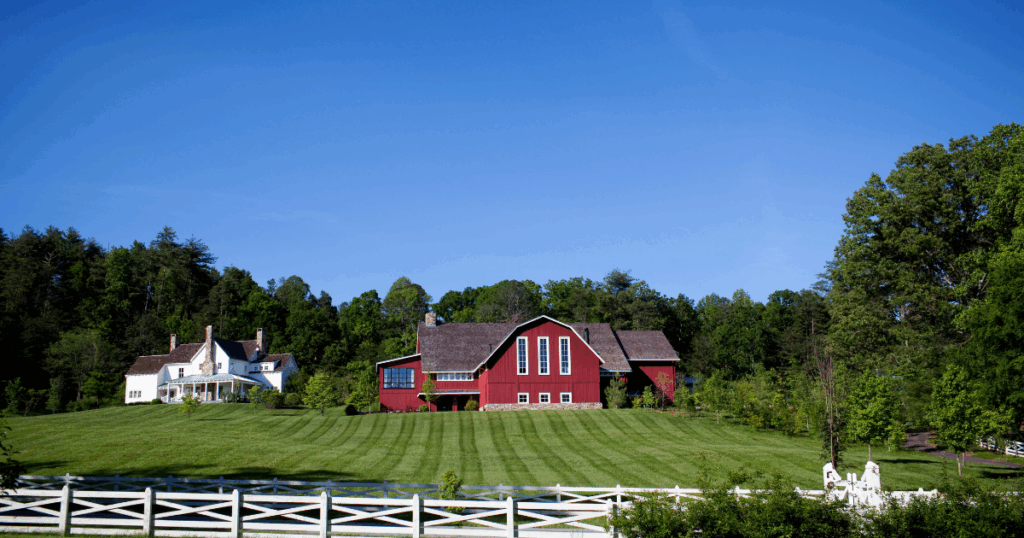
Walland is perhaps best known today for Blackberry Farm, which Kreis and Sandy Beall opened to the public in 1976 as a six-room country inn. Over the years, it has grown into one of the world’s most celebrated small luxury resorts. Set on 2,400 acres, Blackberry Farm offers 68 guest accommodations, world-class dining and a range of curated experiences that draw visitors from around the globe.
Born and raised in Maryville, Tennessee, with roots tracing back to Cades Cove, Emily Huffstetler is a proud Maryville College graduate and passionate storyteller of the Greater Smokies region.
Southern Appalachian cuisine is a blend of British, German and Italian immigrant traditions, along with Cherokee and African American influences—at least, that’s what Google says. Ask a local, and they’ll tell you it’s about clearing your plate, going back for seconds (or thirds), and still heading home with leftovers—especially if Mamaw’s cooking.
Shaped by rugged mountains and harsh winters, Southern Appalachians have long mastered the art of making the most of what’s available. For generations, foraging for ingredients like ramps, blackberries and black walnuts, along with canning, pickling and preserving, has been a way of life. Today, restaurants on the Peaceful Side of the Smokies carry on these traditions with their own modern twist.
Well, what are you waiting for? We’ve saved you a seat.
Southern Appalachian Staples
Before diving into the best places to try these dishes, here’s a breakdown of some key ingredients and meals that define Southern Appalachian cuisine:
Benton’s Bacon & Country Ham: World-famous ham slow cured in East Tennessee using salt, brown sugar and sodium nitrite.
Biscuits and Gravy: Not to be confused with the British cookie. Soft, flaky bread rolls served for breakfast.
Blackberries: In season from July to October. Enjoyed as-is, or in jams and cobblers.
Black-eyed Peas: Bean introduced to the region by West African enslaved people in the 17th century. Said to bring good luck in the New Year.
Cobbler: Dessert consisting of a fruit poured into a large baking dish and covered with a batter or biscuit.
Collards: Hardy greens that can survive the winter and summer. Like black-eyed peas, said to bring good luck in the New Year.
Fried Green Tomatoes and Fried Okra: Southern summertime delight. Maybe not what the doctor had in mind when they said to eat your vegetables.
Pimento Cheese: A.K.A. “Southern Caviar”. A blend of shredded cheddar cheese, pimentos, mayo and spices, typically served with crackers or as a sandwich.
Pinto Beans and Cornbread: Budget-friendly and hearty meal.
Ramps: Wild onion in season from mid-March to early April. Eaten raw or cooked.
Wild Mushrooms: Oyster mushrooms, Chicken of the Woods and morels are some of the most common.
Wild Nuts: Black walnuts, pecans and American Chestnuts are some of the most common.
Confit Rabbit Pasta – Confit rabbit leg, roasted ham hock meat, Benton’s bacon, preserved lemon, local oyster mushrooms, braised onions, smoked chicken velouté, baby kale and Italian apron pasta.
Veal Picatta & Pasta – Crispy veal sweetbreads, Benton’s bacon, preserved lemon, crispy capers, local oyster mushrooms and Italian apron pasta.
Green Goddess Salad – Artisan lettuce, cucumber, heirloom tomatoes, shaved radish, pickled red onion, cornbread croutons and spring herb dressing.
Born and raised in Maryville, Tennessee, with roots tracing back to Cades Cove, Emily Huffstetler is a proud Maryville College graduate and passionate storyteller of the Greater Smokies region.
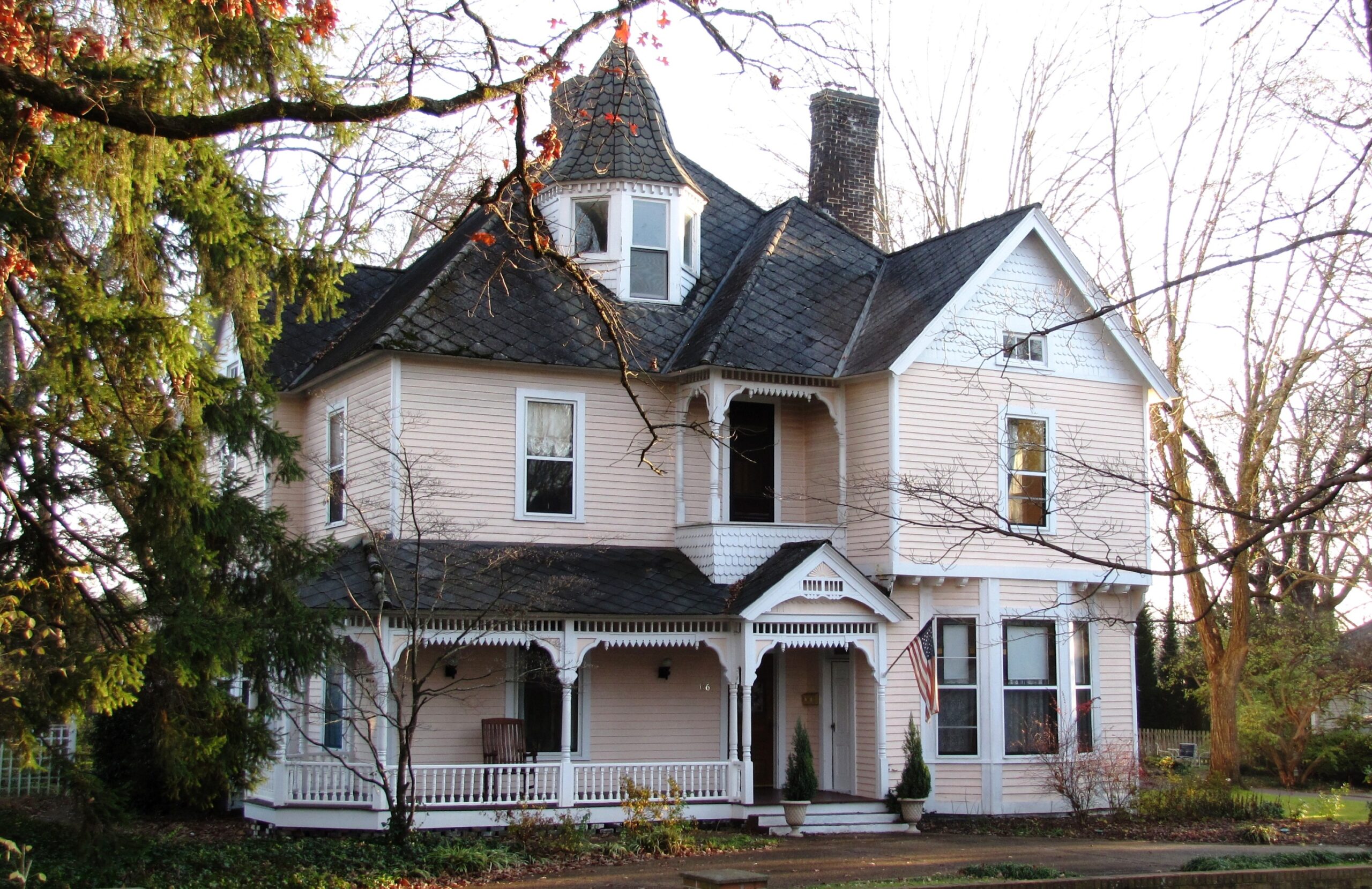
Located just outside Maryville, TN, is a local sight that many visitors pass right by, without even realizing what they’ve missed. Nestled into the heart of the peaceful side of the Smokies is the Blue Goose Vineyard and Winery, a family-owned business that produces some of the best wine in the state. The winery operates under the Appalachian spirit of farm-to-table – everything needed to create, store, package, and sell the wine is located right on the family vineyard, which has been in the family for five generations. Here’s why any wine lover should stop at the Blue Goose when visiting Maryville.
Have a Chic Date at the Rustic Farm Winery
The tasting room of the winery is located in the classic barn that was transformed from a working barn to a chic gathering space. Relax in the beautiful area while you sip, check out the gift shop, look at art from local artists, and more. The wine is a traditional Appalachian muscadine, which is sweet but not overly so. Whether your palette is very dry or more familiar with dessert wines, you’ll love Blue Goose. The property is also home to livestock and crops – it is a real working farm in every sense of the phrase. You’ll be able to see some of the livestock and farm life as you visit, which makes it a unique adventure if you’ve never had the chance to see a farm up close before. The winery is open to visitors Wednesday, Thursday, and Saturday from 11AM to 6PM, and Friday from 11AM to 7PM.
Bring a Bottle of Blue Goose Home
A bottle of locally made wine is the perfect gift to bring home to family or friends, or for your own souvenir. Grab a bottle to take with you back to your cabin rental, hotel, or RV while you stay with us here in the Maryville area, and enjoy your night like the locals do. The wine selection is quite varied, so you can try a little of everything, or stick to your favorites. The property is also used for local events frequently. The winery can be rented out for a wedding, a community event, and more. In recent years, the community held an eclipse-viewing event here, and many of the locals came by to get a good look at this celestial wonder – and sip some local wine, of course!
Make This Local Gem a Must on Your Vacation Itinerary
Find out more about Blue Goose or take a look at their wine menu online. The winery is a fantastic way to have a relaxing afternoon before you head into the city for dinner reservations, or as a way to wind down after a day of fun.
With the school year wrapping up, now’s the perfect time to sign up for summer camp on the Peaceful Side of the Smokies. From hiking and swimming to crafting and dancing, there’s an adventure waiting for every kid and teen.
Blount County Parks & Rec hosts day camps that are all about getting active, ranging from sports training to outdoor games.
“Just Get Outdoors” Nature Adventure Camp (Ages 8–12): A fun, outdoor camp where kids explore stream and forest ecology through hands-on lessons in plant and animal biology, animal tracking and nature crafts in a positive, engaging environment.
May 27–30, 2025
Camp Chickababa (Children with disabilities, Ages 6+): Specially adapted for campers with disabilities, this inclusive camp offers therapeutic and fun activities—like arts & crafts, music, and indoor/outdoor games.
Week 1: June 23–27, 2025
Week 2: June 30–July 4, 2025
East Tennessee Quarterback and Receiver School (Rising 6th–8th grade): This camp focuses on developing passing and receiving skills through drills and techniques designed to enhance Quarterback and Receiver play.
June 9–11, 2025
East Tennessee Football School for Offensive and Defensive Linemen (Rising 6th-8th grade): This camp provides position-specific instruction for offensive and defensive linemen, focusing on drills and techniques to build essential skills.
June 9–11, 2025
Future Stars Football Skills Camp (Rising 2nd–5th grade): This camp provides fundamental instruction for all offensive and defensive football positions, helping campers build skills and gain a deeper understanding of their preferred roles through targeted drills and activities.
June 16–18, 2025
Girls Volleyball Camp (Rising 5th–9th grade): Designed for beginner to intermediate players, this camp helps improve volleyball skills and overall court performance while preparing students for school tryouts.
May 27–29, 2025
Marsh Madness Basketball Camp (Ages 8–12): This camp teaches campers fundamental basketball skills and position-specific techniques to help them grow in the game.
June 23–26, 2025
“Camp Move” by Stretch-N-Grow (Ages 3–10): This weekday summer camp offers a variety of enrichment activities including Stretch-N-Grow programs, STEM, crafts, games, relays, obstacle courses, and afternoon water play or swimming.
Week 1: June 2–6, 2025 Week 2: June 9–13, 2025 Week 3: June 16–20, 2025 Week 4: June 23–27, 2025 Week 5: July 7–11, 2025 Week 6: July 14–18, 2025 Week 7: July 21–25, 2025 Week 8: July 28– August 1, 2025
MLK Youth Summer Day Camp (Ages 5–12): This camp offers a variety of activities including a literacy program, computer lab, swimming, field trips, outdoor games, arts & crafts and more, with breakfast and lunch provided.
May 27–June 27, 2025
Soccer Camp (Ages 5–13): This camp offers technical and tactical instruction focused on enhancing individual ball control and skill development.
June 2–5, 2025
Softball Camp (Rising 3rd–8th grade): This camp focuses on the fundamentals of throwing, fielding, hitting, base running and sliding.
June 2– 4, 2025
Sports and More Kids’ Camp (Ages 5–14): This camp offers sports stations for campers of all skill levels to experience a variety of activities, focusing on teamwork, individual achievement and sportsmanship in a fun, positive environment.
Week 1: June 3– 6, 2025 Week 2: June 10– 13, 2025
Track and Field Camp (Ages 6–12): This camp provides instruction on track and field competition, focusing on drills and techniques to develop speed, running form, field event skills (shot put, discus, long jump, high jump and triple jump), and strategies for both sprinters and distance runners.
July 7–9, 2025
Performing Arts Camp (Ages 8–13): This camp is perfect for young performing artists, offering skills in theater, dance, music, prop making/design and more, taught by professionals in each area.
June 16–20, 2025
Wrestling Camp (Ages 6–14): This camp teaches proper wrestling positions—top, bottom, and neutral—along with techniques like pinning and combinations, and includes drills and a takedown tournament/live wrestling session.
June 9–12, 2025
Beach Week Boogie Battles by Stretch-N-Grow (Ages 3–8): This fun-filled camp features beach-themed dancing, relays, races, crafts, STEM activities and more, ending with a Foam Party Finale.
June 23–25, 2025
The Wild West with Water Battles by Stretch-N-Grow (Ages 3–8): This Wild West-themed camp features daily water battles, rodeo games, sack races, wet obstacle courses, crafts, STEM activities and more.
May 27–30, 2025
Fitness Stars Field Days by Stretch-N-Grow (Ages 3–8): This camp brings classic outdoor fun with competitions, sports, relays, games, crafts, STEM activities and more, topped off with a Foam Party Finale.
July 7–9, 2025
Give It a Tri – Youth Sprint Triathlon Camp (Ages 8–14): This camp introduces youth to the world of multisport, offering daily instruction in swimming, biking and running, and culminating in a mini sprint mock triathlon led by USATriathlon Certified Coach Kat Uchman.
Photo courtesy of the Great Smoky Mountains Institute at Tremont.
The Tremont Institute offers overnight summer camps in the Smokies. These all-inclusive experiences are designed to connect campers with nature and new friends from across the country.
While they tend to fill up quickly, there are a few camps that are still open for registration.
Firefly Camp (Ages 4–8, with accompanying adults): This flexible one-, two- or three-night family camp in Great Smoky Mountains National Park offers games, nature exploration, stream wading, campfire fun and firefly watching—giving you and your child a fun, gentle introduction to the summer camp experience.
July 1–4, 2025
Teen High Adventure (Ages 13–17): This 10-day, 9-night backcountry adventure invites teens to explore the Smokies through seven days of backpacking, learning outdoor living skills, gaining confidence and connecting with nature—ending with a well-earned hot shower and a day of paddling.
July 14–24, 2025
Great Smokies Experience (Rising HS juniors, seniors and recent grads): This immersive 11-day college program blends outdoor adventure with environmental study, allowing students to earn college credit while exploring the Smokies through hikes, canoeing, species surveys and hands-on learning.
Creative Spark Studio, located in Maryville, is offering a variety of four-day art camps for ages six and up.
All Things Paper (Ages 8–15): In this four-day art camp, young artists of all skill levels will explore papermaking, bookbinding and sculpture, culminating in an art show.
May 27– 30, 2025
T-shirt lap quilt (Ages 8–15): In this four-day camp, young creators of all skill levels will learn machine and hand sewing techniques to craft their own t-shirt lap quilt, ending in an art show.
May 27– 30, 2025
Tropical Oasis (Ages 6–12): In this four-day camp, budding artists of all skill levels will explore painting, drawing, sculpture and mixed media, celebrating with a final art show.
June 3– 6, 2025
Fantastical Universe (Ages 6–12): In this four-day camp, young artists will explore the wonders of the universe through painting, drawing, sculpture and mixed media, wrapping up with an art show.
June 10–13, 2025
Drawing and Illustration (Ages 8–15): In this four-day camp, young artists will focus on drawing and illustrating 3D images while exploring other creative mediums like painting and collage, concluding with an art show.
Van Metre School of Dance, located in Maryville, will host three dance camps and provide private classes.
Fairytale Camp (Ages 4–7): This camp offers lessons in ballet, jazz, modern and choreography for an exciting and magical summer experience.
June 9–13, 2025
Intermediate Camp (Ages 7+): This camp offers a variety of technique, conditioning and performance classes, including ballet, pre-pointe, modern, jazz and hip-hop.
June 9–13, 2025
Summer Intensive (Ages 12+): This camp offers a variety of technique, conditioning and performance classes, including ballet, pointe, modern, jazz, contemporary and hip-hop; pointe required.
Broadway Center of the Arts has four intensive musical theatre camps planned. Two are still open for registration.
Camp Pure Imagination (Rising 9th grade–2025 HS grads): This 5-day performing camp offers a week full of theatrical fun and learning, culminating in a performance.
June 16–20, 2025
Camp The Lion King KIDS (Rising 2nd–8th grade): This 5-day performing camp featuring The Lion King KIDS offers a week full of theatrical fun and learning, culminating in a performance.
Camp Wesley Woods, located in Townsend, is a faith-based retreat center focused on spiritual development and outdoor education. They offer a variety of sleepaway camps throughout the summer.
Discovery Half-Week (2nd–4th grade): This first overnight camp experience is designed for young campers to try new activities, make friends and become part of the camp community with fun activities like swimming, archery, campfires and exploring the creek.
June 30–July 2, 2025
Basecamp (4th–10th grade): This camp offers campers the opportunity to unplug, make new friends and try new activities like swimming, archery, pottery and fishing, while growing in their relationship with God and enjoying special events throughout the week.
Week 1: June 1– 6, 2025
Week 2: June 22–27, 2025
Week 3: July 20–25, 2025
Adventure Glamping (6th–10th grade): This camp offers campers the chance to stay in air-conditioned accommodations while participating in adventurous activities like caving, paddling, climbing and hiking, all while exploring East Tennessee and deepening their relationship with God.
Week 1: June 1– 6, 2025
Week 2: June 8–20, 2025
Week 3: July 6–18, 2025
Week 4: July 20–25, 2025
Leader-in-Training (Rising 10th grade): This program offers campers the chance to develop servant leadership skills through hands-on experience, while gaining new skills in camp operations, having fun and making new friends.
June 22–27, 2025
Gym Counts
Gym Counts, located in Maryville, offers full and half-day gymnastics camps for ages 5–13.
The camps will feature a mix of indoor and outdoor games, arts and crafts, and gym-based activities such as gymnastics, parkour, ninja warrior courses and trampoline instruction.
The Blount Partnership announced today that Director of Tourism Kim Mitchell was named “Women in TN Tourism & Hospitality Leader of the Year” by HospitalityTN. The award was given during the Stars of the Industry Gala at the Governor’s Conference on September 16, 2021, in Murfreesboro, Tennessee. Mitchell has served as the director of tourism for the Blount Partnership and the Smoky Mountain Tourism Development Authority since 2014.
The “Women in TN Tourism & Hospitality Leader of the Year” award distinguishes a female professional leader in the hospitality industry. The recipient is a role model with noteworthy accomplishments, leadership roles, and volunteer positions.
HospitalityTN is a not-for-profit trade association that represents the hospitality and tourism industry in Tennessee. It highlights lodging and dining establishments in the state, as well as other businesses involved in the industry. The organization plays a role in benefitting the businesses by protecting their interests and managing issues brought on by the political, legislative, regulatory, and economic forces that impact the industry.
For the past 32 years, HospitalityTN has recognized outstanding employees and organizations through their Stars of the Industry Awards Program.
Mitchell received a degree in hotel and restaurant management with a minor in marketing at the University of Tennessee, Knoxville.
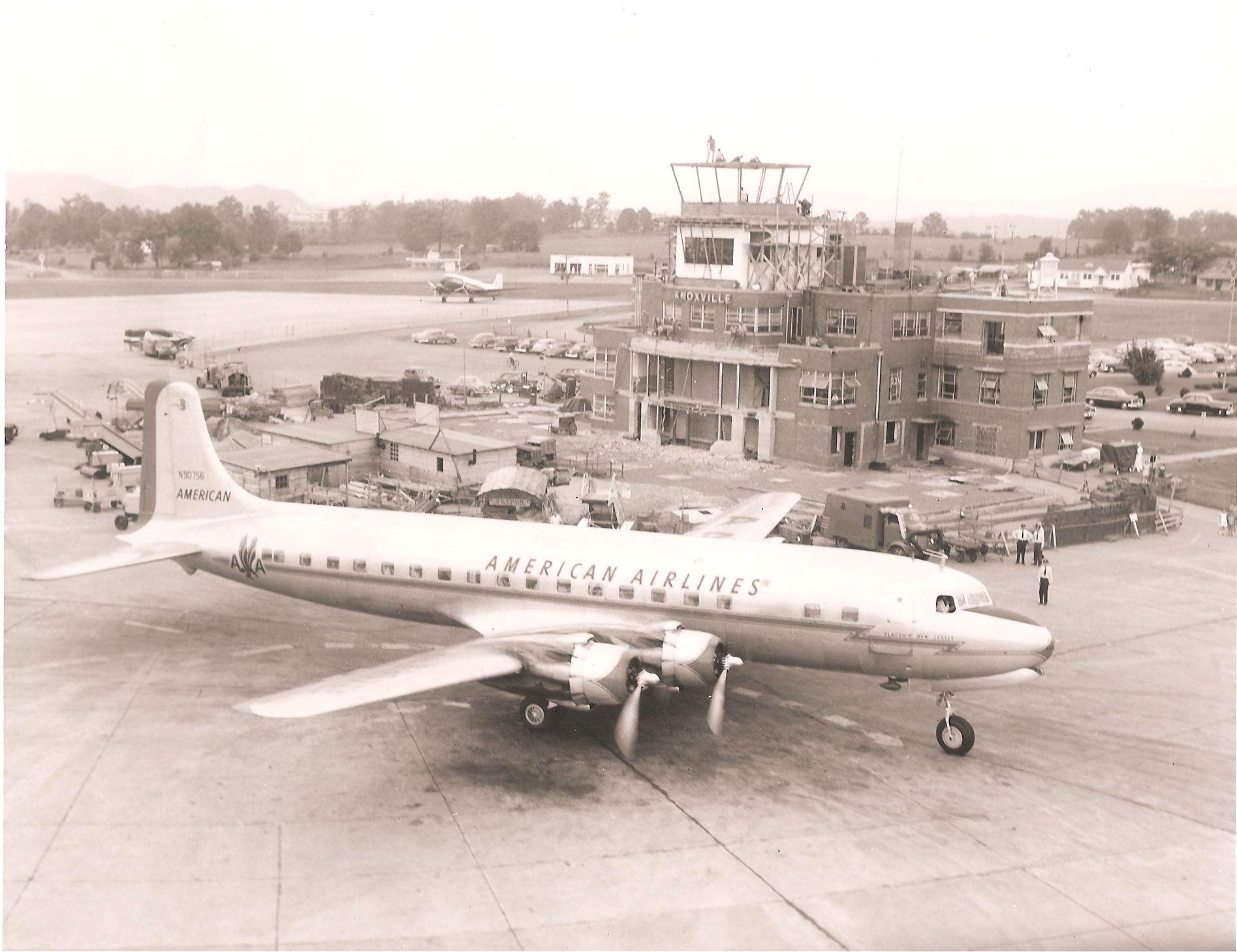
She began her career in the hospitality industry at the Knoxville Airport Hilton and later served at The Garden Inn in Oak Ridge followed by the McNabb Center.
Through her work with the Blount Partnership and SMTDA, Mitchell has contributed to increasing travel and tourism through marketing strategy and execution. She excels in garnering local, regional, and national media attention.
During the pandemic, Mitchell took initiative to ensure safety measures were met when promoting outdoor activities. The #CloserToHome campaign was launched to promote hyperlocal tourism and encourage day trips and shorter vacation stays in “your own backyard.”
Mitchell is a leader in many organizations. She serves on the board of directors at Townsend-Cades Cove Business Alliance, Maryville Downtown Association, and Knoxville-Smoky Mountains Greenway Trails. In addition, she holds leadership positions with Tennessee Main Streets – Downtown Maryville, Middle Tennessee Tourism Council, and the Tennessee Whiskey Trail.
“We’re proud of Kim’s hard work, leadership, and her expertise in hospitality, marketing, and event management,” said Blount Partnership President Bryan Daniels. “She possesses a passion and enthusiasm for Tennessee and Blount County. We congratulate her on her many accolades and dedication to raising the bar and ensuring Blount County is a top destination for travel. We are proud to have our very own Kim Mitchell named “Women in TN Tourism & Hospitality Leader of the Year”.”
In the weeks leading up to Christmas, children in Blount County wrote letters to Santa Claus for publication in the local newspaper. These letters, spanning the 1920s through the 1960s, record Christmas wishes and everyday life across the county.
The 1920s
In the 1920s, Blount County was still rural, and Christmas lists reflected everyday life. Children asked for dolls, wagons, beads, wristwatches and BB guns. Apples, oranges, nuts, candy and chocolates appear again and again, listed alongside toys. Coats and gloves appear without explanation. Most children asked for only a few things.
Some children were more imaginative. Sampson, 1921, requested a few firecrackers and torpedoes, claiming that he’d tried “ever since last year to be as good as [he] can.” Photo courtesy of Blount County Virtual Archives.
Late 1920s to 1930s
Letters to Santa from the late 1920s and 1930s. Photos courtesy of Blount County Virtual Archives.
As the county moved into the late 1920s and 1930s, many of the same items stayed on Christmas lists. Children continued asking for wagons, bicycles, marbles, balls and toy guns. Fruit and candy appear year after year. Some lists grew longer. Others stayed brief. Toys and practical items continue to appear together.
Late 1930s to 1940s
By the late 1930s, Christmas lists expanded again. Children asked for a wider range of toys, including trains, tool sets, horns, sparklers and balls. Fruit, nuts and candy rounded out longer lists.
Stanley and Jerry Kirby, 1938. The oldest brother butters up Santa, calling him “the best looking man in Maryville.” Photo courtesy of Blount County Virtual Archives.
As the decade turned and the 1940s began, lists tightened. Children still asked for dolls, balls and small toys, but requests became shorter and more exact.
Jo Ann, 1941, carefully itemized the price of each item she hoped to receive. Photo courtesy of Blount County Virtual Archives.
The 1950s
Letters to Santa from the 1950s. Photos courtesy of Blount County Virtual Archives.
By the 1950s, Christmas lists reflect a growing toy market. Children named specific gifts. Tiny Tears dolls are popular, along with doll buggies, doll furniture and playsets. Toy guns, cowboy and cowgirl outfits, tricycles, coloring books and crayons show up across multiple letters.
The 1960s
Letters to Santa from the 1960s. Photos courtesy of Blount County Virtual Archives.
By the 1960s, Christmas lists leaned into popular toys of the moment. Children asked for Thirsty Cry Baby dolls, skates, army men, helmets, periscopes and sleds. Some lists included jewelry and Bibles.
Born and raised in Maryville, Tennessee, with roots tracing back to Cades Cove, Emily Huffstetler is a proud Maryville College graduate and passionate storyteller of the Greater Smokies region.
Recent Comments