
Category: Blog

Winter Flora and Fauna of the Smokies: A Field Guide 

Written by: Emily Huffstetler

Winter in the Great Smoky Mountains National Park (GSMNP) offers a unique perspective on the region’s rich biodiversity. While many visitors associate the park with its vibrant spring and summer blooms, the winter months reveal a quieter, more serene side, with a surprising amount of flora and fauna still thriving in the colder weather.

Flora 

The GSMNP is home to over 1,500 species of flowering plants, earning its nickname as the “Wildflower National Park.” During the winter months, a few of these species can still be spotted, including the early-blooming ephemeral flowers. 
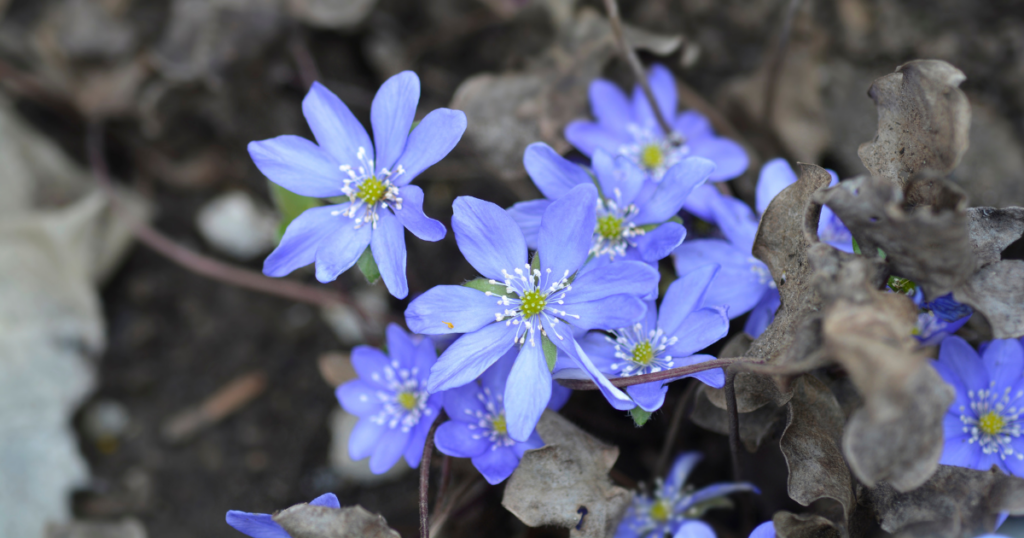
These delicate blooms, such as hepaticas (liverworts), begin to flower as early as February, taking advantage of the abundant sunlight that reaches the forest floor through the leafless trees. Their blue, white, purple and pink shades are some of the few bursts of color in the winter landscape. To find them, explore the park’s recommended wildflower walks. 
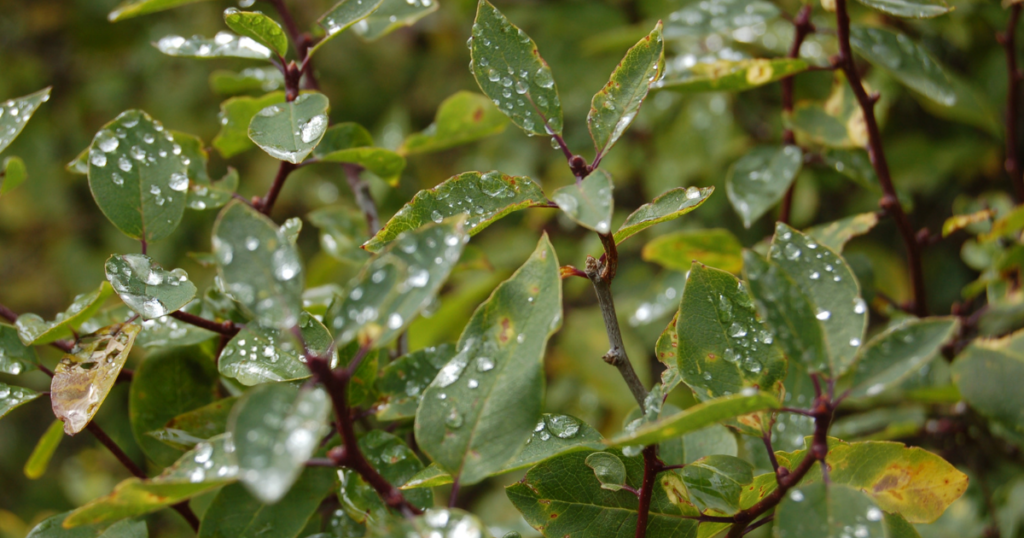
While Mountain Laurels don’t bloom until late May or early June, their glossy evergreen leaves provide year-round beauty. The Laurel Falls Trail, the most popular hike in the Smokies, offers views of this iconic shrub. This paved 2.6-mile roundtrip trail leads to an 80-foot waterfall. 
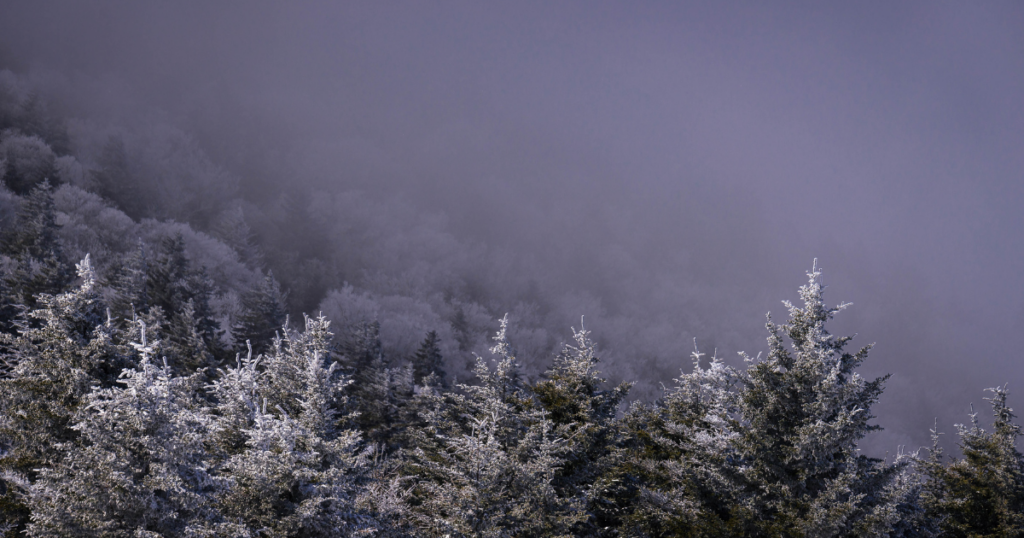
The Smokies also has an abundance of evergreen trees, including red spruce and Fraser firs. Spruce-fir forests are found exclusively at the park’s highest elevations. 

While red spruce are common across North America, Fraser firs are unique to southern Appalachia. Roughly 80% of the park’s Fraser firs were lost to a European parasite introduced in 1900, but a recent study shows their population has rebounded in recent decades, with numbers tripling on Kuwohi, Tennessee’s highest peak. You can appreciate these resilient trees on the Spruce-Fir Nature Trail, a short and scenic 0.35-mile loop. 

Fauna 

Winter in the Smokies is an excellent time for wildlife observation, as the lack of foliage provides clearer views. Cades Cove, with its open meadows and forests, is a prime spot for animal sightings. The 11-mile Cades Cove Loop Road offers easy access to the area, open from sunrise to sunset. 
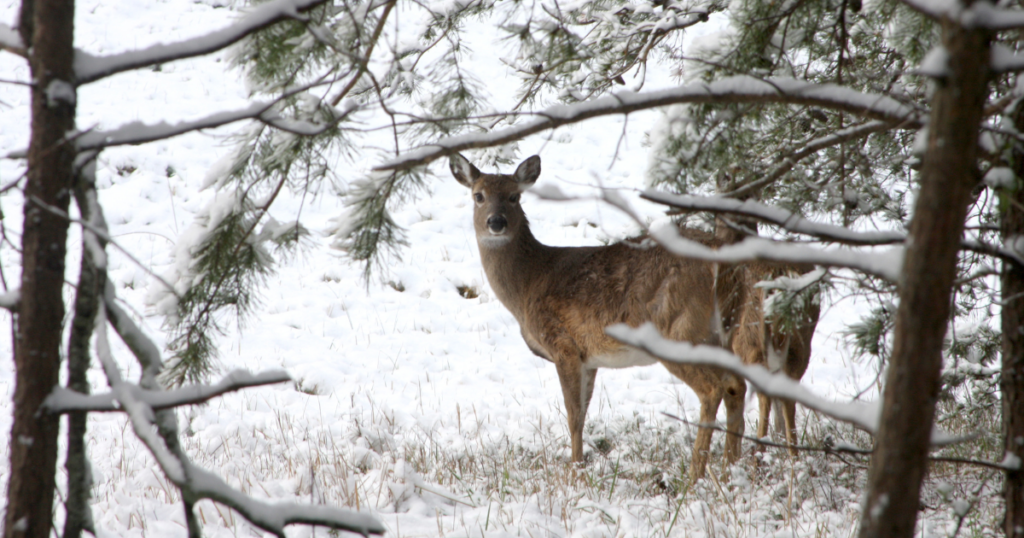
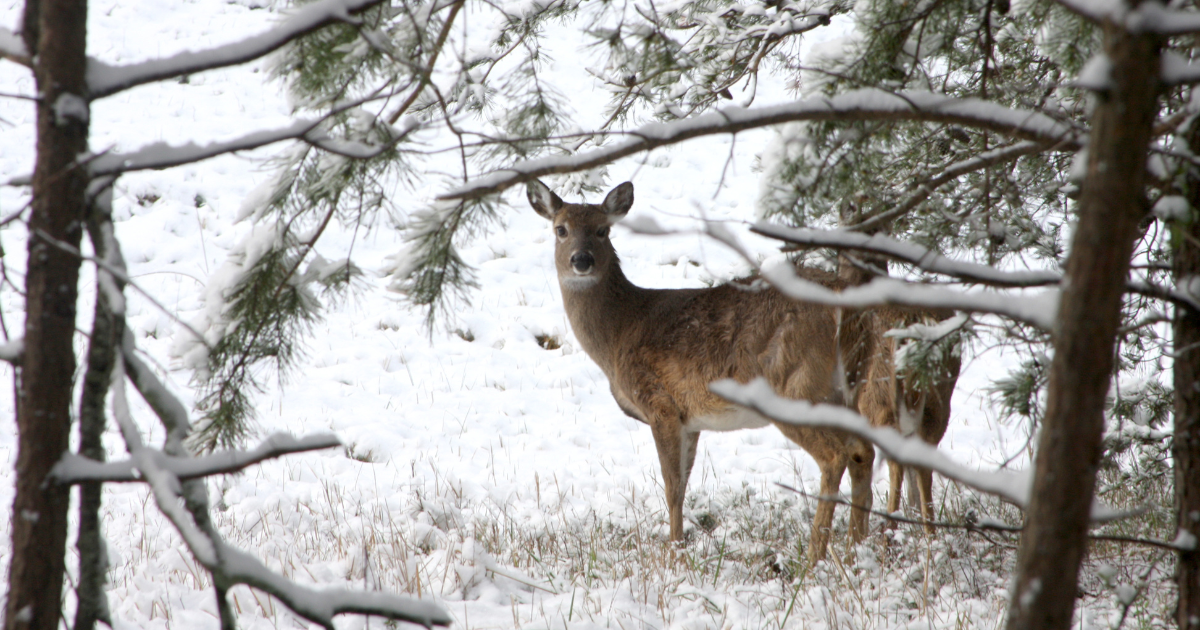
There, it’s quite common to see white-tailed deer prancing across the meadows. They may also venture deeper into the forest, as food is scarcer. 
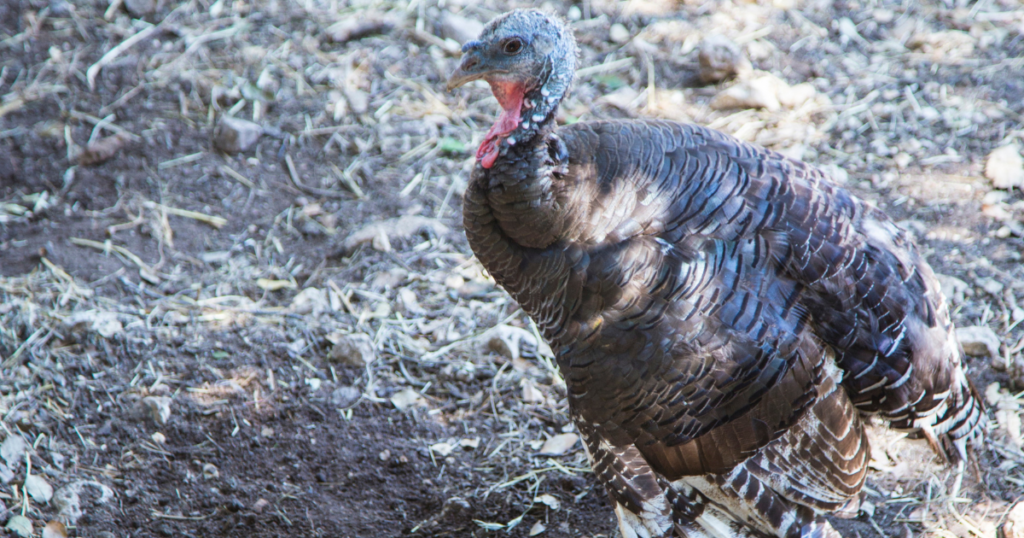
Wild turkeys, the biggest birds in Cades Cove, are also hard to miss, as their population is at a historic high. 
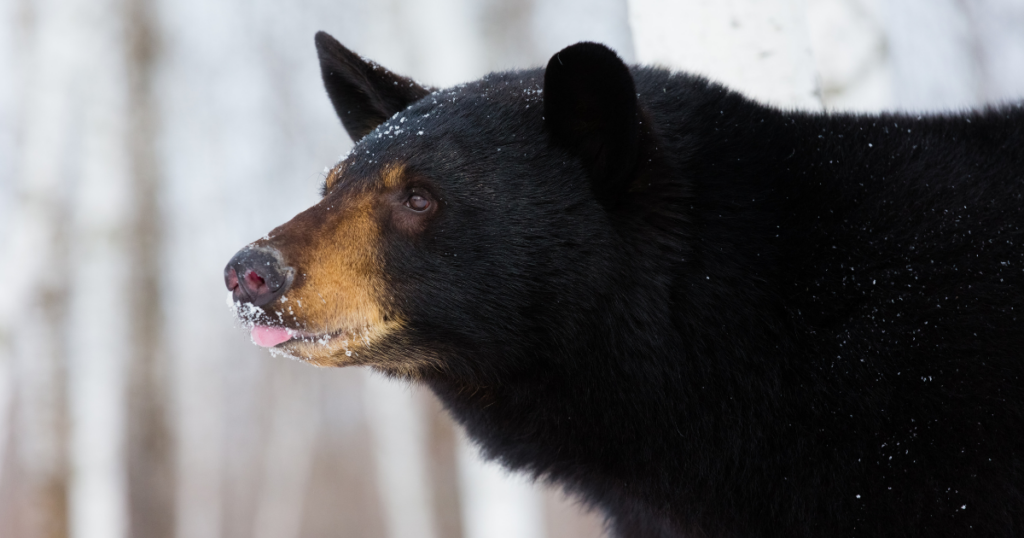
Although black bears spend most of the winter hibernating, warmer days might bring them out to search for food. 

If you visit the creek, you may see otters, even in colder months. The Cherokee name for Cades Cove, Tsiyahi, translates to “Otter Place.” Once nearly hunted to extinction in the 1920s, otters were reintroduced to the area in the 1980s and have made an impressive comeback. Abrams Falls, a 5-mile roundtrip hike near Cades Cove, is known for frequent otter sightings. 

Will you venture to the Smokies this winter? Share your favorite flora and fauna photos with us on social media (@peacefulsmokies). 

__________________________________________________________________________________________________________________________________

Born and raised in Maryville, Tennessee, with roots tracing back to Cades Cove, Emily Huffstetler is a proud Maryville College graduate and passionate storyteller of the Greater Smokies region.

Winter in the Smoky Mountains: Advantages & Hiking Tips

When people think of hiking in the Smoky Mountains, the most popular times of year are generally Spring through Fall. But the Smoky Mountain National Park is open year-round, and winter brings a unique beauty. We’ve put together some of the best reasons you need to get out and enjoy the Smokies this time of year, along with some valuable Winter Hiking Tips.

Exploring The Smoky Mountains in Winter

Are you in the mood for a more challenging hike, like Thunderhead Mountain (elevation: 5527 feet) and Gregory Bald (elevation: 4949)? Or would you prefer a short, invigorating trek to Look Rock Fire Tower on Chilhowee Mountain, off the Foothills Parkway? If you haven’t already explored, here are several reasons to take that journey in winter. First of all, the most apparent difference while hiking in the cold months is the lack of foliage on the trees. Some trails become very narrow during the summer, so hiking when there is less vegetation can be a relief for the more claustrophobic traveler. And can we talk about the views during the winter? Once the trees shed their leaves, a more pristine view of the magnitude and breadth of our lovely mountains reveals itself.
In the winter months, you will also find that you often have the trails all to yourself. Not only will you see fewer people on your journey, but there will also be a fraction of insects and bugs. There is a special kind of peace when the forest blanketed with silence, your only companion the sound of crunching leaves and falling snow. Another welcome absence on a winter hike is the sometimes stifling summer humidity. Winter in the Smokies is a definite case of less is often more.
Group of friends winter hiking in the snow


Tips for Hiking the Smokies in the Cold

  1. Always check the weather and be prepared for it to change.
  2. Snow/ice spikes and trekking poles will help with traction and stability.
  3. Don’t be afraid to spend the extra money to get top quality winter gear. Waterproof and windproof gear can be lifesavers when the windchill at the higher elevations create dramatic temperature drops. 
  4. Layering is essential. Choose wet-wicking material and a light but warm coat, such as a down jacket. Be prepared to layer up or down depending on changing altitudes and surprise weather. Wool socks and appropriate hiking boots will keep your feet warm and a toboggan will prevent body heat from escaping through your head.
  5. Extras. Pack extra socks and gloves in case the ones you are wearing get wet. Extra HotHands or hand warmers are great for putting in your sleeping back for overnight hikes. Remember, it is better to have a heavier pack, with everything you need, than finding yourself hurt or in danger.

Don’t Forget Your Camera

Take advantage of the season to find those distinctive winter shots. You may discover animal prints in the snow or icy rivers. Look for the way the sun reflects on the frosted mountains and expect to see a whole new side of the Smoky Mountains’ personality.
Family goes winter hiking in the snow covered mountains

 
Feature Image by Nikki Adam Jenkins

Check Out These Fun Activities on the Peaceful Side:

Best Views for Sunrises and Sunsets

Your Group will Love the Campgrounds in Great Smoky Mountains National Park

With the summer coming to a close faster than you expected, there’s never been a better time to get in that last-minute camping trip to the Smokies! Here on the peaceful side of the Smokies, you’ll find plenty of camping opportunities that you and your family will love. Easy access to the Little Pigeon River, the Great Smoky Mountains National Park, and many other natural attractions make camping in the Smokies perfect for your summer getaway.
Where to Go Camping in the Smokies
Blount County is perfect for camping in the Smokies, for many reasons. Here on the peaceful side of the mountains, we have many family-friendly attractions that are ideal for a relaxing, leisurely vacation. Bring your RV to Whispering River RV Resort, or try staying at Carpenter Campground in Maryville. Many of the local campgrounds have park-like settings with playground equipment, access to streams where you can fish, and other activities right there in the campground.
Glamping, Cabin Rentals, and Other Camping Alternatives
If you prefer something a little more stylish for your camping adventure, Blount County campgrounds do also offer “Glamping” tents and cabin rentals. You can stay in luxury and enjoy a unique camping experience, while still getting to be close to all the beautiful natural sights in the area. The Little Arrow Outdoor Resort is the prime location to check out glamping tents, tiny homes, and luxury cabins. The area also has a dog park, so you can bring the whole family along for the fun.
Easy Access to the Exciting Fun All Around the Smokies
One way that camping in Blount County will excite your entire group of campers is the easy access to the nearby fun of places such as Pigeon Forge and Gatlinburg. You can enjoy the beauty of the mountains, the small-town atmosphere, and the peaceful pace of Blount County – and they can check out Dollywood, or many of the other fun activities just a short drive away. Don’t forget to take a hike through the many walking trails in Blount County that lead you through the beautiful mountains.
Leisure and Wanderlust Come Together When You Go Camping in the Smokies
This area is perfect for scratching your itch to travel, while still having a very pampered vacation. You can absolutely get close to nature with camping fun, and still have plenty of luxury. From delicious local fine dining, luxury amenities in many of the campgrounds, to nearby spas and resorts, and lots of other relaxing or romantic things to do all around, you won’t find a better place to combine your sense of adventure with your desire to relax.
Pack up your family today and head to the Smokies for a fun camping adventure that will please everyone!